20/410Plastic Double-layer Cap Makeup Water Bottle Cap Cosmetics Lotion Cap HPPC001
These double-layer plastic caps are perfect for toner and lotion bottles, safe, leakproof and durable.
See Details

 Web Menu
 Product Search
 Exit Menu
 Refillable Airless Packaging: What Brands Should Know
As sustainability becomes a key requirement in the US and EU beauty markets, more skincare brands are moving toward refillable packaging solutions.
Among them, refillable airless packaging is gaining attention—not only for environmental benefits, but also for product performance and premium positioning.
In our recent projects, most brands are looking to reduce plastic usage while maintaining a high-end user experience. Compared with traditional single-use packaging, refillable systems can reduce total plastic consumption by approximately 60–70%, depending on the structure.
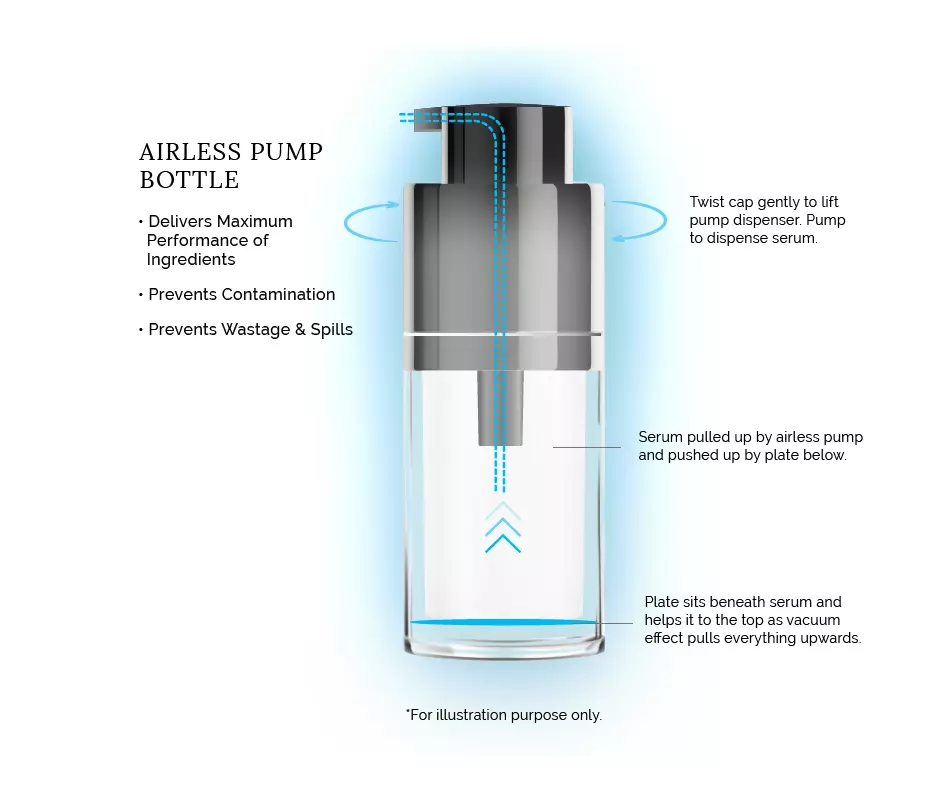
Airless packaging uses a piston-based system to dispense product without air exposure.
In production, a typical airless bottle includes:
Outer bottle: PP or PET
Inner container or cartridge: usually PP
Pump system: springless or metal-based structure
This design helps:
Minimize oxidation (ideal for Vitamin C, retinol)
Improve product stability
Achieve high product evacuation rate
Different refillable systems are used depending on brand positioning and cost targets.
Users keep the outer bottle and replace the inner cartridge.
This is widely used in premium skincare packaging.
Allows easy opening and replacement.
More cost-efficient and suitable for mid-range brands.
All components are made from PP, improving recyclability in EU markets.
However, color and finish options are more limited.
From a manufacturing perspective, refillable airless packaging also comes with practical challenges:
Leakage risks if the sealing structure is not well designed
Higher MOQ due to more complex mold systems
Compatibility issues with high-viscosity formulas
Color variation when using PCR materials
In many cases, refillable projects require new mold development, which increases initial cost and development time.
Common materials include:
PP (Polypropylene): recyclable and suitable for mono-material solutions
PET: better transparency but less ideal for full recyclability
PCR materials (30%–100%): reduce virgin plastic usage but may affect appearance consistency
Increasing PCR content can also impact production stability and surface finish.
For most refillable airless packaging projects:
MOQ: 5,000–10,000 units
Sampling time: 7–10 days (existing molds)
Production lead time: 25–40 days
Projects involving new molds may require additional development time.
Developing refillable airless packaging requires not only design capability, but also stable production and quality control.
At Happy Packaging, we support skincare brands with:
Refillable airless system development
PP mono-material and PCR options
Custom colors and finishes
Stable lead times for global delivery
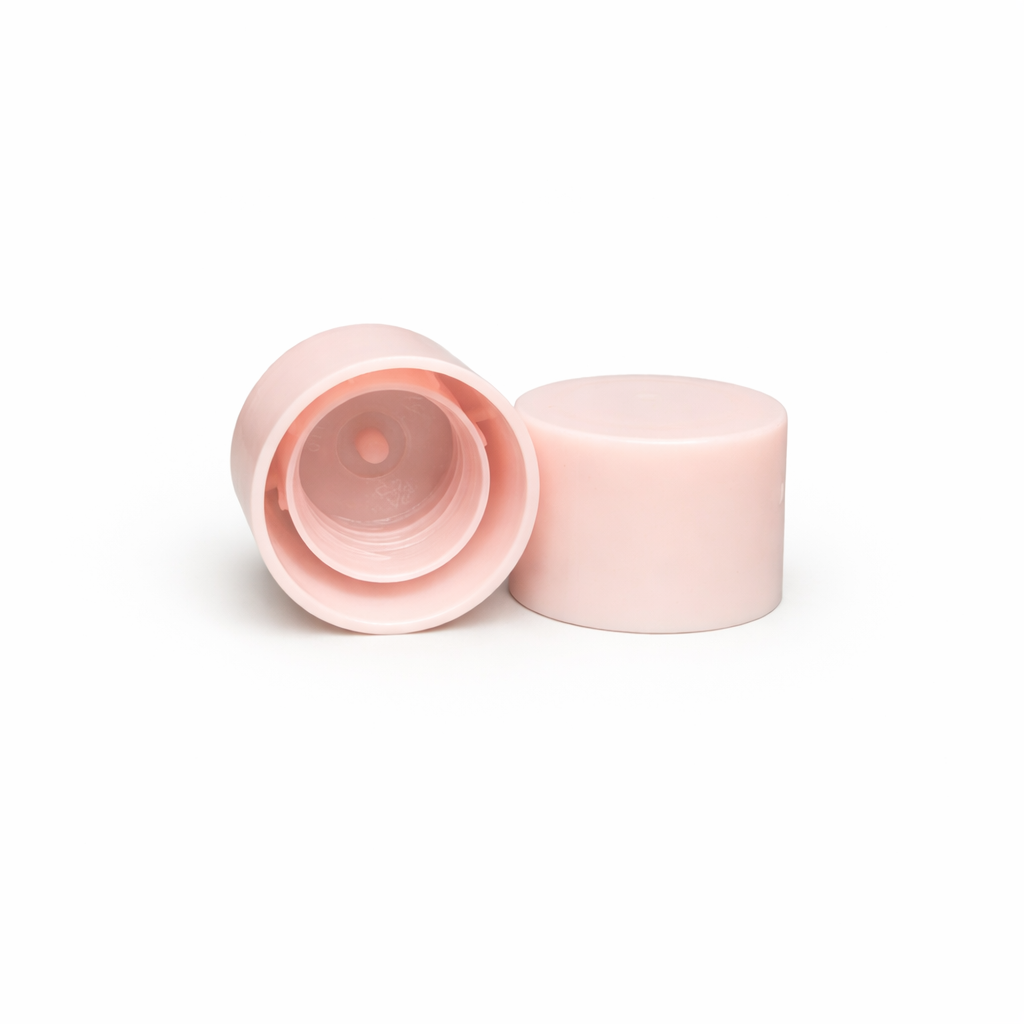
These double-layer plastic caps are perfect for toner and lotion bottles, safe, leakproof and durable.
See Details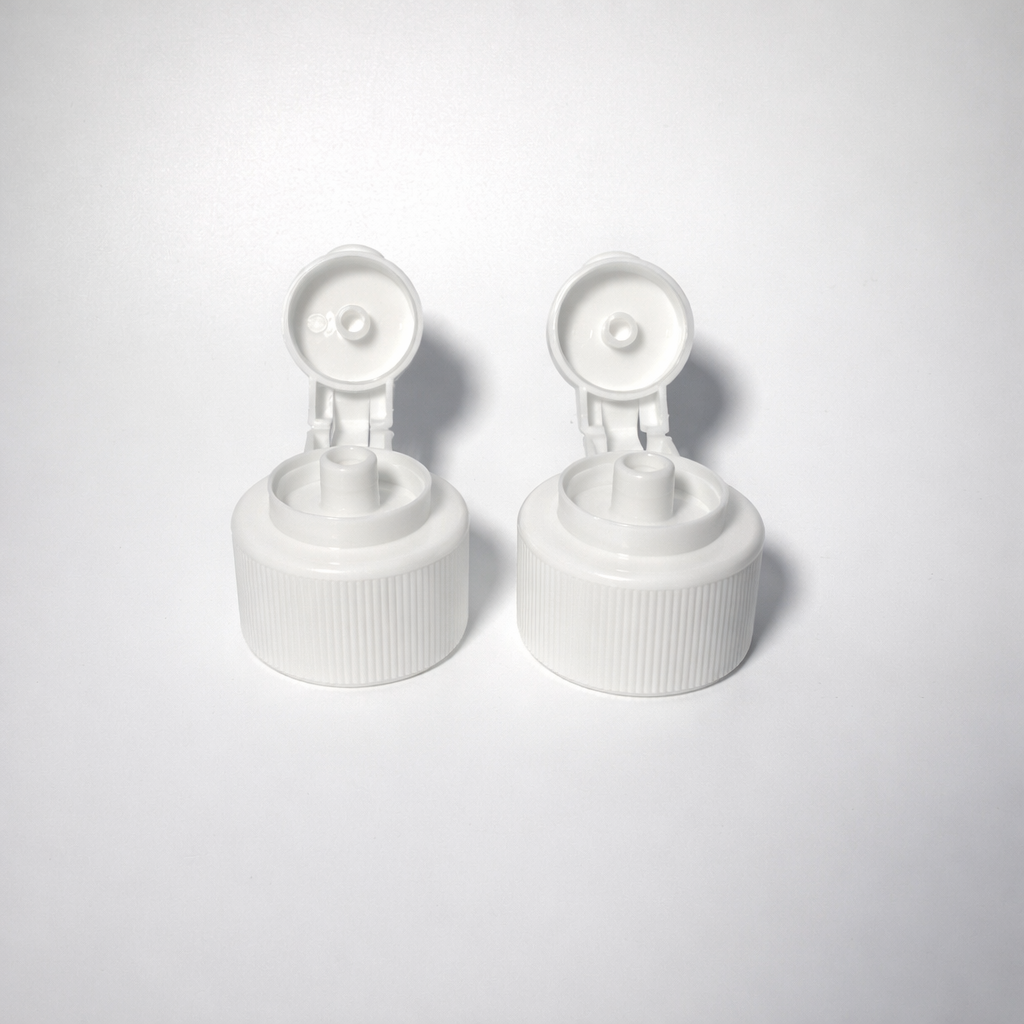
These plastic caps are available in flip and screw-on styles, with customizable colors, suitable for dish soap and shower gel.
See Details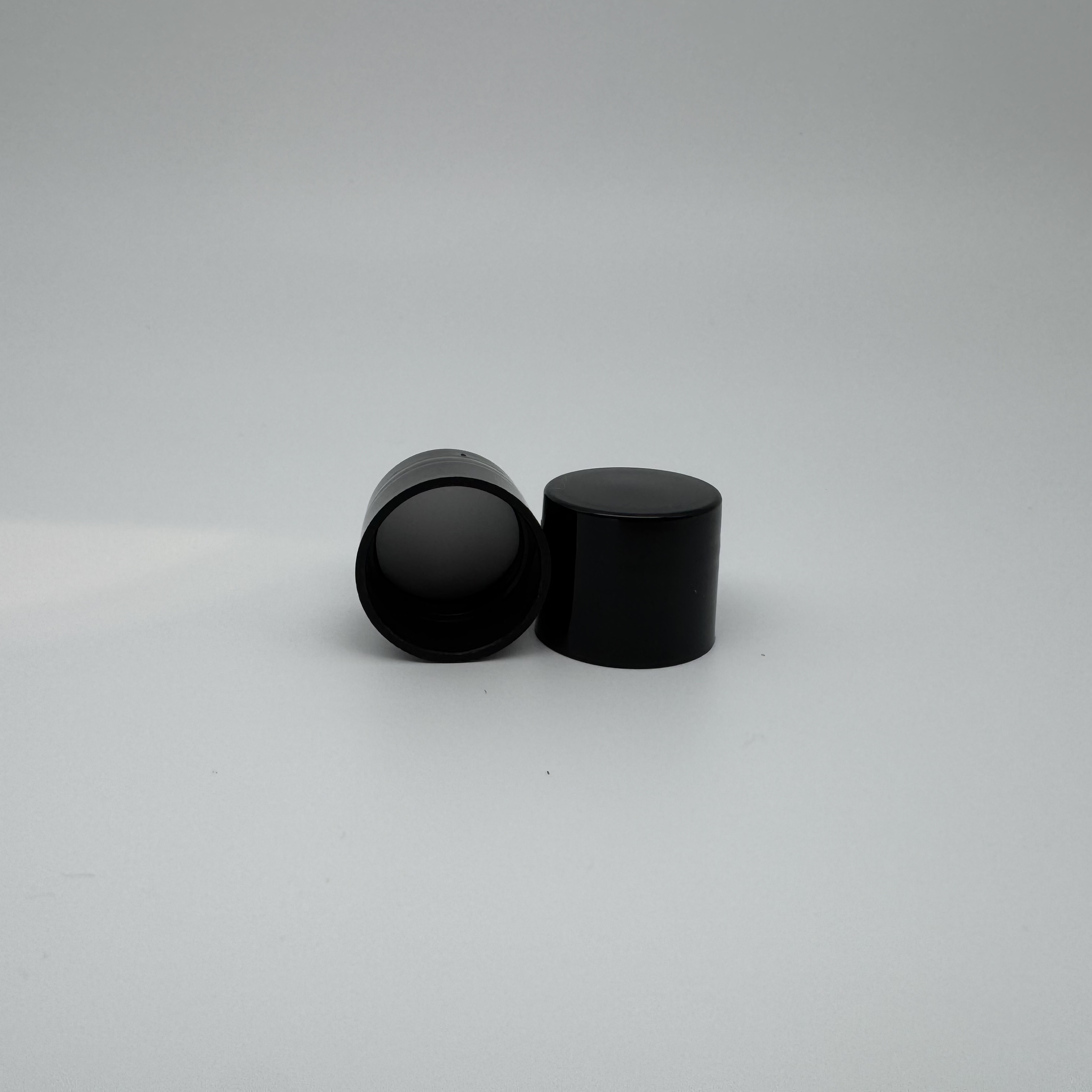
These PP screw caps come with a liner, glossy finish, ideal for lotion and cosmetics, leakproof and durable.
See Details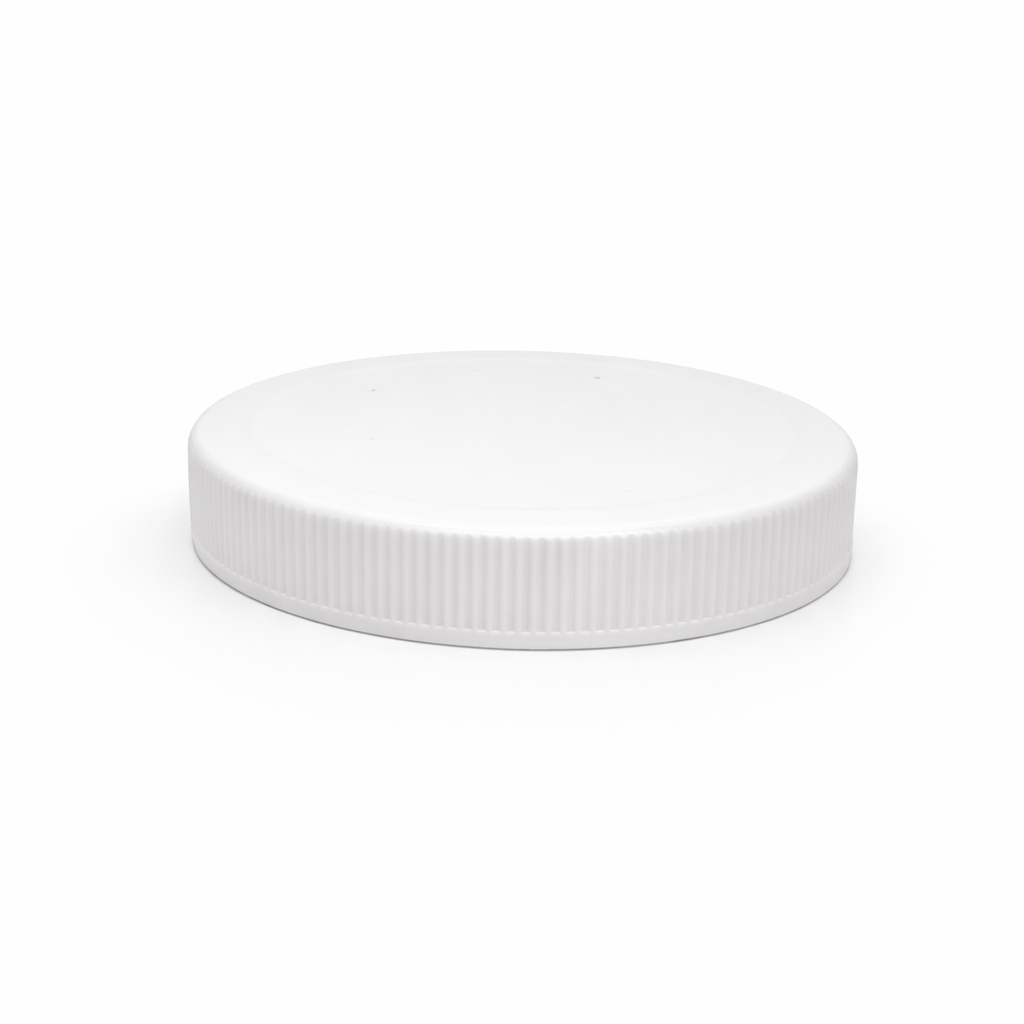
These plastic lids fit wide-mouth cream jars, with good sealing and stable screw design.
See Details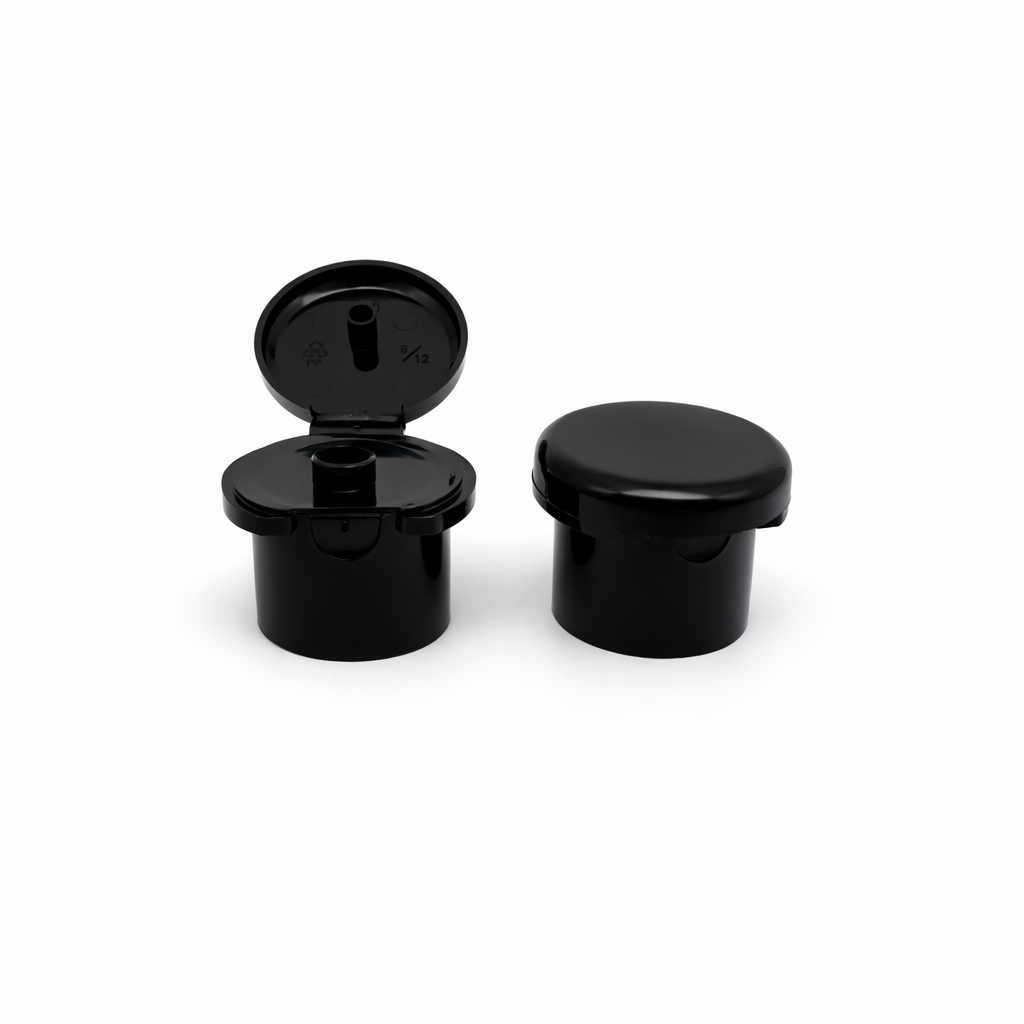
These flip-top screw caps are made of PP, ideal for shampoo and body wash, sturdy and leakproof.
See Details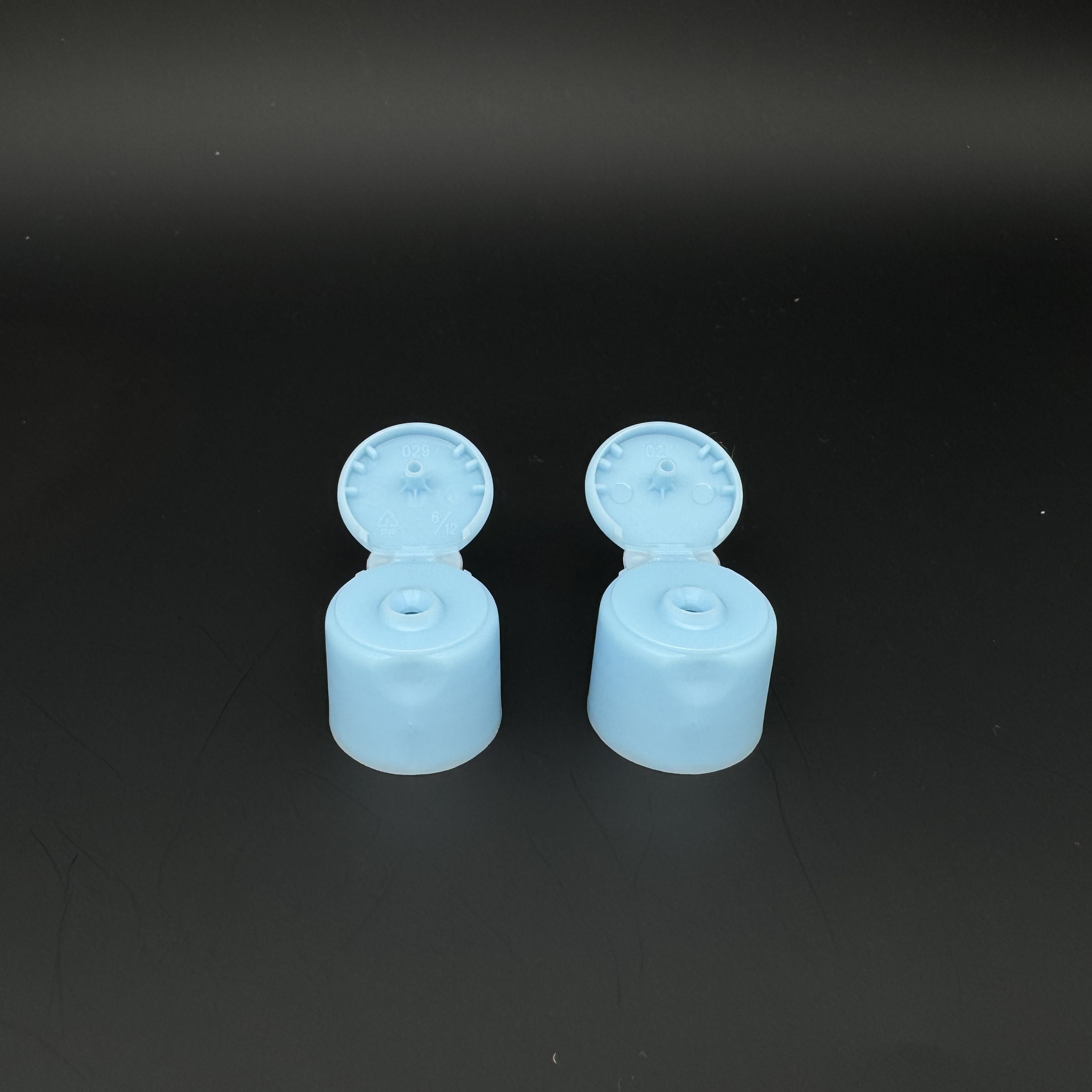
Made of durable PP, frosted flip-top screw cap for lotion, cream and sunscreen, leakproof and stylish.
See Details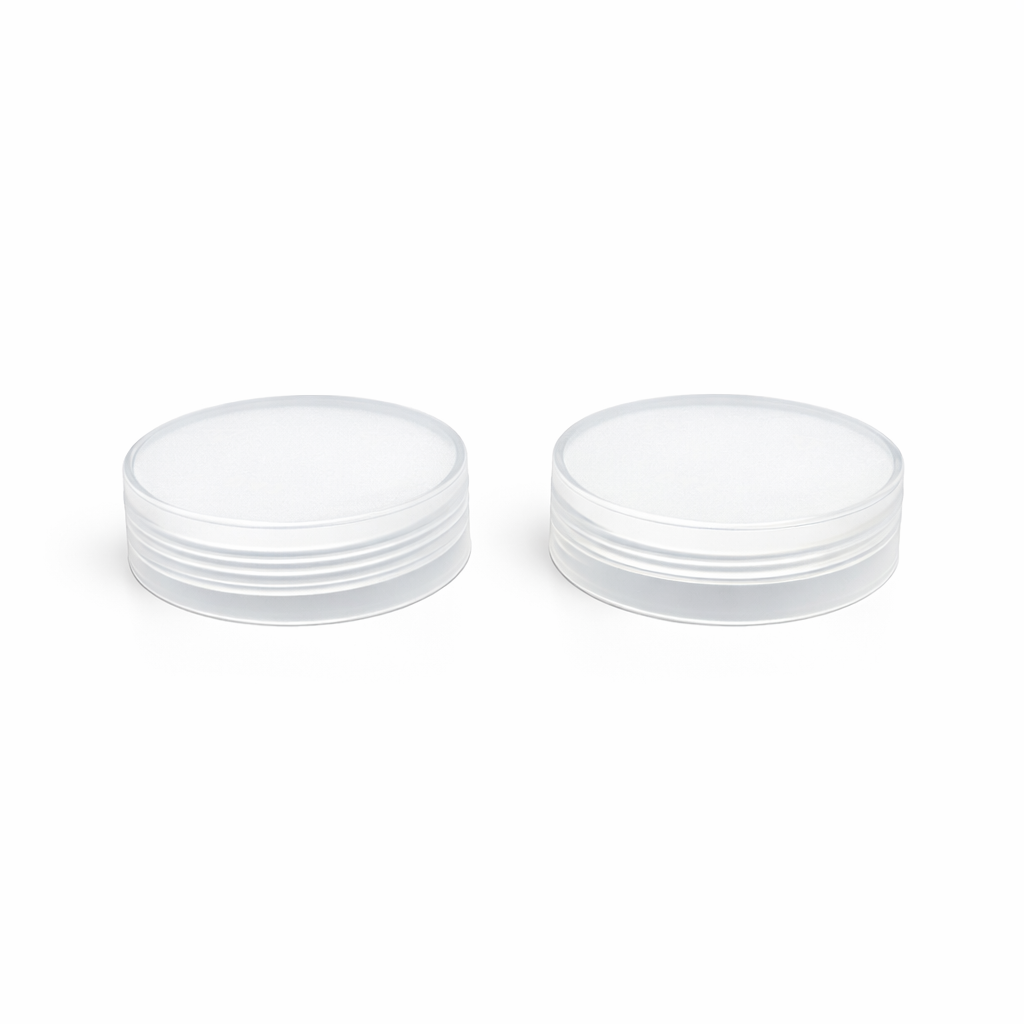
Glossy plastic screw caps with liner, perfect for face cream and hand cream, leakproof and durable.
See Details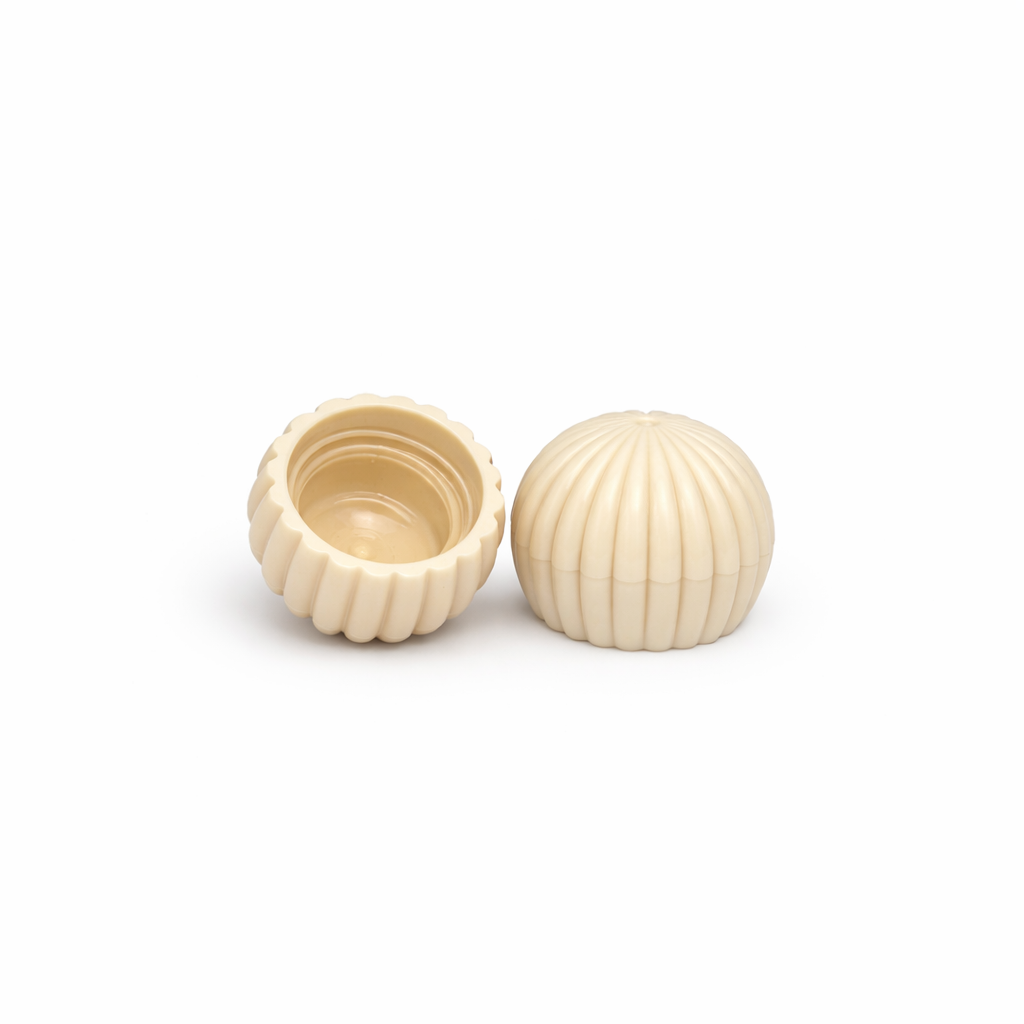
These PP spherical caps come in customizable colors, ideal for laundry liquid and cosmetic lotion, with great sealing.
See DetailsAddress: Building 36, Shanbai Villa, Qiandao Lake Town, Chun'an County, Hangzhou City, Zhejiang Province
TEL: +86 15988456592
Email:iris@happy-packaging.com


