20/410Plastic Double-layer Cap Makeup Water Bottle Cap Cosmetics Lotion Cap HPPC001
These double-layer plastic caps are perfect for toner and lotion bottles, safe, leakproof and durable.
See Details

 Web Menu
 Product Search
 Exit Menu
How Skincare Packaging Influences Brand Perception
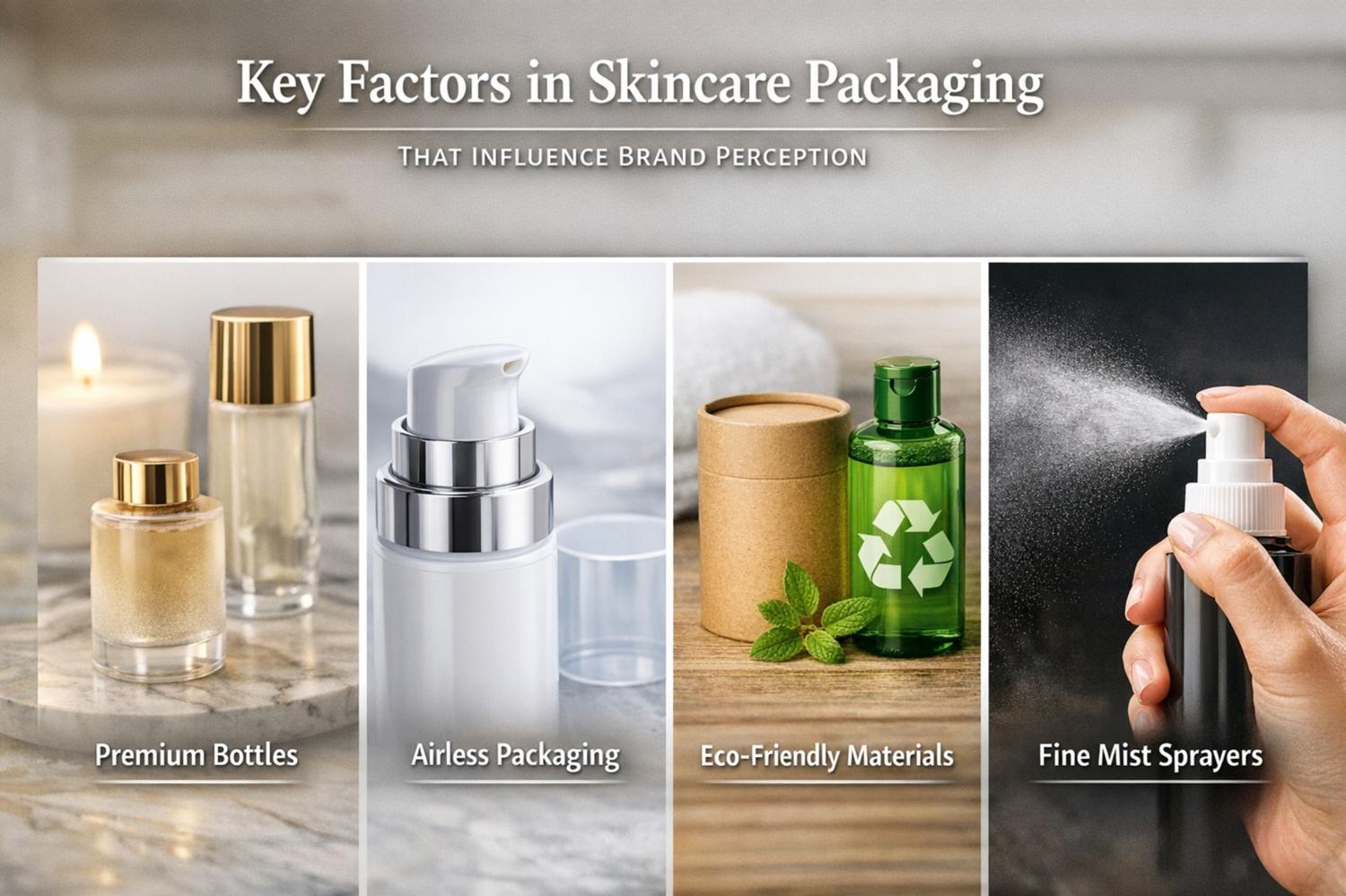
When skincare brands develop a product, most of the focus naturally goes into formulation — ingredients, efficacy, and testing.
However, from our experience working with skincare brands across different markets, customers often form their first impression much earlier — through packaging.
In many cases, packaging doesn’t just support the product — it defines how the product is perceived.
For brands exploring packaging options, working with a reliable cosmetic spray bottle manufacturer is essential to ensure consistent quality and scalable production.
For example, different materials such as PET, glass, or airless systems can significantly impact both product feel and user experience. You can explore more in our guide to custom cosmetic packaging solutions.
Before a customer experiences your formula, they interact with the packaging.
The weight of the bottle, the surface texture, and the dispensing experience all contribute to how the product is perceived.
For example, a thicker PET bottle (e.g. 280–350g for standard cosmetic bottles) often feels more premium than lightweight alternatives. Similarly, matte or frosted finishes tend to create a softer, more refined visual effect compared to high-gloss surfaces.
This is especially relevant in premium skincare and clean beauty segments, where expectations around packaging details are significantly higher.
In practice, it’s rarely major design flaws that affect brand positioning. More often, it’s small overlooked details that influence user perception.
Common issues we see include:
lightweight bottles that feel less substantial
glossy finishes that reflect excessive light under retail conditions
pumps that feel stiff or inconsistent after repeated use
spray bottles that produce uneven droplets instead of a fine mist
Individually, these may seem minor. But when combined, they can make a product feel generic rather than thoughtfully designed.
Airless packaging has become increasingly common, particularly for formulations that are sensitive to air exposure.
From a technical perspective, airless systems:
reduce oxidation
improve formula stability
support more precise dosage control
From a user experience perspective:
smoother dispensing
consistent output until the last use
less product residue and waste
For many mid-to-high-end skincare brands, switching to airless packaging is not only a functional upgrade, but also a positioning decision.
Sustainability is no longer a secondary consideration in packaging decisions.
We are seeing more brands actively explore:
PCR (post-consumer recycled) PET or PP materials
mono-material structures for easier recycling
refillable packaging systems
reduced packaging weight for lower shipping impact
In EU markets especially, packaging sustainability is increasingly tied to brand credibility and long-term compliance requirements.
Well-implemented sustainable packaging not only reduces environmental impact but also communicates brand values more clearly to end users.
Not every packaging improvement requires a complete redesign.
In many projects, brands achieve noticeable improvements through small but targeted adjustments:
switching from glossy to matte or frosted finishes
increasing material thickness for better hand feel
improving pump or spray consistency
optimizing bottle balance and proportion
introducing airless systems for selected product lines
From our experience, these incremental changes often deliver a stronger return than full redesigns, especially during product line upgrades.
If you are reviewing your current packaging, it can be useful to evaluate it from a user’s perspective rather than a production perspective.
Ask:
Does the packaging feel aligned with your price point?
Is the dispensing experience smooth and consistent?
Does the material and finish reflect your brand positioning?
Would this packaging stand out on a retail shelf or in an e-commerce unboxing experience?
Because in reality, customers do not separate packaging from product — they experience them as one.
If you are evaluating suppliers, you can also read our guide on how to choose a cosmetic packaging manufacturer to better understand MOQ, lead time, and customization options.
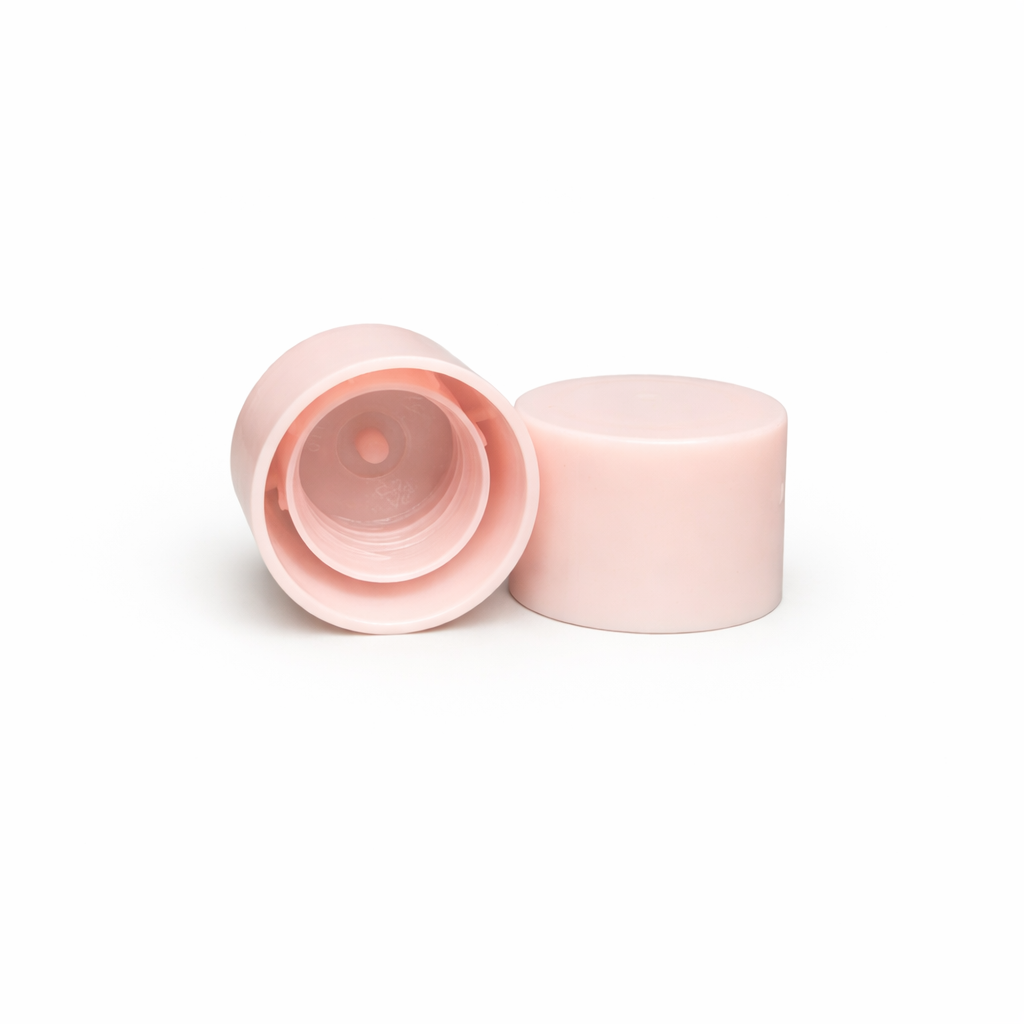
These double-layer plastic caps are perfect for toner and lotion bottles, safe, leakproof and durable.
See Details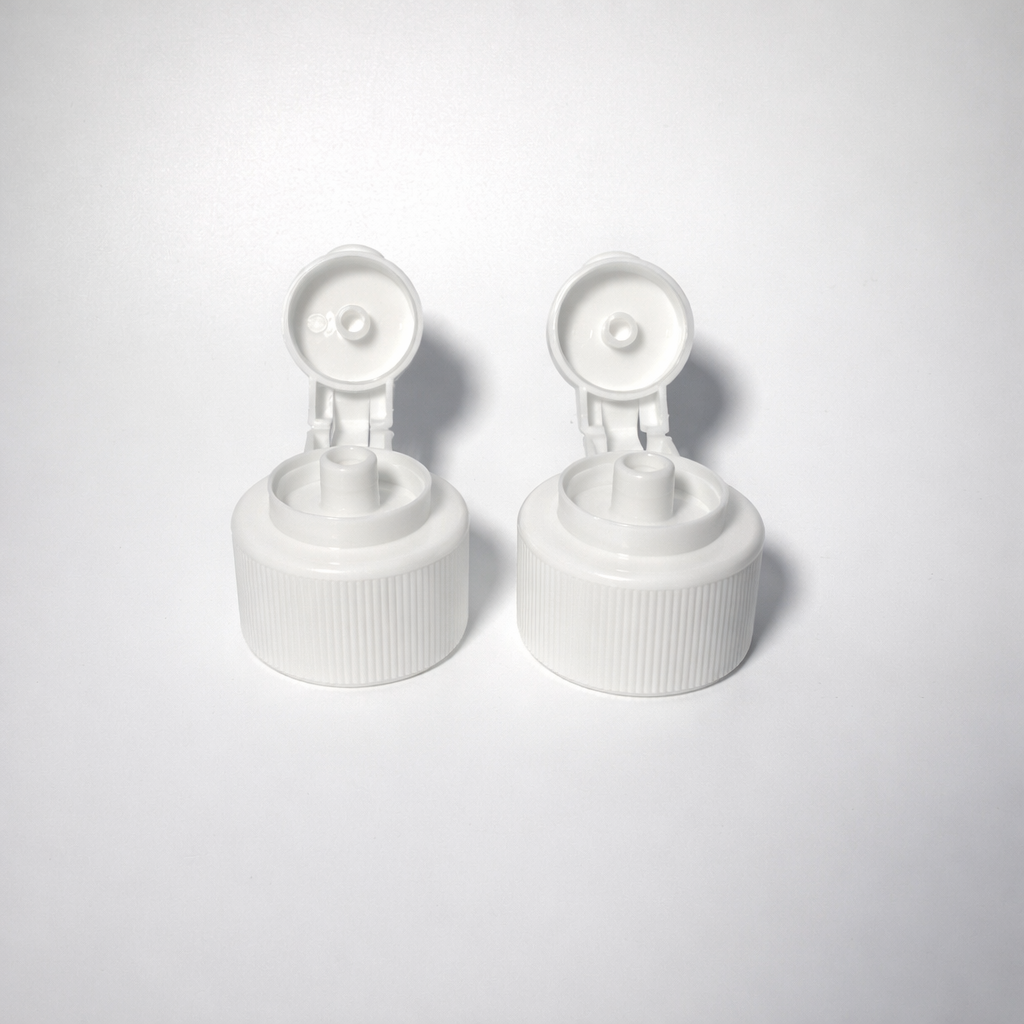
These plastic caps are available in flip and screw-on styles, with customizable colors, suitable for dish soap and shower gel.
See Details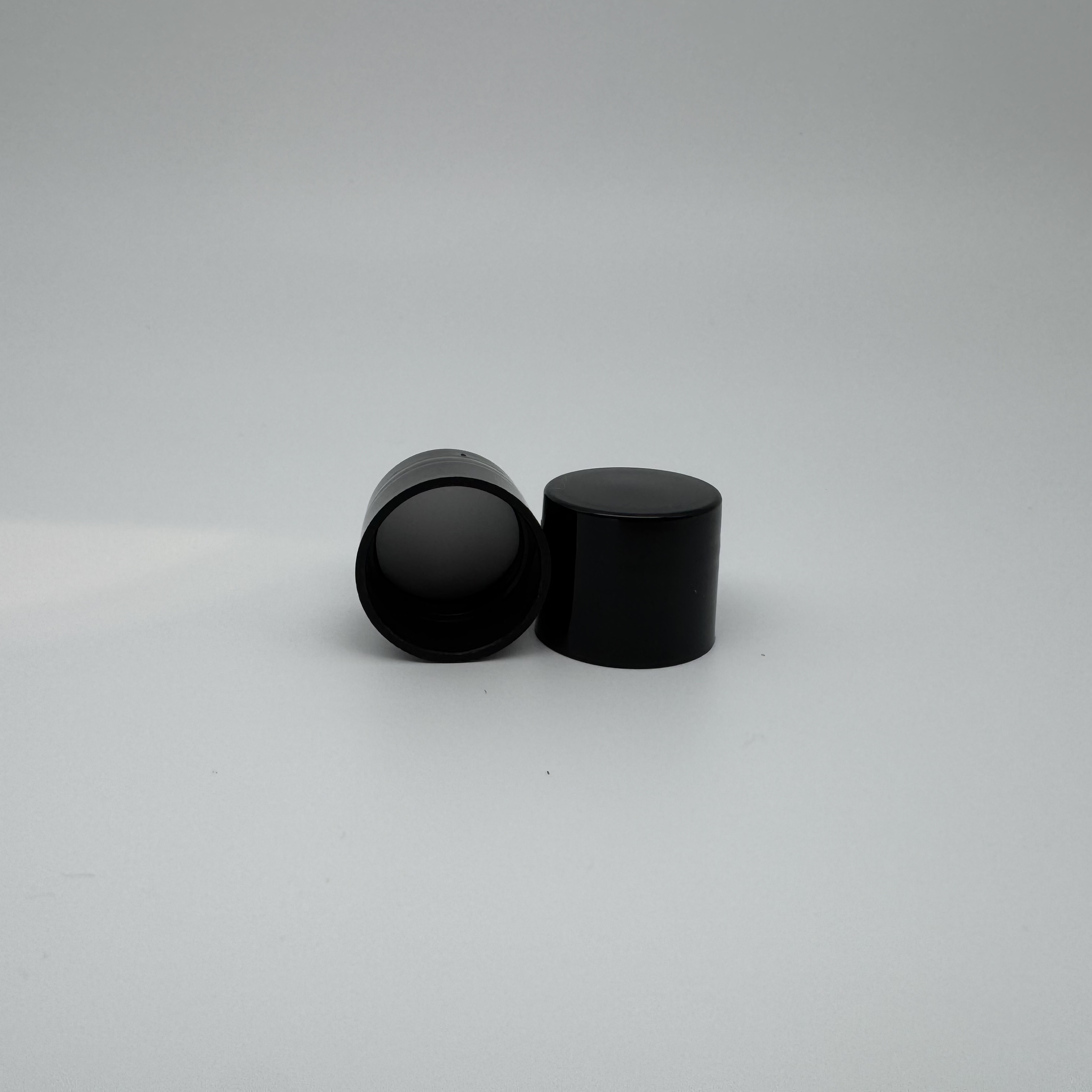
These PP screw caps come with a liner, glossy finish, ideal for lotion and cosmetics, leakproof and durable.
See Details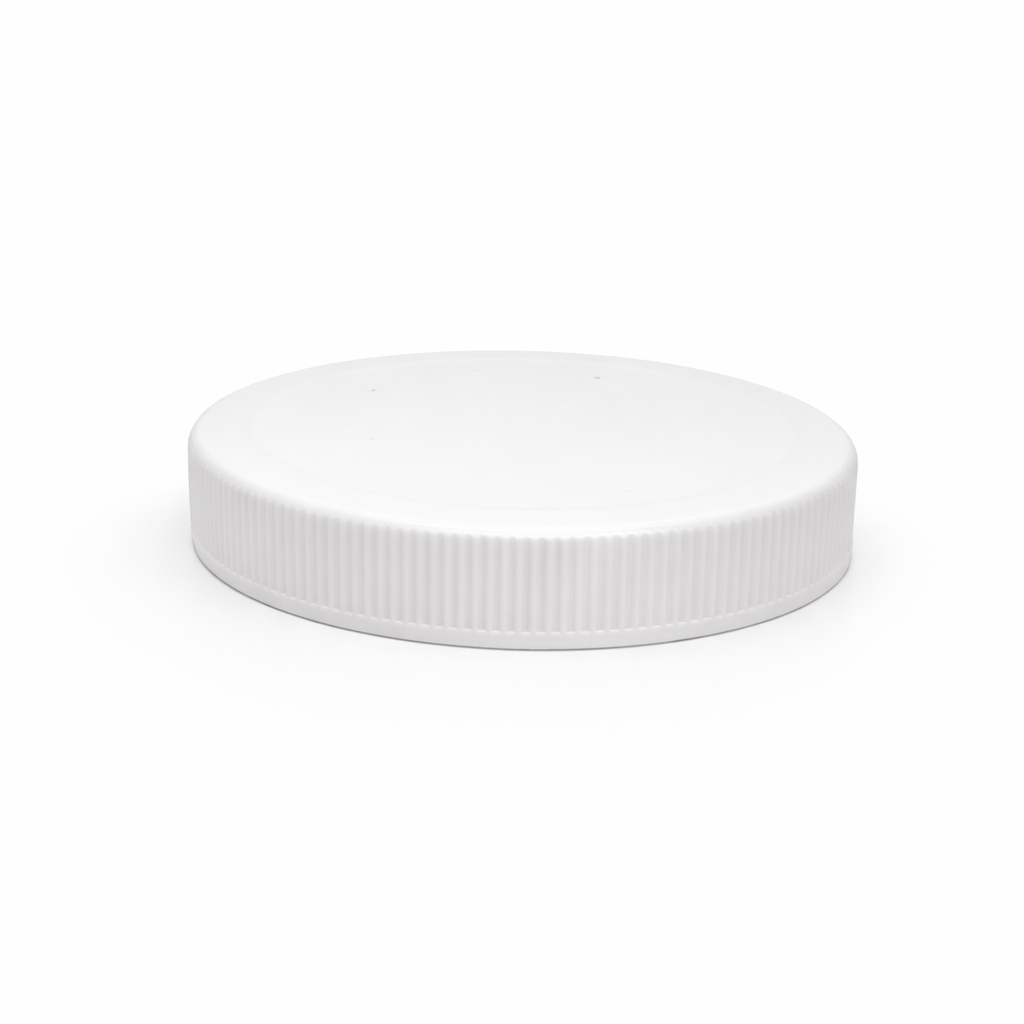
These plastic lids fit wide-mouth cream jars, with good sealing and stable screw design.
See Details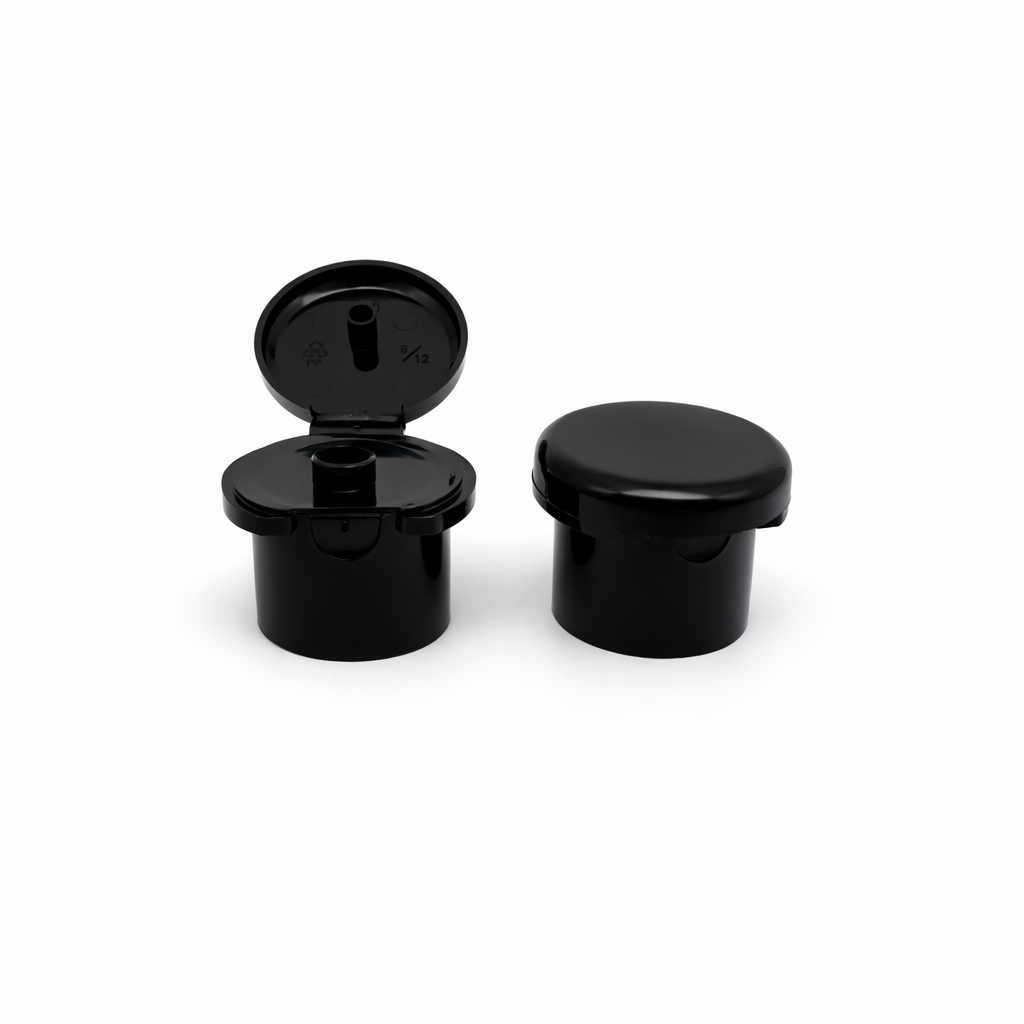
These flip-top screw caps are made of PP, ideal for shampoo and body wash, sturdy and leakproof.
See Details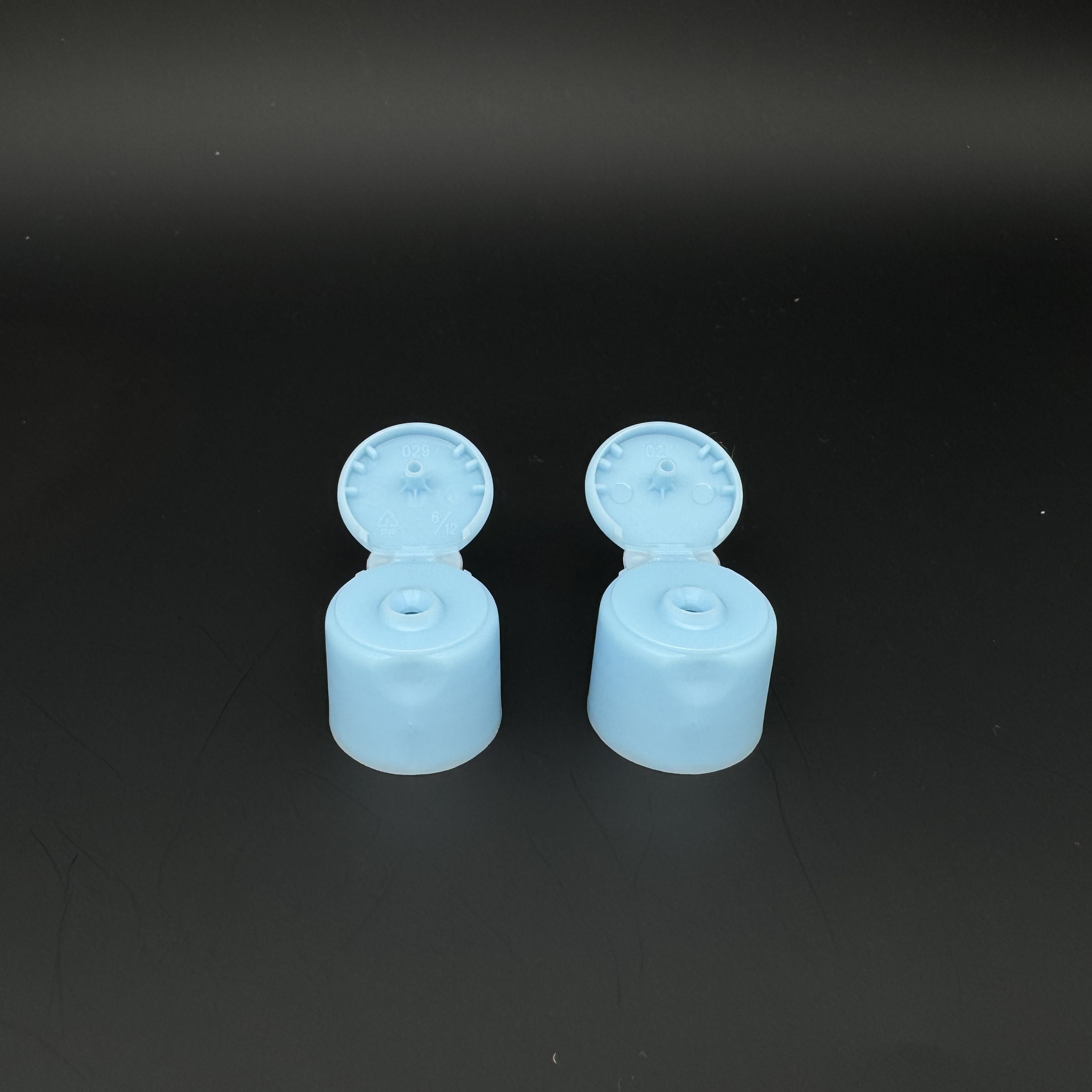
Made of durable PP, frosted flip-top screw cap for lotion, cream and sunscreen, leakproof and stylish.
See Details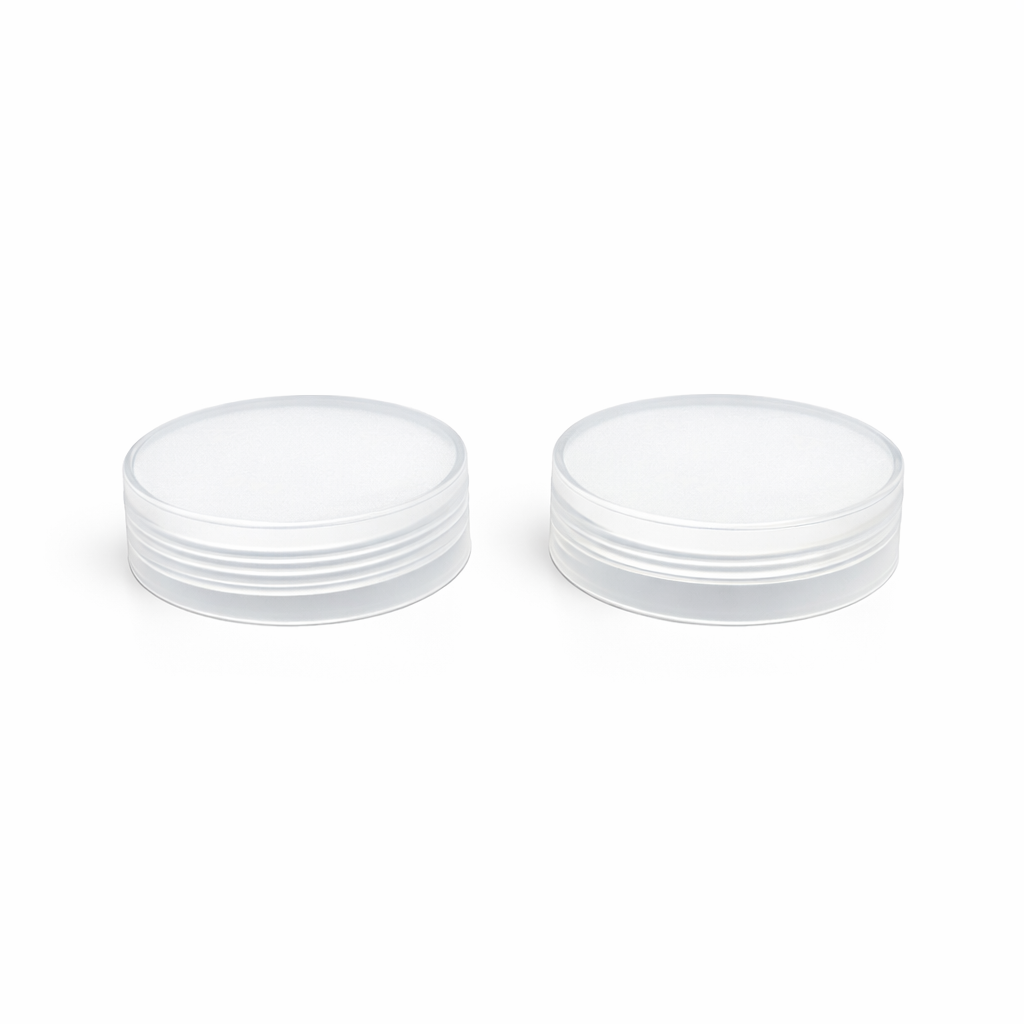
Glossy plastic screw caps with liner, perfect for face cream and hand cream, leakproof and durable.
See Details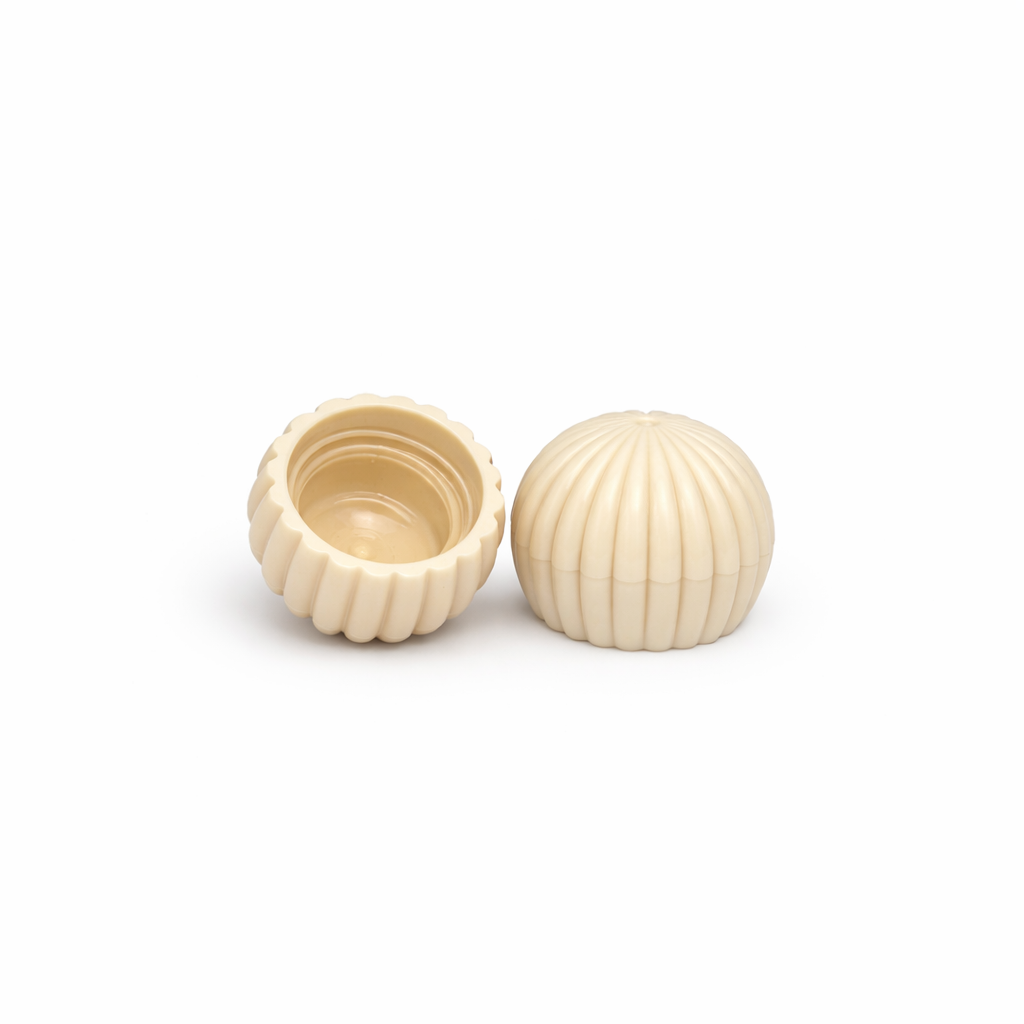
These PP spherical caps come in customizable colors, ideal for laundry liquid and cosmetic lotion, with great sealing.
See DetailsAddress: Building 36, Shanbai Villa, Qiandao Lake Town, Chun'an County, Hangzhou City, Zhejiang Province
TEL: +86 15988456592
Email:iris@happy-packaging.com


