20/410Plastic Double-layer Cap Makeup Water Bottle Cap Cosmetics Lotion Cap HPPC001
These double-layer plastic caps are perfect for toner and lotion bottles, safe, leakproof and durable.
See Details

 Web Menu
 Product Search
 Exit Menu
PCR Cosmetic Packaging: What Skincare Brands Should Know Before Sourcing
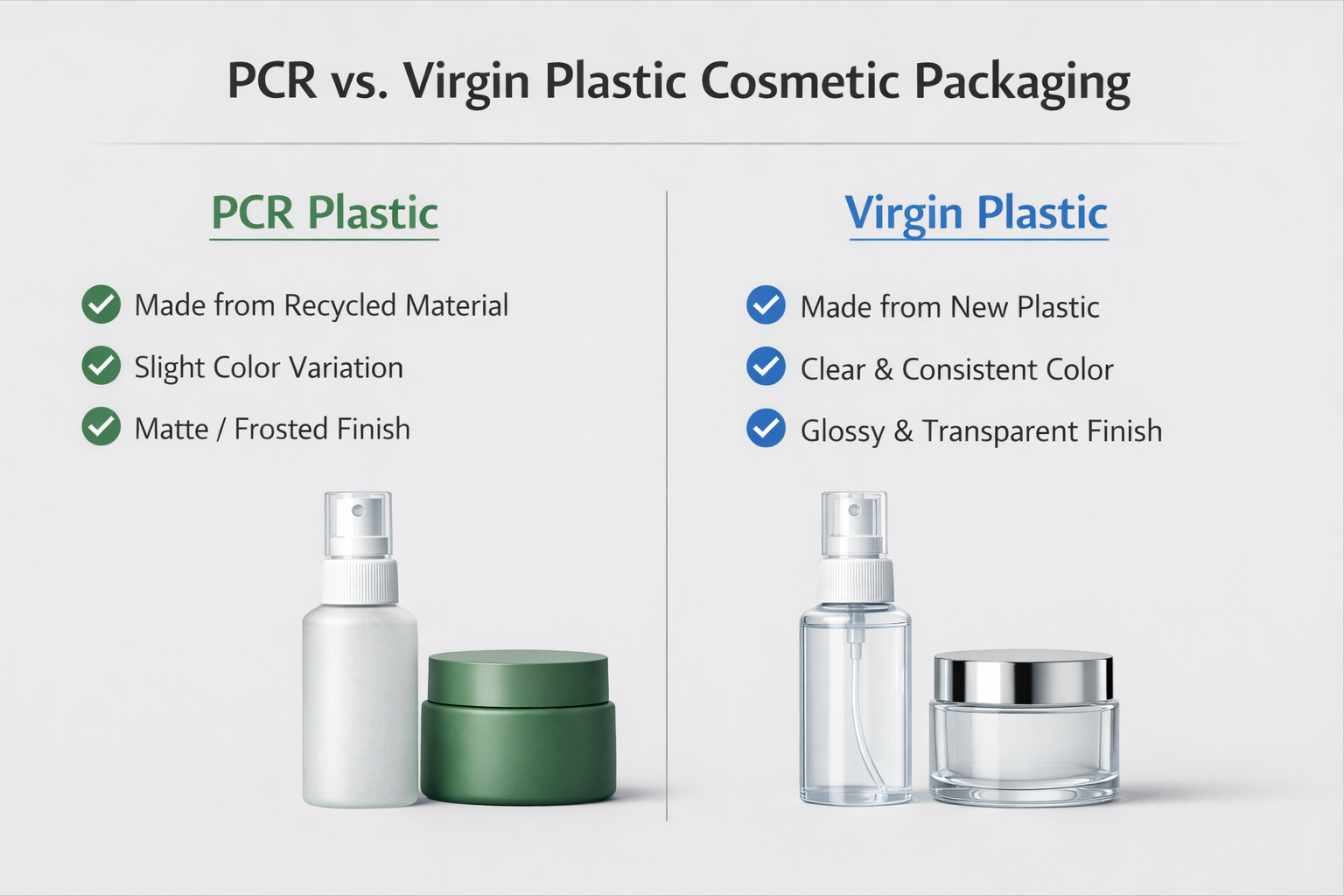
As sustainability becomes a more important part of product development, many skincare brands are actively exploring packaging materials with lower environmental impact.
Among the most widely discussed options, PCR cosmetic packaging has become increasingly relevant for brands targeting the US and EU markets. For many skincare businesses, PCR packaging is no longer just a branding feature — it is becoming part of long-term packaging strategy.
However, from a manufacturing and sourcing perspective, PCR packaging is not simply a “greener version” of standard plastic packaging. Material appearance, production consistency, decoration compatibility, and supply stability all need to be evaluated carefully before launch.
For brands planning new skincare packaging or reviewing their current packaging strategy, understanding the practical side of PCR materials is essential.
PCR stands for post-consumer recycled material. In cosmetic packaging, this usually refers to plastic resins such as PCR PET or PCR PP that are produced from recycled consumer waste rather than entirely virgin plastic.
In skincare packaging, PCR materials are commonly used for:
toner bottles
facial mist bottles
lotion bottles
cream jars
airless packaging components
caps and closures
Compared with standard virgin plastic, PCR packaging helps reduce the use of newly produced raw plastic and supports broader sustainability goals.
For many beauty and skincare brands, PCR packaging also provides a more visible and marketable sustainability story, especially when sustainability is already part of the brand identity.
The shift toward sustainable skincare packaging is being driven by both market expectations and long-term brand strategy.
In recent years, more skincare brands have started evaluating packaging not only by cost and appearance, but also by environmental impact. This is particularly relevant in the EU market, where recyclable packaging, reduced virgin plastic usage, and more transparent sustainability claims are becoming increasingly important.
From a brand perspective, PCR packaging can support:
stronger sustainability positioning
improved alignment with eco-conscious consumers
reduced reliance on virgin plastic
better compatibility with long-term ESG or packaging goals
For skincare brands in premium or clean beauty segments, packaging materials are often closely tied to brand credibility. In many cases, sustainable packaging decisions influence not only compliance planning, but also how the brand is perceived by retailers and end users.
From a sourcing and product development perspective, PCR packaging offers several practical benefits when used appropriately.
The most direct advantage of PCR material is that it reduces the amount of newly produced plastic required for each packaging component. Depending on the design and structure, brands may choose 30%, 50%, or even 100% PCR content, depending on appearance requirements and production feasibility.
For many skincare brands, packaging is part of the product narrative. Using PCR packaging helps communicate environmental responsibility more clearly, especially when supported by well-designed labels, material disclosures, and consistent brand messaging.
PCR materials can be used in a wide range of packaging types, including:
spray bottles
lotion bottles
jars
refillable components
selected airless packaging systems
This makes PCR a flexible option for brands that want to improve sustainability without completely redesigning their packaging line.
This is where many packaging decisions become more realistic.
Although PCR packaging offers clear sustainability benefits, it also comes with limitations that skincare brands should evaluate early in the sourcing process.
Compared with virgin plastic, PCR materials can show more variation in:
color tone
transparency
surface smoothness
finish consistency
This is especially important for brands expecting a highly uniform, luxury-style visual result.
While high PCR percentages may sound attractive from a sustainability standpoint, they do not always produce the best packaging appearance.
For example:
clear packaging may appear less visually clean
bright white or very light colors may be harder to control
surface finish may feel slightly less refined
For this reason, many skincare brands choose a more balanced PCR ratio rather than pushing for the highest possible recycled content.
Printing, hot stamping, frosting, and other surface decoration methods may behave differently on PCR materials compared with standard virgin plastic.
Before bulk production, it is important to confirm:
print adhesion
color consistency
finish quality
decoration durability
This is especially relevant for brands that rely on premium branding details to support price positioning.
Yes — but only when the packaging design is matched correctly to the material.
A common misconception is that eco-friendly cosmetic packaging automatically looks less premium. In practice, premium skincare brands can absolutely use PCR packaging successfully, but the packaging design needs to be developed with material characteristics in mind.
From our experience, PCR packaging works especially well when combined with:
matte finishes
frosted bottle surfaces
soft natural color palettes
opaque or semi-opaque bottle designs
minimalist branding approaches
These styles tend to work better with PCR material characteristics than highly glossy, ultra-transparent, or extremely bright luxury packaging concepts.
In other words, the most effective PCR packaging projects are not simply “sustainable versions” of conventional designs — they are packaging systems designed with both sustainability and visual outcome in mind.
Before placing an order, it is important to evaluate PCR packaging as both a sustainability decision and a production decision.
Here are the main points skincare brands should confirm with a supplier:
Ask whether the packaging uses 30%, 50%, or higher PCR content, and whether that percentage applies to the full bottle or only selected components.
Confirm whether the packaging is based on:
PCR PET
PCR PP
or another recyclable plastic structure
Different materials affect appearance, recyclability, and application suitability.
If your brand requires a highly controlled appearance, ask the supplier about acceptable variation in:
color
transparency
finish
surface texture
If you need silk screen printing, hot stamping, labeling, or frosting, these should be tested on actual production samples rather than assumed.
PCR packaging projects may require different production planning compared with standard stock packaging, especially when involving custom colors or customized components.
Always request samples before mass production to confirm:
appearance
component fit
spray or pump performance
decoration quality
sealing stability
This step is especially important for export-oriented skincare brands.
For many skincare brands, packaging decisions are no longer based on cost and function alone.
Packaging now influences:
perceived product quality
brand trust
sustainability positioning
retail readiness
customer experience
This is why PCR cosmetic packaging is becoming more relevant across both emerging and established skincare brands.
Used correctly, PCR packaging can help brands align with evolving market expectations without sacrificing performance or visual consistency. But successful implementation depends on choosing the right material structure, realistic design direction, and a supplier that understands both sustainability and production requirements.
At Happy Packaging, we support skincare brands with custom PCR cosmetic packaging solutions designed for both branding and manufacturing practicality.
We can support projects involving:
PCR PET and PCR PP packaging
custom bottle development
frosted and matte finishes
spray bottles and skincare bottle components
sampling and bulk production support
Whether you are exploring PCR packaging for a new launch or upgrading an existing product line, choosing the right packaging structure early can help reduce risk and improve long-term packaging performance.
Looking for a reliable PCR cosmetic packaging supplier?
Send us your required bottle style, capacity, decoration needs, and target quantity. Our team can help you evaluate suitable PCR packaging options for your skincare brand.
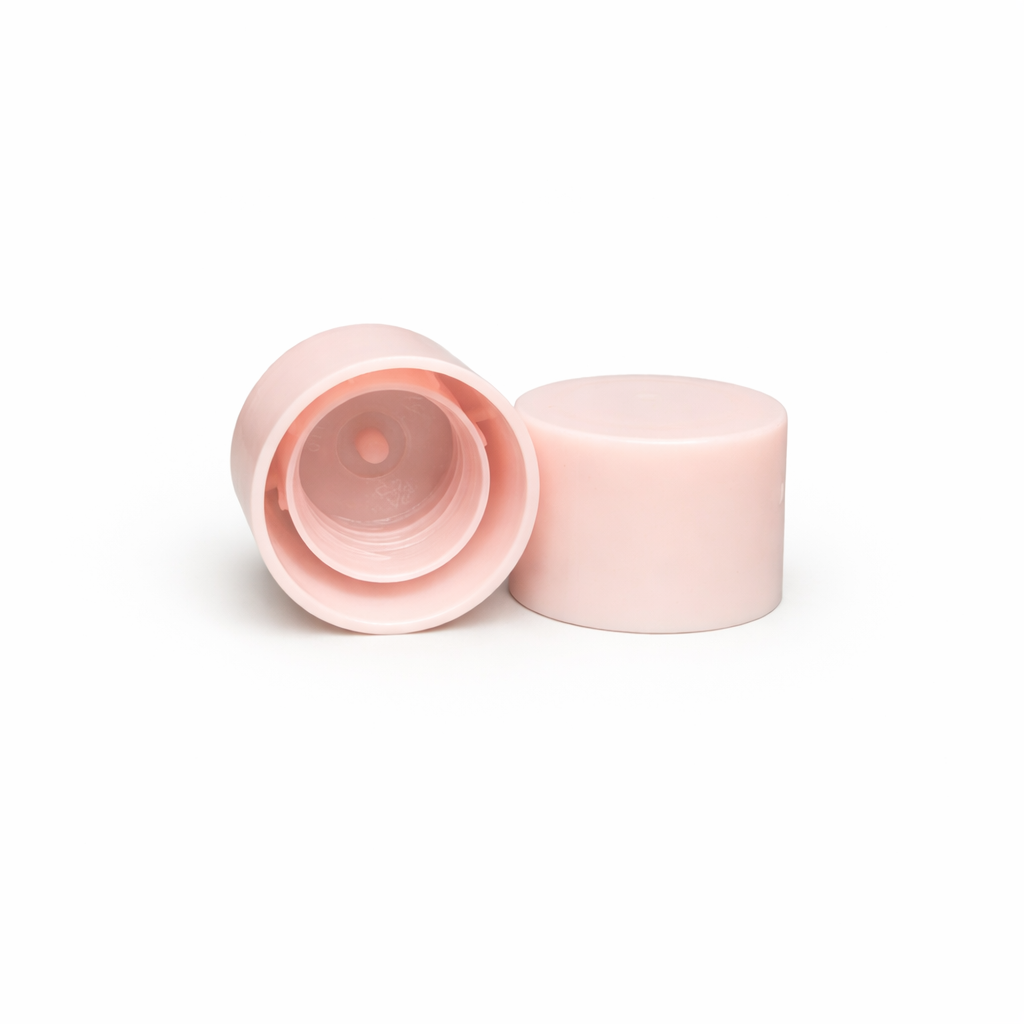
These double-layer plastic caps are perfect for toner and lotion bottles, safe, leakproof and durable.
See Details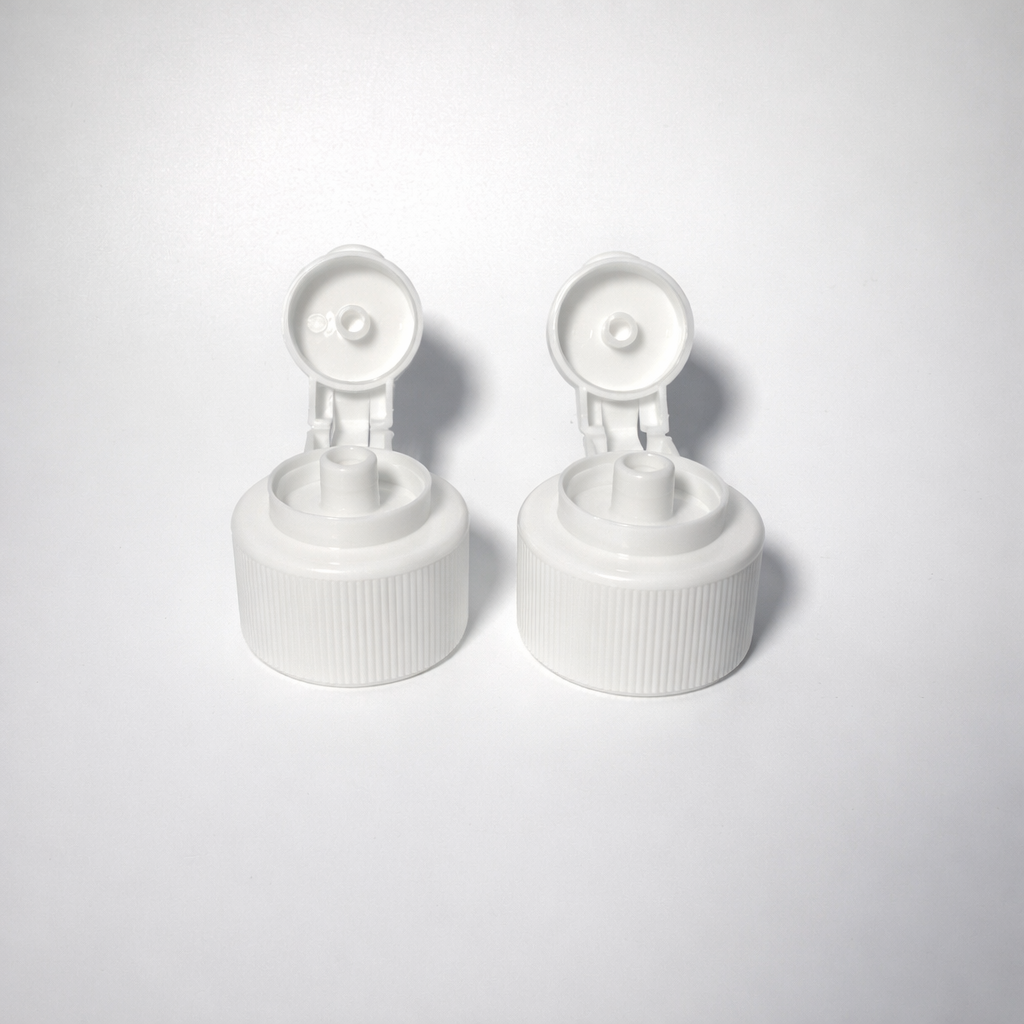
These plastic caps are available in flip and screw-on styles, with customizable colors, suitable for dish soap and shower gel.
See Details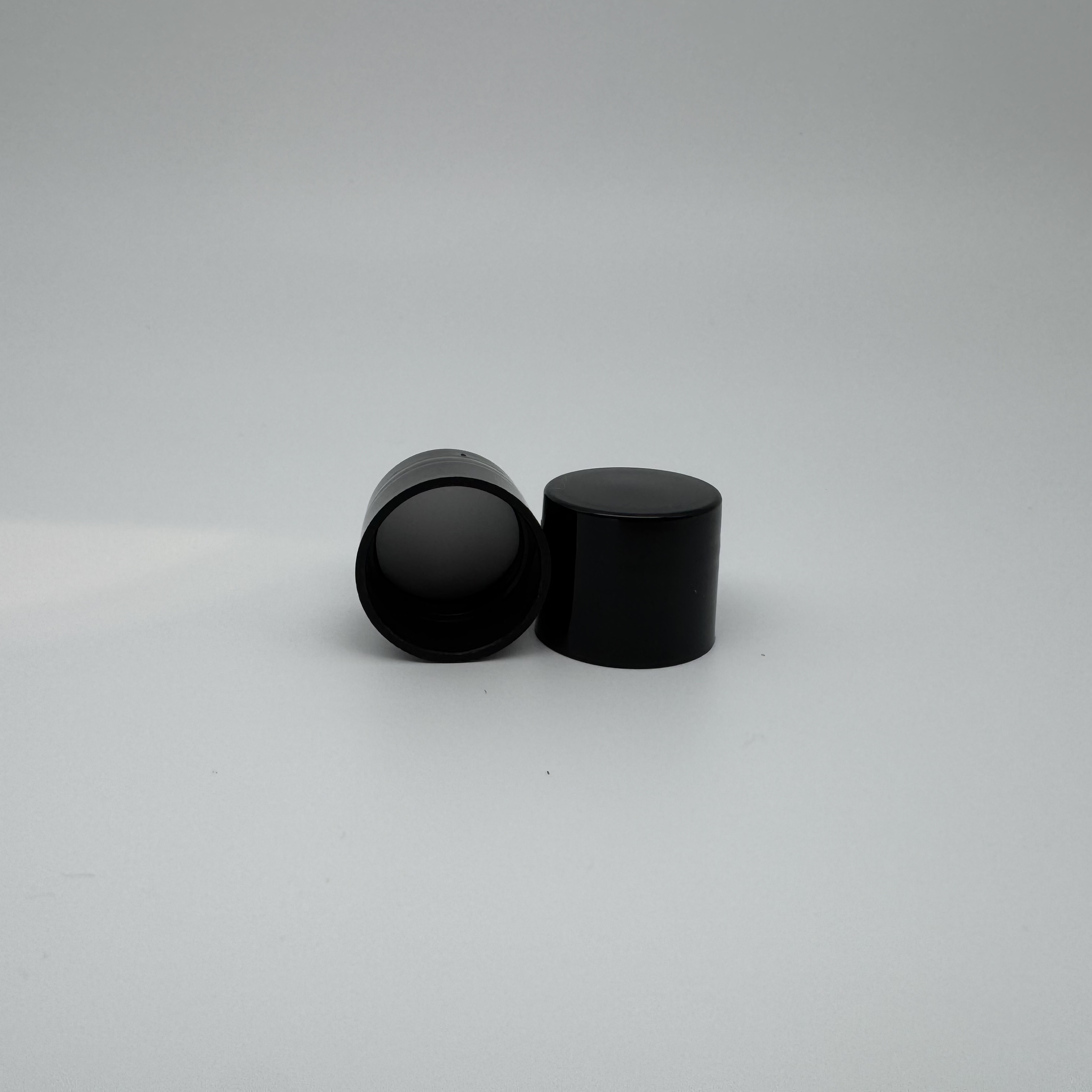
These PP screw caps come with a liner, glossy finish, ideal for lotion and cosmetics, leakproof and durable.
See Details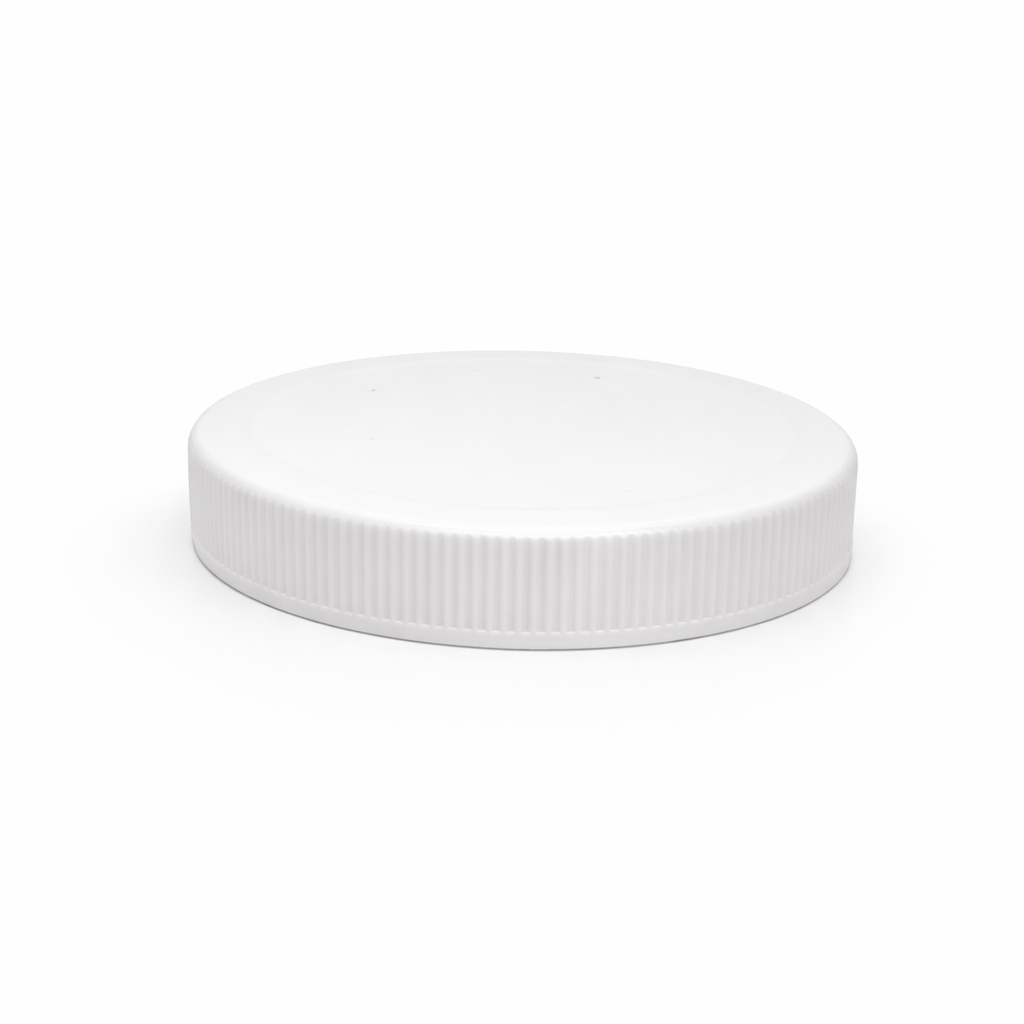
These plastic lids fit wide-mouth cream jars, with good sealing and stable screw design.
See Details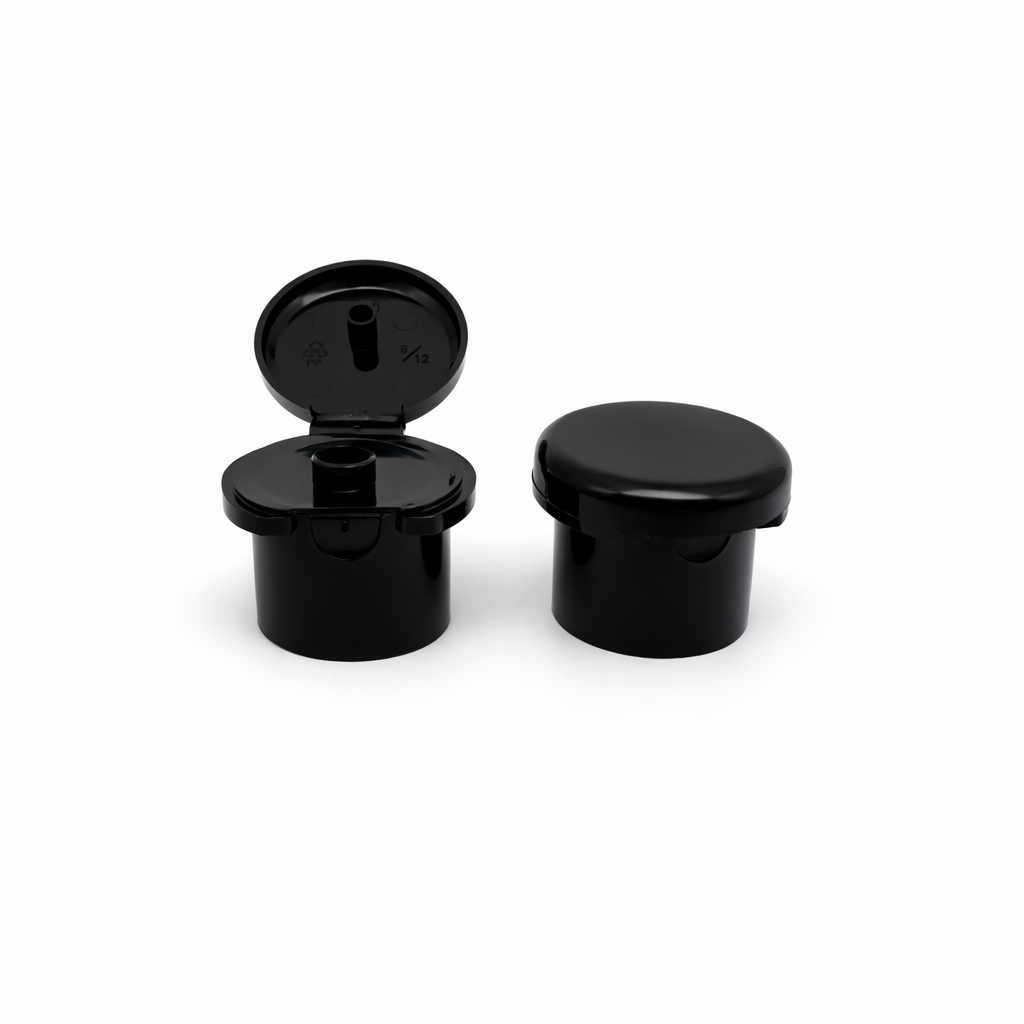
These flip-top screw caps are made of PP, ideal for shampoo and body wash, sturdy and leakproof.
See Details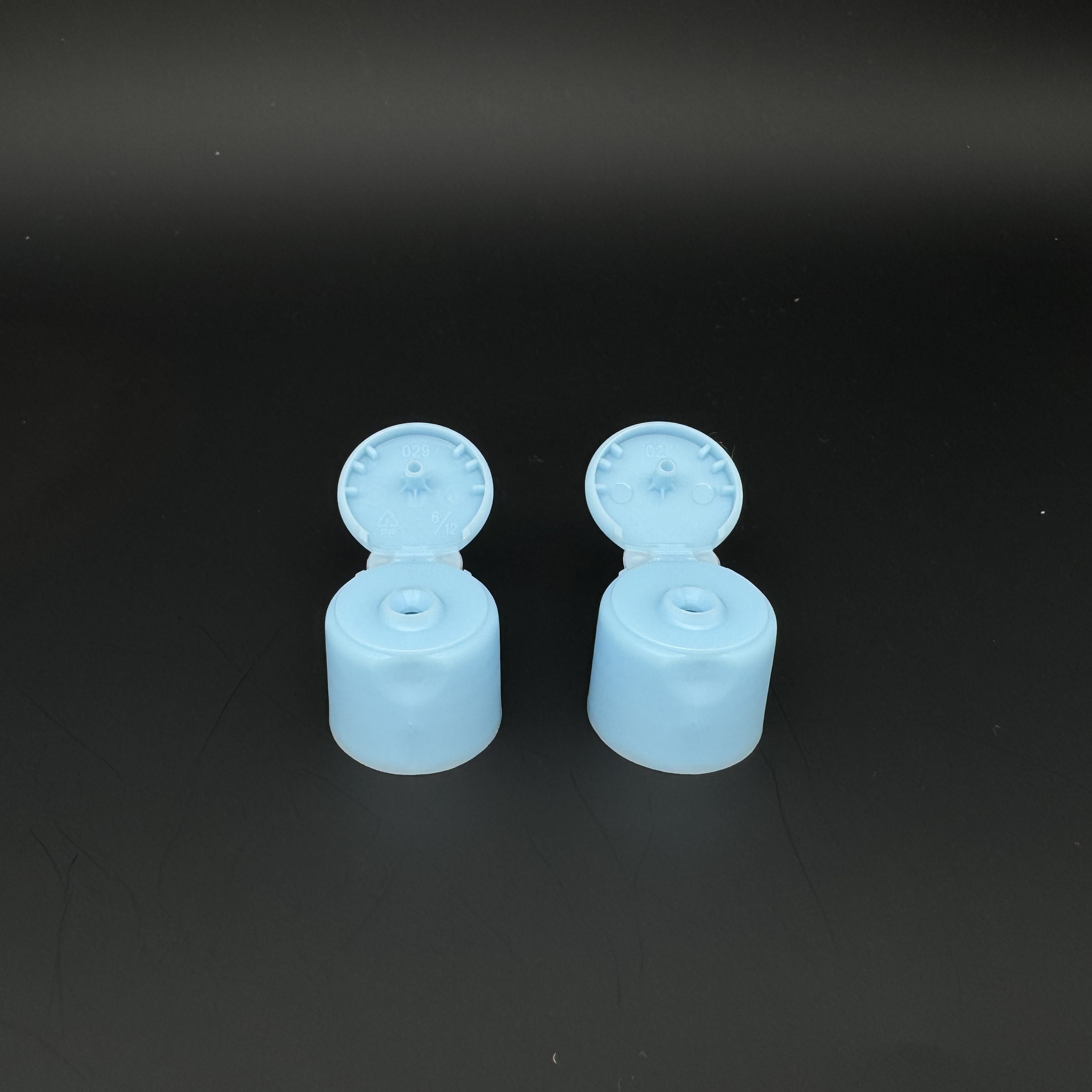
Made of durable PP, frosted flip-top screw cap for lotion, cream and sunscreen, leakproof and stylish.
See Details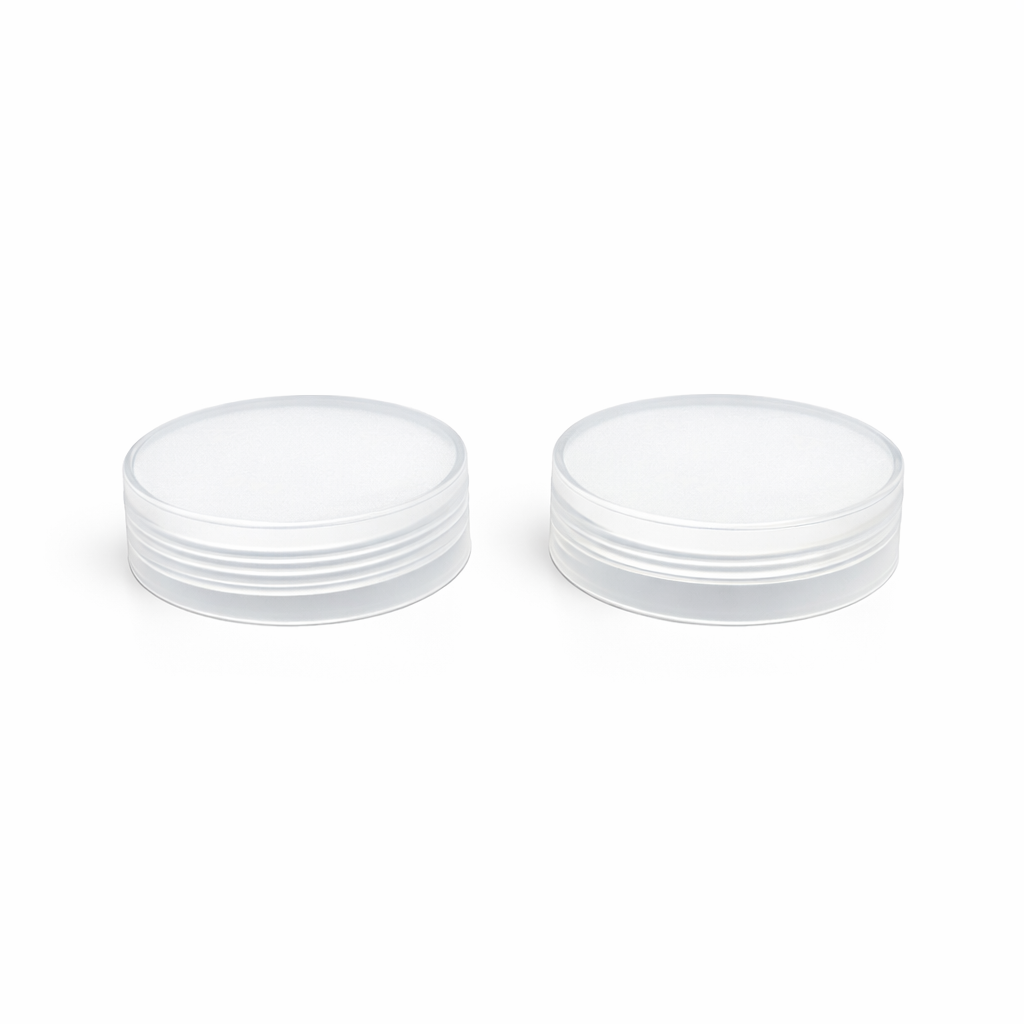
Glossy plastic screw caps with liner, perfect for face cream and hand cream, leakproof and durable.
See Details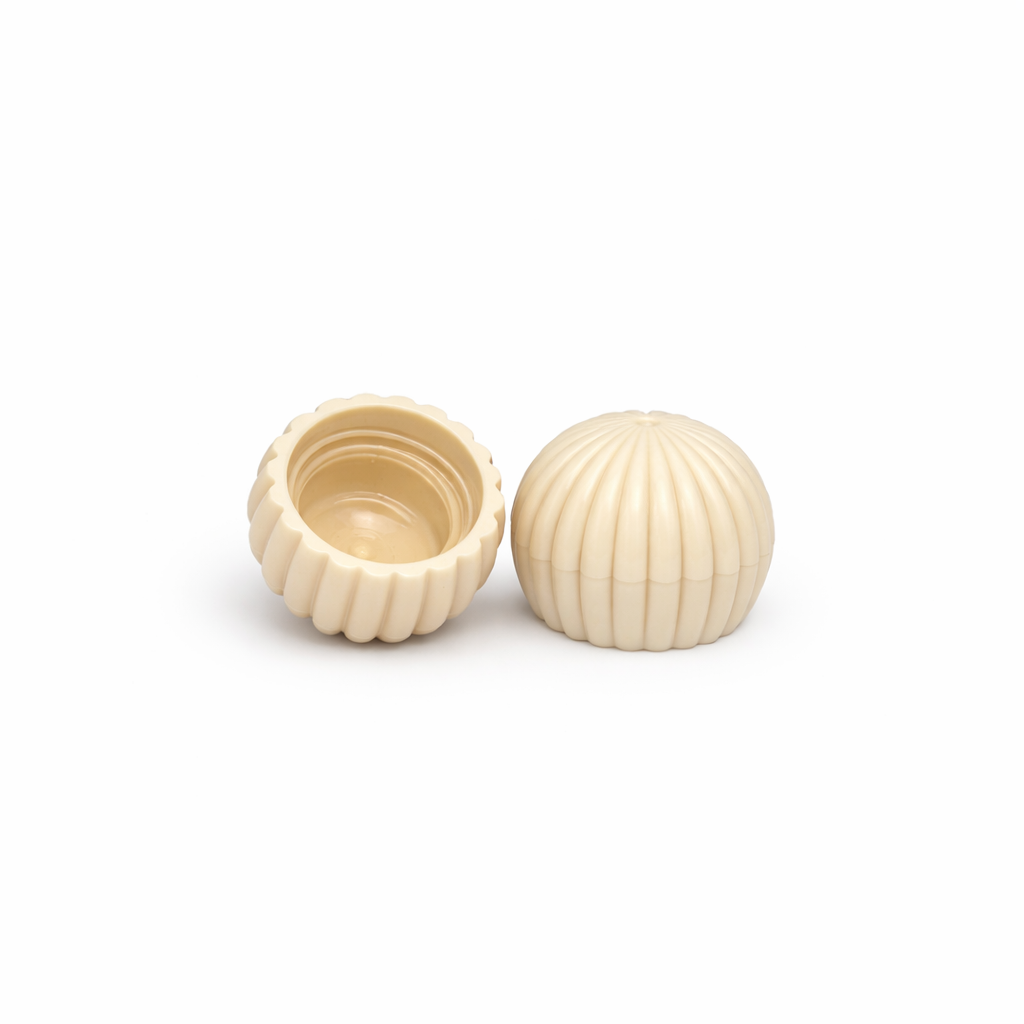
These PP spherical caps come in customizable colors, ideal for laundry liquid and cosmetic lotion, with great sealing.
See DetailsAddress: Building 36, Shanbai Villa, Qiandao Lake Town, Chun'an County, Hangzhou City, Zhejiang Province
TEL: +86 15988456592
Email:iris@happy-packaging.com


