20/410Plastic Double-layer Cap Makeup Water Bottle Cap Cosmetics Lotion Cap HPPC001
These double-layer plastic caps are perfect for toner and lotion bottles, safe, leakproof and durable.
See Details

 Web Menu
 Product Search
 Exit Menu
How to Choose the Right Cosmetic Packaging Manufacturer for Your Skincare Brand
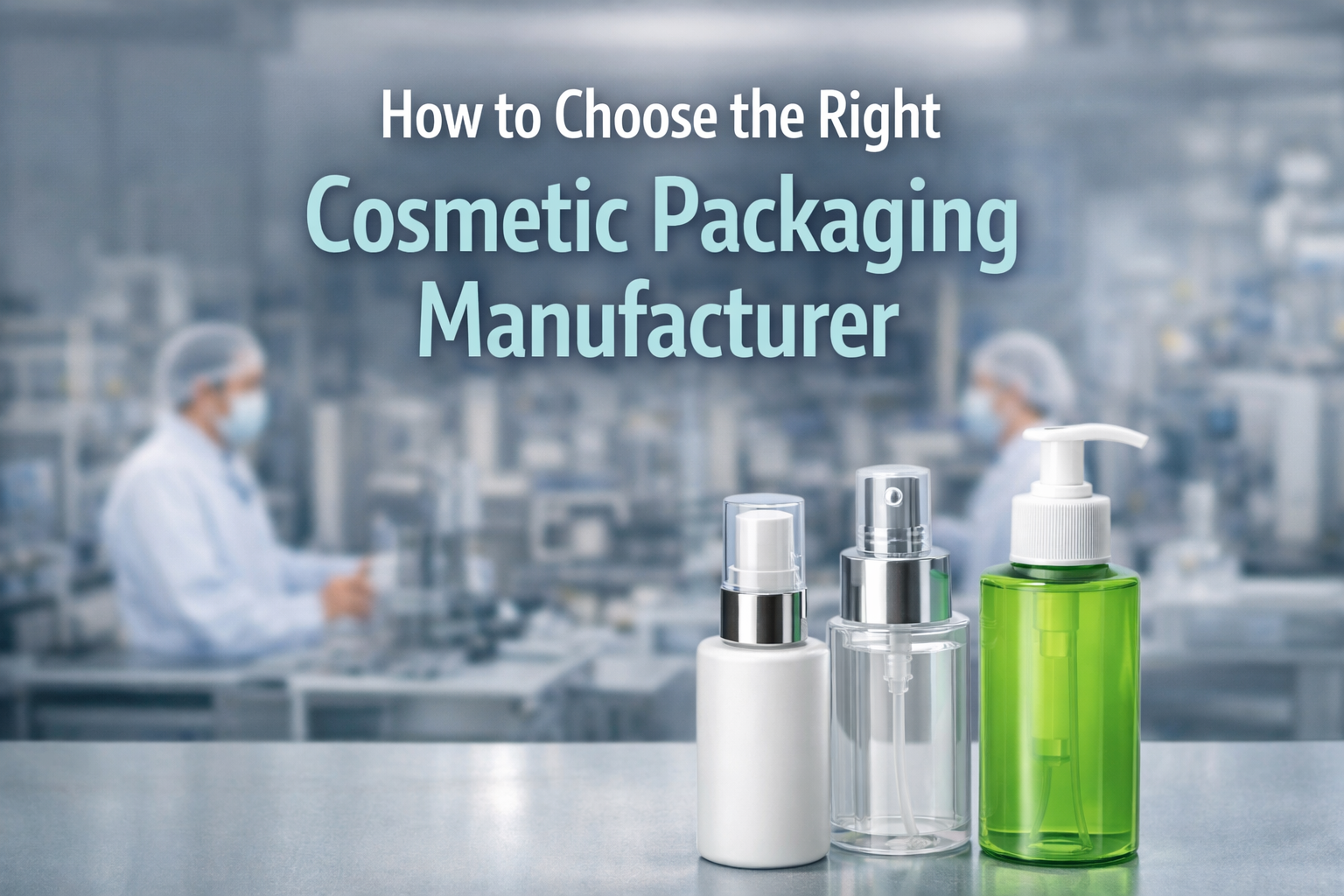
Choosing a cosmetic packaging manufacturer is not just about finding a factory that can produce bottles or jars. For skincare brands, packaging affects product compatibility, leakage risk, customer experience, visual branding, and long-term supply stability.
Whether you are launching a new skincare line or upgrading your current packaging, selecting the right supplier can save time, reduce quality issues, and make your product more competitive in the market.
In this guide, we will explain what skincare brands should look for when choosing a cosmetic packaging manufacturer, what common mistakes to avoid, and how to find a packaging partner that supports both branding and production needs.
For skincare brands, packaging is not just an outer shell. It directly influences how the product performs and how customers perceive the brand.
A poorly matched supplier can lead to:
leakage during shipping
pump or spray malfunction
color inconsistency between production batches
decoration defects such as scratches or poor print adhesion
long lead times that delay product launches
A reliable cosmetic packaging manufacturer should help reduce these risks while supporting your brand with stable quality, customization options, and efficient communication.
In many cases, packaging issues do not appear in the first sample. They show up later during filling, transportation, or after products reach end customers. That is why supplier selection should be based on both product appearance and production capability.
Before comparing suppliers, skincare brands should first clarify what type of packaging best fits the product.
Different formulas require different packaging structures and materials. Choosing the wrong packaging type can create compatibility issues, dispensing problems, or unnecessary costs.
Airless bottles are commonly used for serums, lotions, and active skincare formulas that benefit from reduced air exposure. They are often preferred for products containing antioxidants, anti-aging ingredients, or sensitive formulations.
Pump bottles are suitable for lotions, emulsions, hand creams, and liquid skincare products. They are practical for daily use and can support a wide range of viscosities depending on the pump system.
Spray bottles are often used for toner, facial mist, setting spray, and lightweight liquid products. The spray performance should be tested carefully to ensure fine and consistent output.
Cream jars are widely used for moisturizers, balms, masks, and thicker skincare products. Material, closure fit, and sealing performance are especially important for this category.
Closures are often overlooked, but they are critical to packaging performance. A bottle and cap may look compatible visually, but poor thread fit or weak sealing can create leakage issues later.
A good cosmetic packaging manufacturer should not only supply containers, but also help you match the right structure to your product use case.
One of the most important factors in skincare packaging is material selection.
Different cosmetic packaging manufacturers offer different material capabilities, and the right choice depends on your brand positioning, product formula, target market, and budget.
PET is widely used for cosmetic bottles because it is lightweight, transparent, durable, and cost-effective. It is often used for toner bottles, cleanser bottles, and other liquid skincare products.
PP is commonly used for caps, pumps, jars, and some bottles. It offers good chemical resistance and is often used in functional packaging components.
AS is often selected when brands want a clearer and more premium appearance than standard plastics. It is commonly used in skincare packaging that requires better shelf presentation.
Acrylic packaging is popular for luxury cosmetic and skincare packaging because of its high-end appearance. It is often used for cream jars and premium bottle designs.
PCR (post-consumer recycled) plastic is increasingly used by brands looking for more sustainable cosmetic packaging options. It can help reduce virgin plastic usage while supporting eco-conscious brand positioning.
When evaluating suppliers, skincare brands should ask not only what materials are available, but also whether the supplier has stable experience producing those materials at scale.
Many suppliers claim they offer custom cosmetic packaging, but in practice, customization levels can vary significantly.
A professional cosmetic packaging manufacturer should be able to support more than just stock bottle supply. For growing skincare brands, packaging often needs to reflect brand identity and retail positioning.
custom bottle or jar colors
Pantone color matching
silk screen printing
hot stamping
labeling compatibility
matte or glossy finishes
metallized or electroplated details
custom closure combinations
For skincare brands, decoration quality matters just as much as structure. A bottle may look good in a catalog, but if the print scratches easily or the finish varies between batches, the packaging will not perform well in real retail or e-commerce conditions.
If your product is positioned as premium skincare, minimalist beauty, or dermatologist-style packaging, visual consistency is especially important.
MOQ is one of the first questions most skincare brands ask, especially new brands and fast-growing indie labels.
However, MOQ should not be viewed only as a number. It should be evaluated together with mold availability, decoration complexity, and production setup.
MOQ is usually influenced by:
bottle type
material
custom color requirements
printing or decoration process
pump or cap combination
whether the packaging uses an existing mold or a new mold
For example, a standard stock bottle with a stock cap may support a lower MOQ, while a custom-colored bottle with silk screen printing and a special pump may require a higher quantity.
Before placing a bulk order, skincare brands should confirm:
whether samples are free or paid
whether decoration samples are available
how long sample production takes
whether samples are manually made or mass-production standard
A good cosmetic packaging manufacturer should have a clear and efficient sampling process. If the supplier cannot manage sampling well, bulk production usually becomes even harder to control.
This is where many skincare brands make expensive mistakes.
A cosmetic packaging supplier should not only produce visually attractive bottles or jars. The packaging must also perform reliably in filling, transportation, storage, and consumer use.
For bottles, jars, pumps, and sprays, sealing performance is essential. Packaging should be tested under realistic transport and storage conditions.
For skincare products, dispensing experience affects user satisfaction. Uneven spray patterns, inconsistent pump output, or poor priming can damage product perception.
Cap thread fit, inner plugs, and sealing components should be checked carefully. Even small mismatches can create leakage or usability issues.
Printed logos, hot stamping, and coatings should be tested for adhesion and scratch resistance.
Color, finish, and component fit should remain consistent across repeat orders.
A professional cosmetic packaging manufacturer should have internal quality control procedures and be able to explain how they inspect products before shipment.
For skincare brands, packaging delays can affect launch schedules, inventory planning, and customer delivery timelines.
That is why supplier selection should include more than just product quality. Production reliability matters just as much.
What is the lead time for stock items?
What is the lead time for custom color or decoration?
How long does sampling usually take?
Can the supplier support repeat orders consistently?
What happens during peak production seasons?
Many brands choose a supplier based on an attractive first quotation, only to run into problems later with delayed production or unstable delivery schedules.
A dependable cosmetic packaging manufacturer should be able to give realistic lead times and maintain supply continuity over time.
Sustainability is now a major consideration in cosmetic packaging, especially for skincare brands targeting the US and European markets.
But not every “eco-friendly” claim is equally meaningful. Brands should ask suppliers for practical, verifiable sustainability options rather than relying on generic marketing language.
PCR plastic packaging
refillable packaging structures
lightweight packaging design
recyclable mono-material solutions
reduced secondary packaging
simplified decoration for easier recycling
For some skincare brands, PCR bottles may be the best fit. For others, refillable systems or simplified packaging structures may make more commercial sense.
A good packaging manufacturer should help you evaluate sustainability based on product category, cost target, and branding strategy — not just trend language.
Choosing the wrong cosmetic packaging manufacturer often leads to avoidable issues that become expensive later.
Some of the most common problems include:
packaging that looks good in photos but performs poorly in real use
unstable component matching between bottles, pumps, and caps
poor communication during sampling and production
inconsistent decoration quality
limited flexibility for growing product lines
weak support for sustainable material requests
delays that affect product launch schedules
For skincare brands, packaging is too important to be sourced purely on the lowest unit price.
A lower quote can become much more expensive if it creates quality claims, customer complaints, or delayed shipments.
Before confirming your supplier, it is worth asking a few practical questions.
What materials are available for this packaging style?
Is this bottle or jar suitable for my formula category?
What decoration options are available?
What is the MOQ for custom color and printing?
How long does sampling take?
What leakage or functional testing do you perform?
Can you provide PCR or refillable options?
What is the lead time for mass production?
Can you supply matching caps, pumps, and accessories?
How do you manage repeat orders and batch consistency?
These questions help skincare brands avoid misunderstandings and compare suppliers more effectively.
Working with multiple packaging vendors can create unnecessary complexity.
When bottles, caps, pumps, and jars come from different suppliers, brands often face:
component compatibility issues
longer development cycles
more communication gaps
inconsistent quality standards
more difficult troubleshooting
That is why many skincare brands prefer working with a one-stop cosmetic packaging manufacturer that can support multiple packaging components under one project workflow.
This can make product development faster, simplify purchasing, and improve overall consistency.
The best cosmetic packaging manufacturer is not always the one with the lowest quotation. It is the one that can support your brand with the right combination of packaging knowledge, quality control, customization capability, and long-term production reliability.
For skincare brands, packaging affects much more than appearance. It influences product protection, user experience, sustainability positioning, and supply chain efficiency.
If you are evaluating cosmetic packaging suppliers, take the time to compare more than just price. Ask the right technical and commercial questions before moving into bulk production.
A strong packaging partner can help your skincare brand launch faster, look more professional, and scale more smoothly.
If you are sourcing cosmetic packaging for skincare, personal care, or beauty products, we can help you find the right packaging solution based on your product type, branding needs, and order volume.
We support:
cosmetic bottles and jars
pumps, sprayers, and caps
custom colors and decoration
PCR and sustainable packaging options
sampling before bulk production
Send us your product type, target volume, and packaging requirements, and our team can recommend the most suitable packaging solution for your project.
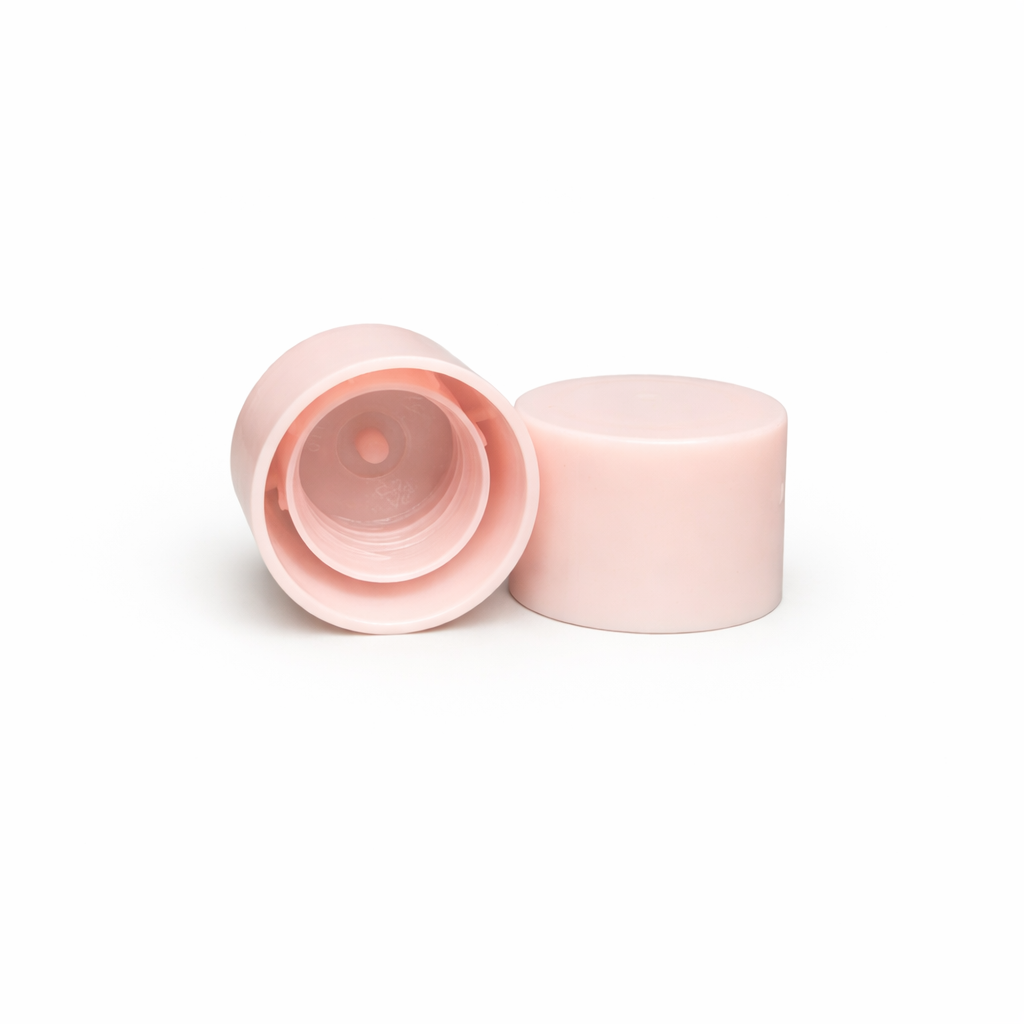
These double-layer plastic caps are perfect for toner and lotion bottles, safe, leakproof and durable.
See Details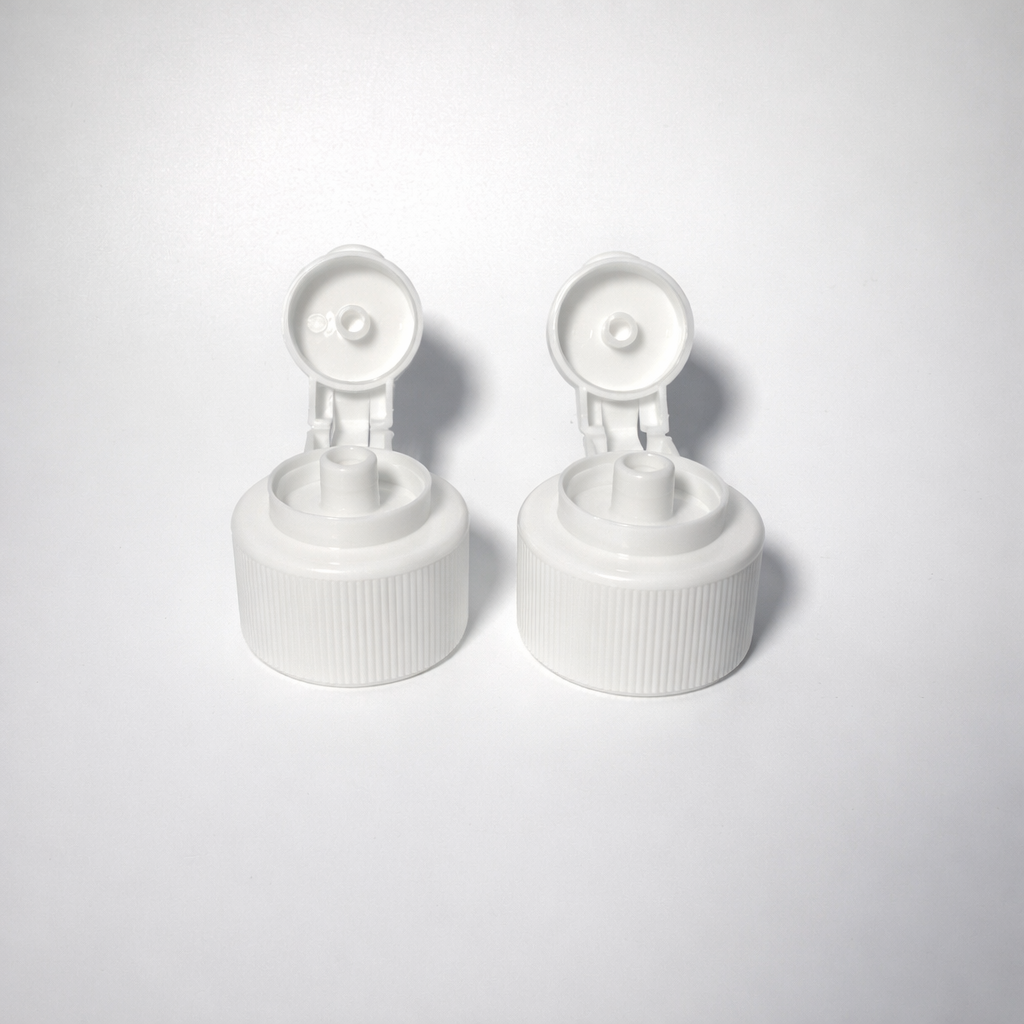
These plastic caps are available in flip and screw-on styles, with customizable colors, suitable for dish soap and shower gel.
See Details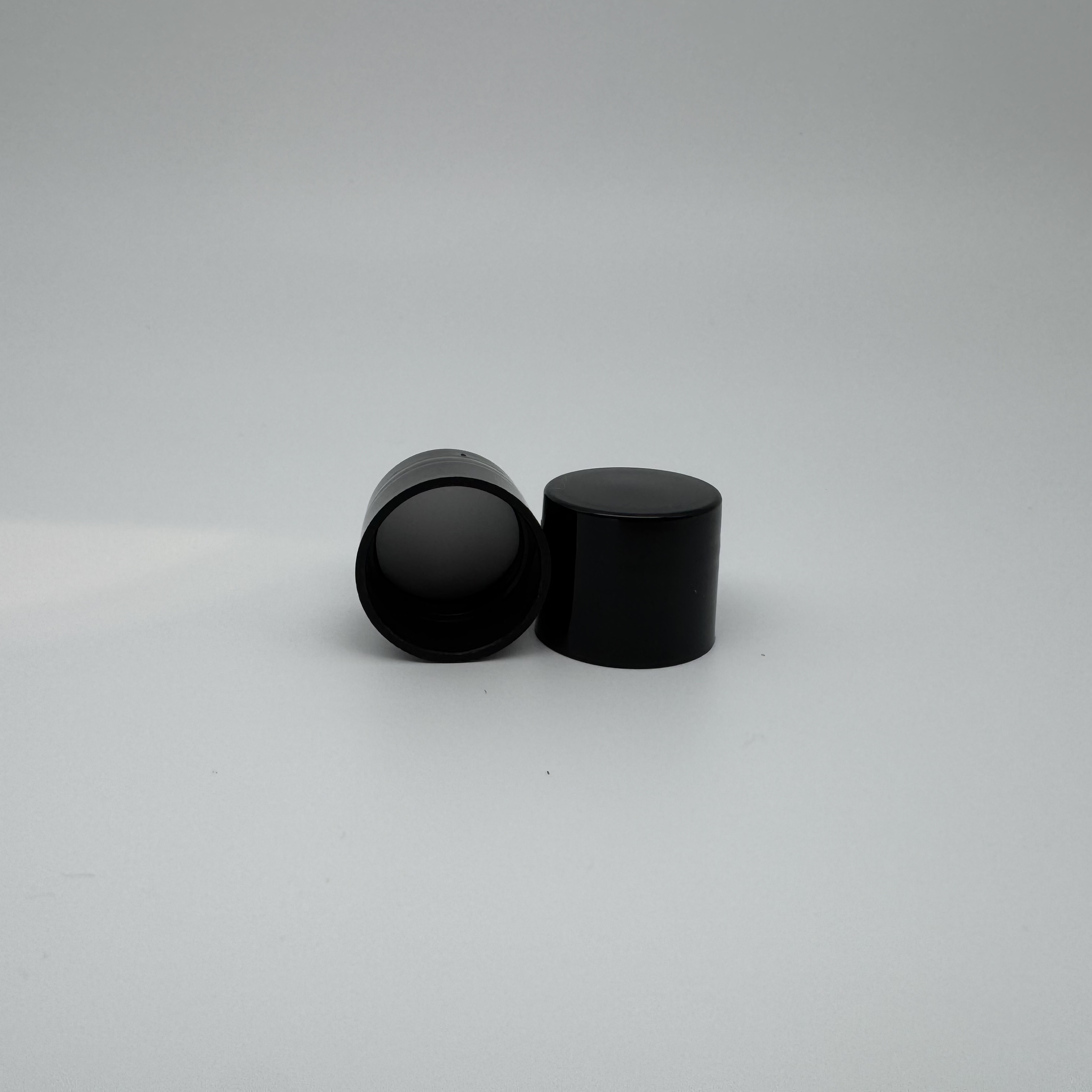
These PP screw caps come with a liner, glossy finish, ideal for lotion and cosmetics, leakproof and durable.
See Details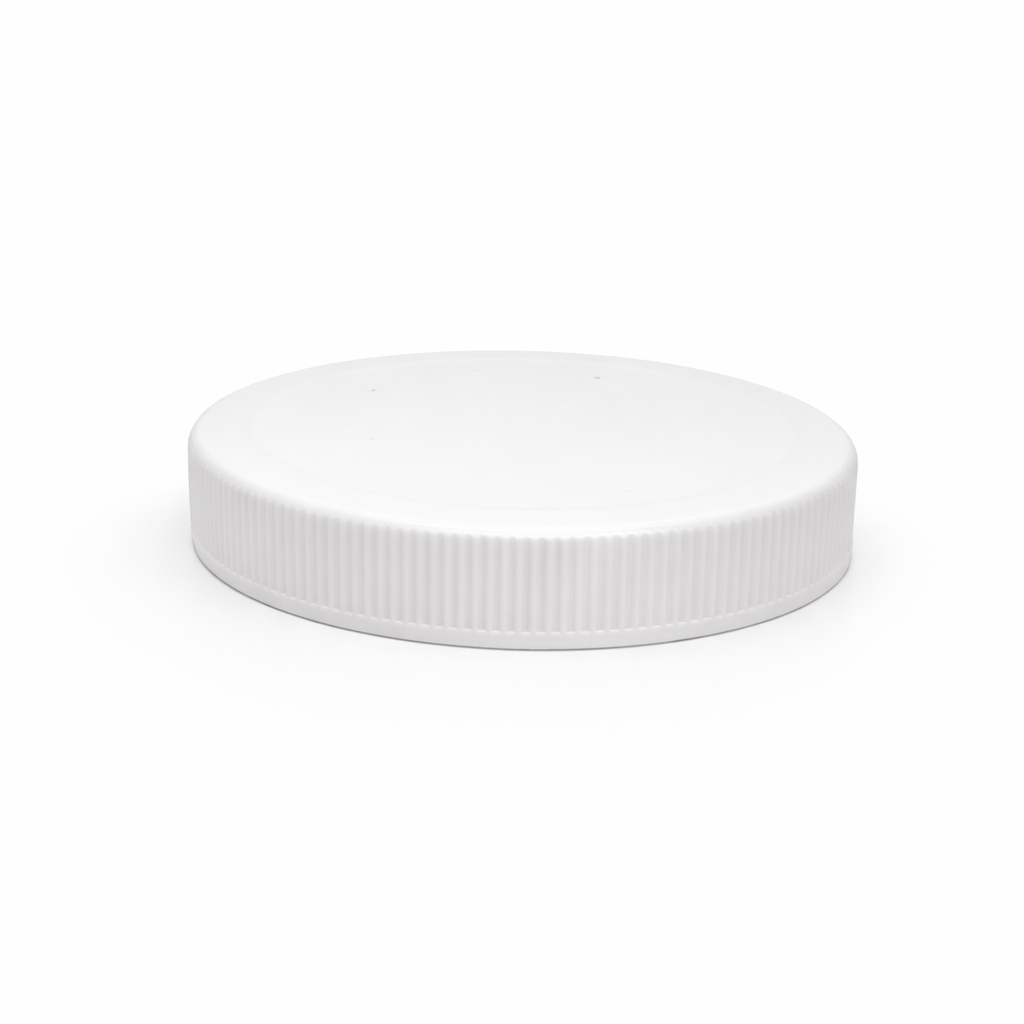
These plastic lids fit wide-mouth cream jars, with good sealing and stable screw design.
See Details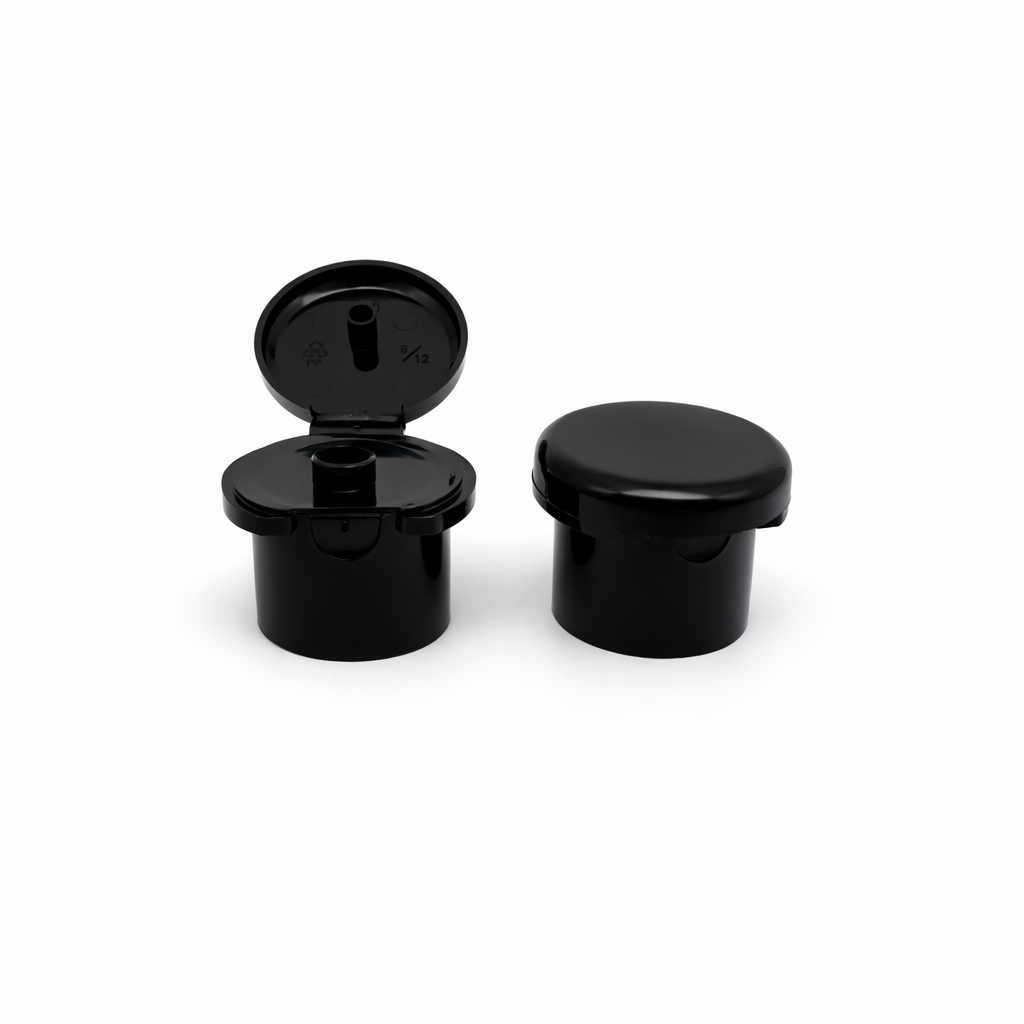
These flip-top screw caps are made of PP, ideal for shampoo and body wash, sturdy and leakproof.
See Details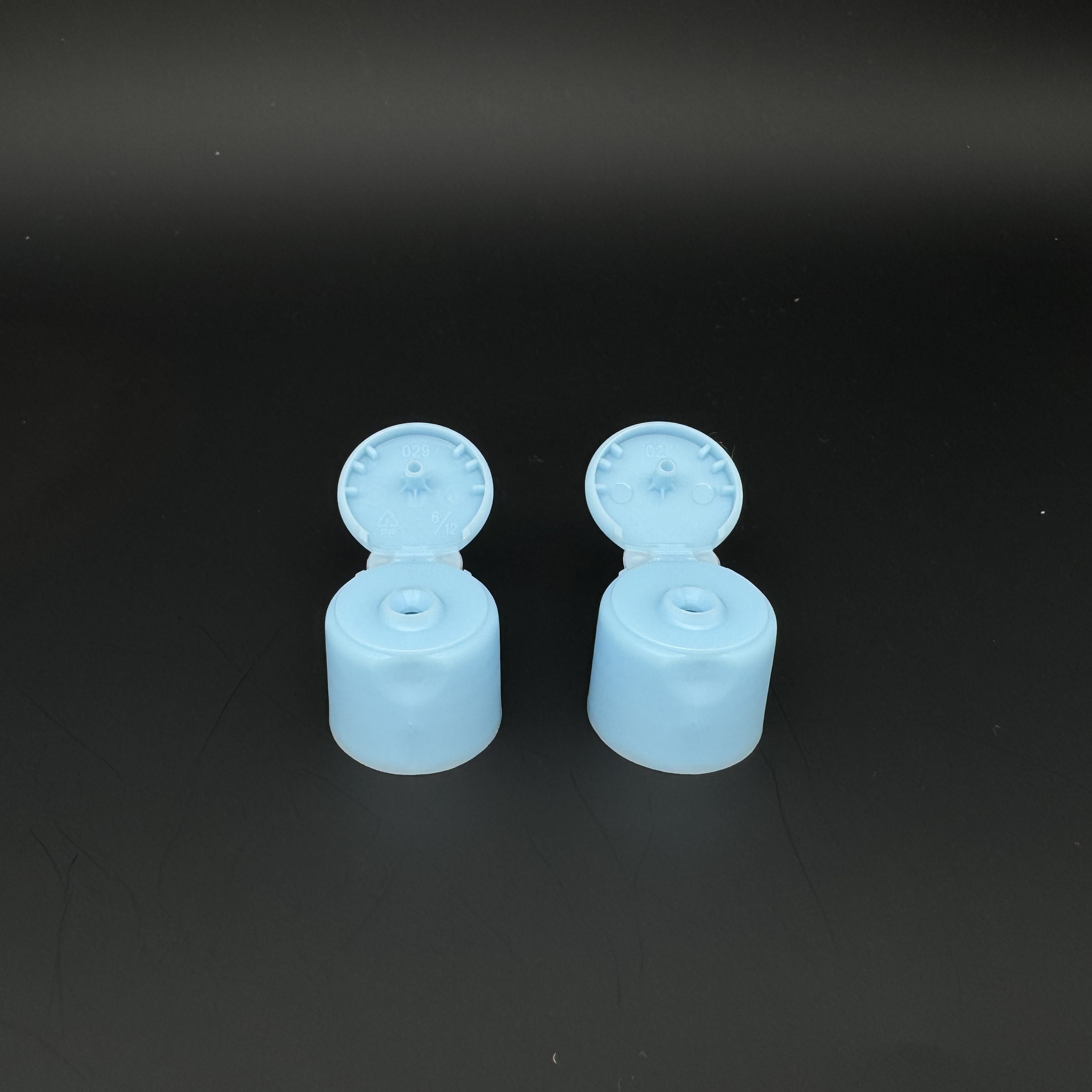
Made of durable PP, frosted flip-top screw cap for lotion, cream and sunscreen, leakproof and stylish.
See Details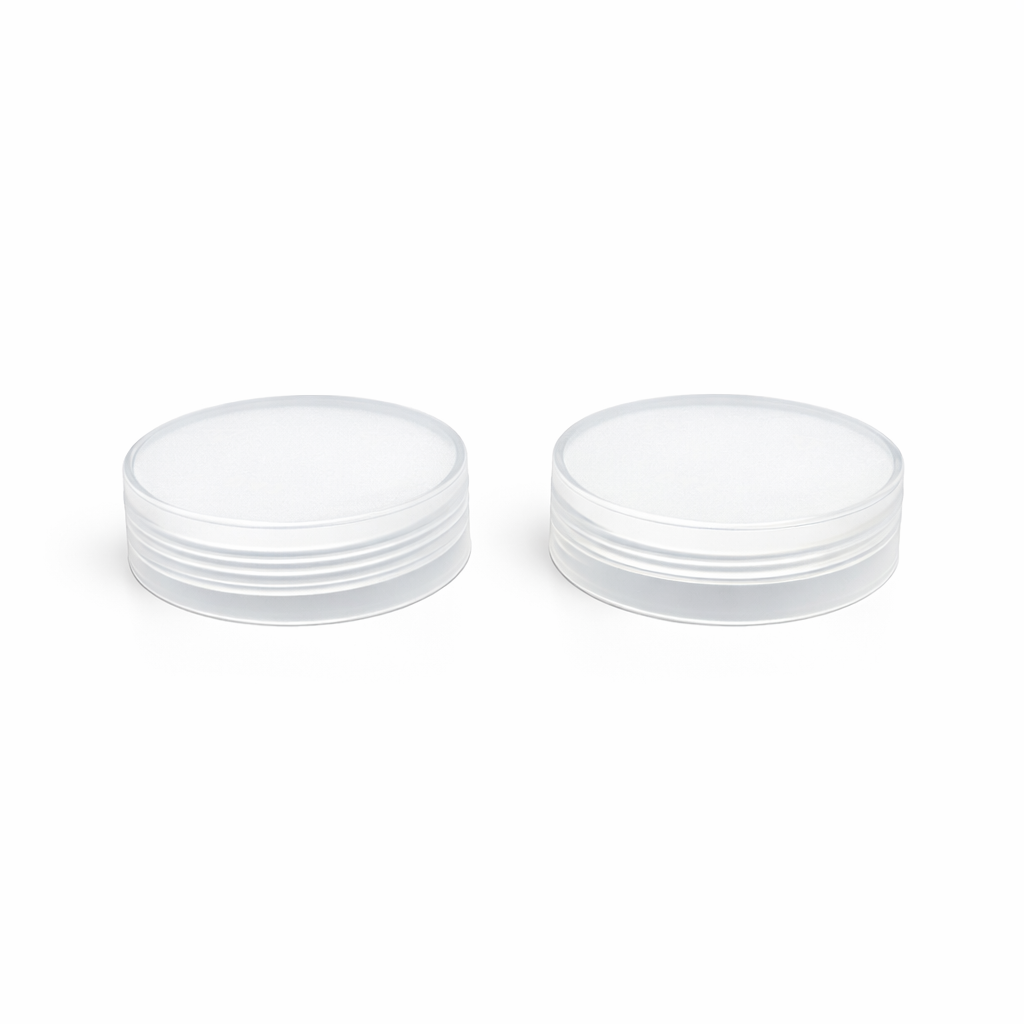
Glossy plastic screw caps with liner, perfect for face cream and hand cream, leakproof and durable.
See Details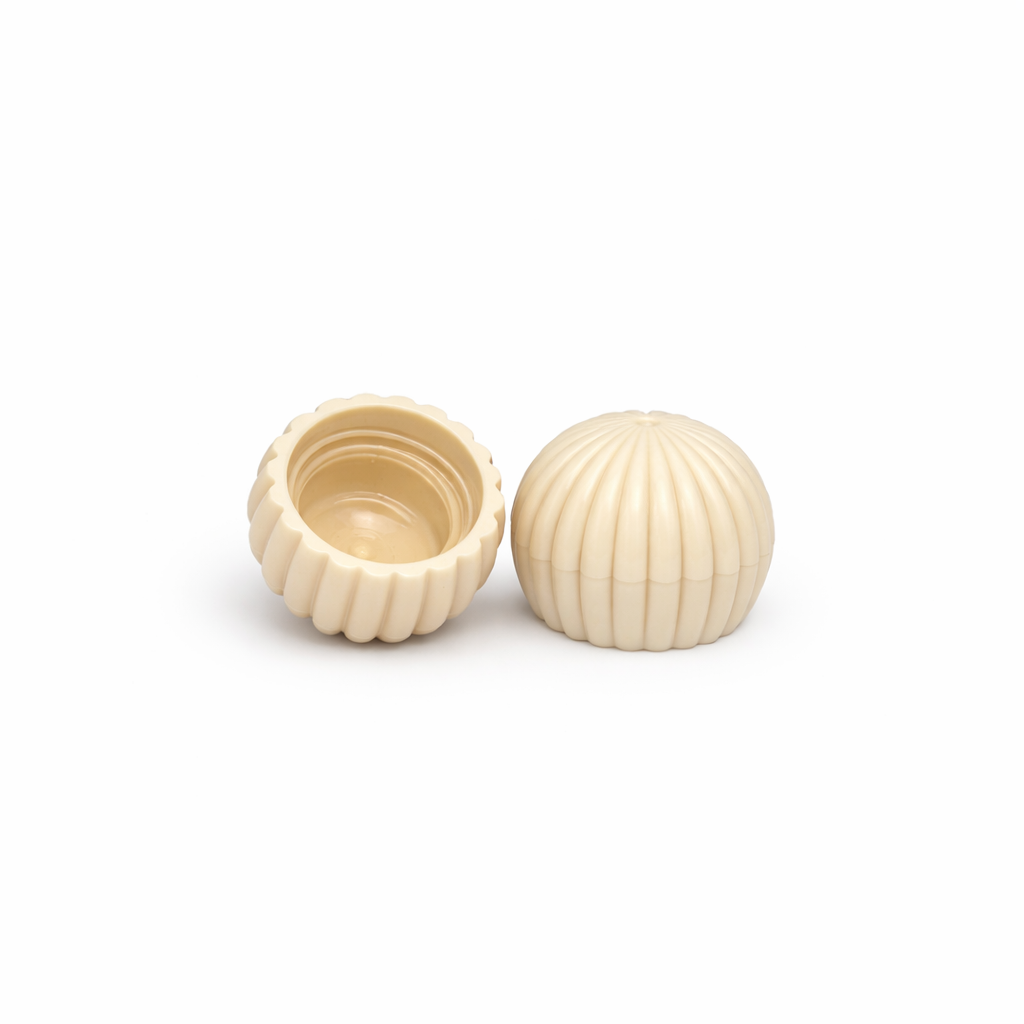
These PP spherical caps come in customizable colors, ideal for laundry liquid and cosmetic lotion, with great sealing.
See DetailsAddress: Building 36, Shanbai Villa, Qiandao Lake Town, Chun'an County, Hangzhou City, Zhejiang Province
TEL: +86 15988456592
Email:iris@happy-packaging.com


