20/410Plastic Double-layer Cap Makeup Water Bottle Cap Cosmetics Lotion Cap HPPC001
These double-layer plastic caps are perfect for toner and lotion bottles, safe, leakproof and durable.
See Details

 Web Menu
 Product Search
 Exit Menu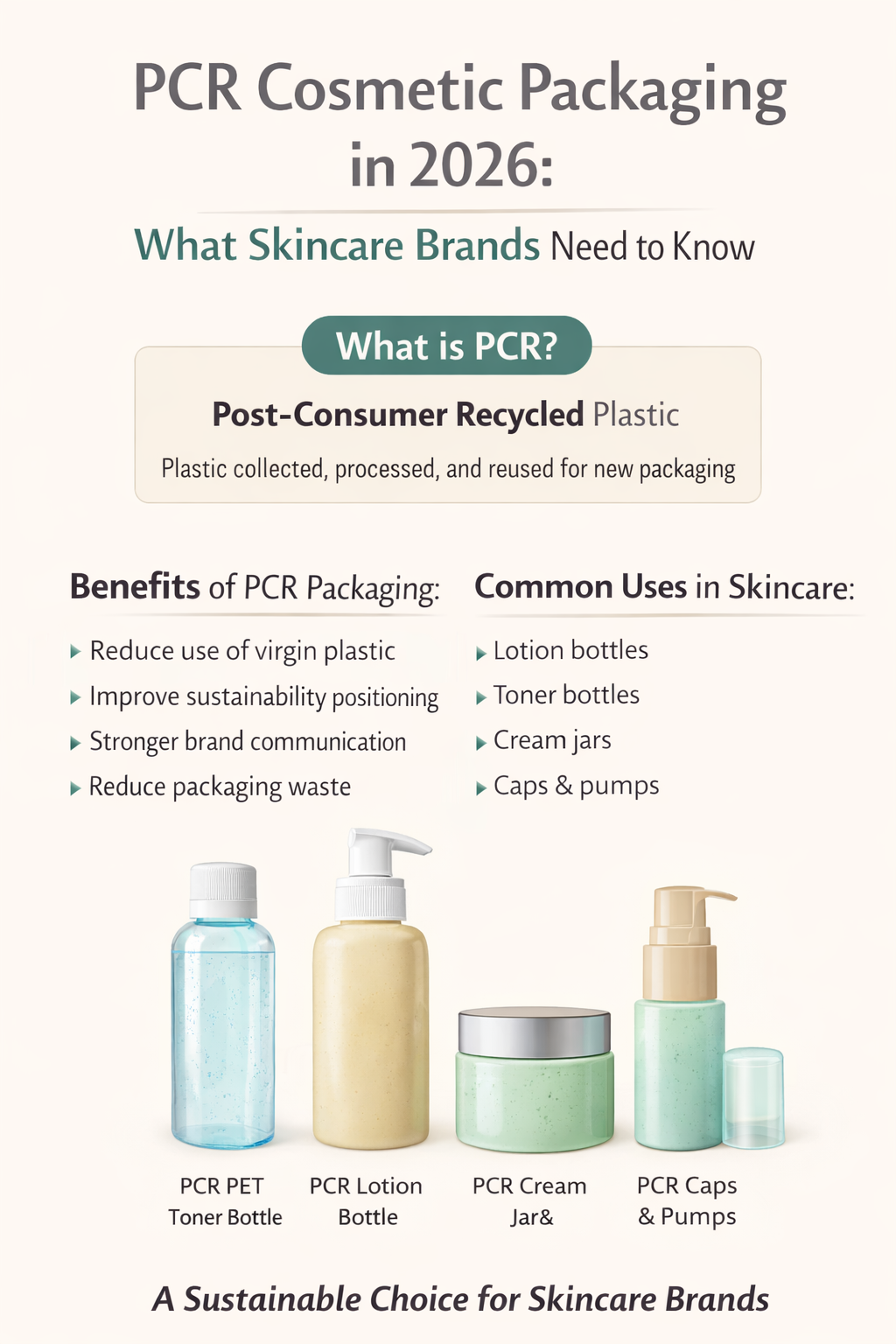
As sustainability expectations continue to rise in the beauty industry, more skincare brands are asking the same question:
Can packaging be more sustainable without sacrificing quality or appearance?
One of the most discussed answers in 2026 is PCR cosmetic packaging.
PCR stands for Post-Consumer Recycled material. In simple terms, it refers to plastic that has already been used, collected, processed, and turned into new packaging components.
For skincare brands, PCR packaging is becoming an important option when balancing sustainability, brand image, and packaging performance.
Across the US and Europe, beauty brands are under growing pressure to reduce packaging waste and improve sustainability claims.
This is being driven by:
changing consumer expectations
retailer sustainability standards
packaging waste regulations
stronger brand ESG goals
As a result, more skincare brands are exploring PCR materials for:
lotion bottles
toner bottles
airless bottles
cream jars
caps and pumps
PCR packaging is no longer just a trend. For many brands, it is becoming part of long-term packaging planning.
The biggest advantage of PCR packaging is simple:
For skincare brands, this can support a more responsible packaging strategy while still maintaining familiar packaging formats.
Common benefits include:
lower reliance on new plastic resin
improved sustainability positioning
easier alignment with eco-conscious branding
stronger communication value for end consumers
For brands selling in environmentally sensitive markets, PCR packaging can also support retail conversations and product storytelling.
PCR packaging is useful, but it is not exactly the same as standard virgin plastic packaging.
That is why skincare brands should evaluate it carefully before mass production.
slight color variation
less consistent surface appearance
material stability depending on PCR ratio
decoration limitations for some finishes
This means PCR packaging may not always be the best fit for every product line—especially if your brand requires a very clean, high-gloss, luxury appearance.
For many projects, the right decision is not “100% PCR or nothing.”
It is choosing the right balance between sustainability and brand presentation.
PCR materials are commonly used in packaging such as:
PET toner bottles
lotion bottles
plastic cream jars
caps and closures
selected airless packaging components
The suitability depends on the product structure, decoration method, and performance requirements.
For example, a simple toner bottle may be more flexible for PCR adoption than a highly decorative premium pump package.
For skincare brands, PCR is not only a material choice — it is also a supply chain decision.
Before confirming a PCR packaging project, buyers should usually check:
available PCR percentage
MOQ requirements
color consistency
sample appearance
compatibility with pumps, caps, or inner parts
This is especially important for brands planning OEM or custom packaging development.
PCR cosmetic packaging is becoming one of the most practical sustainability options for skincare brands in 2026.
It offers a realistic way to reduce virgin plastic use while keeping packaging functional and commercially viable.
But like any packaging decision, PCR works best when it is matched to the right product, brand positioning, and sourcing strategy.
For skincare brands, the goal is not just to choose a “greener” material — it is to choose packaging that works in the real market.
Looking for PCR cosmetic packaging for your skincare brand?
We support custom packaging solutions for bottles, jars, caps, and pumps, including PCR material options for beauty and skincare products.
Contact us to discuss the right packaging solution for your project.
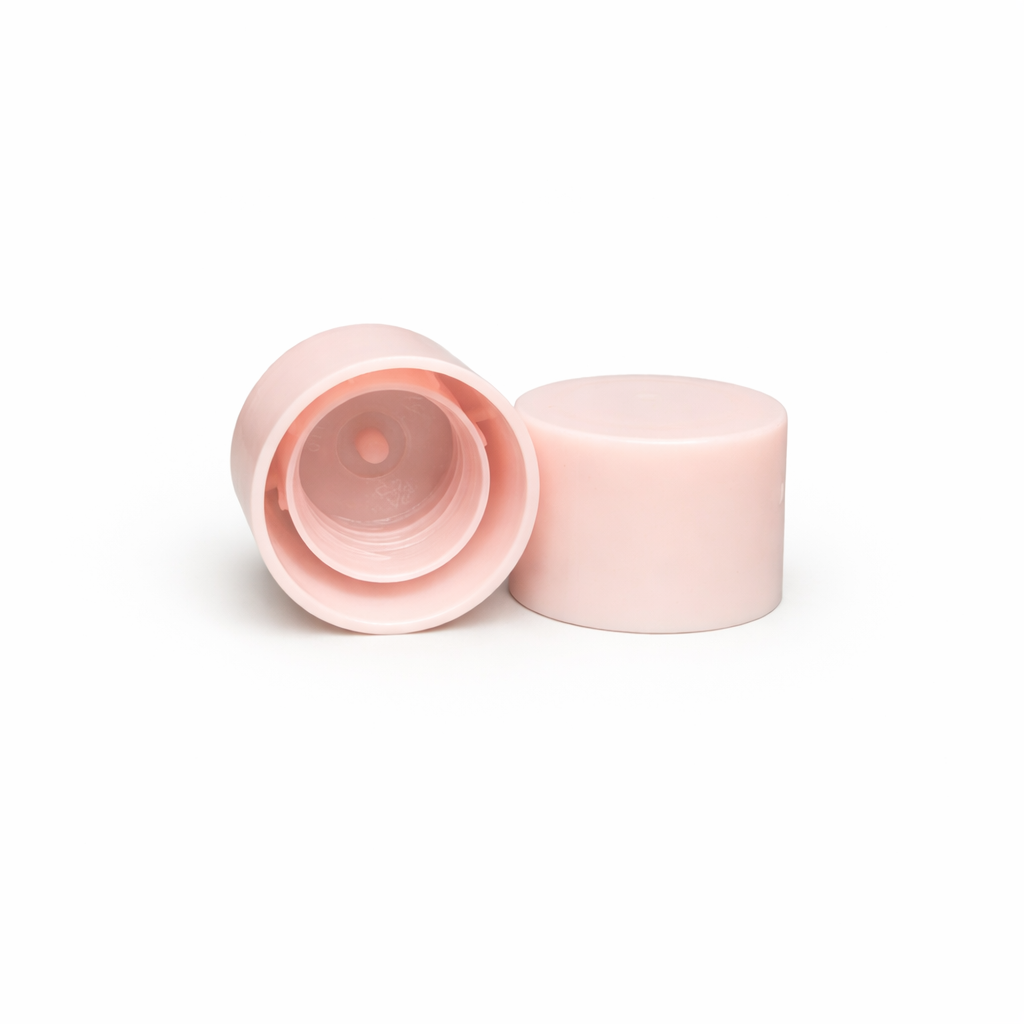
These double-layer plastic caps are perfect for toner and lotion bottles, safe, leakproof and durable.
See Details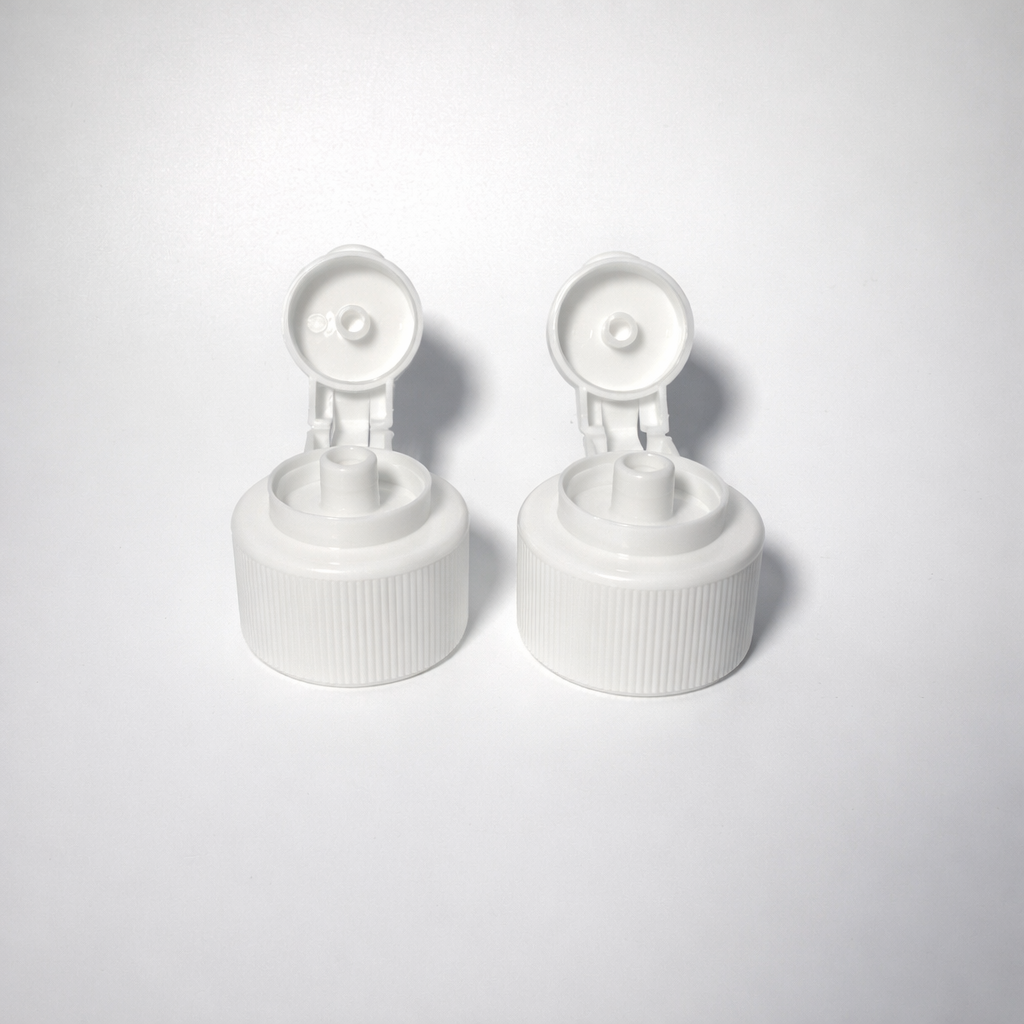
These plastic caps are available in flip and screw-on styles, with customizable colors, suitable for dish soap and shower gel.
See Details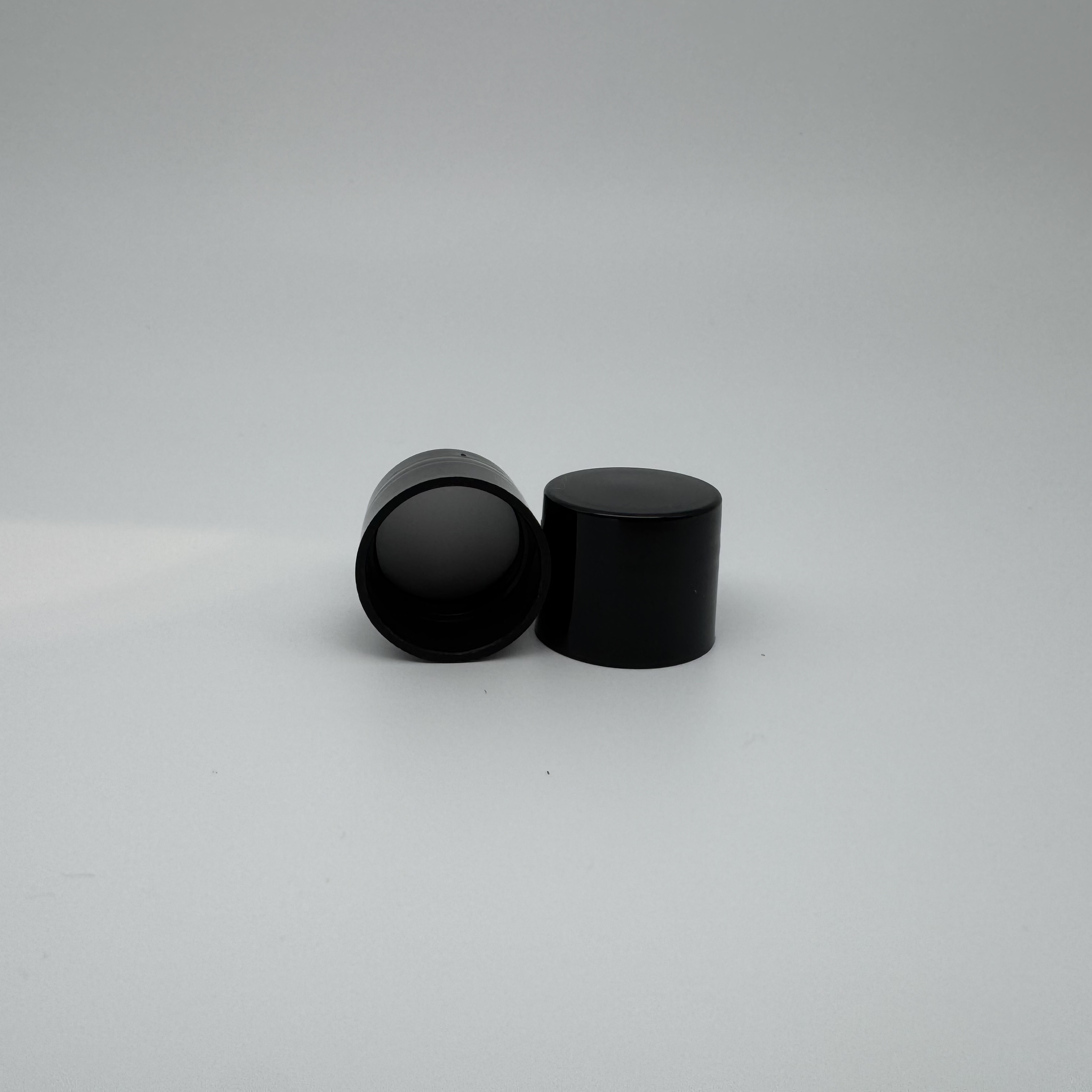
These PP screw caps come with a liner, glossy finish, ideal for lotion and cosmetics, leakproof and durable.
See Details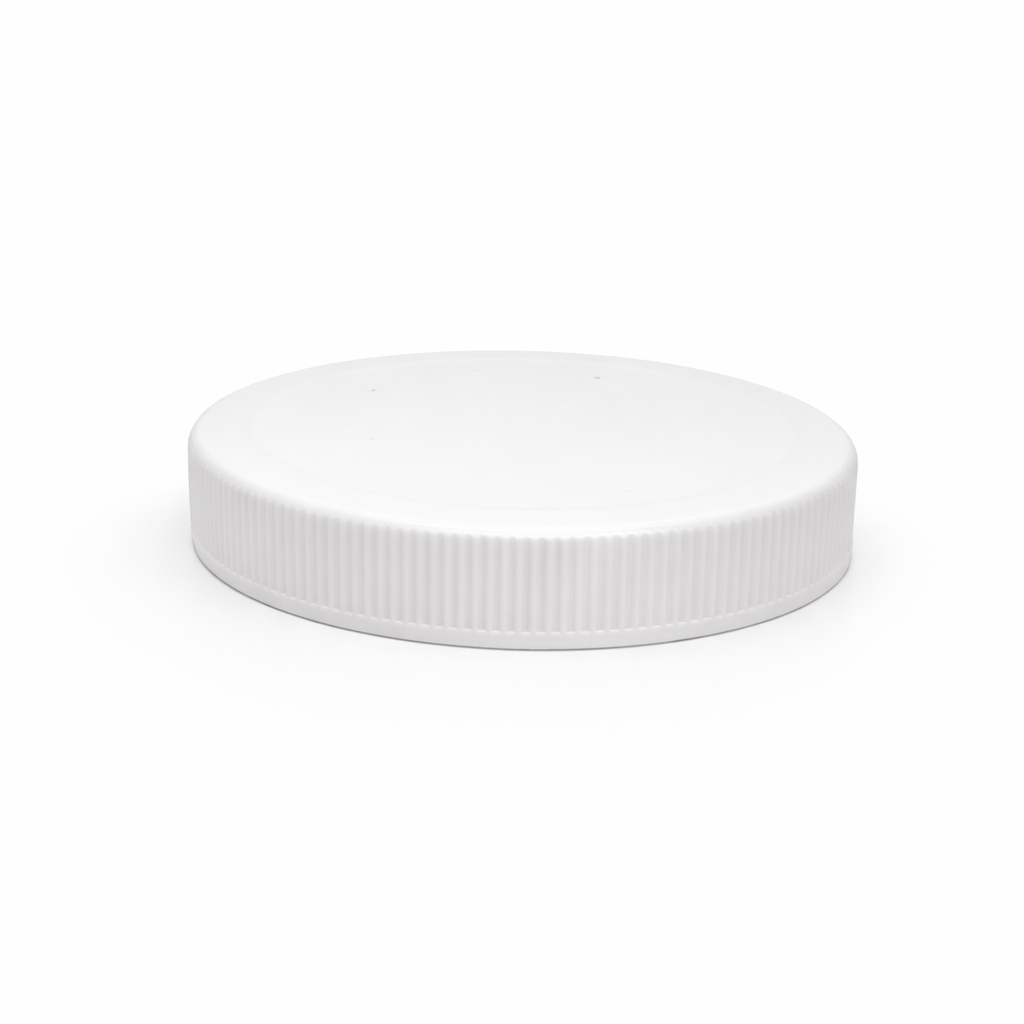
These plastic lids fit wide-mouth cream jars, with good sealing and stable screw design.
See Details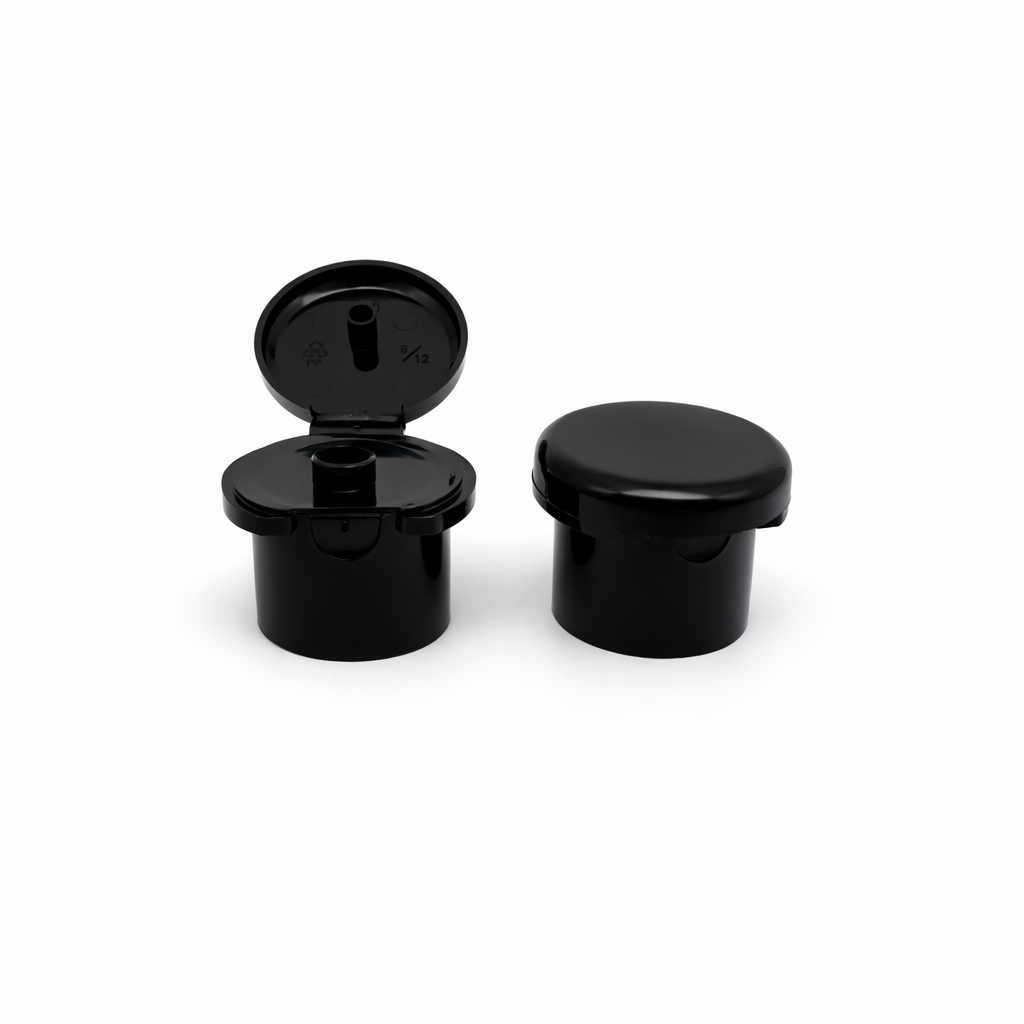
These flip-top screw caps are made of PP, ideal for shampoo and body wash, sturdy and leakproof.
See Details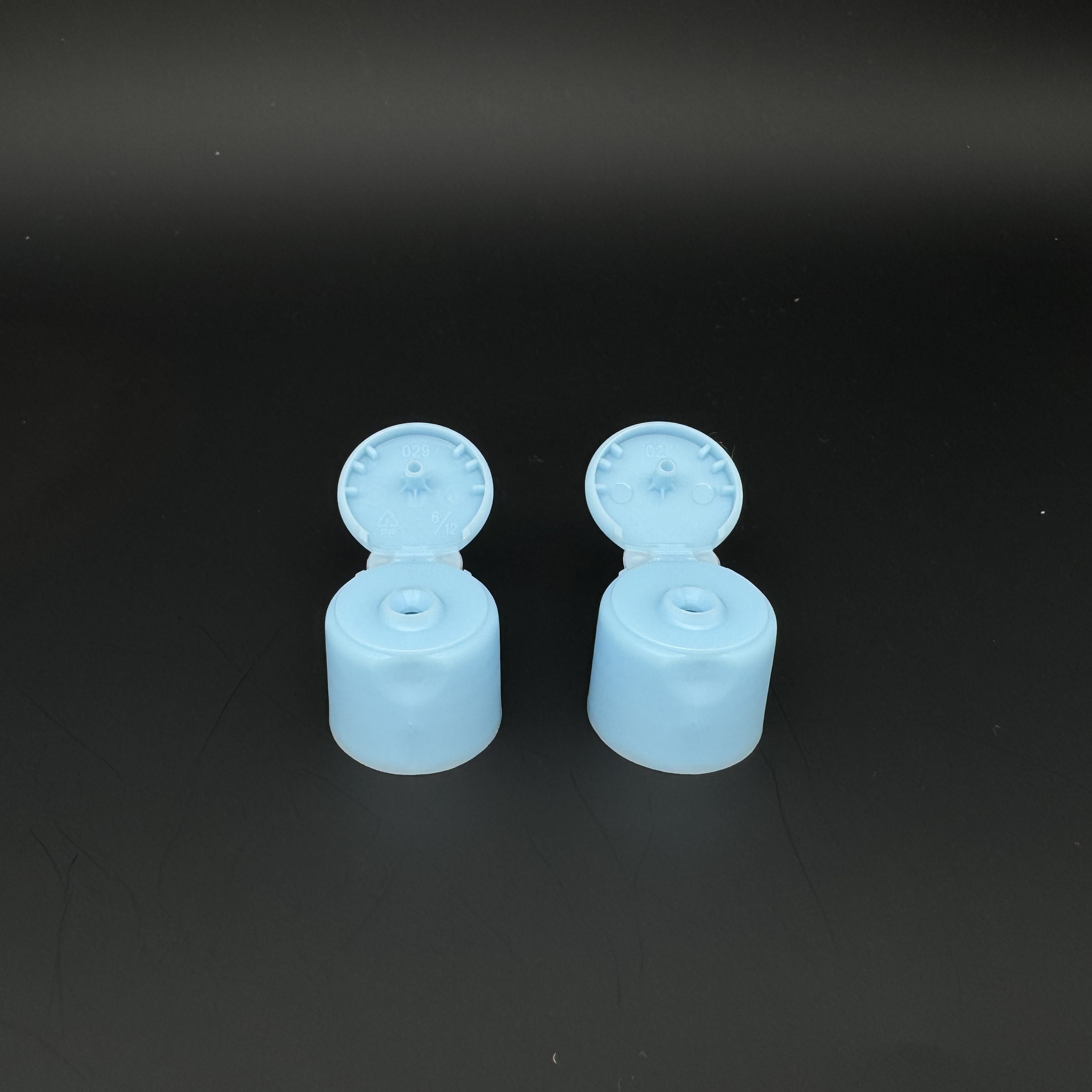
Made of durable PP, frosted flip-top screw cap for lotion, cream and sunscreen, leakproof and stylish.
See Details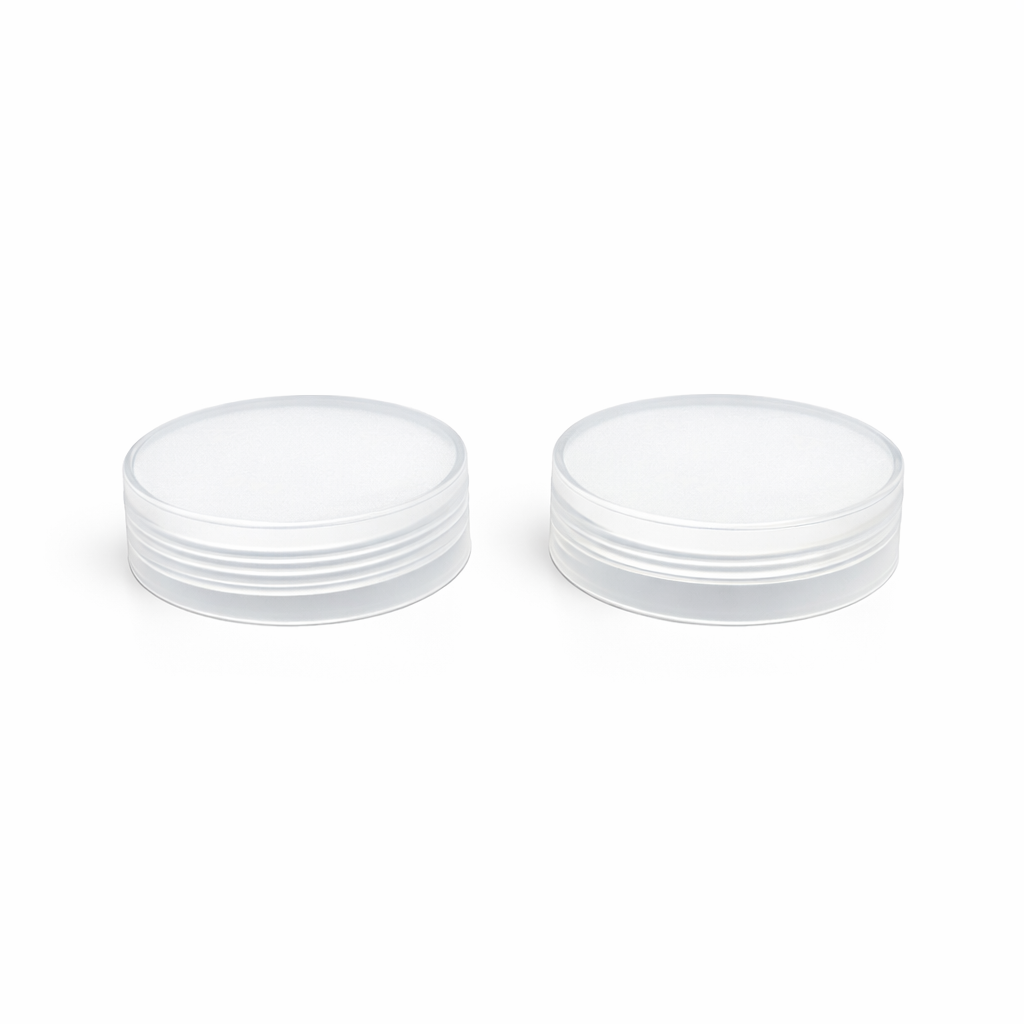
Glossy plastic screw caps with liner, perfect for face cream and hand cream, leakproof and durable.
See Details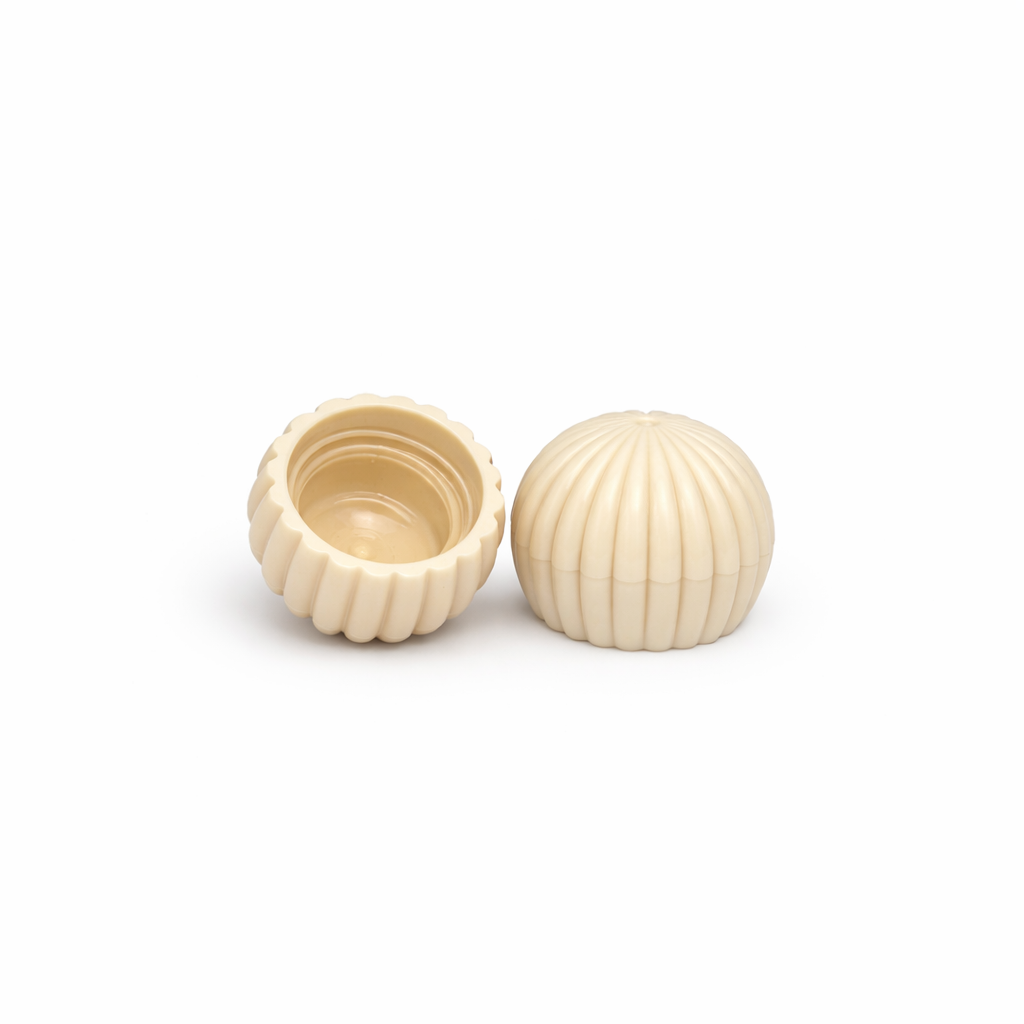
These PP spherical caps come in customizable colors, ideal for laundry liquid and cosmetic lotion, with great sealing.
See DetailsAddress: Building 36, Shanbai Villa, Qiandao Lake Town, Chun'an County, Hangzhou City, Zhejiang Province
TEL: +86 15988456592
Email:iris@happy-packaging.com


