20/410Plastic Double-layer Cap Makeup Water Bottle Cap Cosmetics Lotion Cap HPPC001
These double-layer plastic caps are perfect for toner and lotion bottles, safe, leakproof and durable.
See Details

 Web Menu
 Product Search
 Exit Menu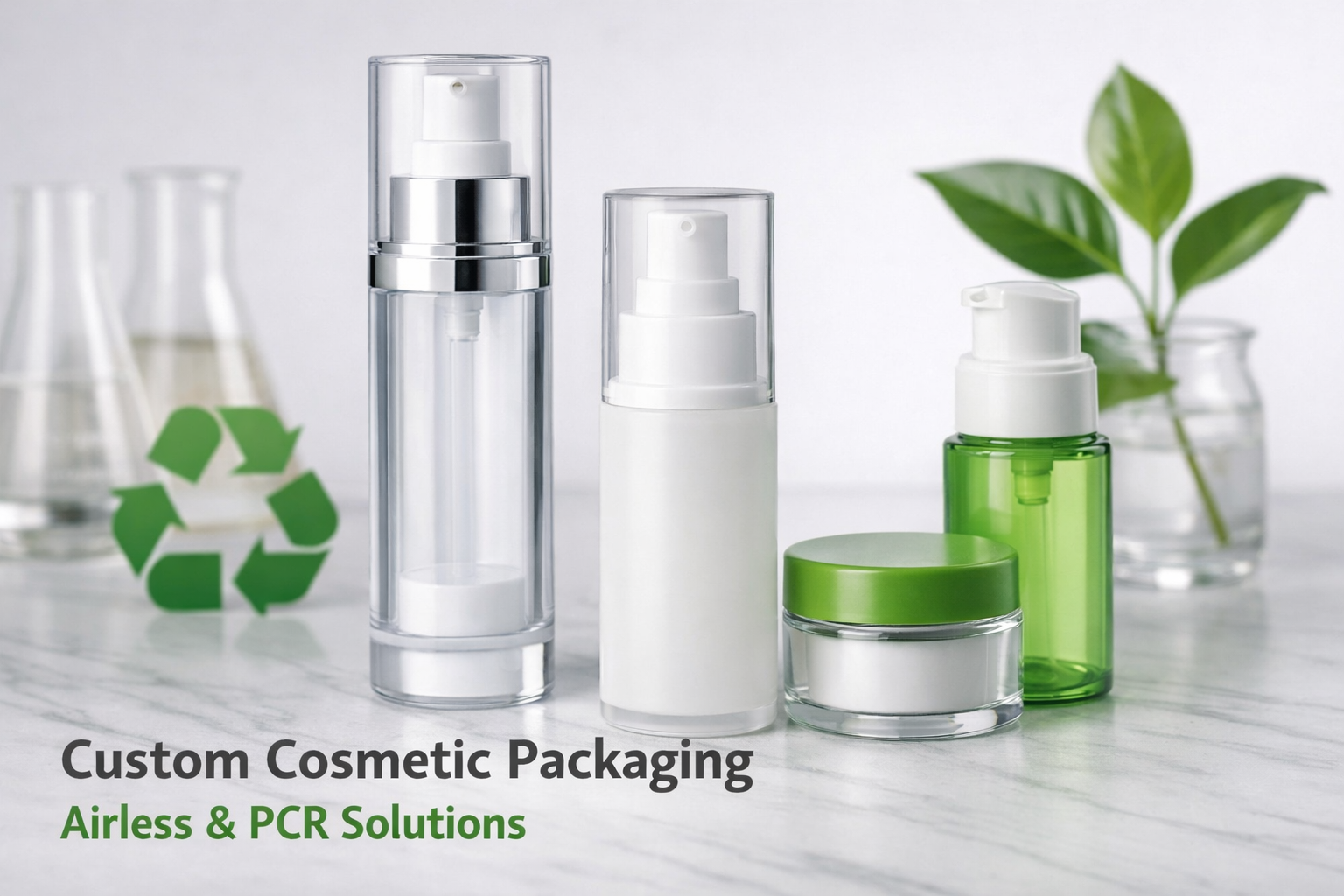
For skincare brands, choosing the right custom cosmetic packaging manufacturer is not just about appearance — it directly impacts product stability, brand positioning, and supply chain efficiency.
From airless pump bottles for active serums to PCR (post-consumer recycled) packaging for sustainable branding, selecting the right partner requires understanding both technical compatibility and manufacturing capabilities.
This guide breaks down the key factors brands should evaluate when sourcing custom cosmetic packaging.
Airless packaging has become a standard choice for premium and functional skincare products.
Vitamin C serums
Retinol and active treatments
Anti-aging emulsions
Sensitive or preservative-light formulations
Prevents oxidation and contamination
Improves formula shelf life
Enables controlled dispensing (0.2cc–1.0cc output)
Minimizes product waste
PP (Polypropylene): cost-effective and recyclable
PETG: high transparency and premium appearance
AS/Acrylic: luxury look and feel
Not all airless systems are the same. Spring-external designs are generally better for high-viscosity creams, while vacuum piston systems are more suitable for lightweight serums and lotions.
Sustainability is no longer optional — especially for skincare and beauty brands targeting the US and EU markets.
PCR (Post-Consumer Recycled) materials are plastics recycled from consumer waste and reprocessed into new packaging.
PCR PP: commonly used for airless bottles, jars, and caps
PCR PET: often used for transparent cosmetic bottles
Slight color variation compared to virgin plastic
Surface finish may be less glossy
Material cost may increase depending on PCR percentage
In practice, many skincare brands choose 30%–50% PCR content to balance sustainability goals with stable appearance and production consistency.
Not all suppliers offer the same level of customization and production support. When evaluating a packaging manufacturer, it is important to look beyond catalog images.
A qualified cosmetic packaging manufacturer should support:
Bottles: lotion bottles, spray bottles, airless bottles
Jars: cream jars, balm jars, mask jars
Closures: pumps, caps, droppers, dispensers
Look for a supplier that can provide:
Custom colors with Pantone matching
Logo printing such as silkscreen, hot stamping, and UV coating
Surface decoration such as metallization, matte finish, and gradient spraying
Mold development for exclusive custom shapes
A reliable packaging manufacturer should also help you evaluate:
Packaging compatibility with formula viscosity
Correct pump output selection (for example, 0.5cc vs 1.0cc)
Basic leakage, sealing, and stability testing
In many cases, packaging problems are not caused by appearance or design — they are caused by a mismatch between the formula texture and the dispensing system.
Commercial terms are just as important as product design when planning a skincare launch.
Standard products: usually around 5,000–10,000 units
Custom molds: often require higher MOQ depending on complexity
Stock samples: usually available immediately
Custom samples: generally require around 7–15 days
Standard production: around 25–35 days
Complex customization: around 35–50 days
For brands preparing for seasonal launches, such as summer sunscreen or holiday gift sets, it is best to finalize packaging at least 2–3 months in advance.
Price matters, but it should never be the only factor when choosing a packaging supplier.
Whether the supplier is a factory-based manufacturer or only a trading company
Internal quality control procedures
Export experience for US and EU markets
Communication efficiency and response speed
No clear MOQ or production lead time
Limited customization support
No technical recommendations
Inconsistent or poor-quality samples
A low unit price may seem attractive at first, but it often leads to hidden costs in rework, delays, packaging failures, or inconsistent branding.
Different skincare products require different packaging structures. Selecting the wrong packaging can affect both formula performance and customer experience.
Recommended packaging: Airless bottles
Common sizes: 15ml, 30ml, 50ml
Recommended packaging: Pump bottles
Common sizes: 50ml–200ml
Recommended packaging: Wide-mouth jars
Common sizes: 30g–100g
Recommended packaging: Foam pump bottles
The right packaging should support your formula’s viscosity, dispensing needs, shelf-life protection, and user convenience.
The right packaging partner should do more than simply supply bottles or jars. A professional custom cosmetic packaging manufacturer should also help support your brand’s long-term growth.
A strong manufacturing partner can help you:
Select the right packaging structure for your formula
Balance cost, aesthetics, and sustainability
Scale from sampling to mass production
Reduce sourcing risks for international projects
For skincare brands, packaging is not just a container — it is part of the product experience, the brand image, and the supply chain strategy.
If you are developing a skincare or beauty product, choosing the right packaging is a critical step in building a successful brand.
To get started, it is helpful to prepare the following information:
Product type (serum, lotion, cream, cleanser, etc.)
Filling volume (30ml, 50ml, 100ml, etc.)
Preferred packaging type (airless bottle, pump bottle, jar, foam bottle)
Customization requirements (color, logo, finish, decoration)
Estimated order quantity
A professional packaging manufacturer can support your project from sampling and customization to mass production and delivery, helping ensure your packaging matches both your product requirements and your market positioning.
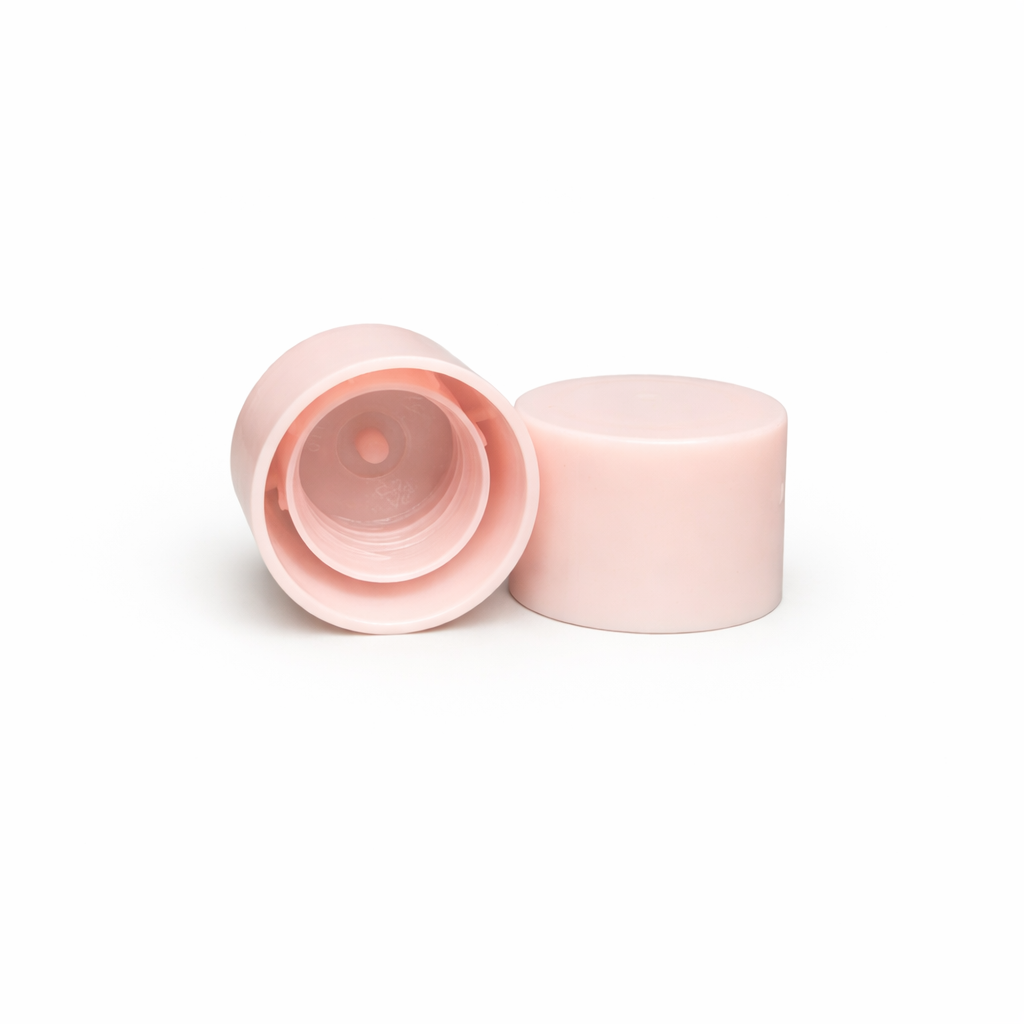
These double-layer plastic caps are perfect for toner and lotion bottles, safe, leakproof and durable.
See Details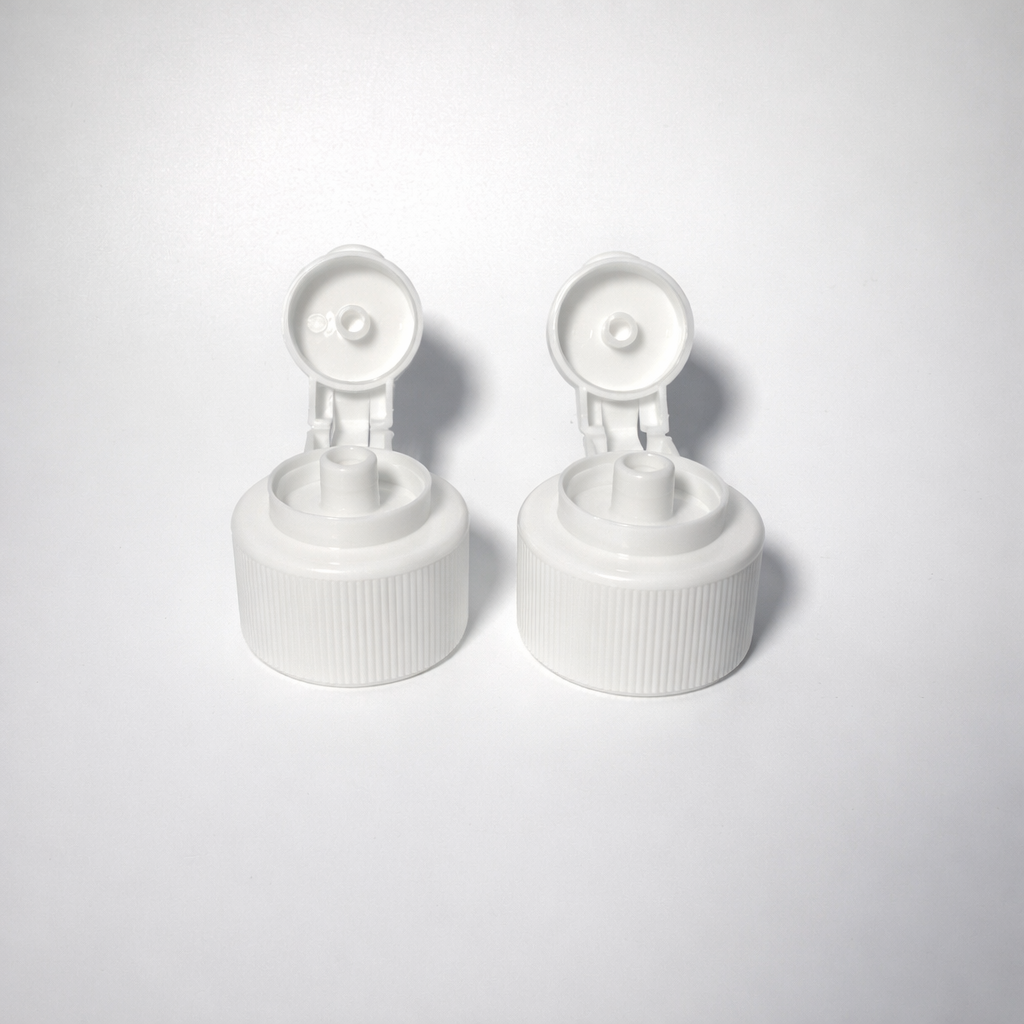
These plastic caps are available in flip and screw-on styles, with customizable colors, suitable for dish soap and shower gel.
See Details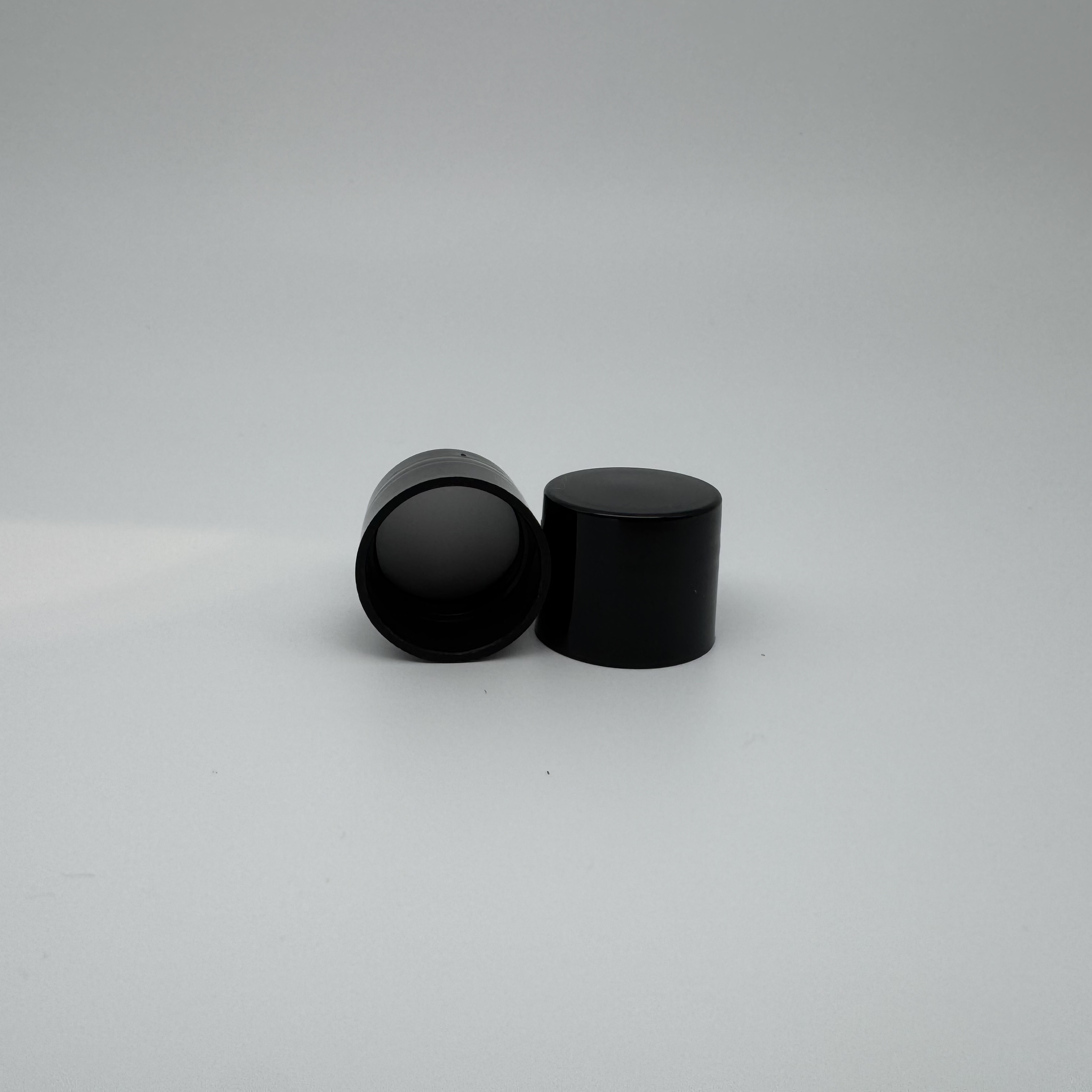
These PP screw caps come with a liner, glossy finish, ideal for lotion and cosmetics, leakproof and durable.
See Details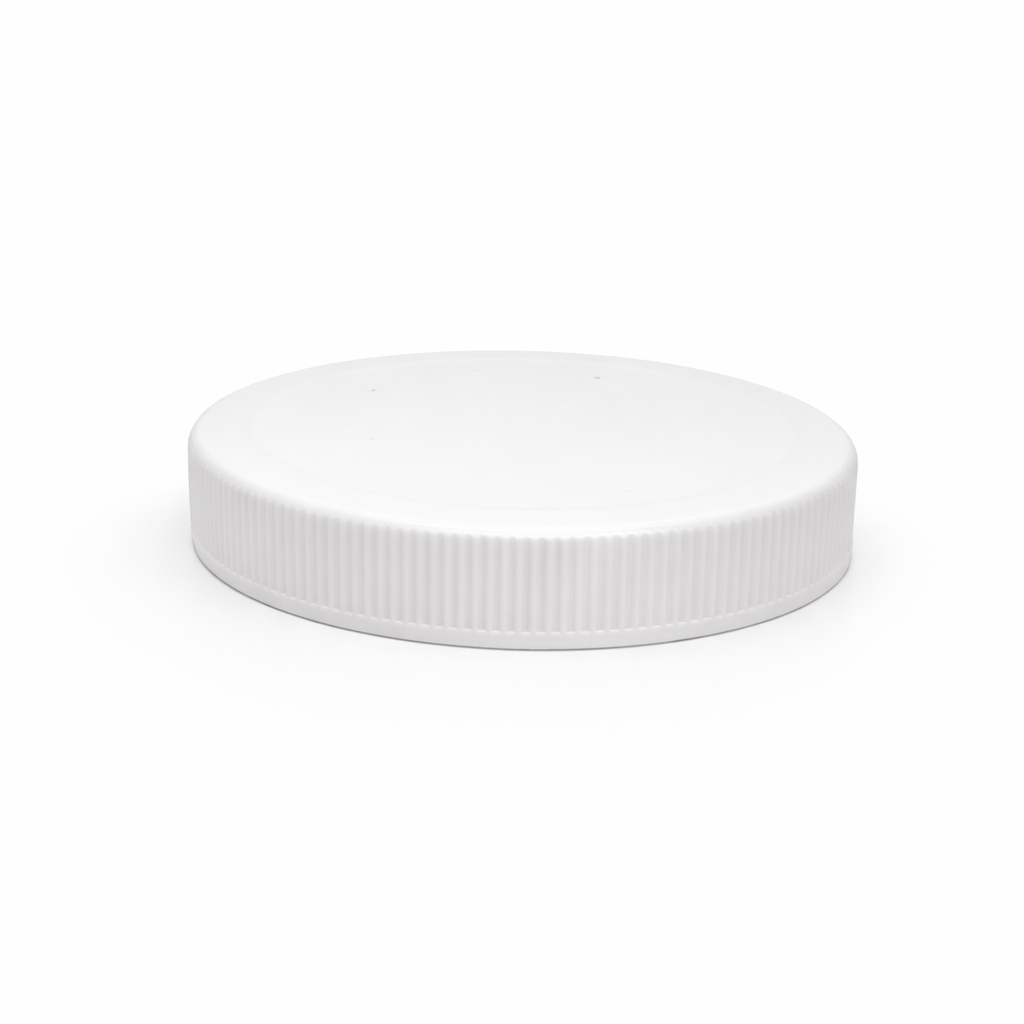
These plastic lids fit wide-mouth cream jars, with good sealing and stable screw design.
See Details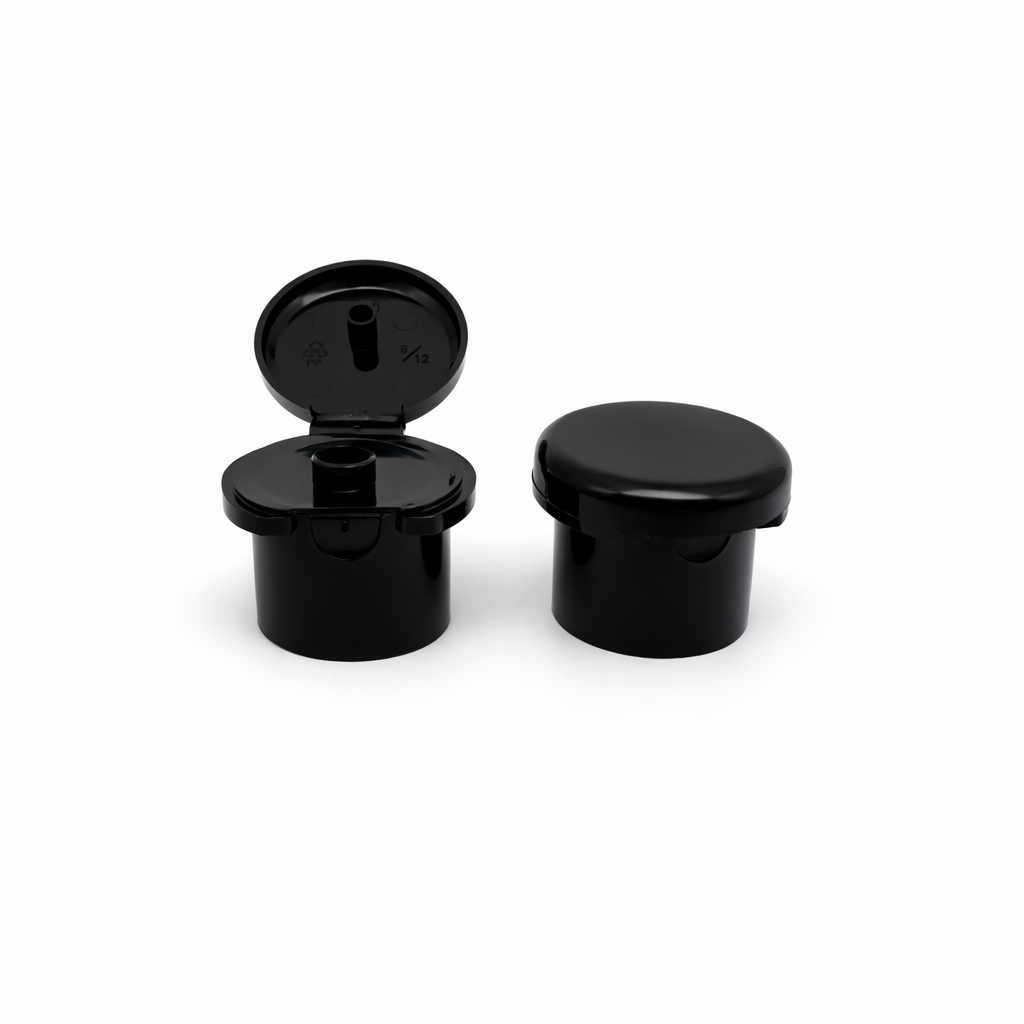
These flip-top screw caps are made of PP, ideal for shampoo and body wash, sturdy and leakproof.
See Details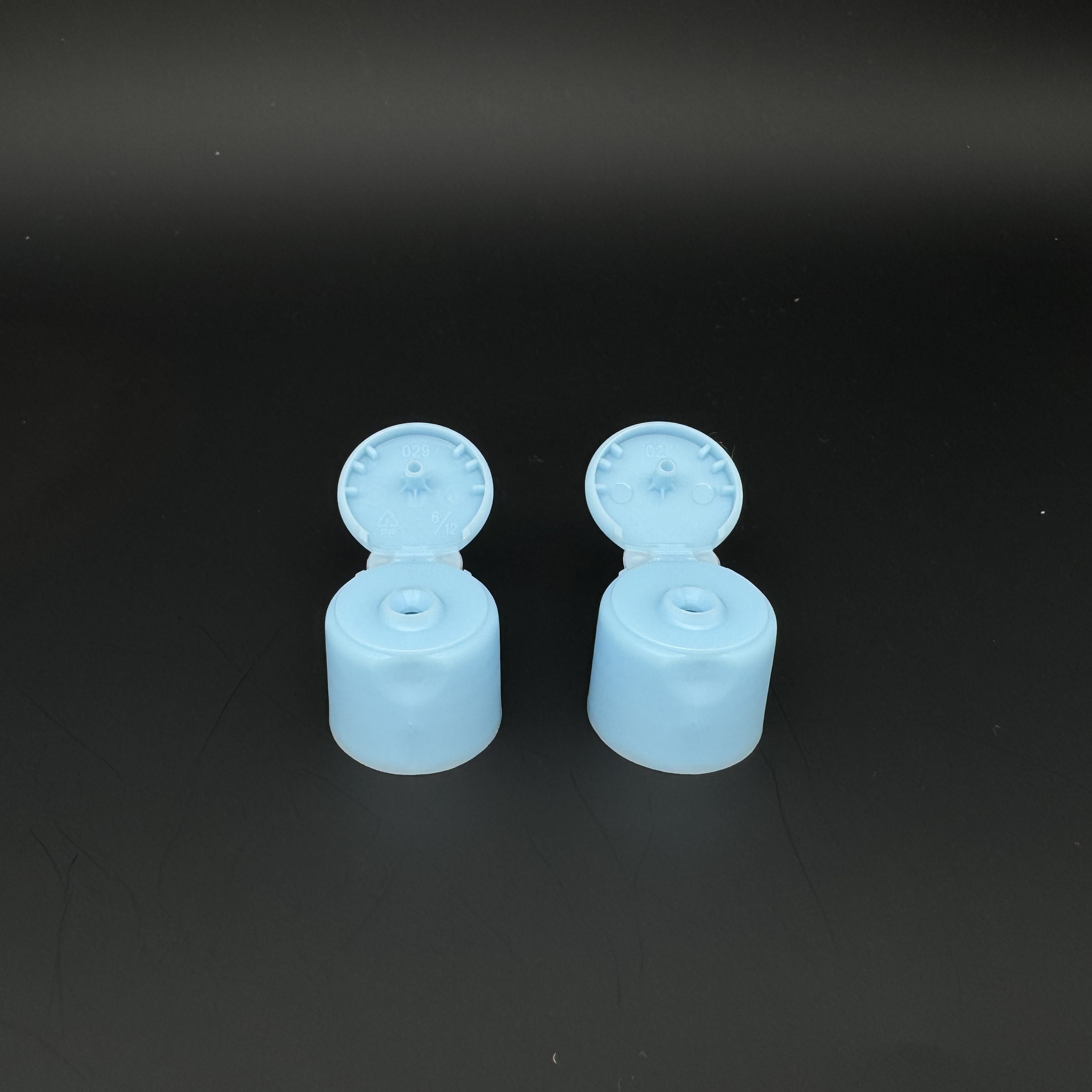
Made of durable PP, frosted flip-top screw cap for lotion, cream and sunscreen, leakproof and stylish.
See Details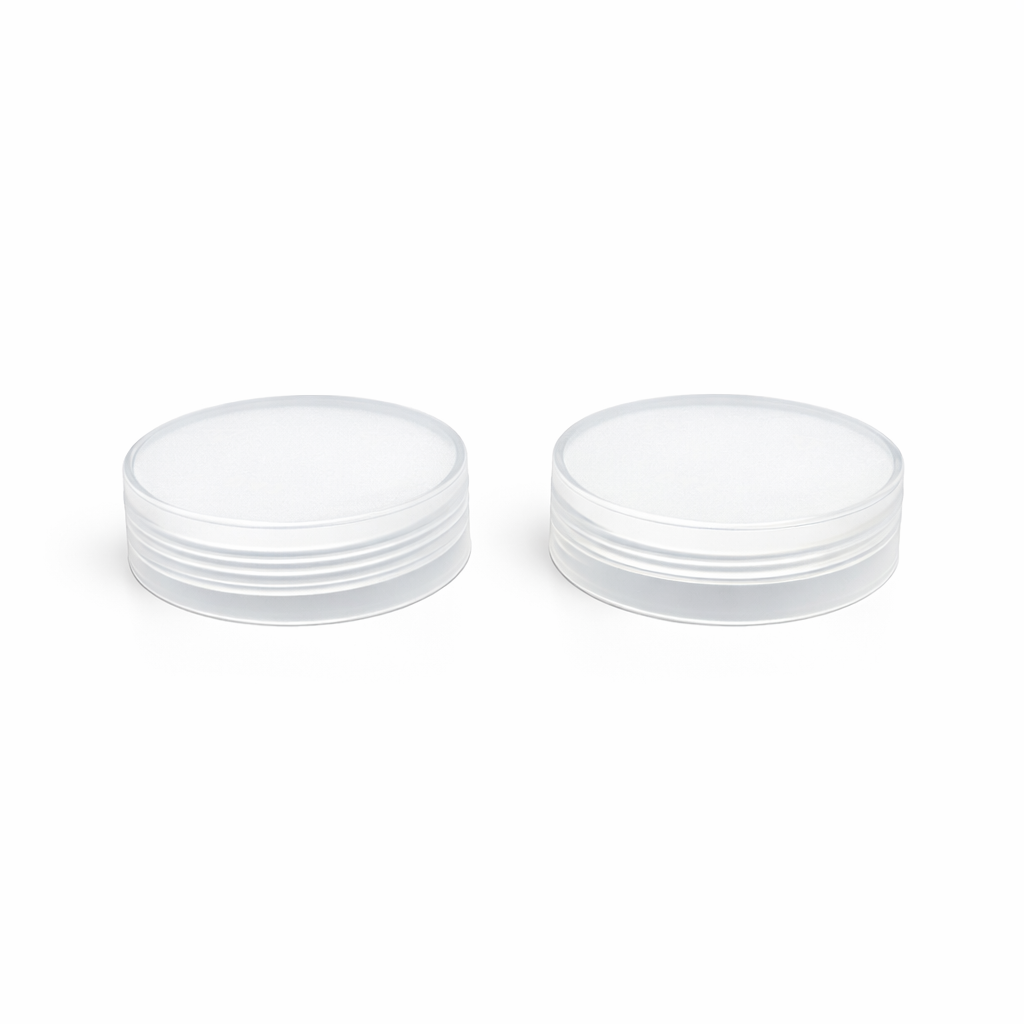
Glossy plastic screw caps with liner, perfect for face cream and hand cream, leakproof and durable.
See Details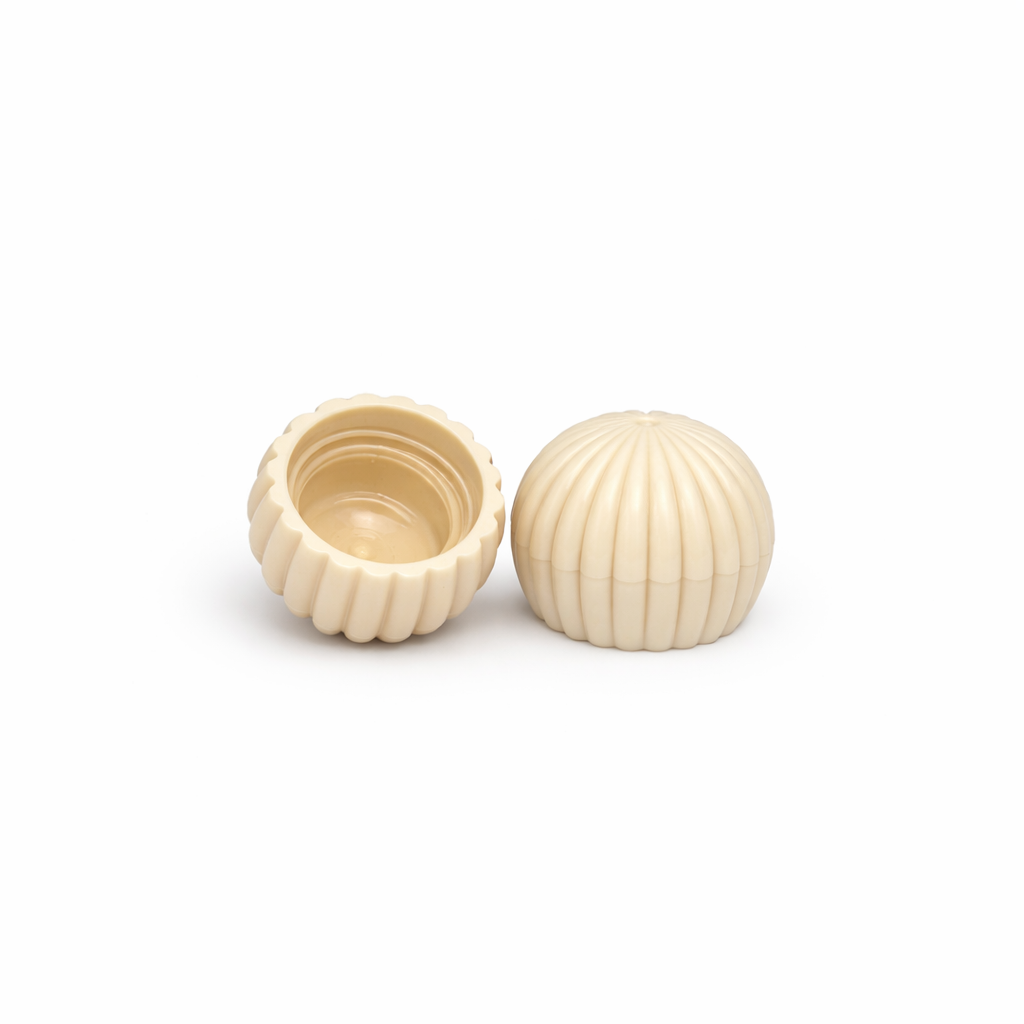
These PP spherical caps come in customizable colors, ideal for laundry liquid and cosmetic lotion, with great sealing.
See DetailsAddress: Building 36, Shanbai Villa, Qiandao Lake Town, Chun'an County, Hangzhou City, Zhejiang Province
TEL: +86 15988456592
Email:iris@happy-packaging.com


