20/410Plastic Double-layer Cap Makeup Water Bottle Cap Cosmetics Lotion Cap HPPC001
These double-layer plastic caps are perfect for toner and lotion bottles, safe, leakproof and durable.
See Details

 Web Menu
 Product Search
 Exit Menu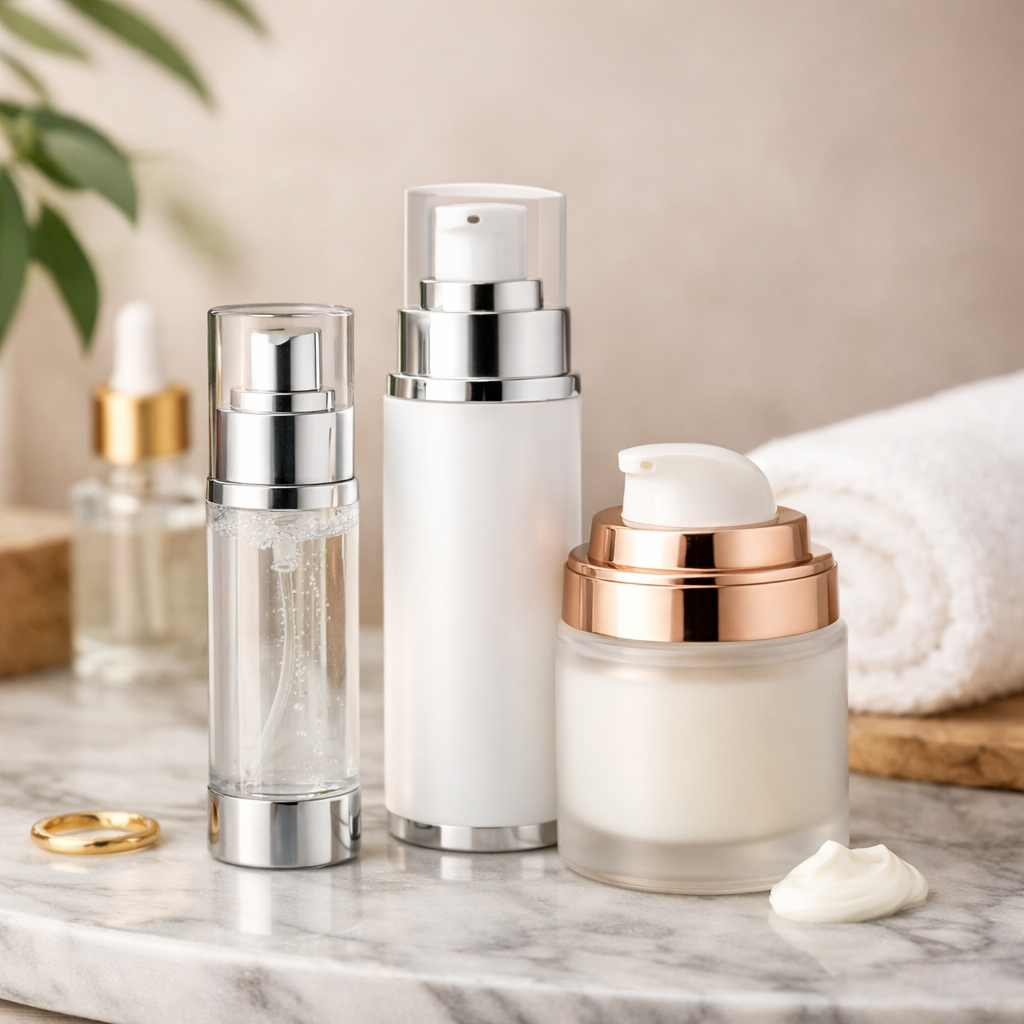
As skincare formulations become more active, more sensitive, and more premium in positioning, packaging is no longer just a container — it is part of product performance.
For brands developing serums, lotions, creams, and treatment products, airless bottles have become one of the most practical packaging choices in 2026. They help protect formulas from air exposure, improve dispensing hygiene, and support a more premium user experience.
But not every airless bottle is suitable for every product.
In this guide, we’ll explain how skincare brands can choose the right airless bottle packaging based on formula type, dispensing experience, branding goals, and manufacturing needs.
Traditional bottles often allow air to enter the container after repeated use. This can affect formula stability over time, especially for skincare products containing active ingredients.
Airless packaging is designed to reduce this problem by using a vacuum or piston-style dispensing system. Instead of drawing air back into the bottle, the system pushes product upward while minimizing internal exposure.
This makes airless cosmetic bottles especially suitable for:
facial serums
anti-aging products
moisturizers
lotions
treatment creams
products containing sensitive actives
For skincare brands, airless packaging is not only about product protection. It also improves user convenience and creates a cleaner, more modern presentation.
The first step in choosing the right airless bottle is understanding your formula viscosity and dispensing behavior.
Light-texture products usually work best with:
slim airless pump bottles
precise dosage pumps
smaller capacities such as 15ml, 30ml, or 50ml
These formats are commonly used for high-value skincare products where controlled dispensing matters.
Medium-viscosity formulas are typically suitable for:
standard cylindrical airless bottles
square or round lotion-style airless containers
30ml to 100ml capacities
These are often chosen for daily skincare lines such as moisturizers, repair lotions, and brightening products.
For richer textures, brands should pay close attention to:
pump output strength
compatibility with thicker formulas
actuator design and internal structure
Not all airless pumps perform equally well with dense or high-viscosity products, so testing is essential before mass production.
Material choice affects not only functionality, but also how your brand is perceived in the market.
PET is often used when brands want:
a clean and lightweight bottle
good transparency or semi-transparency
practical cost control for larger runs
PET is commonly selected for toner, essence, and lightweight skincare packaging.
These materials are often preferred for more premium skincare lines because they can offer:
better visual thickness
stronger shelf presence
a more upscale appearance
For prestige skincare or clinical-style packaging, appearance and tactile feel can be just as important as function.
One of the most overlooked packaging decisions is pump performance.
Many skincare brands focus only on bottle appearance, but if the pump output feels inconsistent, the user experience suffers immediately.
When evaluating an airless bottle manufacturer, brands should ask:
Is the pump dosage stable?
Does the pump work smoothly after repeated use?
Is the dispensing suitable for serum, lotion, or cream texture?
Has the packaging been tested for leakage and transport safety?
A visually attractive bottle is important, but packaging must also work reliably in real-world use.
In 2026, more skincare brands are exploring refillable airless packaging as part of their sustainability positioning.
Refillable structures can help reduce packaging waste and support premium product systems, especially for:
long-term skincare routines
refill programs
eco-conscious beauty positioning
higher-value hero products
However, refillable packaging also introduces additional design and production considerations, such as:
refill cartridge compatibility
assembly structure
component tolerance
production complexity
For this reason, refillable airless bottles are not automatically the best choice for every project. Brands should evaluate whether the refill concept supports both their marketing and operational goals.
A good airless bottle should not only protect the formula — it should also reflect the identity of the skincare brand.
Popular customization options for custom airless bottle packaging include:
silk screen printing
hot stamping
matte or glossy finishes
custom colors
metallic collars or pump accents
frosted or soft-touch appearance
Many packaging delays happen because decoration planning starts too late. It is better to confirm bottle structure, printing area, and visual direction early in the development process.
This helps reduce revisions and speeds up sample approval.
When sourcing airless bottles, many skincare brands compare suppliers based only on price.
That is a mistake.
A reliable airless bottle OEM manufacturer should also be evaluated based on:
minimum order quantity (MOQ)
sample availability
lead time
mold or stock options
quality consistency
export packaging experience
customization flexibility
For growing brands, a supplier with practical communication and stable production support is often more valuable than simply finding the lowest unit cost.
Although sizing depends on product strategy, some of the most commonly requested capacities include:
15ml / 20ml — eye serums, concentrated treatments
30ml / 50ml — facial serums and active skincare
80ml / 100ml — lotions, emulsions, daily moisturizers
120ml+ — larger treatment or body-care formats
Choosing the right size depends on your product category, price point, and intended customer usage cycle.
Choosing the right airless bottle packaging is not just about trends. It is about finding a packaging solution that works for your formula, supports your brand image, and performs consistently in the hands of the customer.
For skincare brands in 2026, the right airless bottle can help improve:
formula protection
user experience
perceived product value
shelf presentation
packaging differentiation
If you are developing a new skincare line or upgrading your current packaging, it is worth evaluating bottle structure, pump compatibility, decoration options, and supplier capability before production begins.
Airless bottles are commonly used for serums, lotions, moisturizers, and active skincare products that benefit from reduced air exposure.
Some are, but pump compatibility depends on formula viscosity. Testing is recommended before final production.
Yes. Many airless bottles support custom printing, hot stamping, color matching, and surface finishes.
Brands should confirm bottle size, MOQ, decoration method, lead time, and sample availability before production.
Happy Packaging provides custom airless bottles for skincare brands, including support for:
bottle size selection
decoration and branding
OEM / private label packaging needs
sample confirmation
wholesale production
If you are planning a serum, lotion, or cream packaging project, feel free to contact us for samples or quotation support.
Contact us today to discuss your custom cosmetic packaging project.
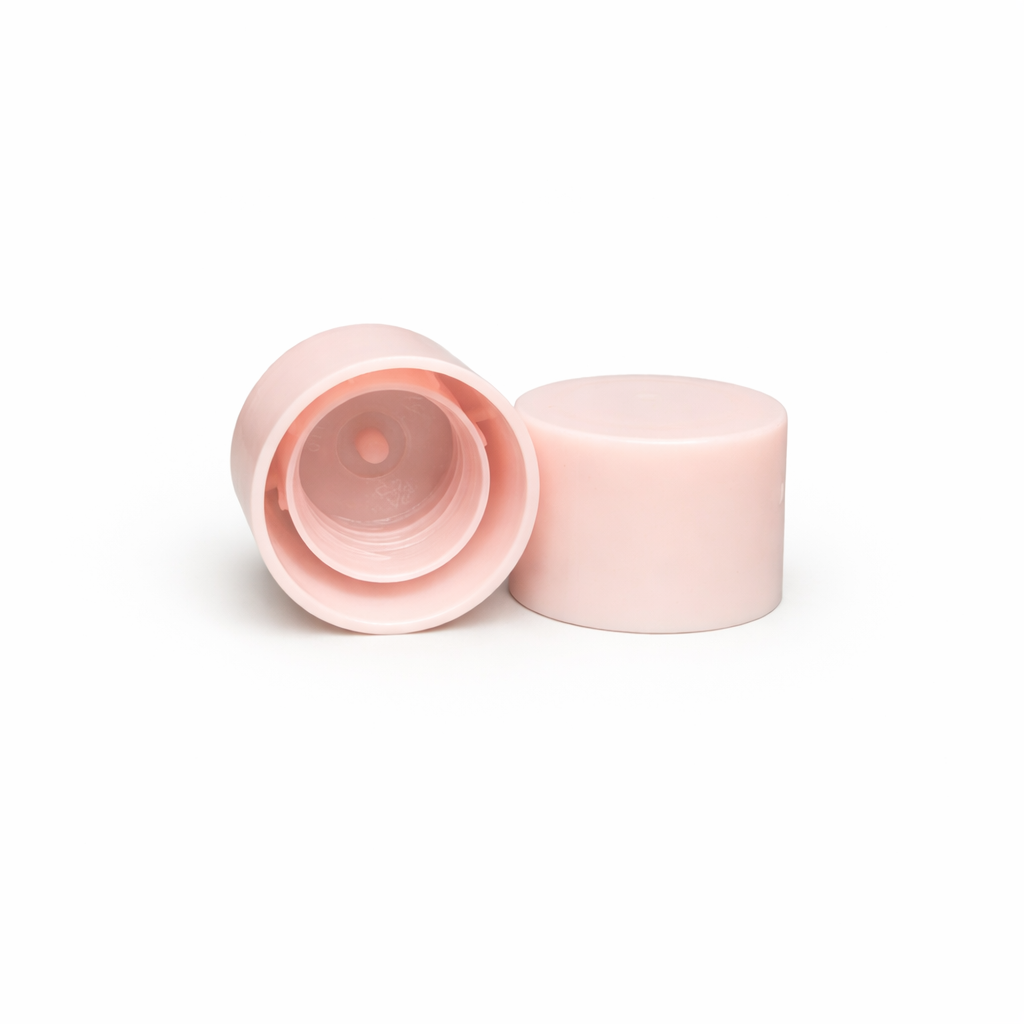
These double-layer plastic caps are perfect for toner and lotion bottles, safe, leakproof and durable.
See Details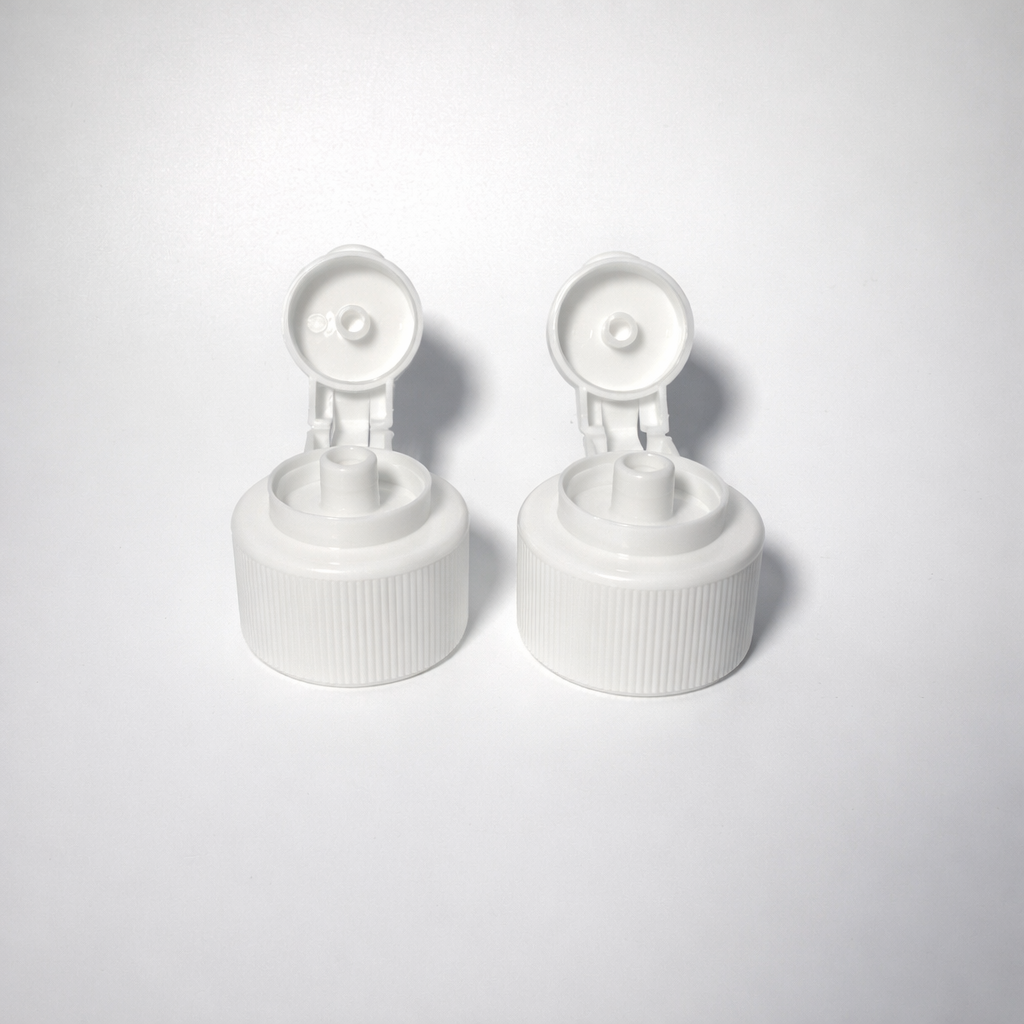
These plastic caps are available in flip and screw-on styles, with customizable colors, suitable for dish soap and shower gel.
See Details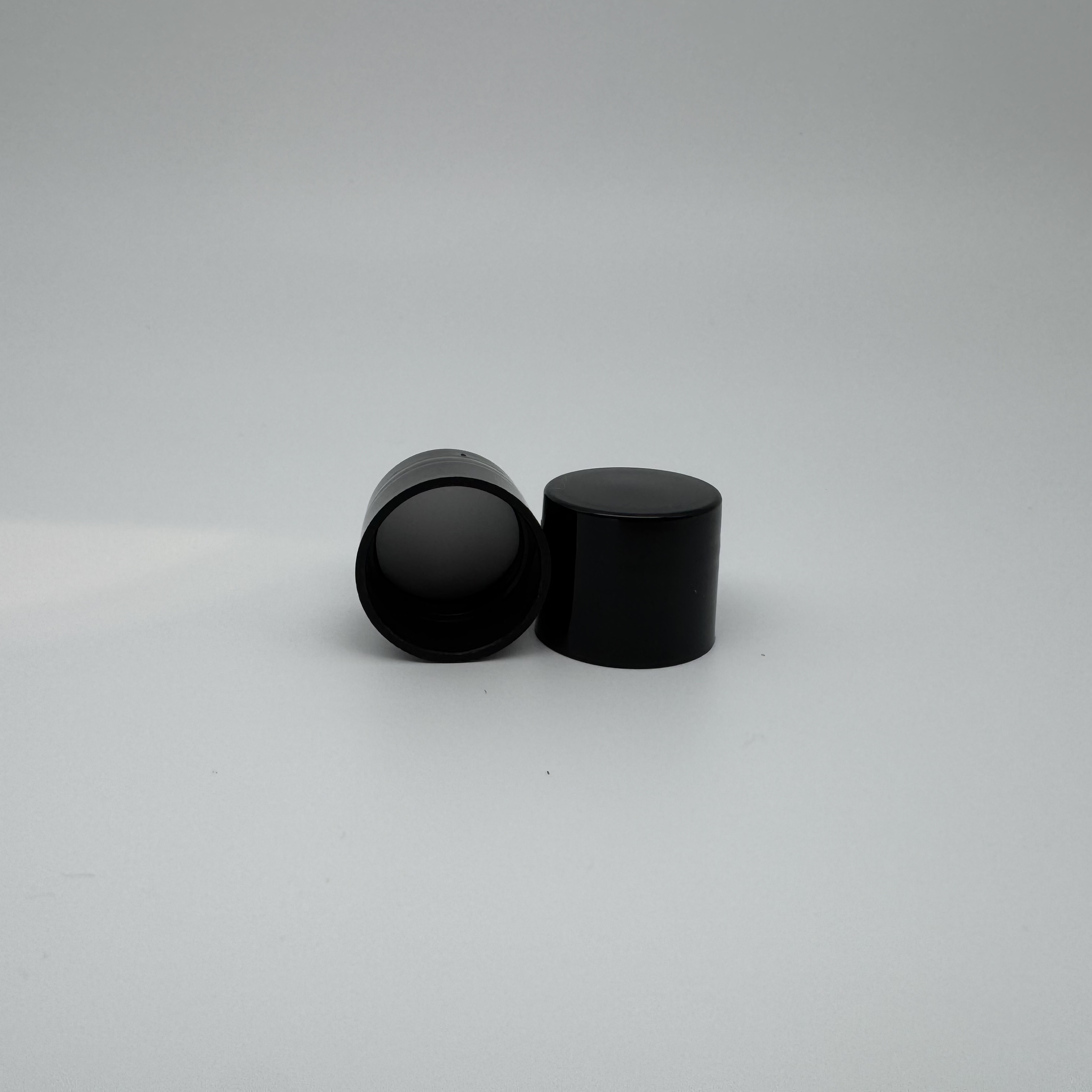
These PP screw caps come with a liner, glossy finish, ideal for lotion and cosmetics, leakproof and durable.
See Details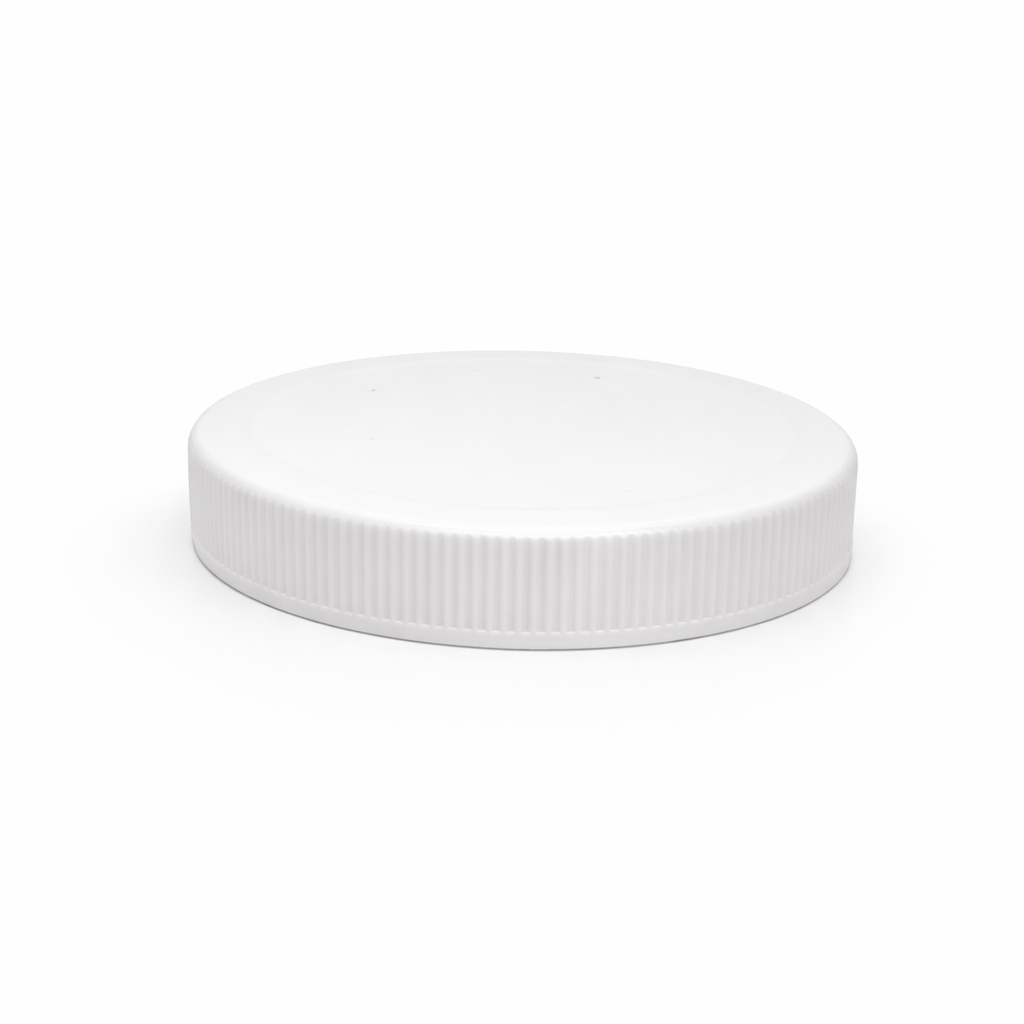
These plastic lids fit wide-mouth cream jars, with good sealing and stable screw design.
See Details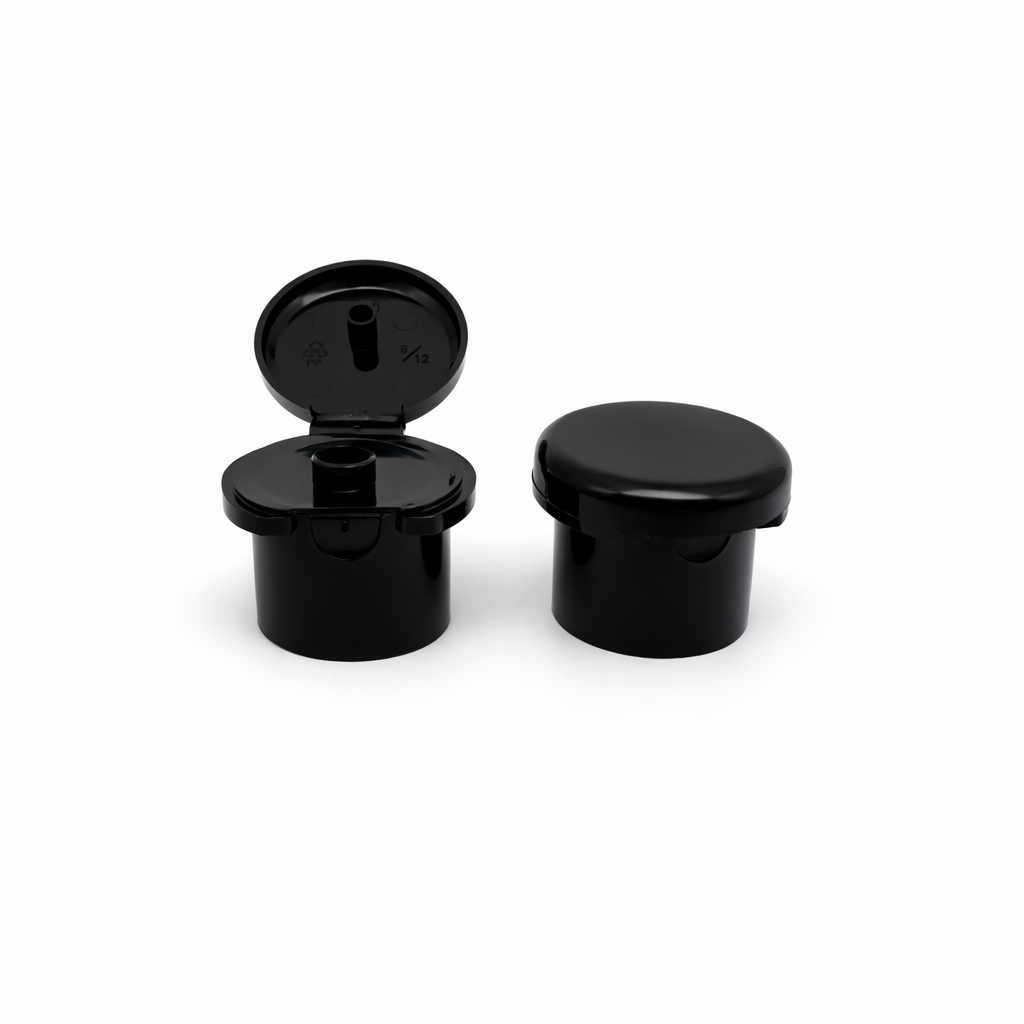
These flip-top screw caps are made of PP, ideal for shampoo and body wash, sturdy and leakproof.
See Details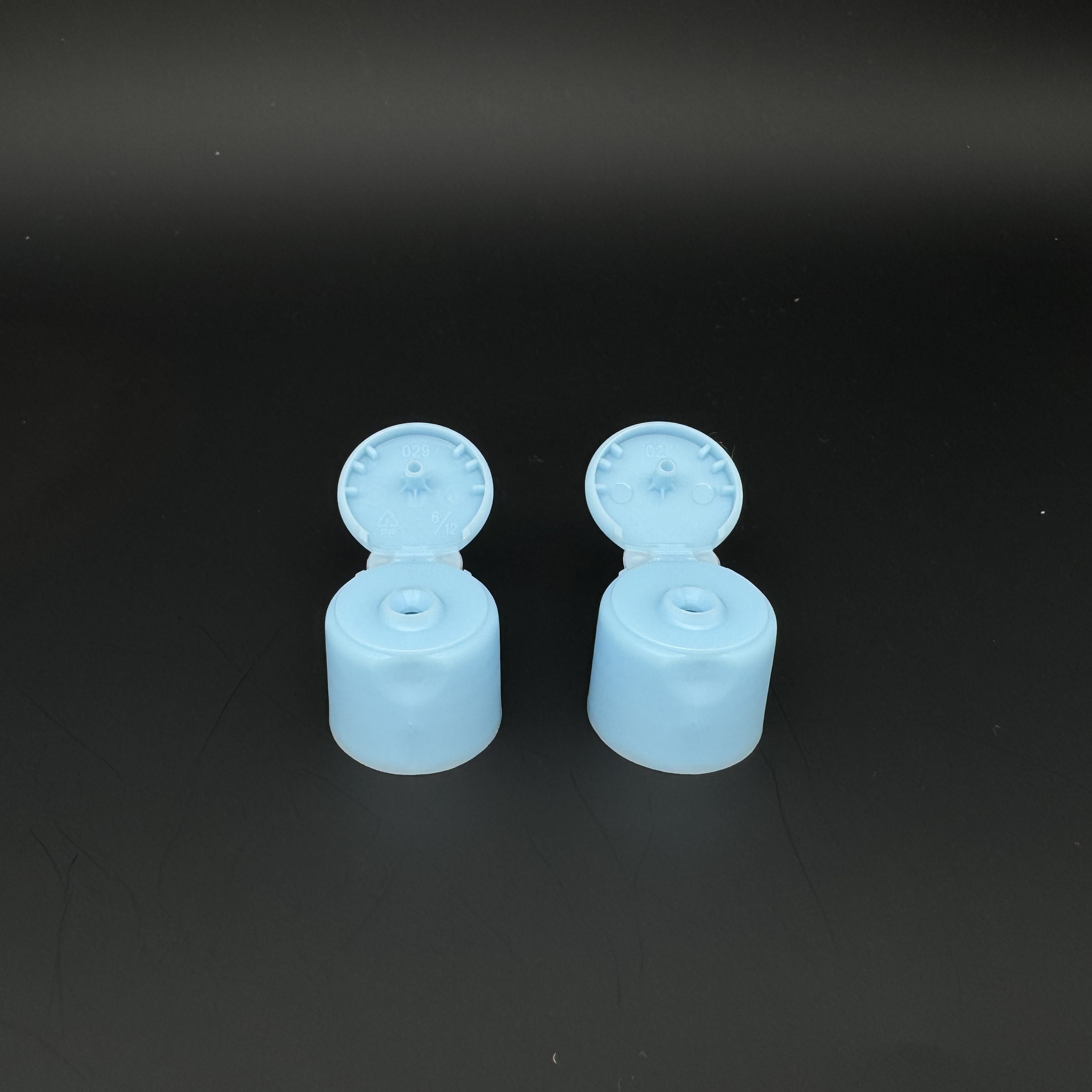
Made of durable PP, frosted flip-top screw cap for lotion, cream and sunscreen, leakproof and stylish.
See Details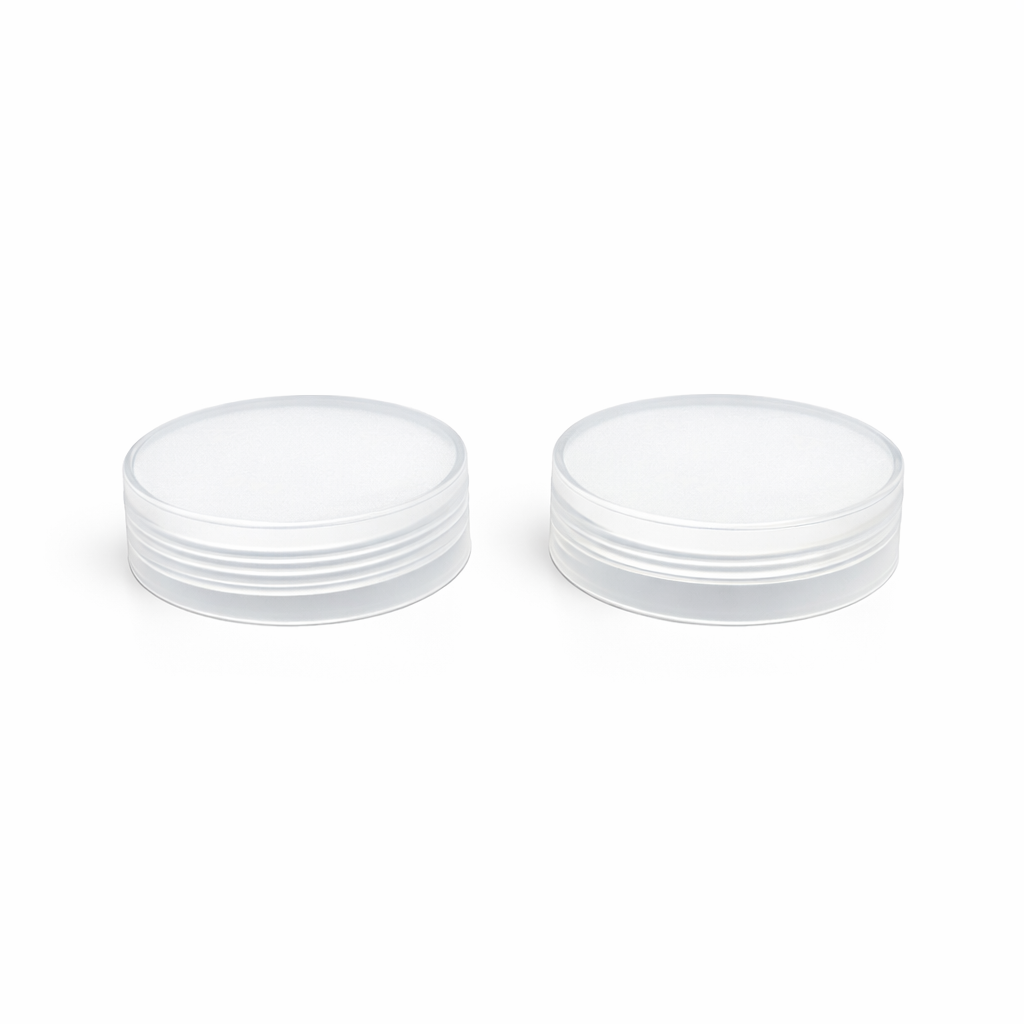
Glossy plastic screw caps with liner, perfect for face cream and hand cream, leakproof and durable.
See Details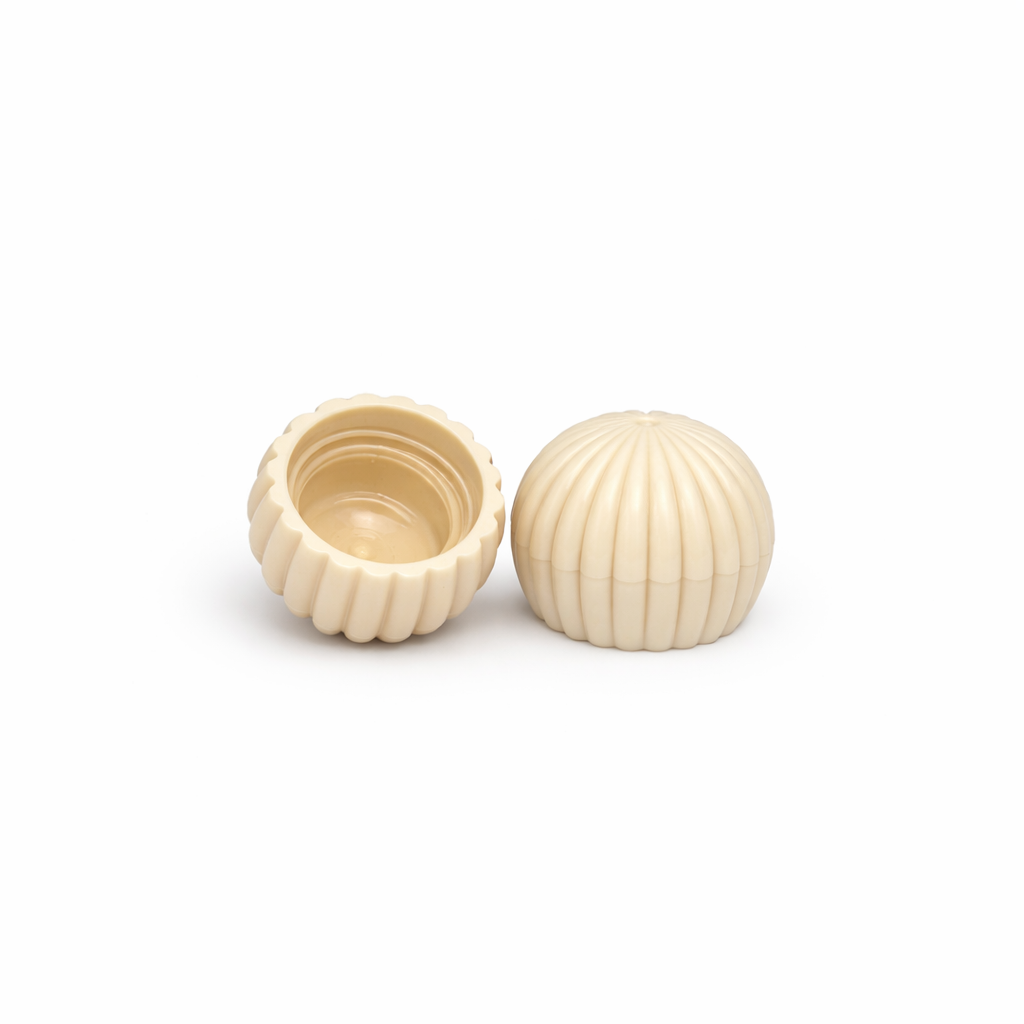
These PP spherical caps come in customizable colors, ideal for laundry liquid and cosmetic lotion, with great sealing.
See DetailsAddress: Building 36, Shanbai Villa, Qiandao Lake Town, Chun'an County, Hangzhou City, Zhejiang Province
TEL: +86 15988456592
Email:iris@happy-packaging.com


