20/410Plastic Double-layer Cap Makeup Water Bottle Cap Cosmetics Lotion Cap HPPC001
These double-layer plastic caps are perfect for toner and lotion bottles, safe, leakproof and durable.
See Details

 Web Menu
 Product Search
 Exit Menu
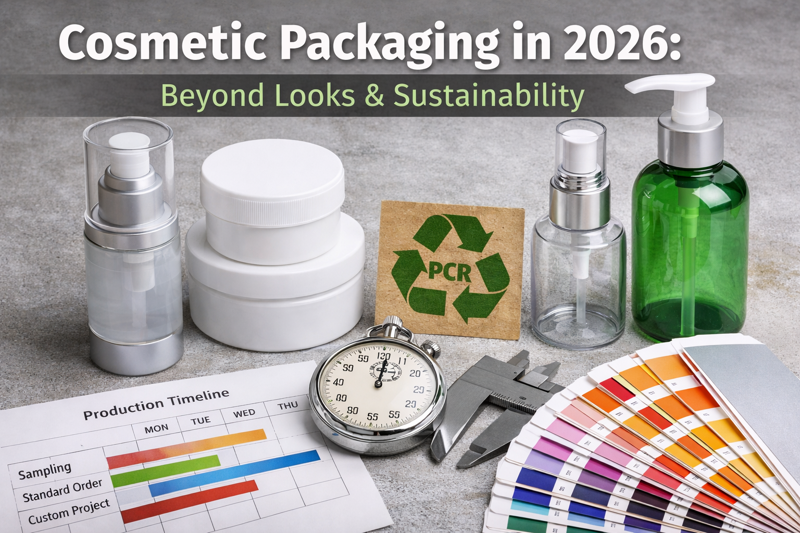 For a long time, cosmetic packaging was treated mainly as a branding tool. If the bottle looked premium, the jar felt heavy enough, and the finish matched the product concept, it was considered “good packaging.”
That approach is changing.
In 2026, more beauty and skincare brands are evaluating packaging from a much broader perspective. Appearance still matters, of course, but it is no longer the only factor. Product compatibility, filling efficiency, sustainability expectations, production timing, and supply flexibility now play a much bigger role in packaging decisions than they did even a few years ago.
From what we are seeing in the market, brands are becoming more practical, more technical, and more cautious when selecting packaging suppliers.
Airless packaging used to be reserved mostly for high-end serums and anti-aging lines. Now it is appearing in a much wider range of skincare products.
More brands are choosing airless bottles not only for positioning, but also for product protection. This is especially true for formulas containing active ingredients such as vitamin C, retinol, peptides, and other ingredients that are sensitive to air exposure.
Instead of asking only, “Does this bottle look premium enough?” buyers are now asking more detailed questions:
Will this structure protect the formula over time?
Is the pump output suitable for daily use?
Can the product be evacuated cleanly?
Will the bottle work well for both sample runs and mass production?
This shift matters because it shows that packaging is increasingly being selected based on function, not only shelf appearance.
A few years ago, many brands were satisfied with using general phrases like “eco-friendly packaging” or “sustainable solution.” That language no longer feels convincing to serious buyers.
Today, customers—especially those selling in the US and Europe—are asking much more specific questions.
They want to know:
whether PCR material is available
what percentage of recycled content can realistically be used
how recycled materials affect appearance
whether the packaging remains commercially viable at scale
This is where many packaging discussions become more honest.
PCR packaging is growing fast, but brands are also realizing that sustainability comes with practical trade-offs. Recycled materials may affect color consistency, gloss level, or transparency. In some projects, these differences are acceptable and even aligned with a more natural brand image. In other projects, visual consistency remains the top priority.
That is why more brands are no longer looking for “green claims.” They are looking for workable packaging options that make sense for both brand positioning and production.
Another major shift in 2026 is how much weight buyers place on speed and predictability.
The beauty industry continues to move quickly. Seasonal launches, influencer-led campaigns, test markets, and fast product iteration all mean that packaging timelines are under more pressure than before.
As a result, buyers are paying much closer attention to:
sample development time
color matching efficiency
decoration lead time
production scheduling
shipment readiness
In many projects, a supplier is no longer chosen only because of unit cost. A supplier may win simply because they can help the brand launch on time.
This is especially important for growing skincare brands that do not have the luxury of long delays between product development and market release.
Customization is also changing.
Previously, many custom projects were limited to logo printing, color adjustment, or basic surface decoration. That still matters, but now brands are thinking more strategically about what customization should actually achieve.
For example, brands are using packaging customization to:
create stronger visual distinction in crowded skincare categories
improve perceived product value without changing the formula
align packaging more closely with sustainability messaging
simplify product line extensions across multiple SKUs
This means packaging suppliers are increasingly expected to support not only production, but also decision-making.
The right packaging recommendation is no longer just about what can be manufactured. It is about what can support the product, the launch plan, the price point, and the long-term brand direction.
One of the clearest changes we have noticed is that more customers now begin with the product itself before discussing the package.
That may sound obvious, but in reality, many packaging conversations used to begin with visual references or competitor inspiration.
Now the starting point is often more technical:
Is the formula thick or fluid?
Does it contain active ingredients?
Does it require air protection?
Will it be used for skincare, sunscreen, cleansing, or treatment?
Is it intended for daily use or occasional use?
This changes the conversation completely.
When packaging is chosen based on formula logic rather than visual imitation, the result is usually better for both product performance and customer experience.
That is also why more brands are seeking suppliers who understand the relationship between structure, material, dispensing system, and application scenario.
Packaging used to sit at the edge of product planning. In many companies, it was handled late in the process.
That is no longer practical.
In 2026, packaging is increasingly treated as part of a broader supply chain strategy. Buyers are thinking not only about what they want to launch, but also about whether that packaging can be produced consistently, decorated efficiently, sourced repeatedly, and scaled without unnecessary risk.
This is especially relevant for brands that are trying to balance:
premium appearance
reasonable MOQ
stable production
sustainable positioning
international logistics
In other words, packaging decisions are now more connected to operational reality than ever before.
From our perspective, brands today are not simply looking for a factory that can “make bottles.”
They are looking for a supplier that can help them reduce uncertainty.
That includes support with:
structure selection
material recommendations
decoration feasibility
sampling coordination
lead time planning
order scalability
The strongest supplier relationships are no longer based only on price. They are built on trust, responsiveness, and the ability to solve practical problems early.
That is becoming one of the biggest competitive advantages in cosmetic packaging.
The cosmetic packaging market in 2026 is clearly moving toward smarter decision-making.
Brands are becoming more selective. They want packaging that looks right, performs reliably, supports sustainability goals, and fits realistic production timelines.
That shift is actually a healthy one for the industry.
It pushes suppliers to move beyond generic product catalogs and provide more meaningful support—support that helps brands make better decisions from the beginning.
And in a market where speed, differentiation, and consistency matter more than ever, that kind of support is no longer optional.
Cosmetic packaging is no longer just a finishing touch.
For many beauty and skincare brands, it has become part of product performance, customer experience, and business planning all at once.
That is exactly why packaging conversations in 2026 are becoming more detailed, more practical, and much more important than they used to be.
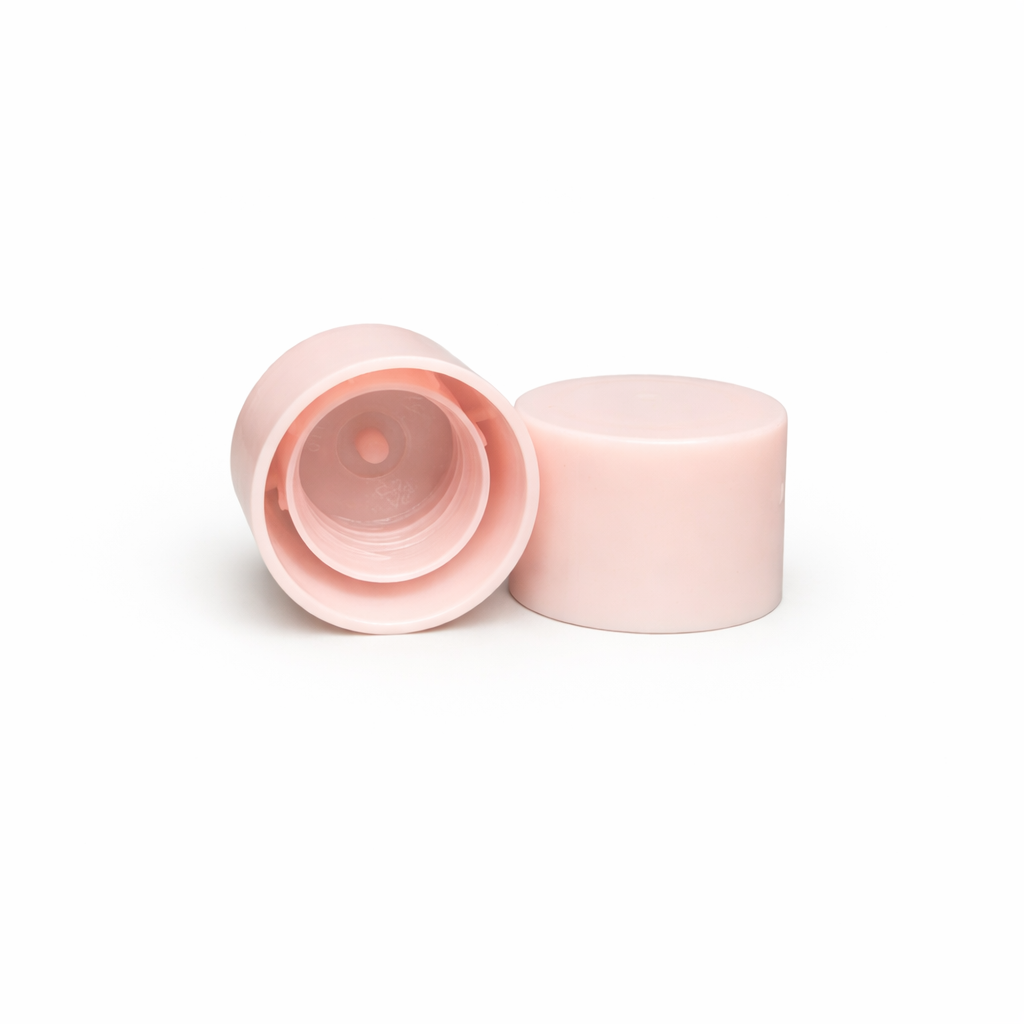
These double-layer plastic caps are perfect for toner and lotion bottles, safe, leakproof and durable.
See Details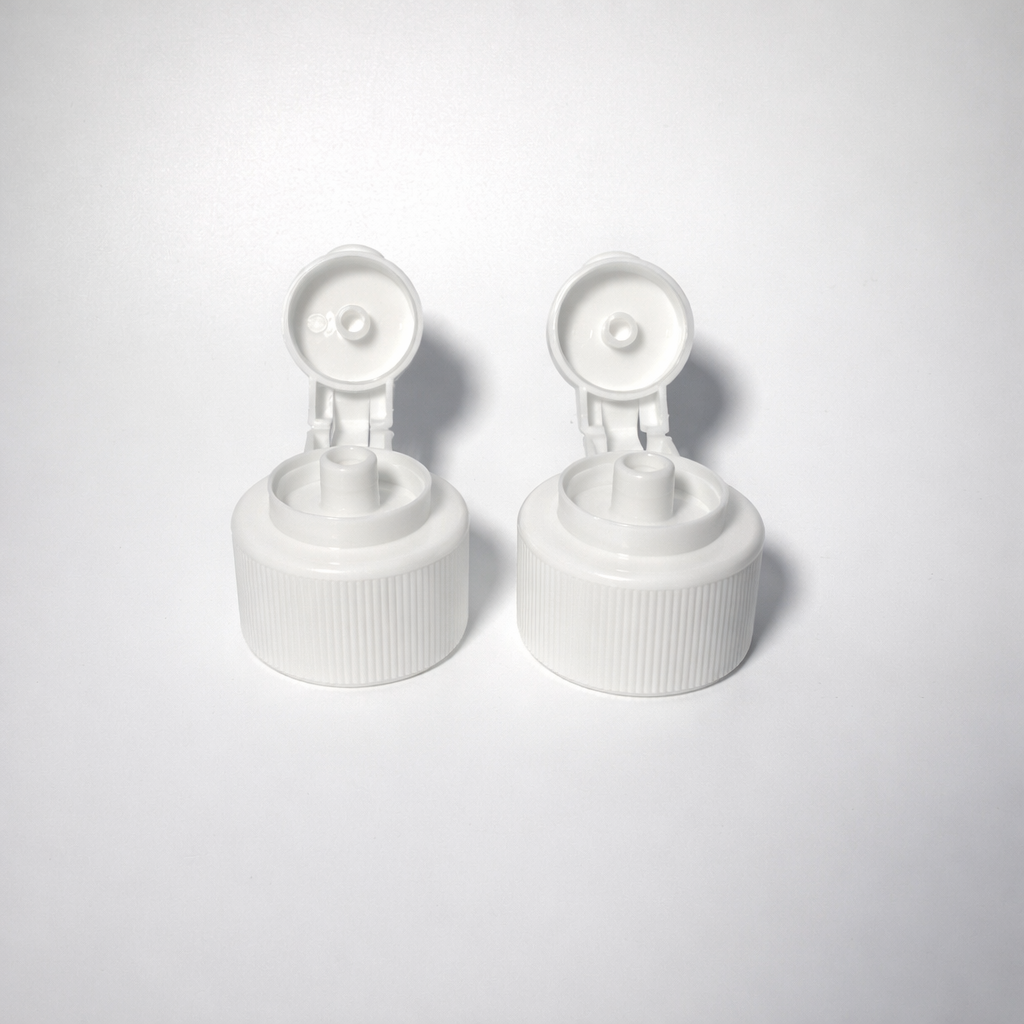
These plastic caps are available in flip and screw-on styles, with customizable colors, suitable for dish soap and shower gel.
See Details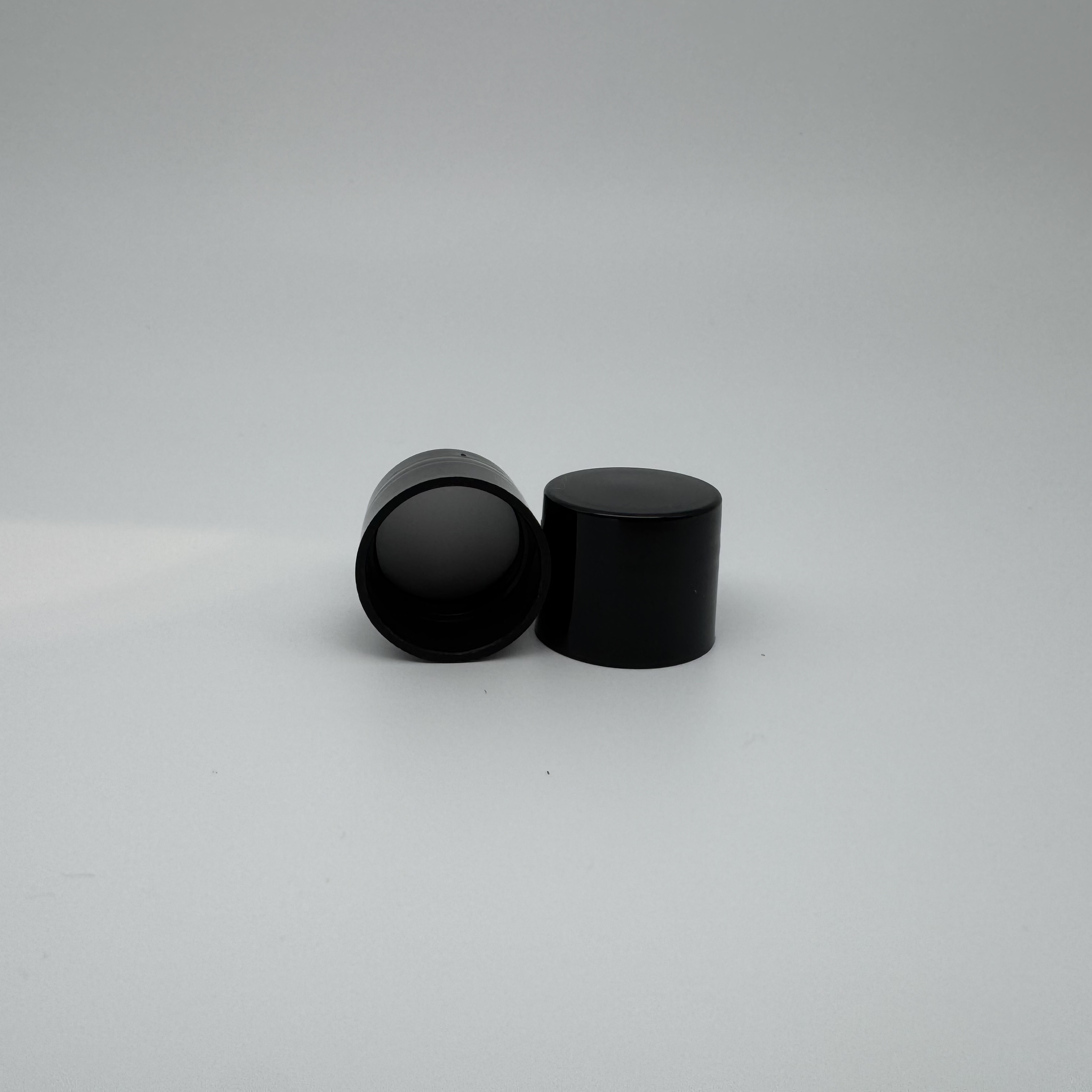
These PP screw caps come with a liner, glossy finish, ideal for lotion and cosmetics, leakproof and durable.
See Details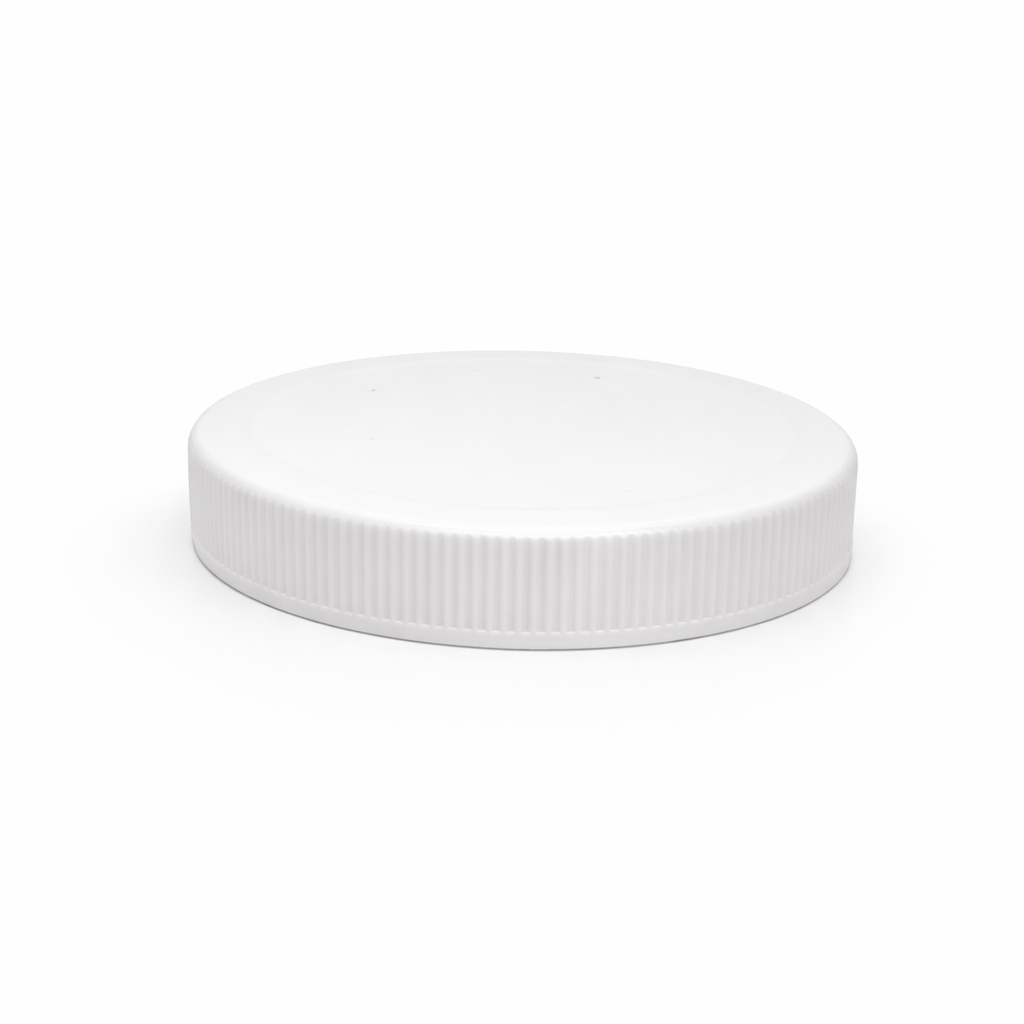
These plastic lids fit wide-mouth cream jars, with good sealing and stable screw design.
See Details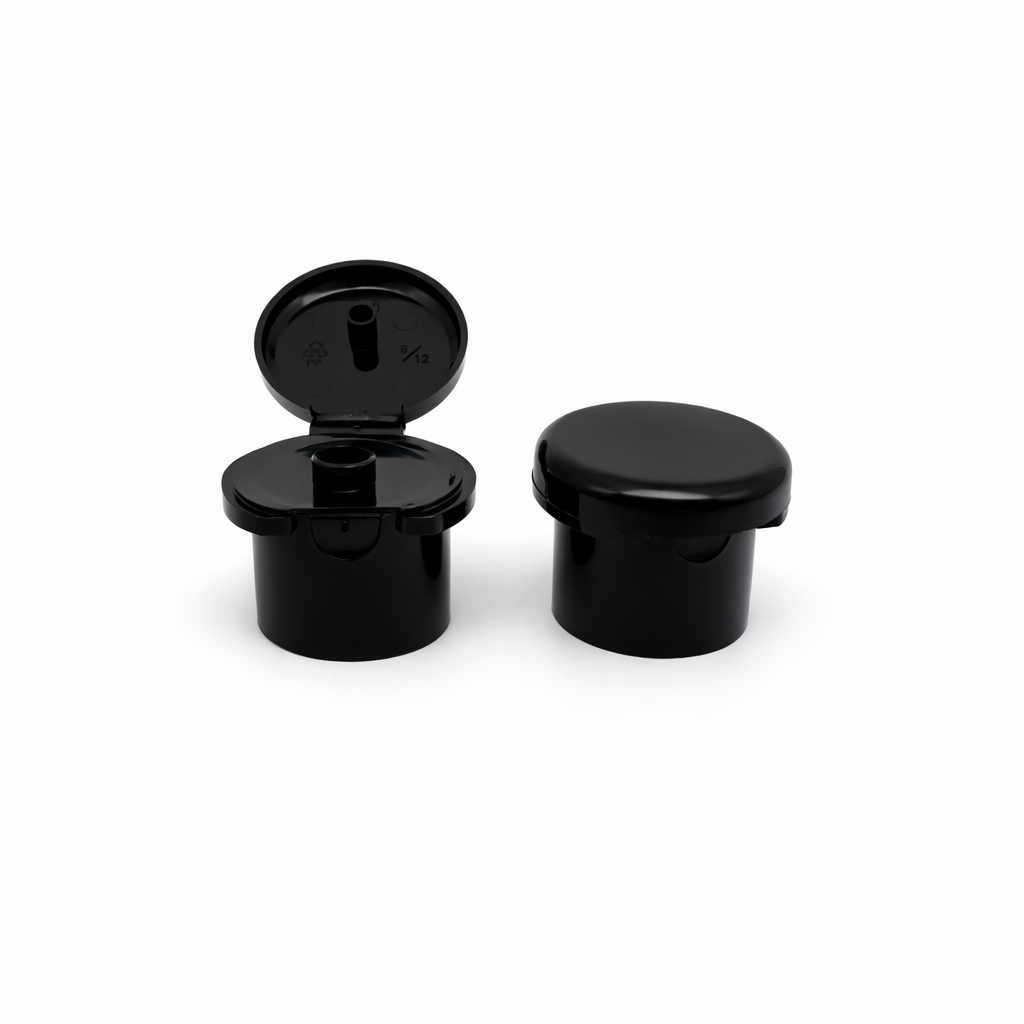
These flip-top screw caps are made of PP, ideal for shampoo and body wash, sturdy and leakproof.
See Details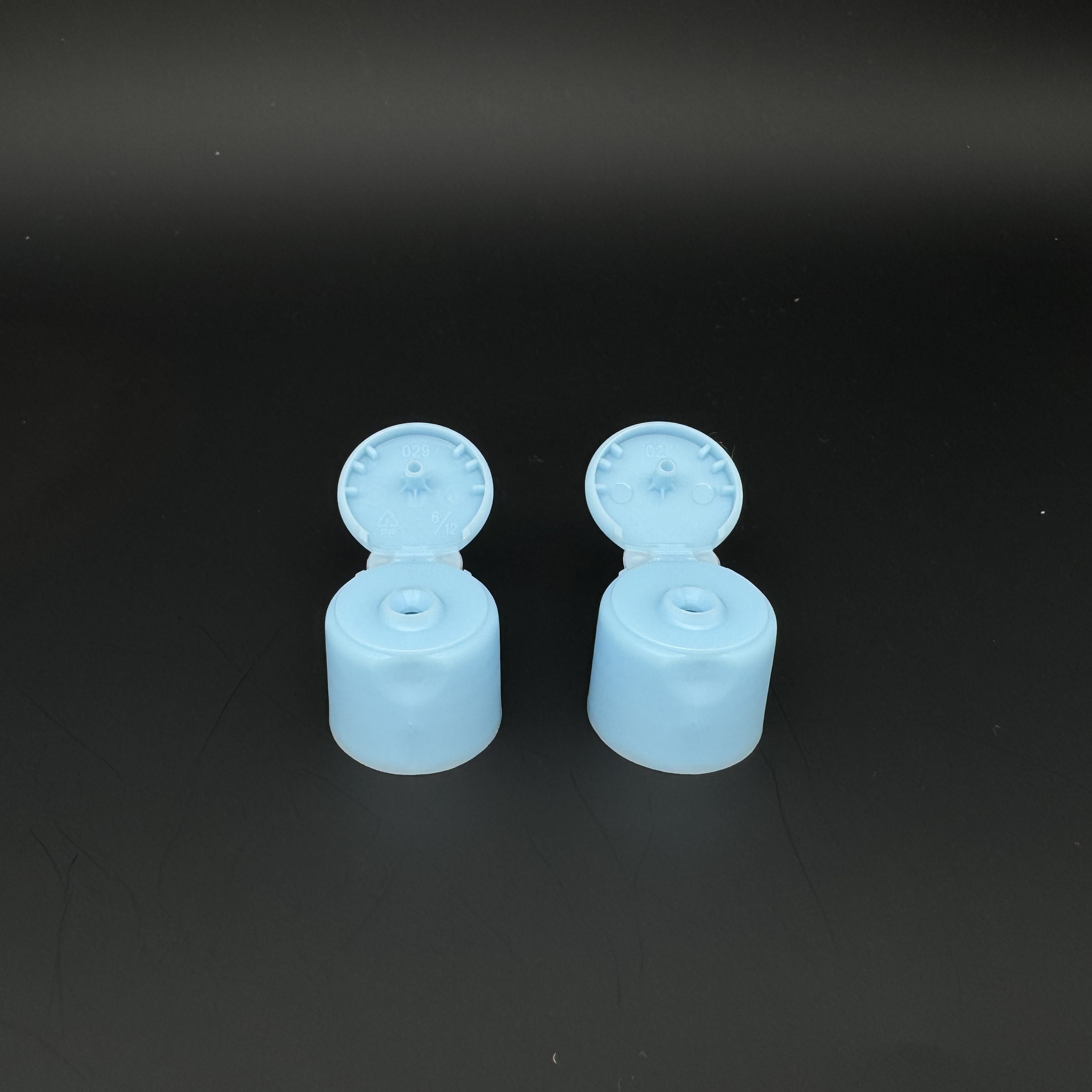
Made of durable PP, frosted flip-top screw cap for lotion, cream and sunscreen, leakproof and stylish.
See Details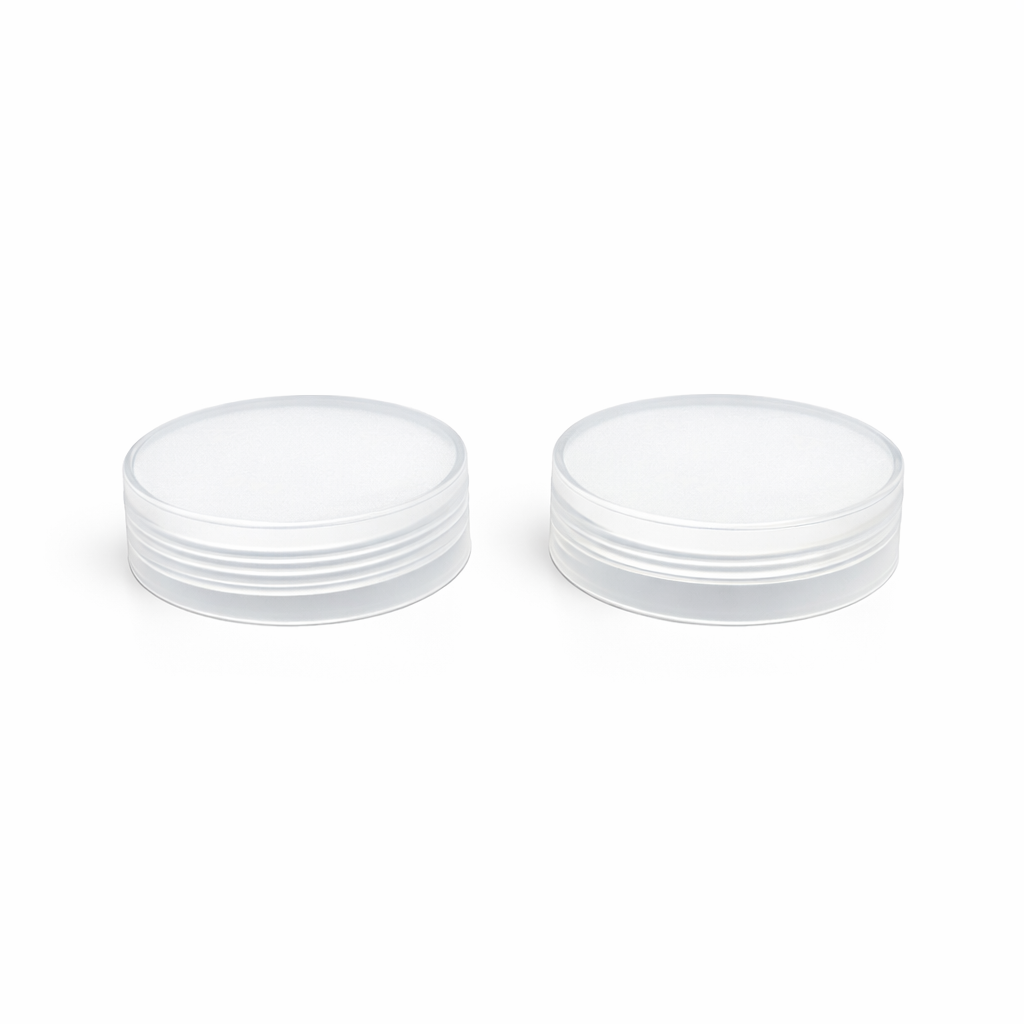
Glossy plastic screw caps with liner, perfect for face cream and hand cream, leakproof and durable.
See Details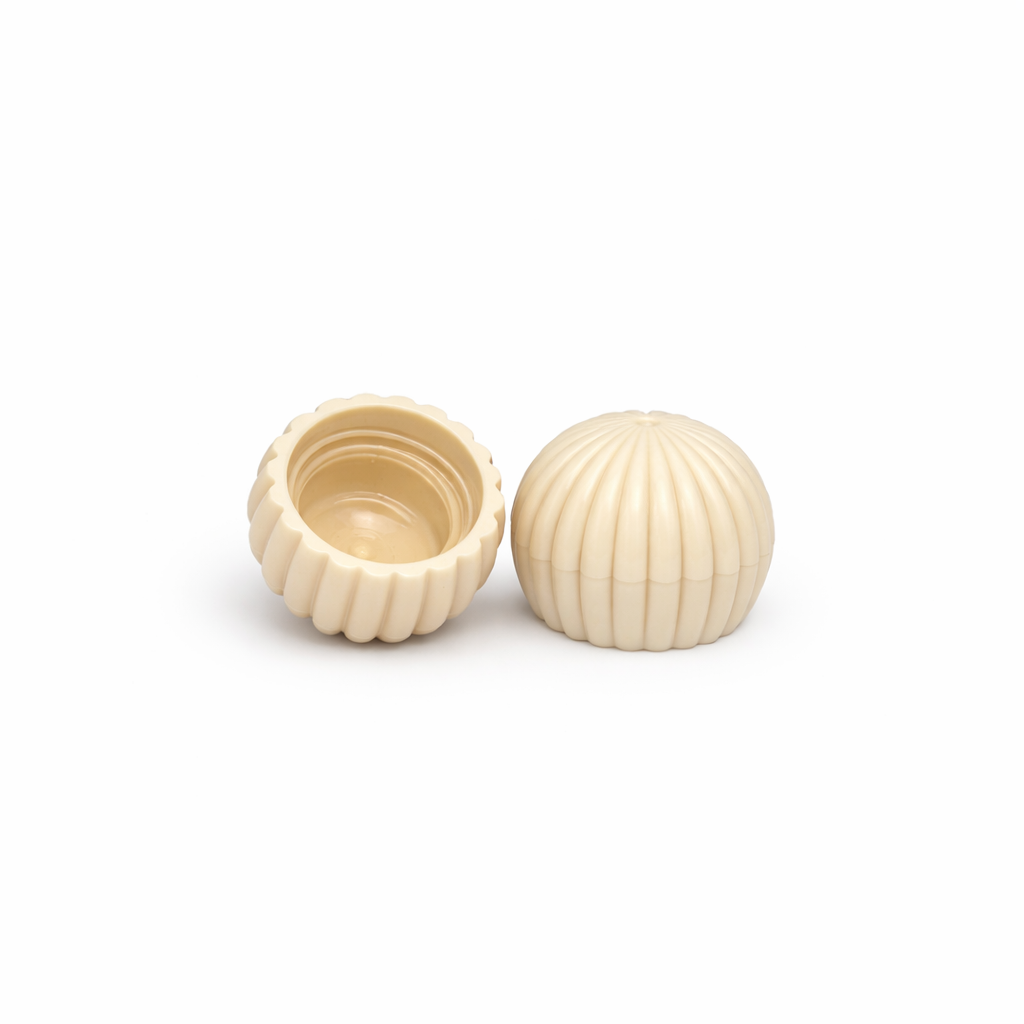
These PP spherical caps come in customizable colors, ideal for laundry liquid and cosmetic lotion, with great sealing.
See DetailsAddress: Building 36, Shanbai Villa, Qiandao Lake Town, Chun'an County, Hangzhou City, Zhejiang Province
TEL: +86 15988456592
Email:iris@happy-packaging.com


