20/410Plastic Double-layer Cap Makeup Water Bottle Cap Cosmetics Lotion Cap HPPC001
These double-layer plastic caps are perfect for toner and lotion bottles, safe, leakproof and durable.
See Details

 Web Menu
 Product Search
 Exit Menu
Airless bottles have become one of the most popular packaging choices for skincare brands — especially for serums, moisturizers, anti-aging products and premium treatment lines.
But choosing an airless bottle is not just about appearance.
The wrong packaging structure can create problems with product dispensing, filling compatibility, customer experience and even production efficiency. For beauty brands, importers and private label businesses, selecting the right airless packaging means balancing function, design, cost and brand positioning.
In this guide, we’ll explain how to choose the right airless bottle based on your product type, packaging goals and manufacturing requirements.
An airless bottle is a dispensing packaging system designed to reduce product exposure to air during use. Instead of using a traditional dip tube, most airless bottles rely on an internal piston or vacuum-style mechanism to push product upward as it is dispensed.
This structure can offer several advantages for skincare products:
Better product protection
More controlled dispensing
Less product waste
A more premium user experience
Improved suitability for higher-value formulas
Airless packaging is commonly used for:
Facial serums
Moisturizers
Eye creams
Essence products
Functional skincare
Anti-aging formulas
The first step in choosing an airless bottle is understanding your formula.
Not all skincare products perform equally well in the same packaging format. A bottle that works for a lightweight serum may not be suitable for a rich cream or a high-viscosity treatment product.
Is your formula thin, medium or thick?
Low-viscosity products such as essence or lightweight serum usually require smooth, controlled output and a stable pump structure.
Medium-viscosity products such as lotion or emulsion often work well in standard airless packaging.
High-viscosity products such as treatment creams may require a stronger pump structure or wider output design.
If your formula contains active ingredients, natural extracts or oxidation-sensitive components, airless packaging may help support a more stable user experience.
Think about how users should interact with the product:
One-handed pump use
Controlled dosage
Premium application feel
Hygienic dispensing
For many skincare brands, airless packaging is chosen not only for product protection, but also because it improves the overall product experience.
Capacity should match both your formula usage pattern and your market positioning.
A luxury eye serum and a daily moisturizer do not need the same packaging size.
15ml / 20ml – eye cream, travel-size serum, high-value treatment
30ml / 40ml / 50ml – facial serum, moisturizer, anti-aging skincare
80ml / 100ml / 120ml – lotion, essence, body care, daily-use products
Ask yourself:
Is this product used once or twice daily?
Is it a premium concentrate or an everyday skincare item?
Are you targeting retail, gift sets or travel kits?
Does your brand prefer a compact premium look or a practical daily-use format?
Choosing the right capacity affects not only user experience, but also:
Packaging cost
shipping efficiency
shelf presence
product positioning
Many buyers assume all airless bottles work the same way — but they don’t.
The internal structure and external bottle design can significantly affect performance, appearance and production cost.
These are practical, cost-efficient and widely used for functional skincare products.
Best for:
Mid-range skincare
Daily-use lotion and serum
Brands focused on functionality and cost control
These offer a more premium and substantial appearance, often used for high-end skincare or giftable product lines.
Best for:
Premium serum lines
Anti-aging collections
High-end moisturizers
Luxury beauty packaging
These are increasingly used by sustainability-focused and premium skincare brands.
Best for:
Refillable skincare concepts
Sustainable packaging collections
Long-term brand differentiation
However, refillable systems may also require more planning in terms of:
structure complexity
mold options
assembly consistency
cost per unit
Material selection affects much more than just look.
It can influence:
visual quality
hand feel
compatibility
recyclability
production feasibility
cost structure
Often used in practical and recyclable-oriented packaging structures.
Advantages:
Lightweight
functional
widely used
often preferred for simpler sustainable packaging concepts
Commonly used for premium-looking packaging where transparency or a more polished outer appearance is important.
Advantages:
Better visual clarity
clean shelf appearance
suitable for premium skincare presentation
Often used in luxury cosmetic packaging to create a high-end visual effect.
Best for:
Prestige skincare
anti-aging lines
gift-oriented packaging
When choosing materials, do not focus only on “which looks better.”
You should also ask:
Is the packaging suitable for my target price point?
Will this finish be stable in bulk production?
Does this material match my brand positioning?
Is it compatible with my sustainability goals?
One of the most overlooked factors in airless packaging is pump performance.
Even if the bottle looks beautiful, poor dispensing can create customer complaints and damage product perception.
Is the output too little or too much per pump?
Is the pump smooth and consistent?
Does it work well with the formula texture?
Does the bottle empty efficiently?
Is the user experience aligned with the product price point?
For example:
A high-value serum often benefits from controlled low-dose output
A daily moisturizer may need more efficient product dispensing
A richer cream may require stronger pump force or different structure compatibility
This is why choosing an airless bottle should always involve both appearance review and functional evaluation.
Airless packaging is often used for premium skincare — so decoration matters.
Your bottle should support your product positioning, not work against it.
Silk screen printing
Hot stamping
Label application
Spray coating
Matte or glossy finishing
Frosted effect
Metallic-looking decoration
Custom color matching
Minimalist packaging can look premium, but only if the execution is clean.
For skincare brands, packaging decoration should be evaluated based on:
target market
shelf environment
e-commerce display
price positioning
visual consistency across the product line
A common mistake in custom cosmetic packaging projects is focusing too much on design inspiration before understanding manufacturing realities.
Before finalizing an airless bottle, you should confirm:
MOQ
available stock molds
custom mold feasibility
sampling process
decoration lead time
production lead time
packaging assembly requirements
A packaging design that looks attractive in concept may become difficult or expensive if:
MOQ is too high
decoration is too complex
structure assembly is unstable
lead time does not match your launch schedule
The best airless packaging choice is not always the most visually impressive one — it is the one that fits your brand, budget, launch timeline and production needs.
This is a common sourcing question for skincare brands.
More premium positioning
Better product presentation
Cleaner dispensing
Better support for sensitive or higher-value formulas
More advanced user experience
Lower packaging cost
Simpler structure
Practical daily-use packaging
Easier sourcing for large-volume items
For many brands, the best approach is not “airless for everything.”
Instead, use airless packaging strategically for:
hero products
treatment lines
premium skincare SKUs
flagship serum or cream products
This creates stronger perceived value without increasing packaging cost across your entire product range.
Choosing the right packaging supplier is just as important as choosing the bottle itself.
A good supplier should not only offer product catalogs — they should also help you reduce sourcing risk.
packaging recommendations by product type
material and decoration suggestions
sample development
custom color and logo options
packaging compatibility discussion
bulk production support
Which airless bottle structure is best for my formula?
What capacities are available?
Which decoration methods work best on this bottle?
Can you support custom color matching?
Do you offer refillable or PCR options?
What is the sample and production lead time?
A supplier who can answer these questions clearly will save you time and reduce avoidable mistakes during product development.
The right airless bottle should do more than look premium.
It should fit your formula, support your brand image, work well in production and create a better customer experience.
Before making your final choice, evaluate the packaging from multiple angles:
formula compatibility
capacity
structure
material
pump performance
decoration
MOQ and lead time
The more practical your packaging selection process is, the easier it becomes to launch a product that looks professional and performs well in the market.
At Happy Packaging, we help skincare and beauty brands develop custom airless bottle solutions based on product type, packaging goals and sourcing requirements.
We can support you with:
Airless bottle recommendations
Custom colors and logo printing
Decoration and surface finishing
Sampling before bulk production
Packaging solutions for serum, lotion and cream products
Tell us your product type, capacity and packaging style you are looking for — our team can help recommend suitable options for your project.
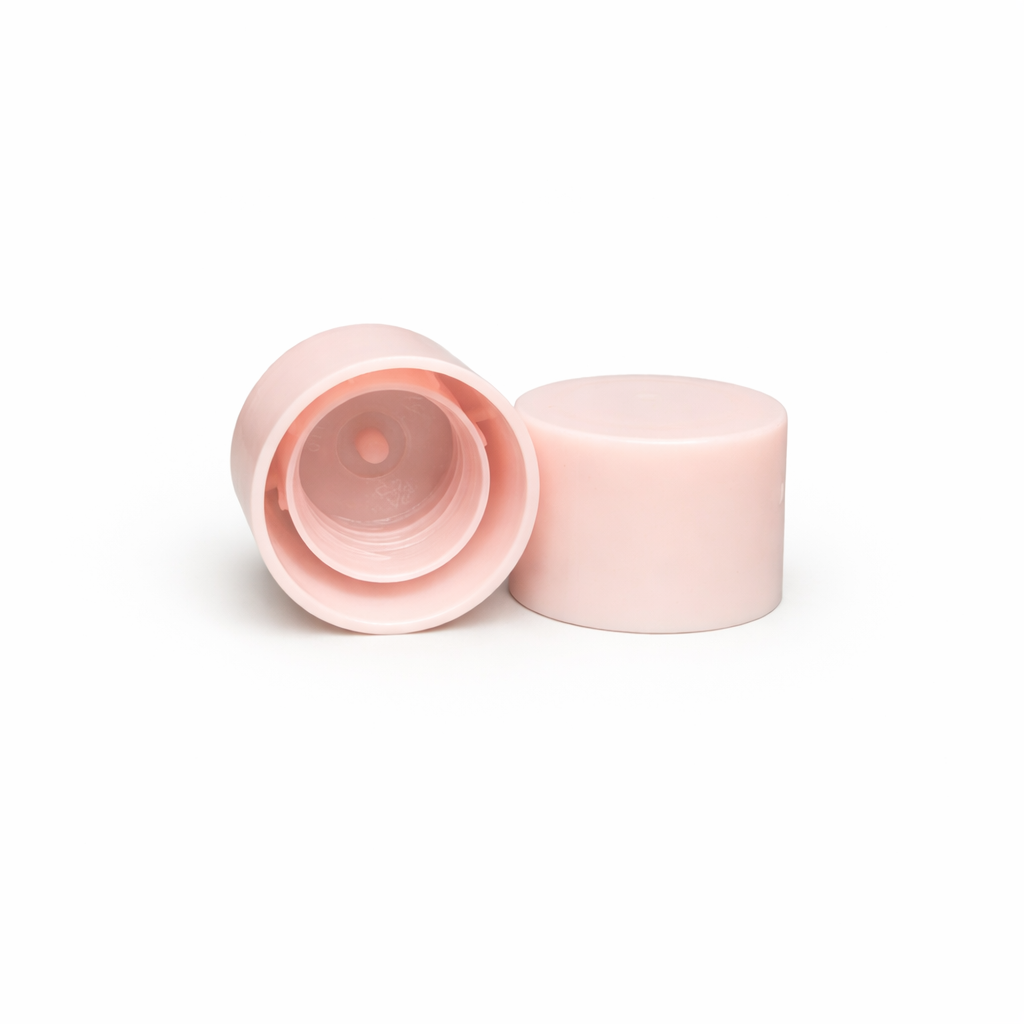
These double-layer plastic caps are perfect for toner and lotion bottles, safe, leakproof and durable.
See Details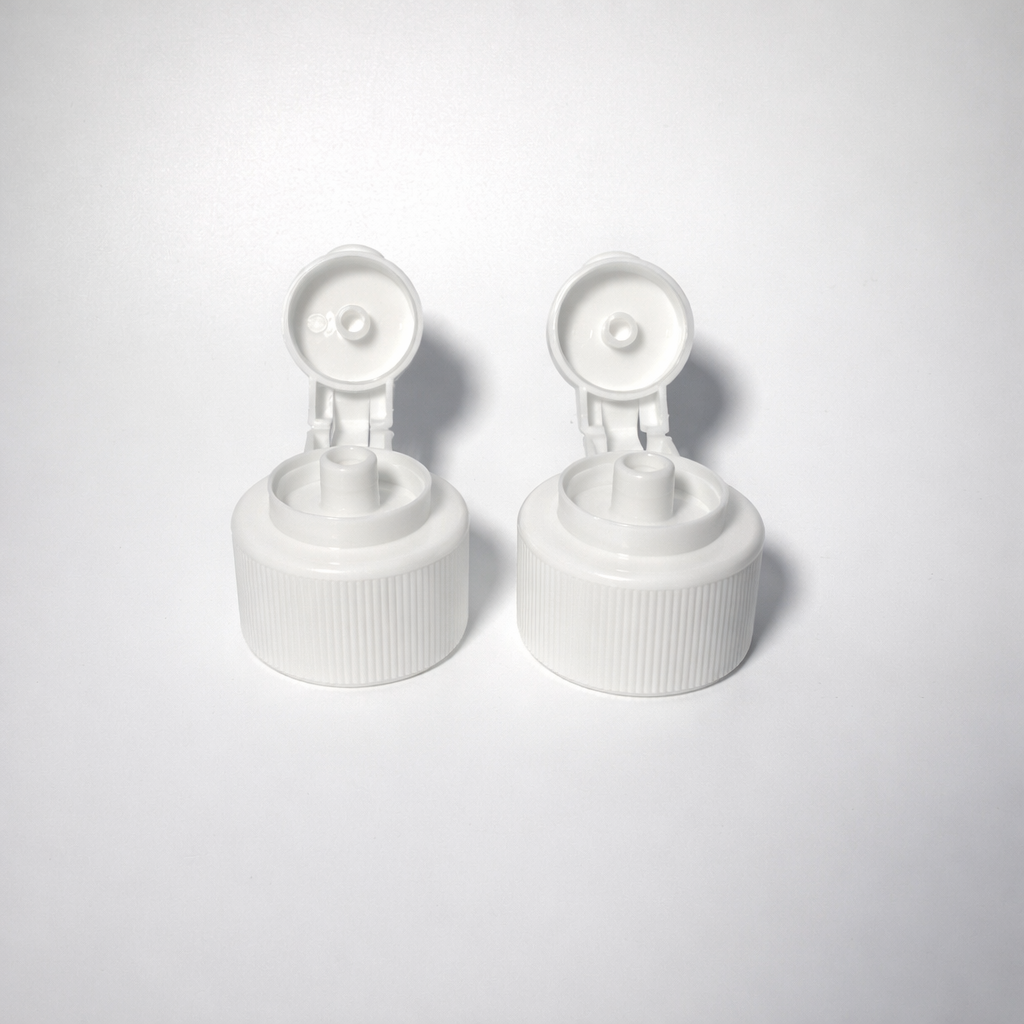
These plastic caps are available in flip and screw-on styles, with customizable colors, suitable for dish soap and shower gel.
See Details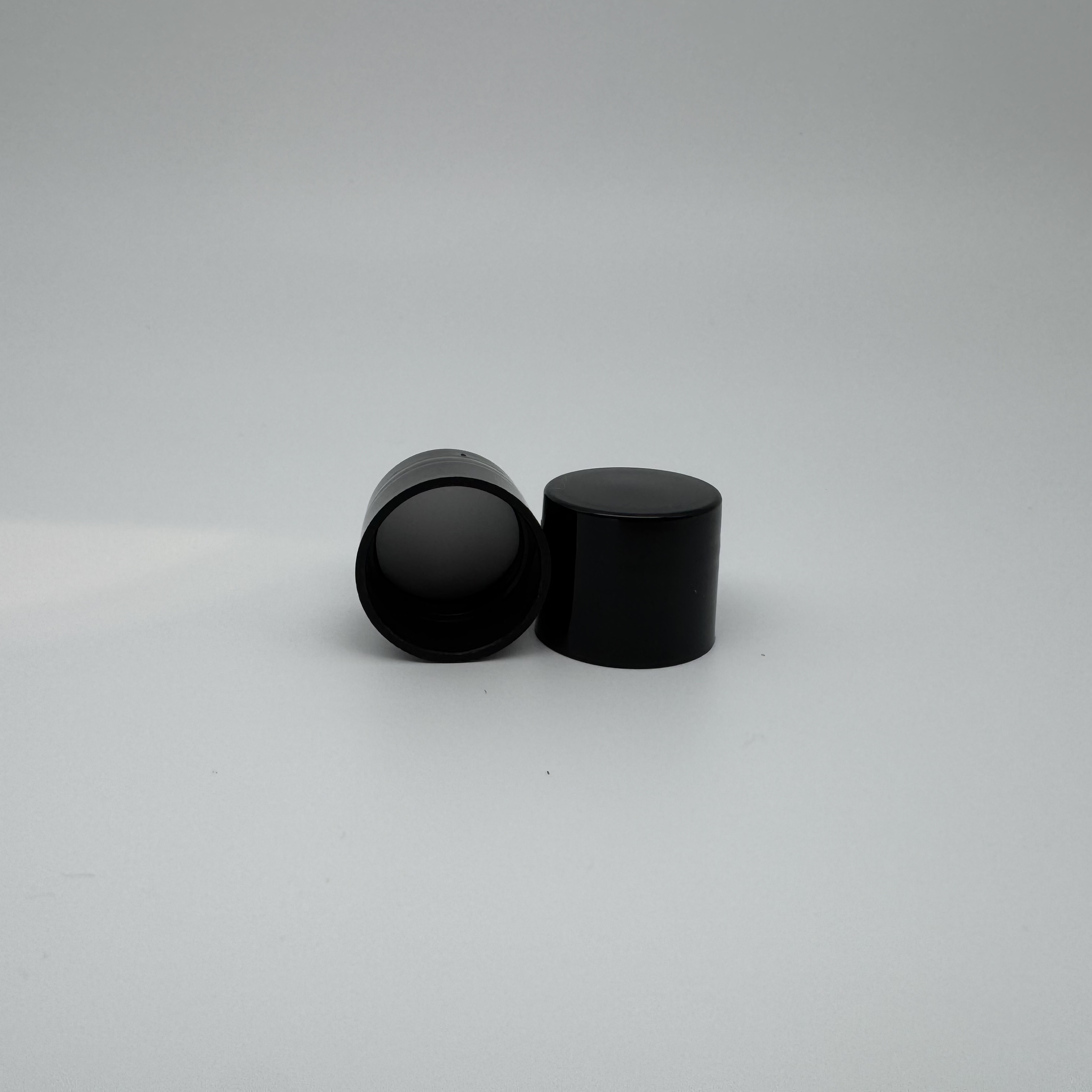
These PP screw caps come with a liner, glossy finish, ideal for lotion and cosmetics, leakproof and durable.
See Details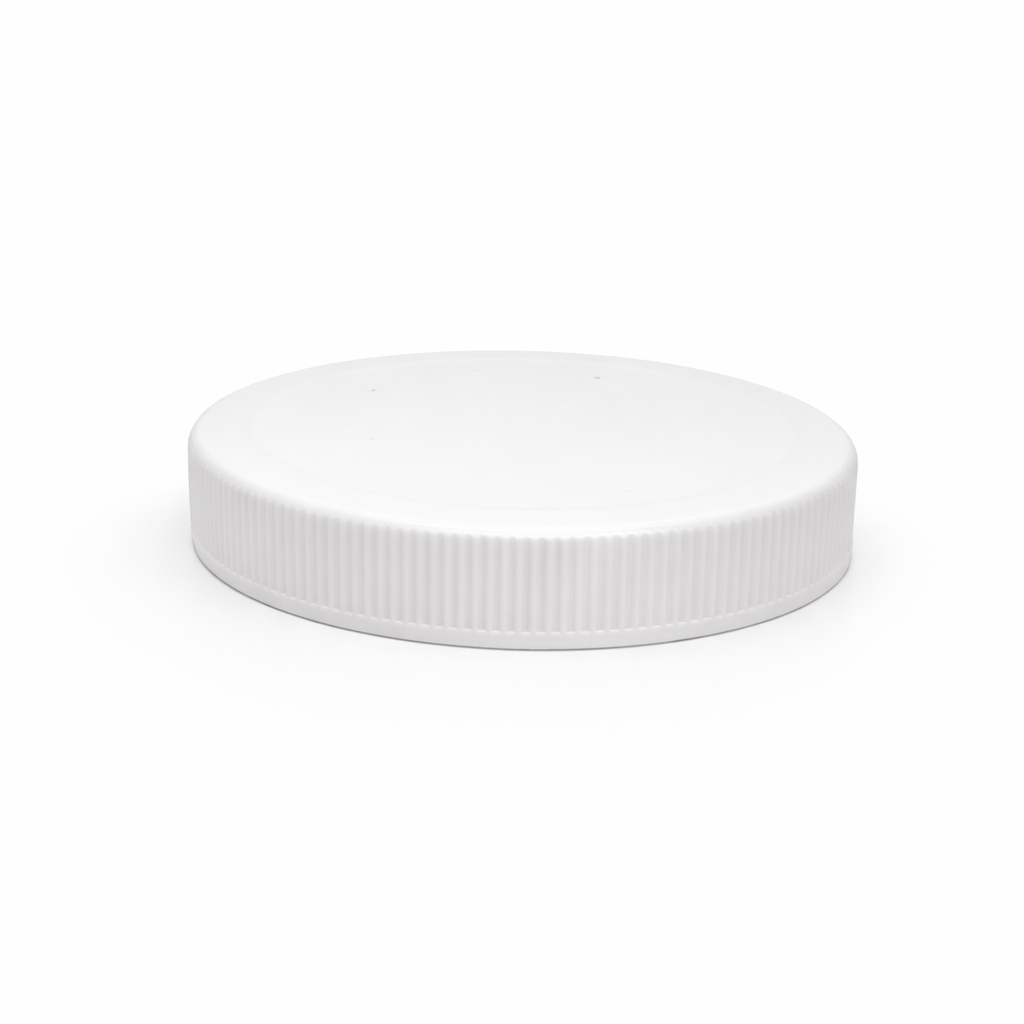
These plastic lids fit wide-mouth cream jars, with good sealing and stable screw design.
See Details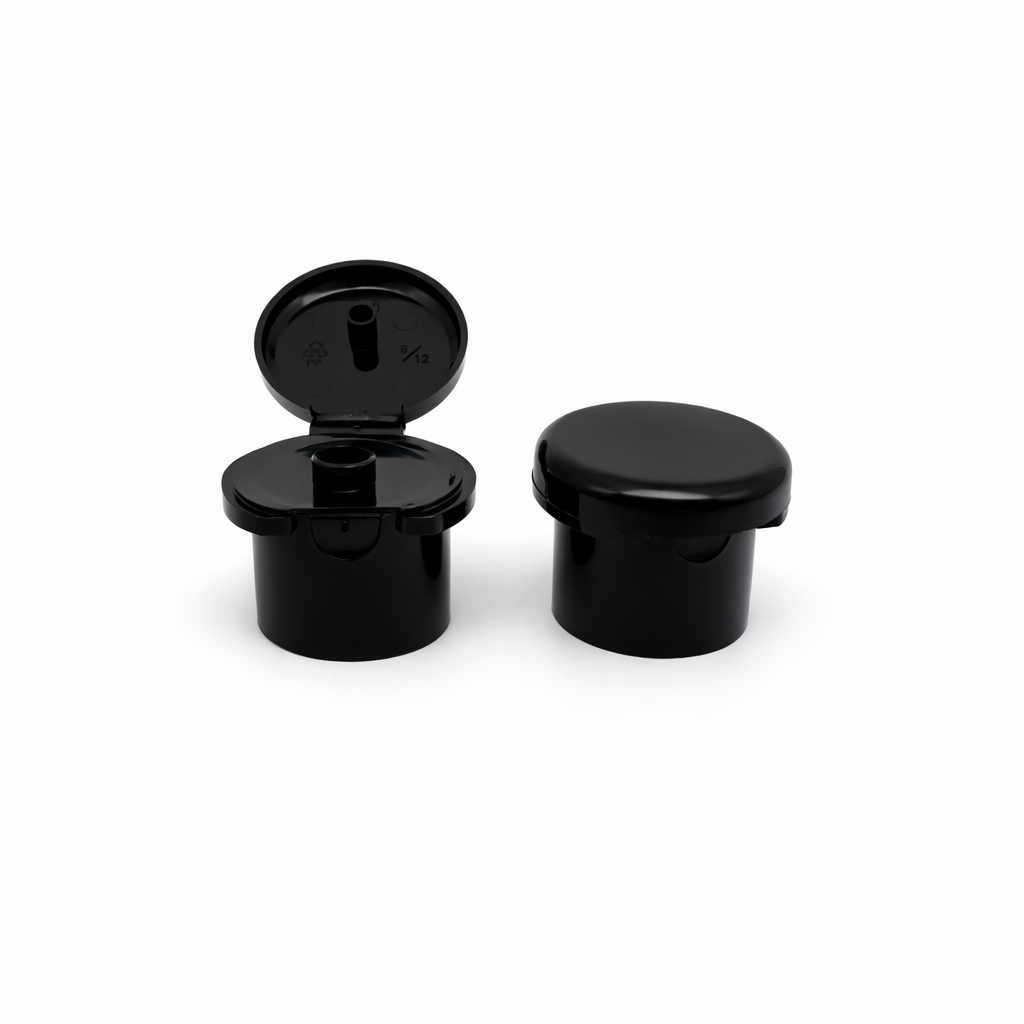
These flip-top screw caps are made of PP, ideal for shampoo and body wash, sturdy and leakproof.
See Details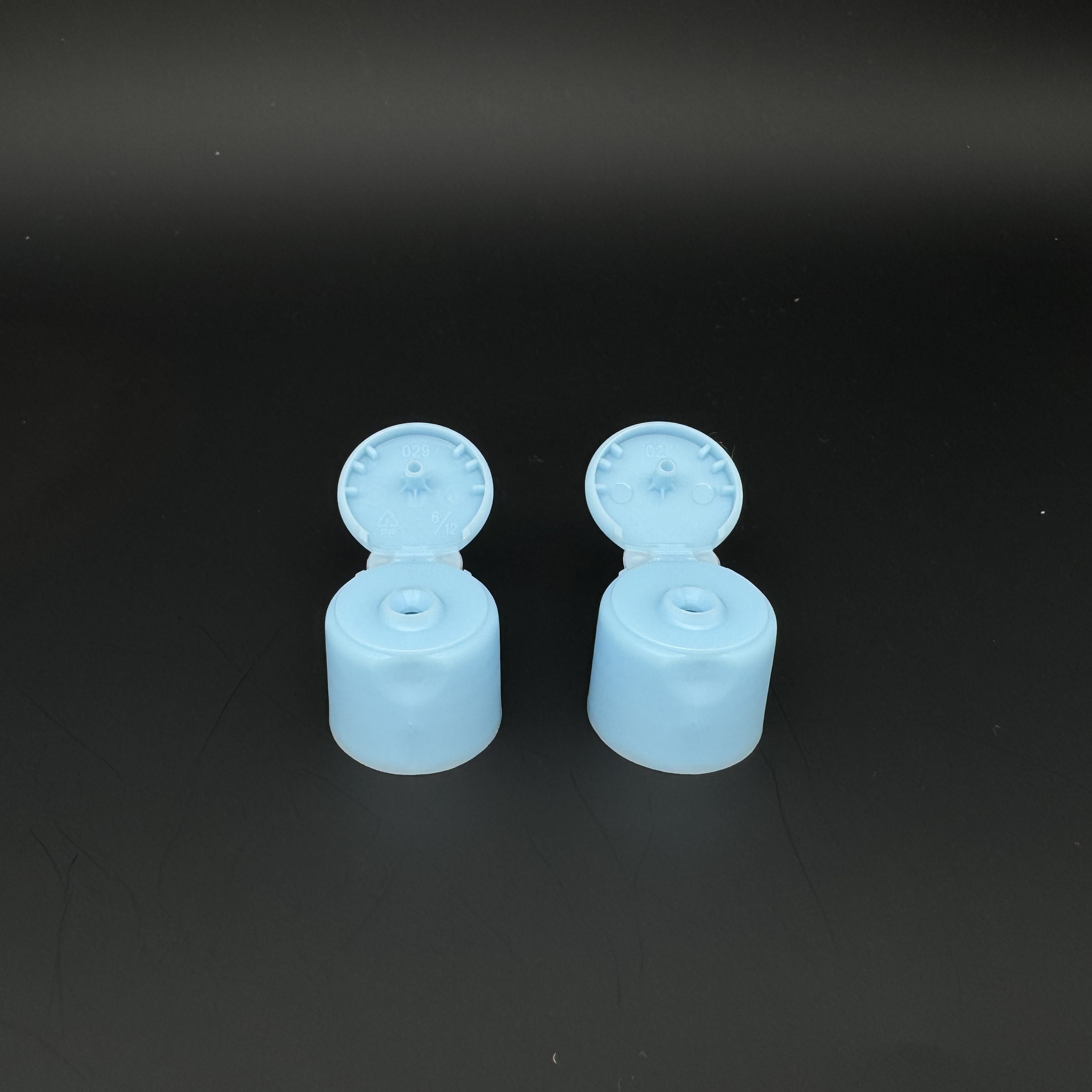
Made of durable PP, frosted flip-top screw cap for lotion, cream and sunscreen, leakproof and stylish.
See Details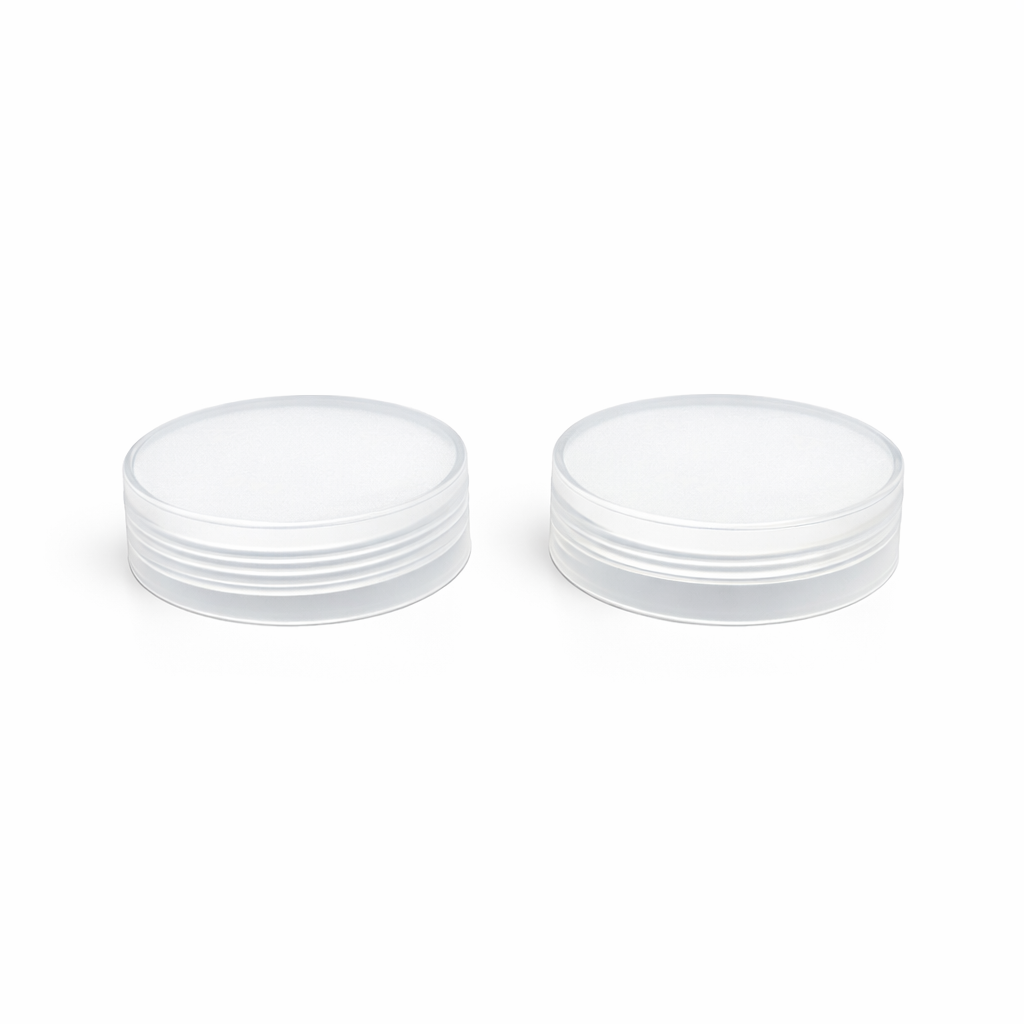
Glossy plastic screw caps with liner, perfect for face cream and hand cream, leakproof and durable.
See Details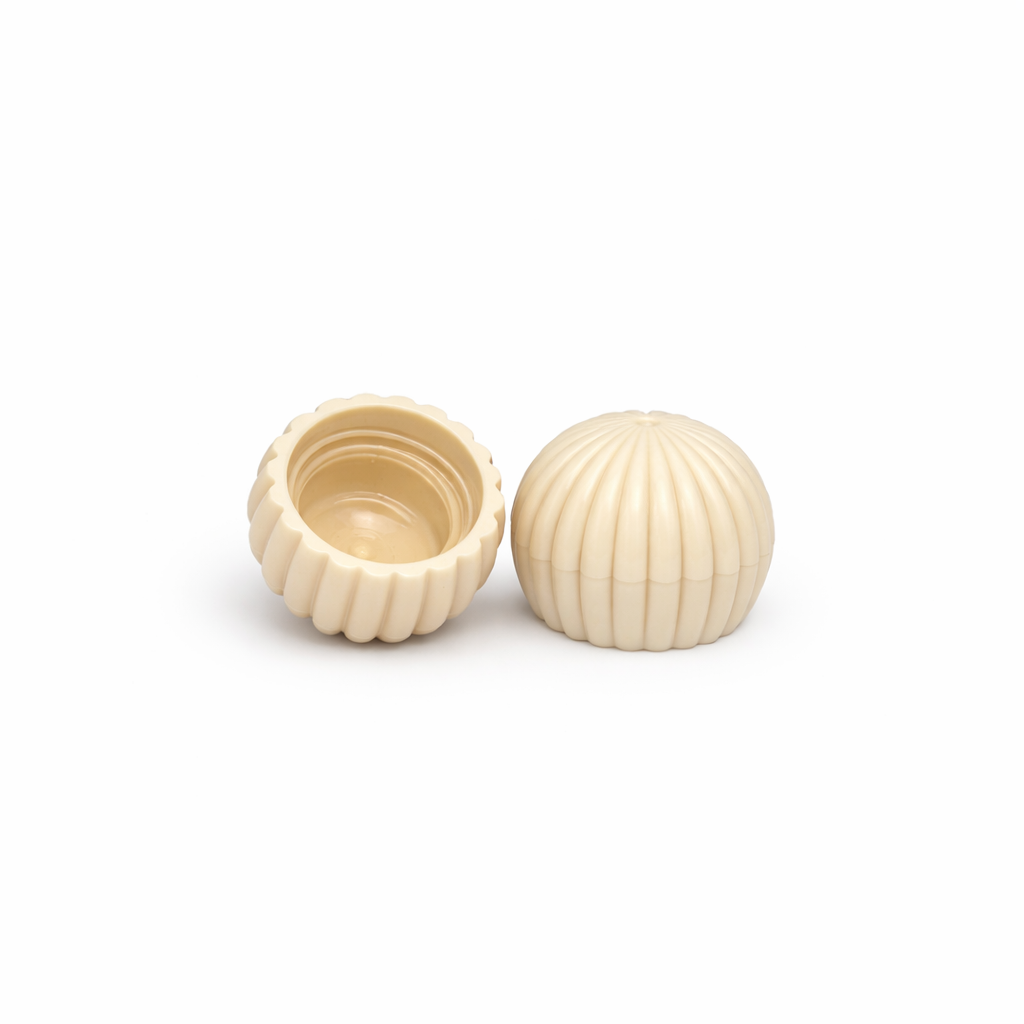
These PP spherical caps come in customizable colors, ideal for laundry liquid and cosmetic lotion, with great sealing.
See DetailsAddress: Building 36, Shanbai Villa, Qiandao Lake Town, Chun'an County, Hangzhou City, Zhejiang Province
TEL: +86 15988456592
Email:iris@happy-packaging.com


