20/410Plastic Double-layer Cap Makeup Water Bottle Cap Cosmetics Lotion Cap HPPC001
These double-layer plastic caps are perfect for toner and lotion bottles, safe, leakproof and durable.
See Details

 Web Menu
 Product Search
 Exit Menu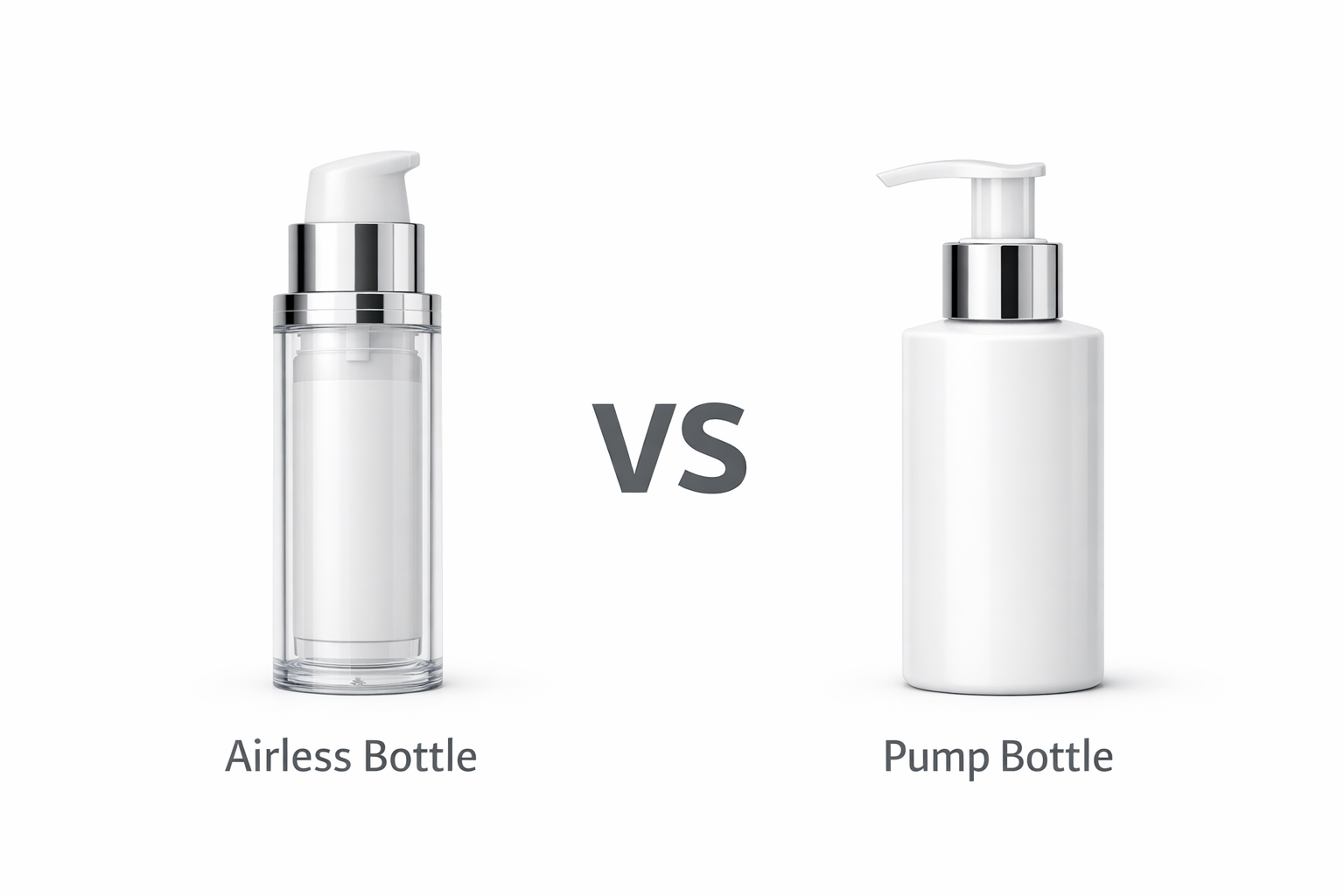
When developing skincare packaging, one of the most common questions beauty brands ask is:
Should we use an airless bottle or a standard pump bottle?
At first glance, these two packaging formats may seem similar. Both are commonly used for serum, lotion and cream products. Both can be customized for branding and shelf presentation. And both are widely used across skincare and personal care categories.
But in practice, the choice between an airless bottle and a pump bottle can affect much more than appearance.
It can influence:
product protection
user experience
packaging cost
production feasibility
brand positioning
long-term packaging strategy
For skincare brands, importers and private label buyers, understanding the difference is important before moving into sampling or bulk production.
In this guide, we’ll compare airless bottles and pump bottles from a practical sourcing and product development perspective.
An airless bottle is a dispensing packaging system designed to reduce product exposure to air during use. Instead of relying on a traditional dip tube, most airless bottles use an internal piston or vacuum-style mechanism to push the product upward.
This packaging structure is often used for:
serums
moisturizers
anti-aging products
treatment creams
premium skincare lines
Airless bottles are often selected for products that require a more advanced or premium packaging experience.
A standard pump bottle is one of the most commonly used packaging formats in skincare and personal care. It typically uses a dip tube connected to a pump head, allowing product to be dispensed with each press.
Pump bottles are widely used for:
lotions
cleansers
toners
body care products
daily-use skincare
hair care products
Because of their practical structure and broad compatibility, pump bottles remain one of the most cost-efficient packaging options for many product lines.
One of the biggest reasons brands choose airless packaging is product protection.
Airless bottles are generally preferred when the product needs a more controlled dispensing system and reduced exposure to external air during use.
This can be especially relevant for:
active skincare formulas
premium treatment products
higher-value skincare lines
products positioned as more advanced or performance-driven
Standard pump bottles are still widely used and highly practical, but they are generally chosen more for convenience and cost-efficiency than for premium product protection positioning.
If your product is positioned as high-value, performance-focused or premium, an airless bottle often makes more sense.
If your product is positioned as practical, everyday skincare, a pump bottle may be more suitable.
Packaging is not only functional — it also shapes how customers perceive your product.
Airless bottles often feel:
cleaner
more modern
more premium
more controlled in use
They are often associated with:
advanced skincare
anti-aging products
prestige beauty lines
higher-end branding
For brands selling in competitive skincare markets, this packaging format can help increase perceived value.
Pump bottles often feel:
practical
familiar
easy to use
suitable for larger-volume products
They are commonly associated with:
daily skincare
body care
family-use products
commercial-volume packaging
If you want your product to feel elevated and treatment-oriented, airless packaging usually supports that image better.
If you want your product to feel simple, accessible and practical, pump bottles may be the stronger choice.
Different skincare products may require different packaging logic.
Airless bottles are often better suited for:
facial serums
moisturizers
anti-aging skincare
eye care products
treatment creams
premium emulsions
These products often benefit from:
more precise dispensing
more premium appearance
stronger shelf presentation
Pump bottles are often better suited for:
body lotion
cleanser
toner
sunscreen
hair serum
daily-use skincare products
These products often benefit from:
easier large-volume use
lower packaging cost
practical user handling
This is not a strict rule.
Some brands successfully use pump bottles for premium products, while others use airless bottles for mass-market products. The best choice depends on your formula, target market and brand positioning.
Cost is often one of the most important factors in packaging selection.
Airless bottles are generally more expensive than standard pump bottles because they usually involve:
more complex internal structure
more assembly components
more premium external design
more advanced packaging engineering
This makes them a stronger fit for:
hero products
flagship SKUs
high-margin skincare items
premium collections
Pump bottles are generally more cost-efficient and easier to scale across larger product ranges.
They are often a better fit for:
daily-use products
larger-volume packaging
cost-sensitive product lines
entry-level or mass-market skincare
Many skincare brands do not need to choose one packaging type for everything.
A more effective strategy is often:
use airless bottles for premium hero products
use pump bottles for daily-use or volume-driven items
This helps brands manage packaging cost while still creating a premium perception where it matters most.
Both airless bottles and pump bottles can be customized, but they often create different visual impressions.
Airless packaging is often used when brands want a more elevated shelf appearance.
Popular decoration options include:
matte finishing
frosted effect
metallic-style details
silk screen printing
hot stamping
custom color matching
Because airless bottles are frequently used for premium skincare, they are often designed to feel more polished and substantial.
Pump bottles can also be highly customizable, especially for modern skincare and personal care brands.
They are commonly used for:
minimalist packaging design
practical skincare ranges
large-capacity body care
clean and functional product lines
If your packaging must support a high-end visual identity, airless bottles often offer stronger visual positioning.
If your packaging needs to balance cost, simplicity and function, pump bottles are often more flexible.
Many packaging decisions look easy in concept but become more complicated during production.
That’s why it’s important to compare not only design — but also sourcing practicality.
available capacities
MOQ
stock mold vs custom mold options
decoration compatibility
sample lead time
production lead time
filling compatibility
packaging assembly requirements
Airless bottles may require more careful evaluation during development because the dispensing structure is more complex.
This means buyers should pay closer attention to:
pump smoothness
formula compatibility
output consistency
overall assembly quality
Pump bottles are generally easier to source across a wider range of product categories, especially for brands looking for practical packaging with faster commercialization potential.
If your project requires simpler development and easier scale-up, pump bottles may offer more flexibility.
If your project prioritizes premium positioning and advanced product presentation, airless bottles are often worth the extra packaging investment.
Sustainability is becoming an increasingly important packaging factor for beauty brands, especially in the US and European markets.
Both airless bottles and pump bottles can be adapted into more sustainability-oriented packaging strategies depending on structure and material choices.
Some brands choose airless packaging for:
refillable concepts
premium long-life packaging
reusable outer packaging systems
Pump bottles are often easier to integrate into:
simple recyclable packaging lines
cost-efficient refill systems
larger-volume sustainable product ranges
Instead of asking “Which is more sustainable?” in a generic way, brands should ask:
Which format fits our product lifecycle?
Which structure works for our refill or material strategy?
Which option aligns with our market positioning?
Sustainable packaging should always be practical, not just marketable.
There is no single best answer for every skincare product.
The right packaging depends on what you are trying to achieve.
more premium brand positioning
stronger perceived product value
cleaner dispensing experience
packaging for serum, treatment or hero skincare products
a more advanced packaging look
lower packaging cost
practical daily-use packaging
simpler sourcing and production
packaging for lotion, cleanser or larger-volume products
broader flexibility across product lines
Choosing between an airless bottle and a pump bottle is not only a design decision.
It is also a product strategy decision.
The best packaging should support:
your formula
your target customer
your price point
your launch plan
your long-term brand positioning
For many skincare brands, the strongest approach is not to choose one packaging style for everything — but to use each packaging format where it creates the most value.
At Happy Packaging, we help skincare and beauty brands choose packaging solutions based on product type, branding goals and sourcing requirements.
We can support your project with:
Airless bottle recommendations
Pump bottle options
Custom colors and logo printing
Packaging decoration support
Sampling before bulk production
Tell us your product type, target market and packaging style — we’ll help you recommend suitable packaging options for your project.
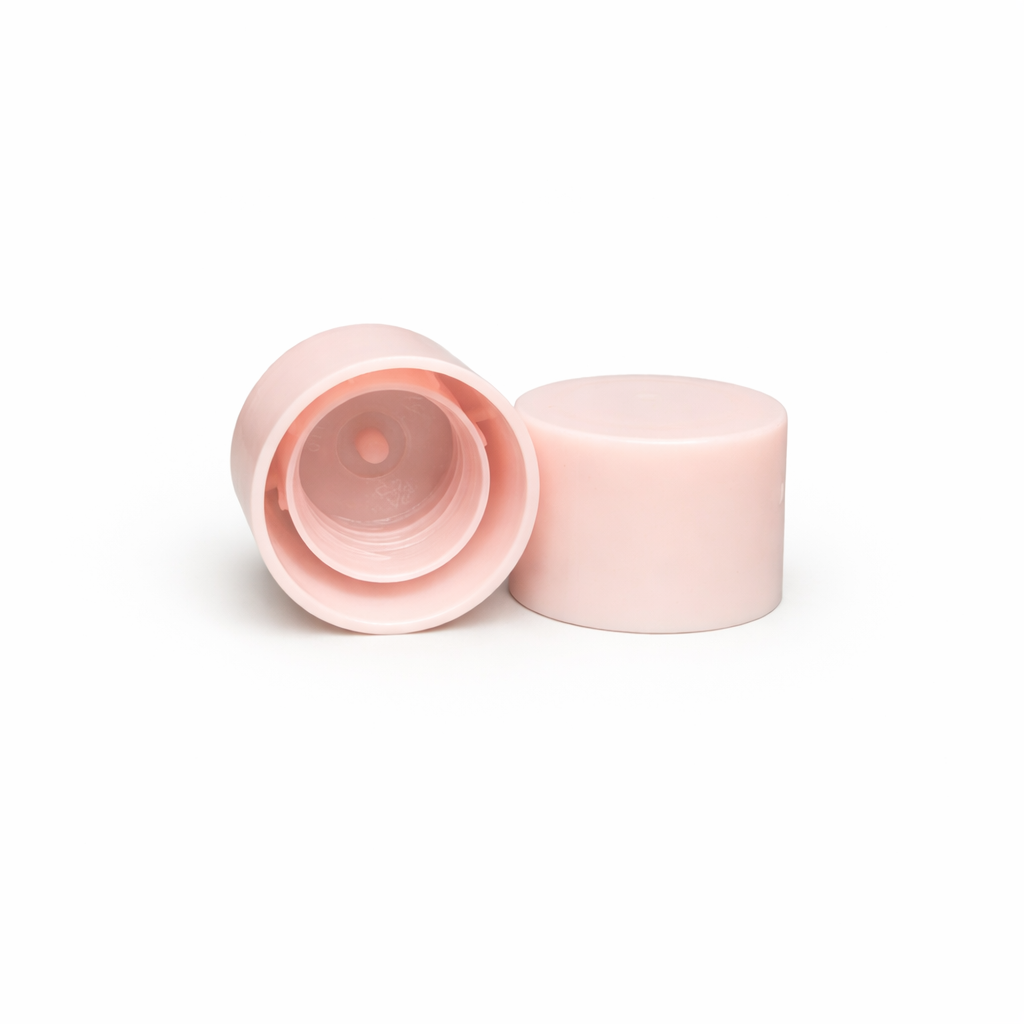
These double-layer plastic caps are perfect for toner and lotion bottles, safe, leakproof and durable.
See Details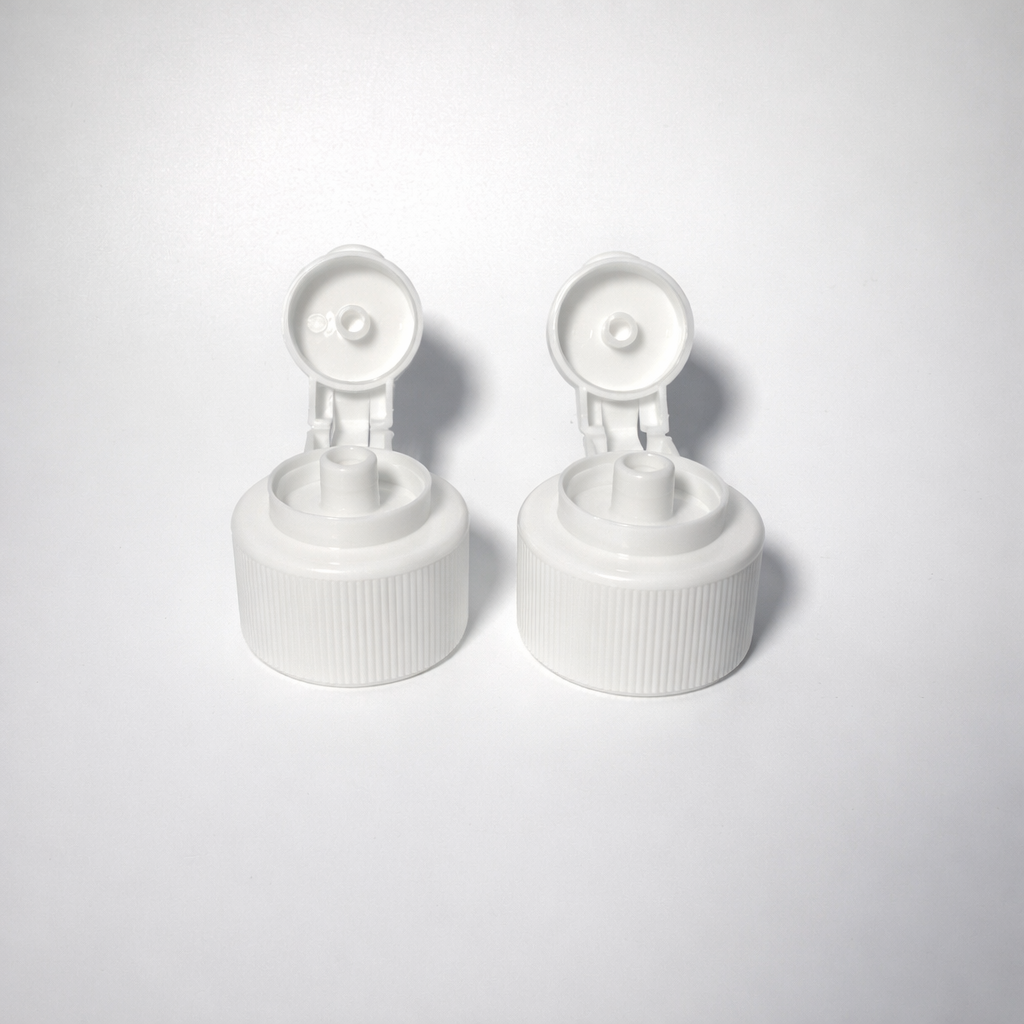
These plastic caps are available in flip and screw-on styles, with customizable colors, suitable for dish soap and shower gel.
See Details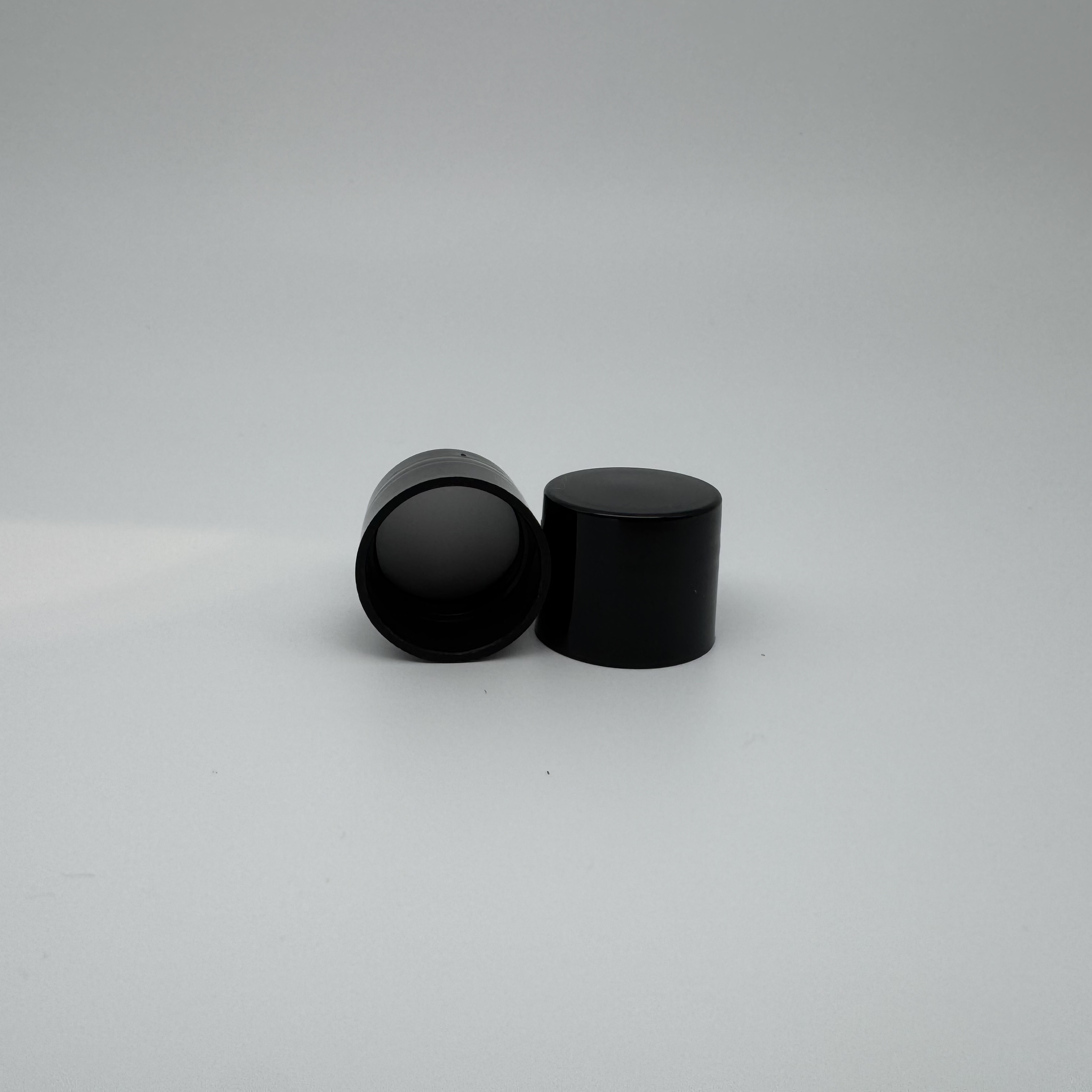
These PP screw caps come with a liner, glossy finish, ideal for lotion and cosmetics, leakproof and durable.
See Details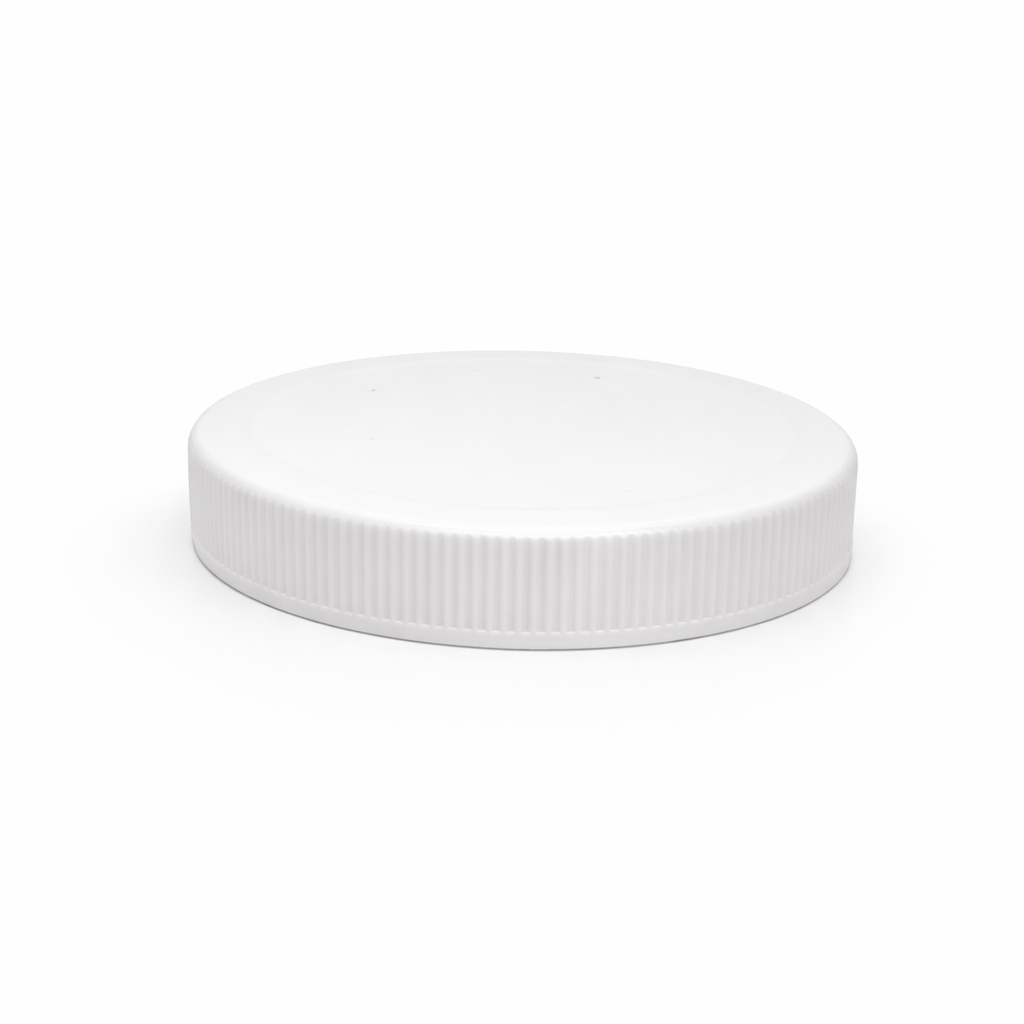
These plastic lids fit wide-mouth cream jars, with good sealing and stable screw design.
See Details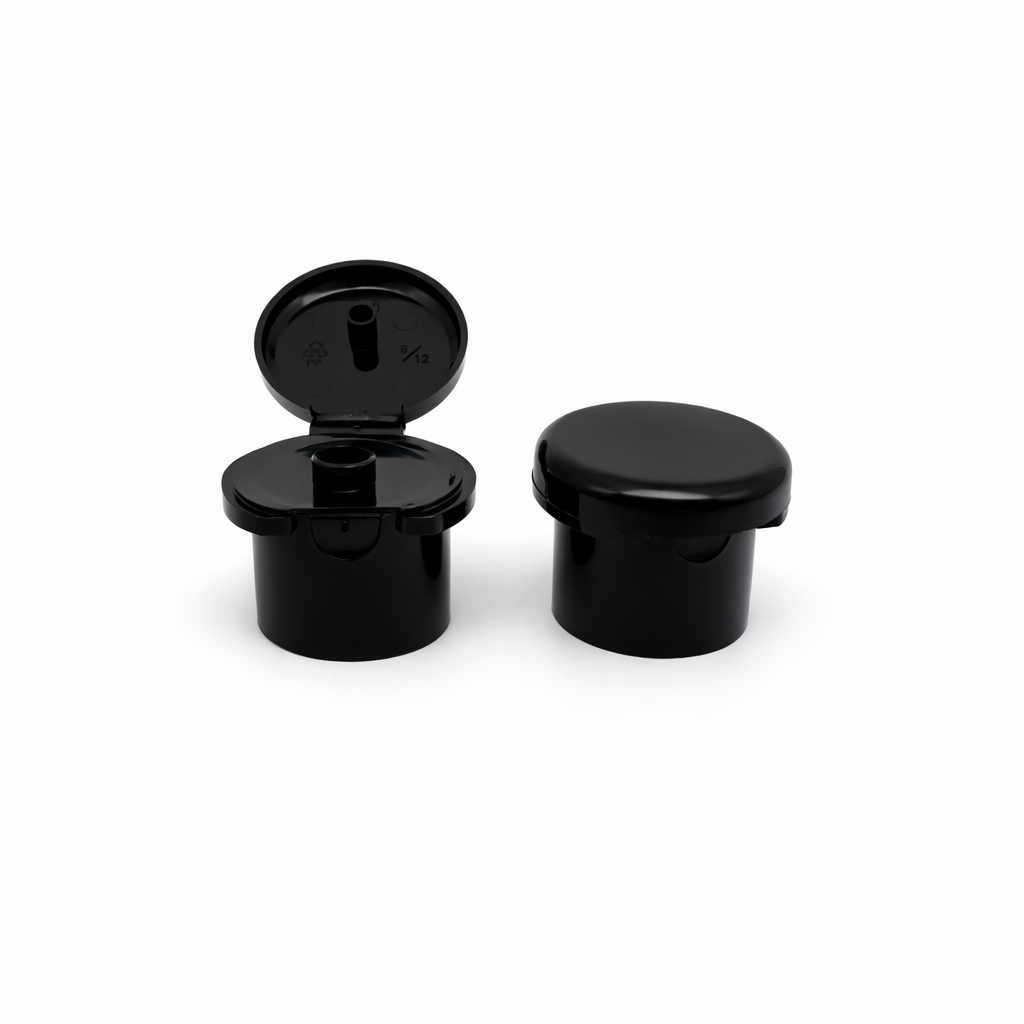
These flip-top screw caps are made of PP, ideal for shampoo and body wash, sturdy and leakproof.
See Details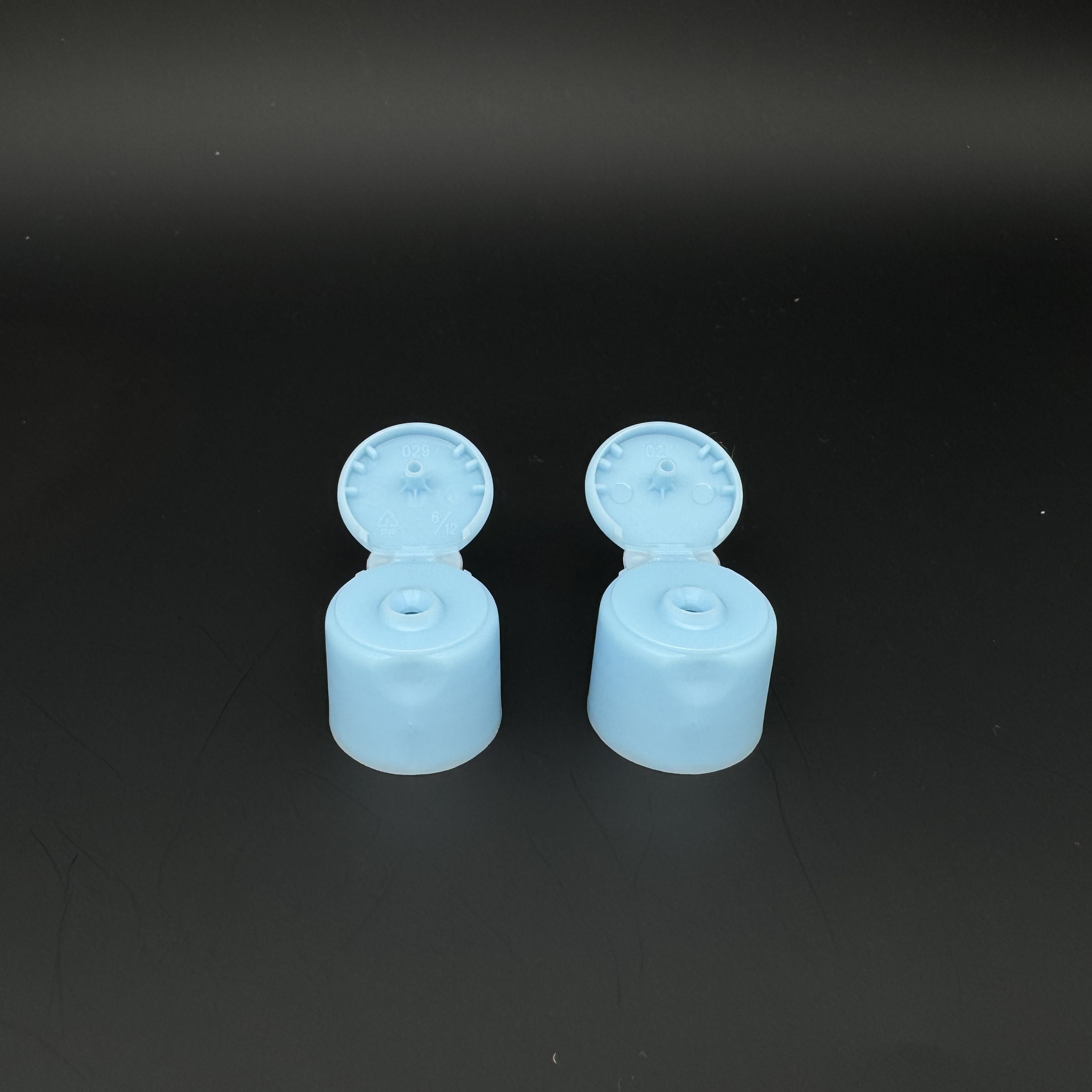
Made of durable PP, frosted flip-top screw cap for lotion, cream and sunscreen, leakproof and stylish.
See Details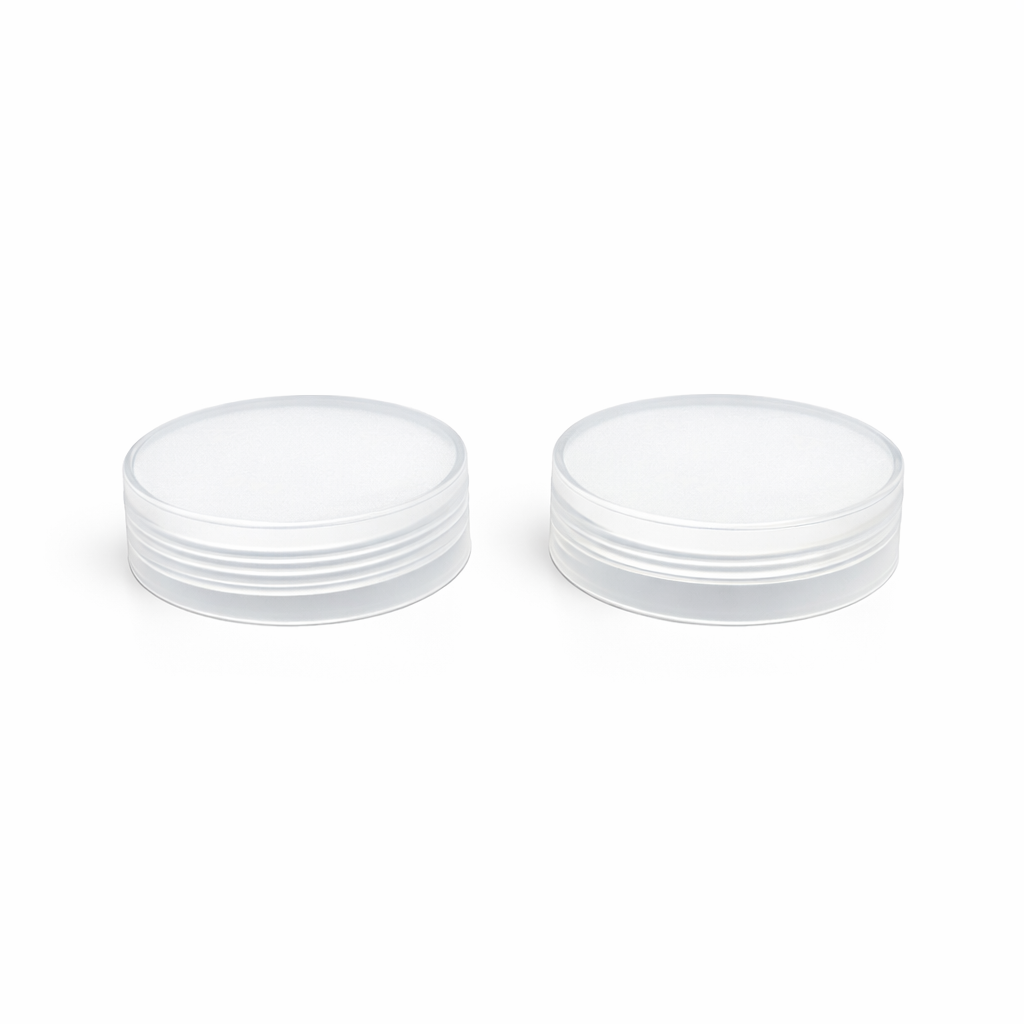
Glossy plastic screw caps with liner, perfect for face cream and hand cream, leakproof and durable.
See Details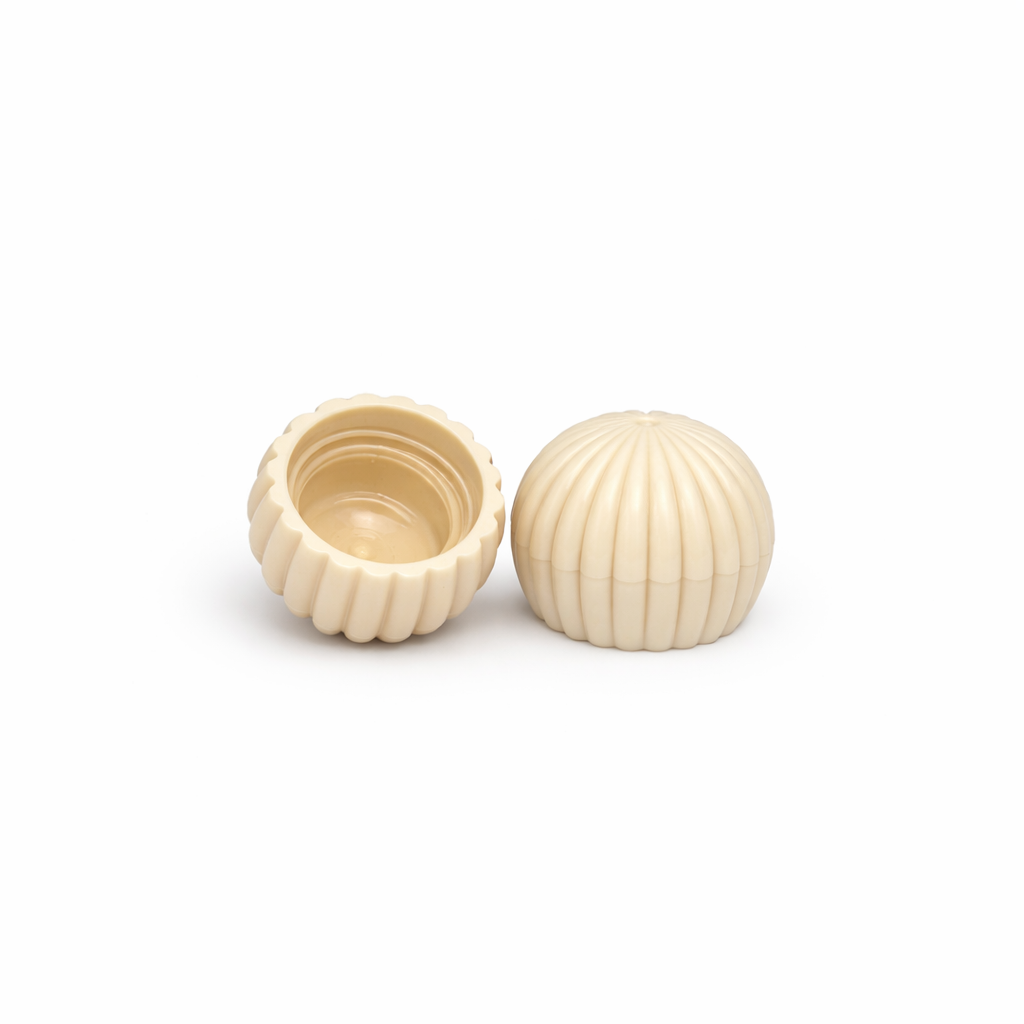
These PP spherical caps come in customizable colors, ideal for laundry liquid and cosmetic lotion, with great sealing.
See DetailsAddress: Building 36, Shanbai Villa, Qiandao Lake Town, Chun'an County, Hangzhou City, Zhejiang Province
TEL: +86 15988456592
Email:iris@happy-packaging.com


