20/410Plastic Double-layer Cap Makeup Water Bottle Cap Cosmetics Lotion Cap HPPC001
These double-layer plastic caps are perfect for toner and lotion bottles, safe, leakproof and durable.
See Details

 Web Menu
 Product Search
 Exit Menu
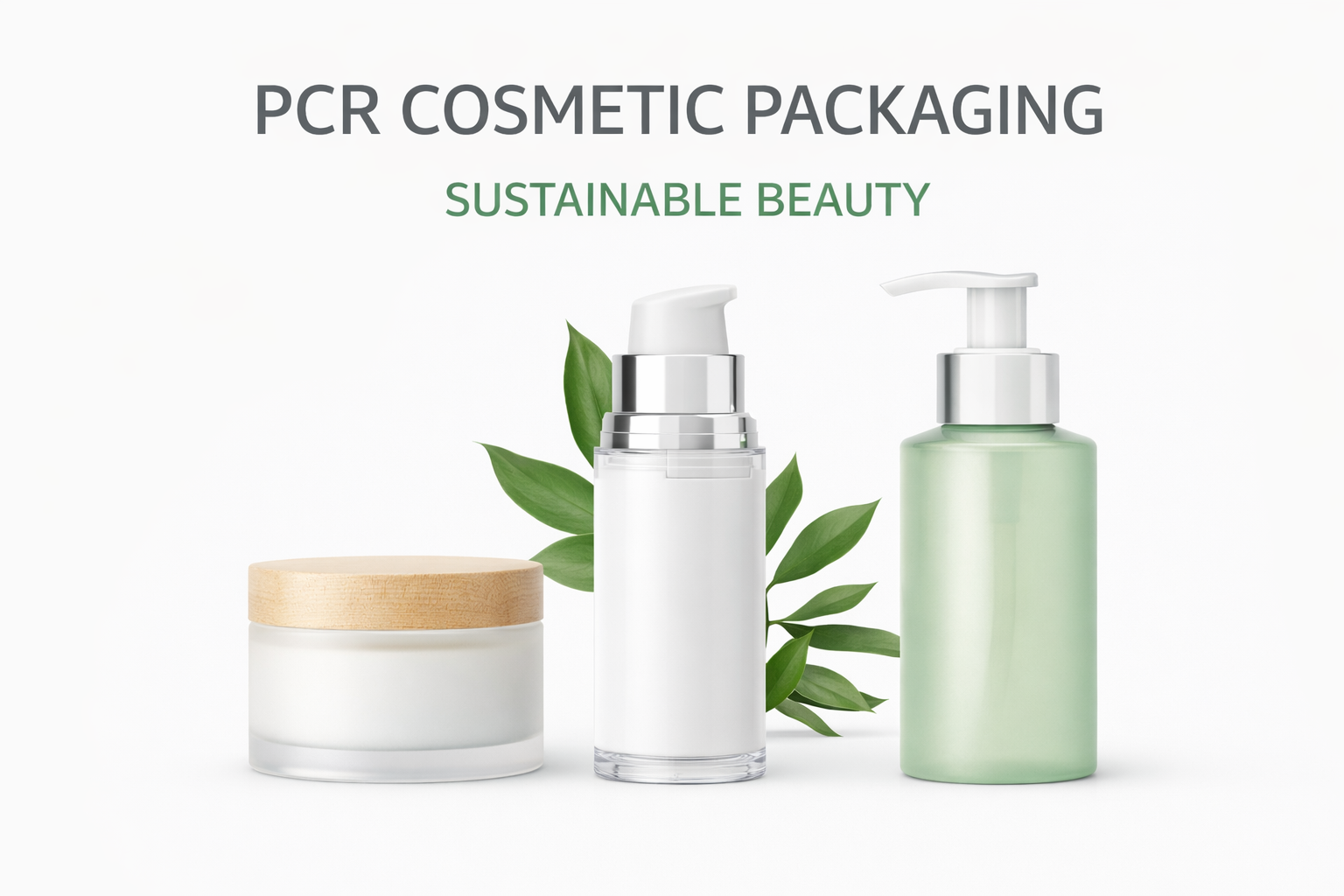 PCR cosmetic packaging has become one of the most discussed packaging topics in the beauty industry.
As more skincare and personal care brands look for more sustainable packaging solutions, PCR materials are increasingly being used in bottles, jars and packaging components across different product lines.
But for many buyers, PCR packaging is still misunderstood.
Some brands assume PCR packaging is simply a “greener version” of standard plastic packaging. Others focus only on sustainability messaging without fully understanding how PCR materials may affect appearance, decoration, production consistency and sourcing decisions.
In reality, choosing PCR cosmetic packaging requires a more practical evaluation.
Before moving into sample approval or bulk production, beauty brands should understand how PCR packaging works from both a branding and a manufacturing perspective.
In this guide, we’ll explain what buyers should know before selecting PCR cosmetic packaging for skincare and beauty products.
PCR stands for Post-Consumer Recycled material.
In cosmetic packaging, PCR plastic is made by reprocessing plastic materials that have already been used by consumers and collected through recycling systems. These recycled materials are then processed and used again in the production of new packaging components.
PCR material is commonly used in:
cosmetic bottles
lotion bottles
airless bottles
cream jars
caps and closures
selected skincare packaging components
For beauty brands, PCR packaging is often used as part of a broader sustainability strategy — especially for products sold in environmentally conscious markets.
PCR cosmetic packaging is becoming more popular for a simple reason:
Consumers and retailers increasingly expect brands to make more responsible packaging choices.
For many beauty brands, packaging is no longer judged only by appearance and cost. It is also evaluated by how well it supports:
sustainability positioning
environmental messaging
brand image
retail expectations
long-term packaging strategy
PCR packaging can help brands communicate a more sustainability-oriented product story — especially in markets where eco-conscious purchasing behavior is growing.
This is particularly relevant for:
skincare brands
clean beauty brands
wellness brands
refill-oriented product lines
premium brands with sustainability positioning
One of the biggest mistakes brands make is choosing PCR packaging only because it sounds environmentally friendly.
But sustainable packaging should still align with your:
visual identity
target market
price positioning
product category
customer expectations
For example:
A premium skincare brand may want PCR packaging that still feels clean, modern and refined.
A mass-market personal care brand may prioritize cost control and practical functionality.
A startup beauty brand may want PCR packaging mainly for brand storytelling and market differentiation.
PCR packaging should not be treated as a generic sustainability label.
It should be chosen in a way that still supports the look, feel and commercial logic of your product line.
This is one of the most important things buyers need to understand before approving PCR packaging.
PCR material does not always behave exactly like standard virgin plastic.
Depending on the material type, PCR ratio and production process, PCR cosmetic packaging may show differences in:
color consistency
transparency
surface appearance
texture
gloss level
slight visual variation between batches
This does not mean PCR packaging is poor quality.
It simply means buyers should evaluate PCR packaging based on realistic production expectations rather than expecting it to look exactly the same as fully virgin plastic packaging.
If appearance is a high priority for your brand, always review samples carefully before confirming bulk production.
This is especially important for:
light colors
transparent or translucent packaging
highly polished premium packaging
decoration-sensitive packaging designs
Not all PCR packaging is the same.
Different packaging projects may use different PCR percentages depending on:
product structure
material availability
appearance goals
production stability
supplier capability
Some brands focus on higher PCR content for stronger sustainability messaging.
Others prefer a more balanced approach that supports both environmental positioning and production consistency.
A higher PCR percentage may support stronger sustainability claims, but it can also influence:
color stability
material appearance
structural consistency
decoration results
manufacturing repeatability
Instead of asking only:
“Can we use PCR?”
A better sourcing question is:
“What PCR percentage is realistic for this packaging structure and our brand requirements?”
That is a much more useful conversation during development.
Many beauty brands want PCR packaging to look premium, modern and shelf-ready.
That is absolutely possible — but decoration planning becomes even more important when PCR materials are involved.
silk screen printing
hot stamping
spray coating
labeling
matte or glossy finishing
custom color development
However, the decoration result can be influenced by:
material surface behavior
color base tone
structure type
finish compatibility
Before final approval, evaluate whether your desired branding style still works well on the selected PCR packaging structure.
This is especially important if your packaging design depends heavily on:
very clean light tones
luxury-looking finishes
metallic effects
minimal design with high surface consistency
PCR packaging can absolutely look premium — but it needs to be planned with realistic material expectations.
A packaging solution may look great in concept, but if it causes avoidable problems in production, it becomes a sourcing risk.
That’s why PCR packaging should always be reviewed not only as a branding choice, but also as a manufacturing choice.
Before confirming a PCR packaging project, buyers should check:
structure stability
decoration feasibility
assembly consistency
compatibility with packaging components
bulk production repeatability
supply reliability
For example:
A bottle may look good in a product photo or sample review, but if the structure becomes unstable or inconsistent during large-scale production, it can create avoidable delays and quality concerns.
Sustainable packaging should not only look responsible — it should also be practical to produce at scale.
Not every product in your range needs to switch to PCR packaging immediately.
In fact, for many beauty brands, a smarter strategy is to use PCR packaging where it creates the strongest value.
skincare bottles
lotion bottles
selected airless packaging
body care packaging
refill-support packaging concepts
sustainability-led collections
This allows brands to:
test customer response
build sustainability messaging gradually
reduce sourcing complexity
improve packaging strategy over time
Instead of trying to convert every SKU at once, many brands benefit more from launching PCR packaging first in:
hero products
sustainability-focused product lines
newer collections
market-specific launches
This is often more practical and commercially effective.
These two terms are often grouped together, but they are not interchangeable.
Refers to the use of recycled material in the packaging structure.
Refers to a packaging system designed to be reused or refilled over time.
A product can be:
PCR but not refillable
refillable but not PCR
both PCR and refillable
neither
If your brand is building a sustainability-focused packaging strategy, you need to decide which sustainability direction is actually more relevant to your product line:
recycled material use
refill system design
premium long-life packaging
simple recyclable packaging strategy
Each path has different implications for branding, manufacturing and cost.
Before moving into bulk production, beauty brands should ask the right sourcing questions.
What PCR options are available for this packaging type?
What PCR percentage is realistic for this structure?
Will the material affect appearance or decoration?
Can you provide samples before bulk production?
What are the MOQ and lead time?
Are there refillable or sustainable alternatives worth considering?
Which products in our range are best suited for PCR packaging?
These questions help buyers avoid treating PCR packaging as just a marketing decision.
The strongest packaging decisions are the ones that work well in both brand communication and production reality.
PCR cosmetic packaging can be a strong packaging direction for beauty brands — but only when it is selected with both sustainability and practicality in mind.
The best PCR packaging choice should support:
your brand image
your product type
your market expectations
your decoration plan
your sourcing requirements
your production consistency
If you approach PCR packaging strategically, it can become more than just a sustainability message.
It can become part of a smarter, more future-ready packaging system.
At Happy Packaging, we help skincare and beauty brands explore PCR cosmetic packaging options based on product type, branding goals and sourcing requirements.
We can support your project with:
PCR packaging recommendations
Custom bottles and jars
Packaging decoration support
Sampling before bulk production
Sustainable packaging options for skincare and beauty brands
Tell us your product type, preferred packaging style and sustainability goals — we’ll help recommend suitable PCR packaging options for your project.
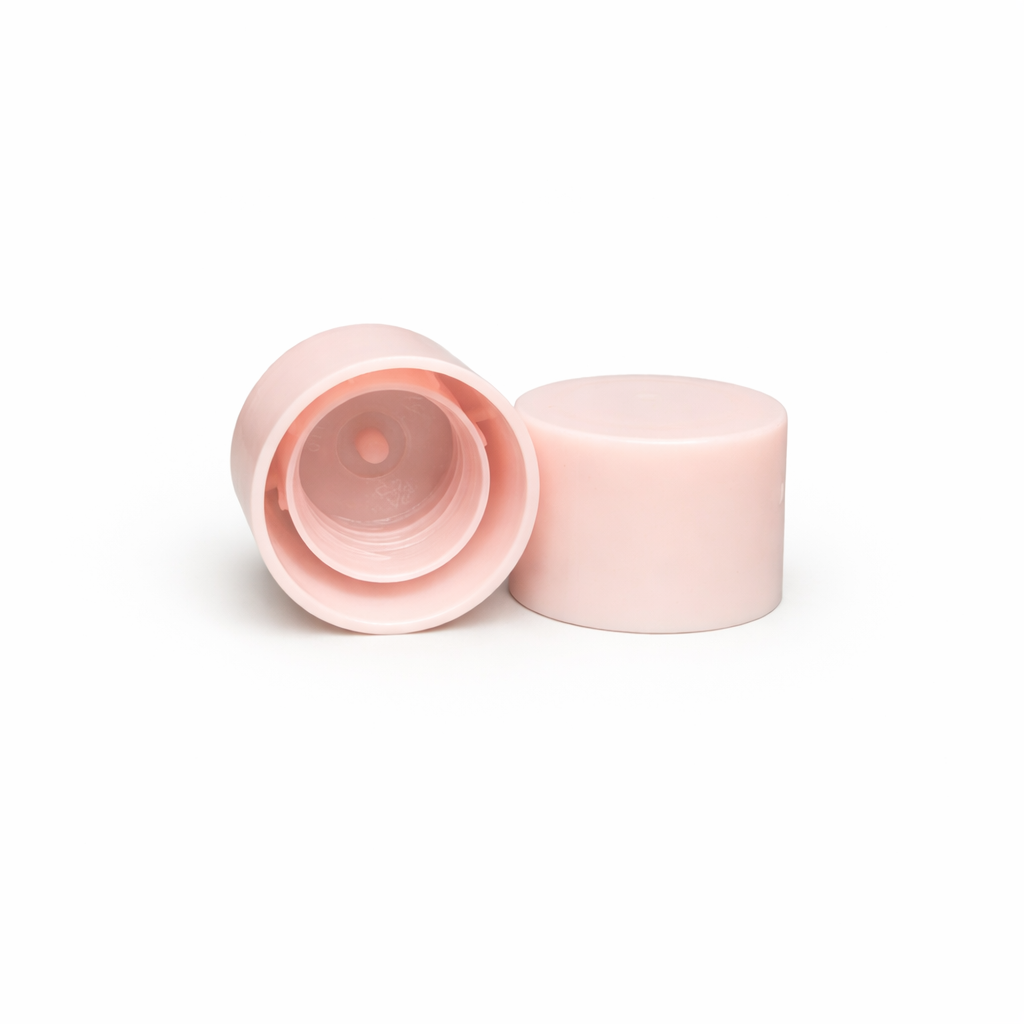
These double-layer plastic caps are perfect for toner and lotion bottles, safe, leakproof and durable.
See Details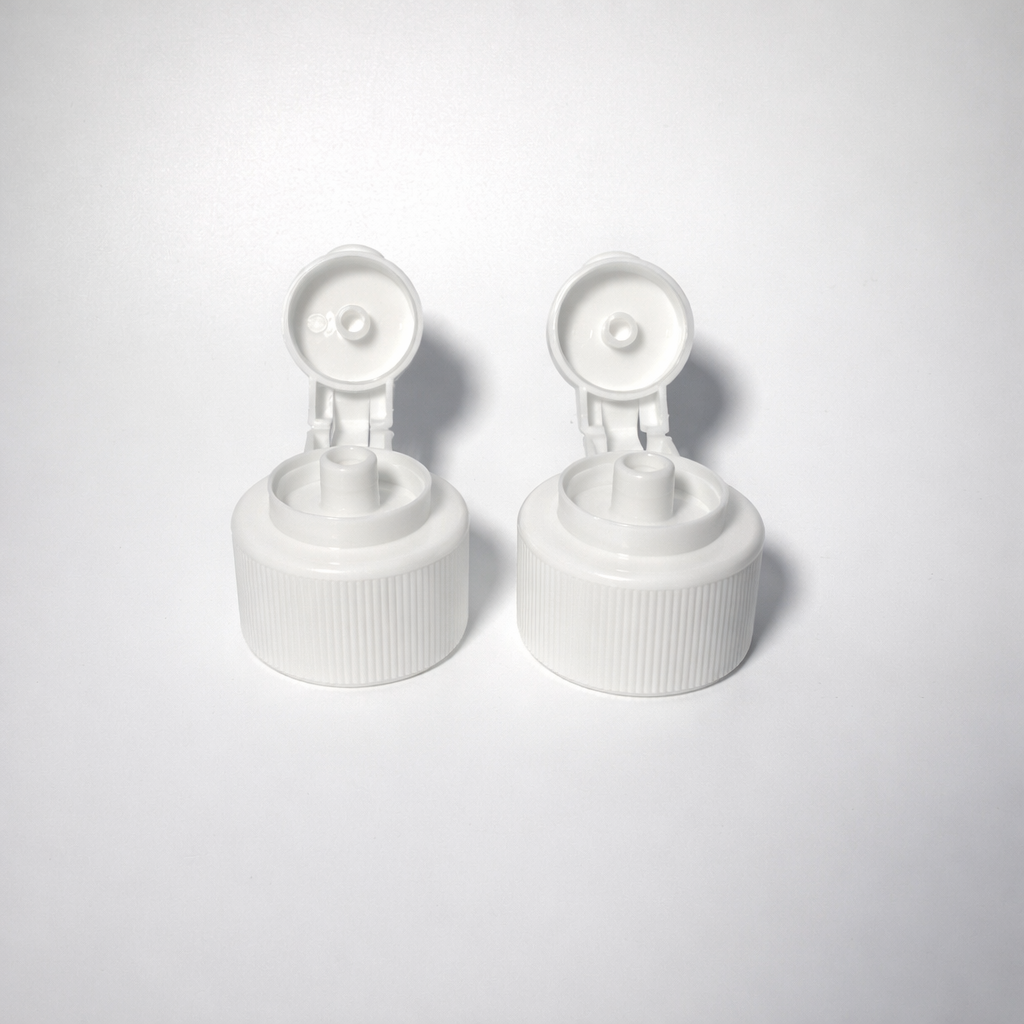
These plastic caps are available in flip and screw-on styles, with customizable colors, suitable for dish soap and shower gel.
See Details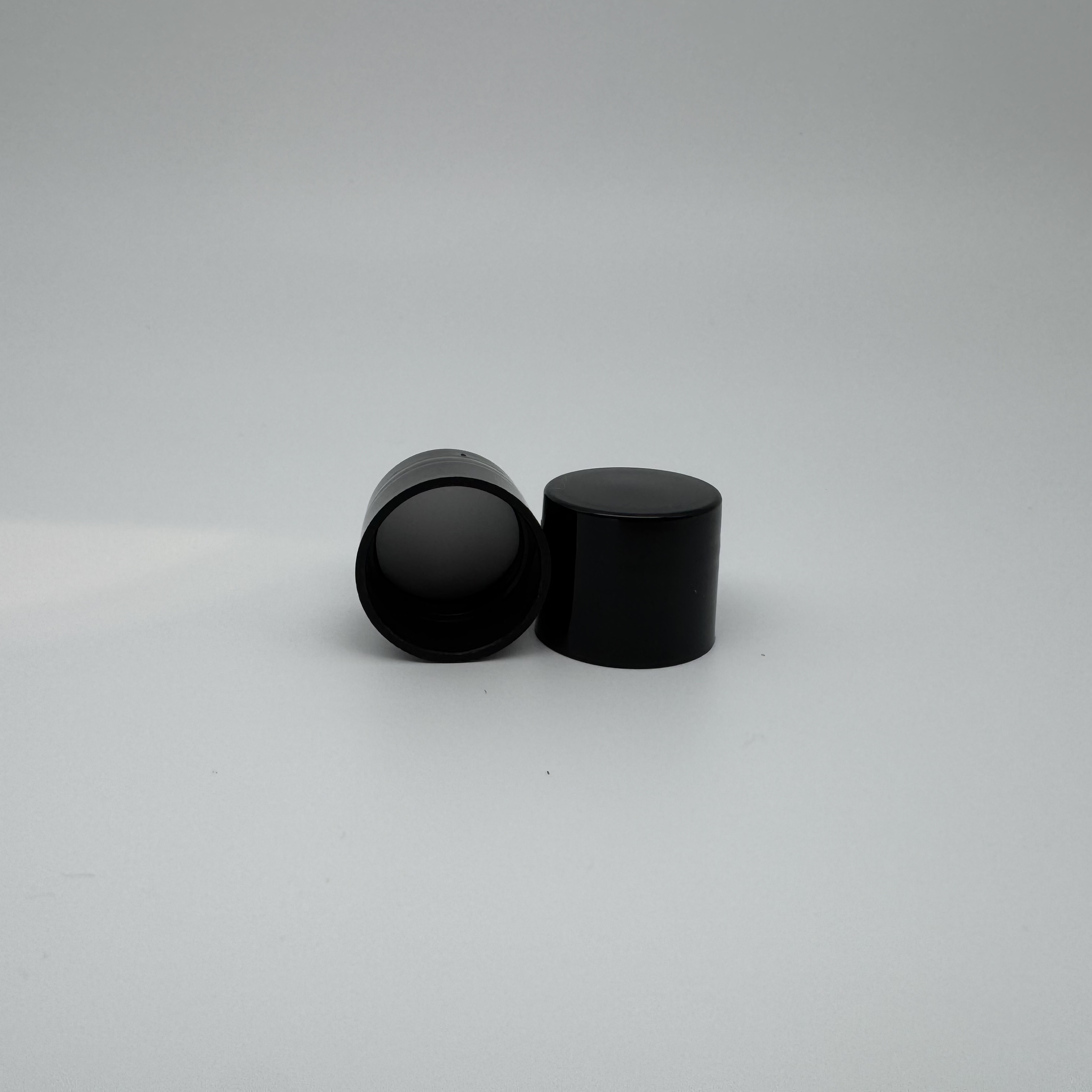
These PP screw caps come with a liner, glossy finish, ideal for lotion and cosmetics, leakproof and durable.
See Details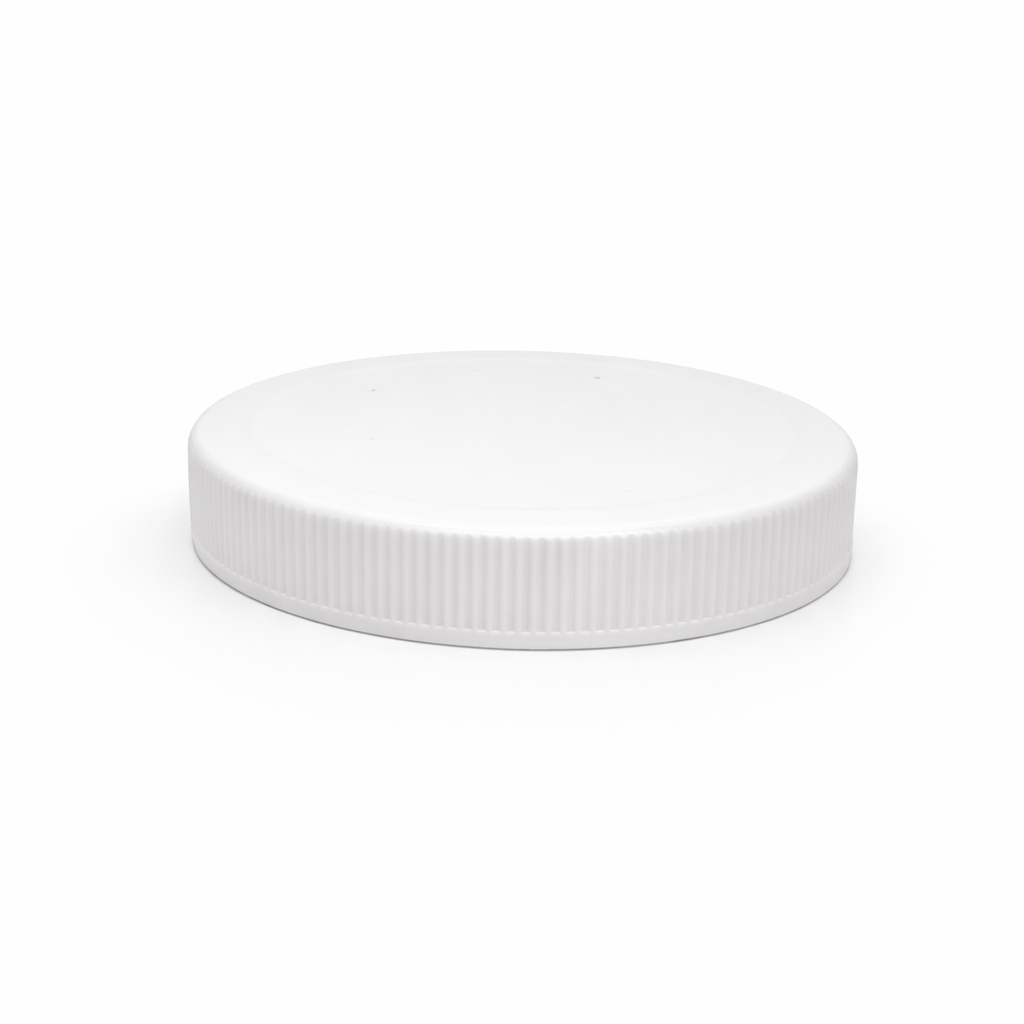
These plastic lids fit wide-mouth cream jars, with good sealing and stable screw design.
See Details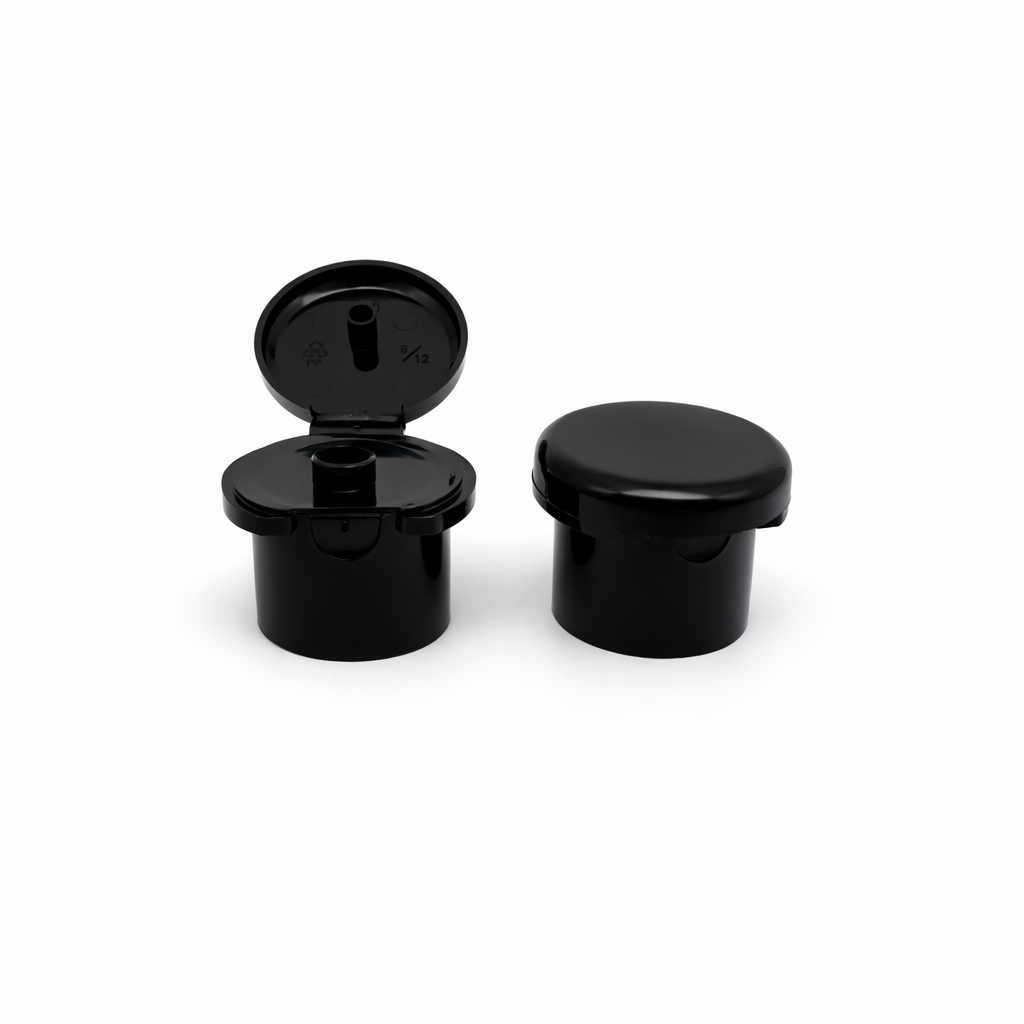
These flip-top screw caps are made of PP, ideal for shampoo and body wash, sturdy and leakproof.
See Details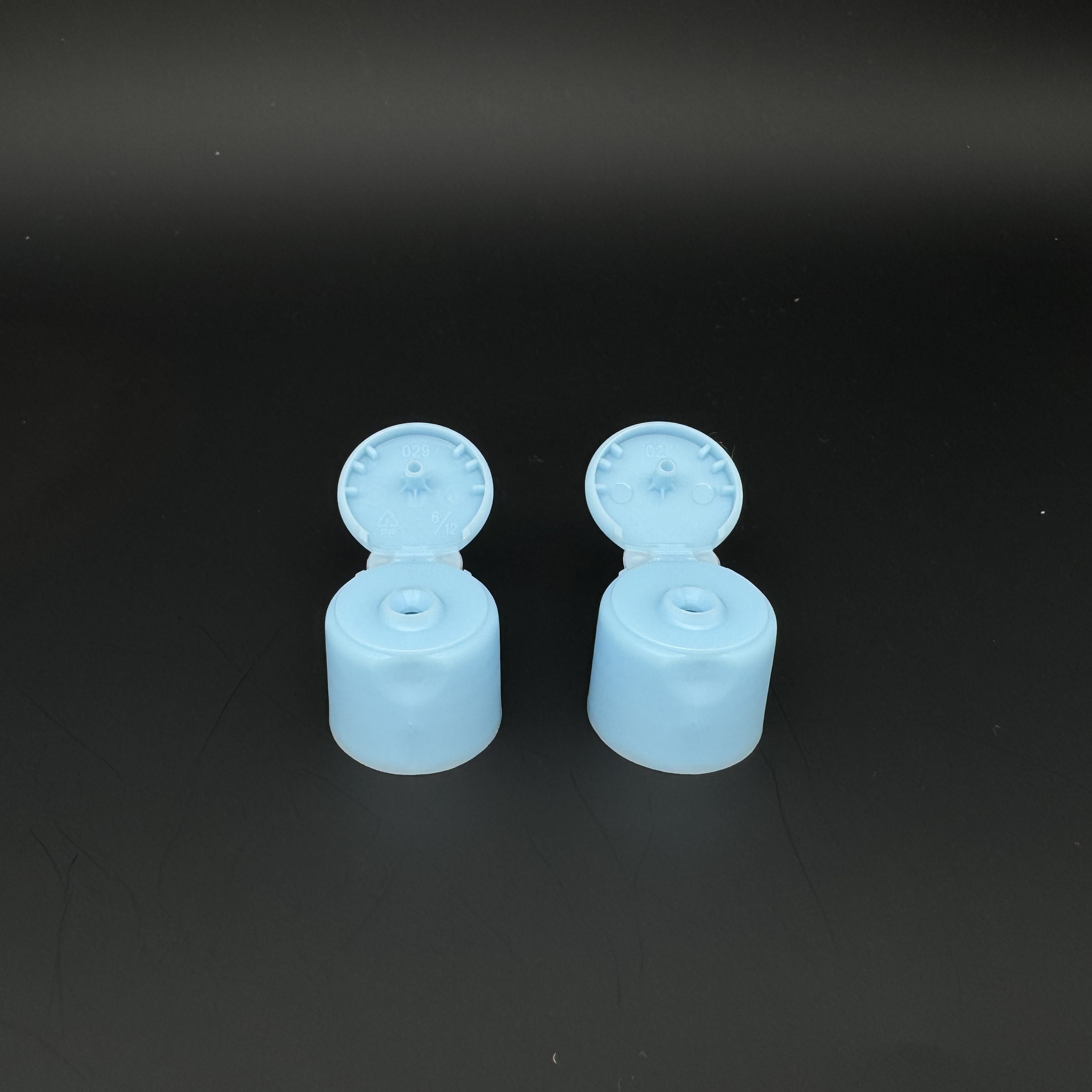
Made of durable PP, frosted flip-top screw cap for lotion, cream and sunscreen, leakproof and stylish.
See Details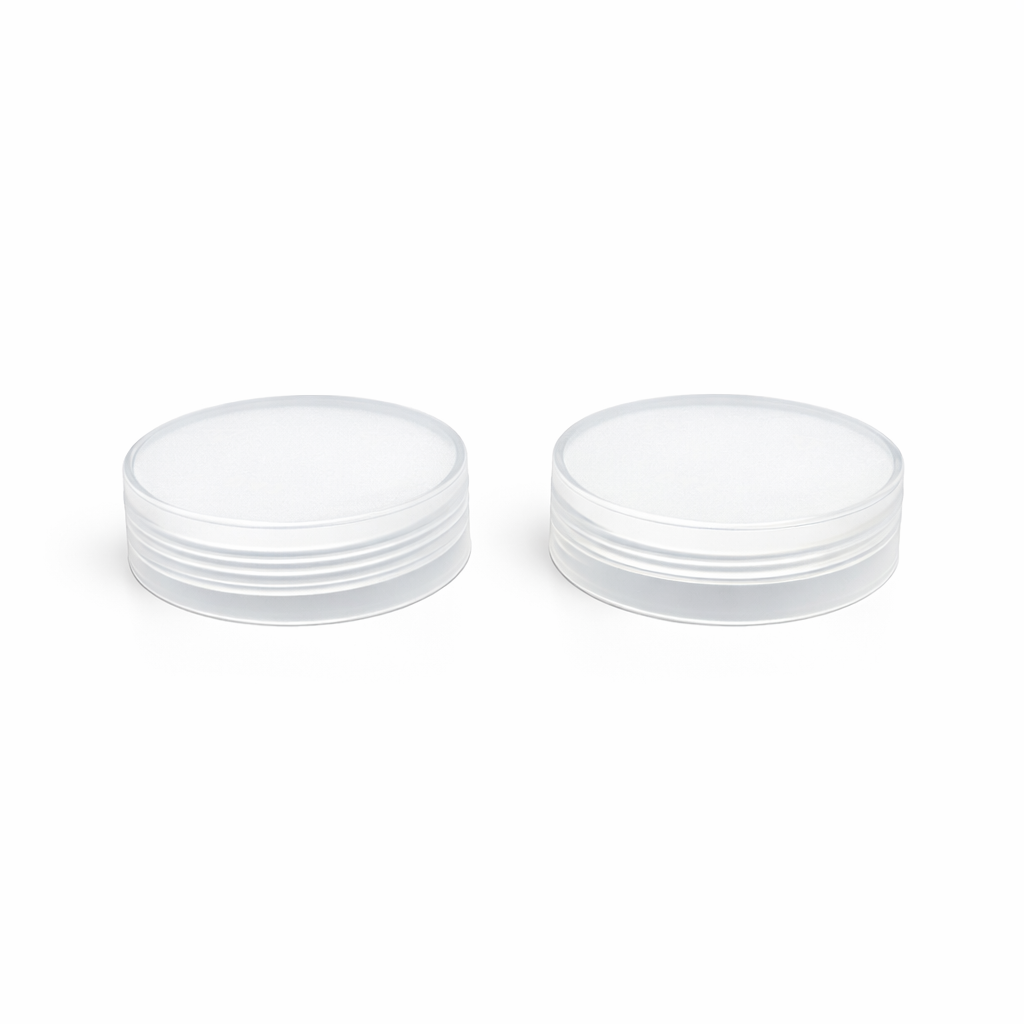
Glossy plastic screw caps with liner, perfect for face cream and hand cream, leakproof and durable.
See Details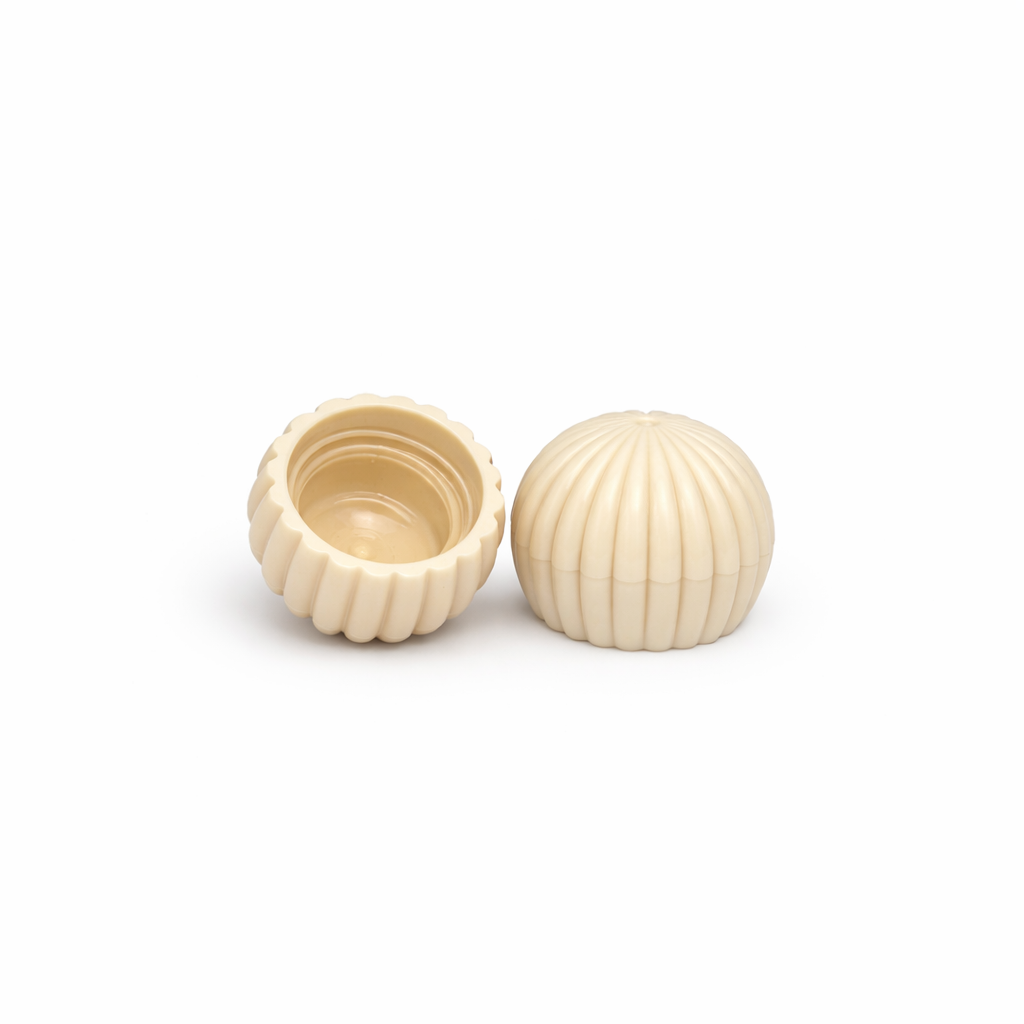
These PP spherical caps come in customizable colors, ideal for laundry liquid and cosmetic lotion, with great sealing.
See DetailsAddress: Building 36, Shanbai Villa, Qiandao Lake Town, Chun'an County, Hangzhou City, Zhejiang Province
TEL: +86 15988456592
Email:iris@happy-packaging.com


