20/410Plastic Double-layer Cap Makeup Water Bottle Cap Cosmetics Lotion Cap HPPC001
These double-layer plastic caps are perfect for toner and lotion bottles, safe, leakproof and durable.
See Details

 Web Menu
 Product Search
 Exit Menu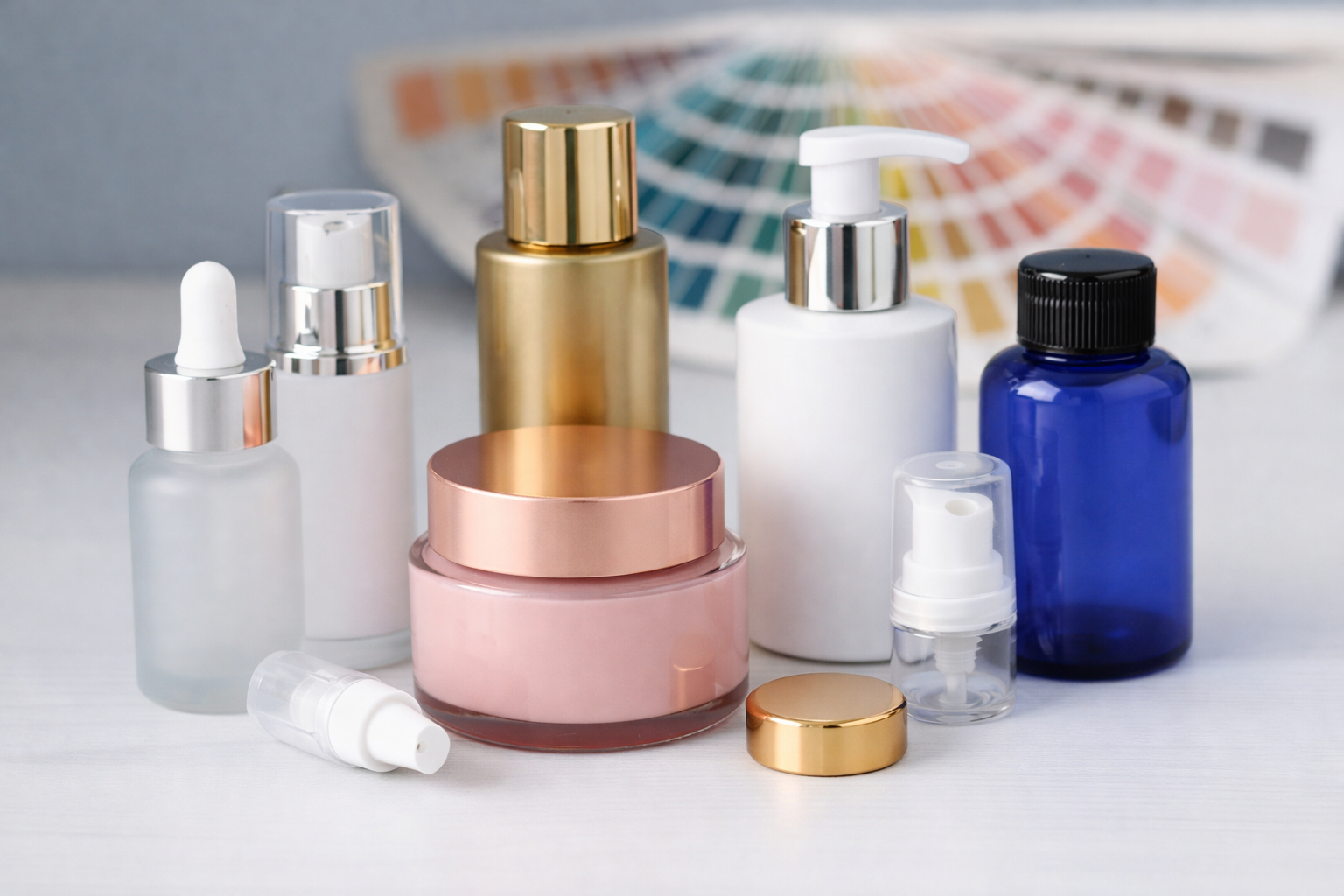
When sourcing custom cosmetic packaging, one of the biggest challenges for skincare and beauty brands is not just choosing the right bottle or jar—it is understanding how MOQ, sample development, and production lead time affect the entire packaging project.
Whether you are launching a new skincare line, upgrading your current packaging, or switching suppliers, these three factors can directly influence your sourcing budget, launch schedule, packaging flexibility, inventory planning, and product development efficiency.
For brands working with a custom cosmetic packaging manufacturer, understanding these production basics can help avoid delays, reduce communication issues, and make the ordering process much smoother.
In this guide, we explain how minimum order quantity, sampling, and lead time typically work in custom cosmetic packaging projects for products such as airless bottles, lotion bottles, jars, pumps, and caps.
In cosmetic packaging development, delays often do not happen because of manufacturing alone. They usually happen because brands underestimate the time required for packaging selection, component matching, decoration confirmation, sample approval, and mass production scheduling.
For example, a bottle may look simple online, but once custom requirements are added—such as spray coating, hot stamping, silk screen printing, custom color matching, or unique pumps and caps—the packaging development timeline becomes more complex.
That is why MOQ, sampling, and lead time should always be discussed before placing an order. For B2B buyers, these are not just factory terms. They are key decision-making factors that affect both cost and speed to market.
MOQ stands for Minimum Order Quantity. It refers to the smallest quantity a manufacturer is willing to produce for a specific packaging item or custom project.
In cosmetic packaging, MOQ can vary depending on packaging type, mold availability, material, decoration process, assembly complexity, and whether stock components or custom tooling are used.
For most cosmetic packaging items, MOQ typically ranges as follows:
Plastic bottles: 5,000–10,000 pcs
Airless bottles: 5,000–10,000 pcs
Cosmetic jars: 5,000–10,000 pcs
Plastic pumps and caps: 10,000 pcs or more
Fully customized packaging projects: higher MOQ depending on tooling and decoration complexity
If you are using existing molds and standard sizes, MOQ is usually lower. If you require custom colors, special finishes, or structural modifications, MOQ will increase accordingly.
MOQ exists because custom packaging production involves fixed setup costs such as:
Raw material preparation
Machine setup
Mold matching
Color adjustment
Printing preparation
Assembly arrangement
Quality control
Even for small orders, these processes are required, which is why MOQ is necessary to maintain production efficiency and stable unit cost.
For growing beauty brands, the best approach is to balance customization level with order volume, especially during the early stages of product launch.
For indie skincare brands or startups, MOQ can feel like a barrier. However, there are practical ways to make custom cosmetic packaging more manageable.
Choosing existing molds instead of developing new tooling is one of the most efficient ways to reduce MOQ and shorten development time.
This allows brands to customize:
Color
Printing
Cap style
Pump style
Decoration
without significantly increasing production cost.
Instead of customizing multiple products at once, many brands start with one hero item, such as:
30ml serum bottle
50ml airless bottle
100ml lotion bottle
Cosmetic cream jar
This helps reduce inventory risk while building a more controlled packaging system.
When budget is limited, it is more important to confirm:
Formula compatibility
Dispensing performance
Leakage resistance
Filling suitability
before investing in advanced decoration or surface finishing.
Sampling is a critical step in custom cosmetic packaging. It allows brands to test the packaging before mass production and confirm whether it meets expectations in terms of size, appearance, structure, and usability.
Skipping this step can easily lead to production mistakes, especially when multiple packaging components are involved.
There are usually three types of samples in cosmetic packaging development.
A stock sample is an existing packaging item without customization. It is used to evaluate:
Shape
Size
General appearance
Basic pump or cap function
This sample is used to confirm structural fit and component matching before decoration is applied.
It helps verify:
Bottle and cap matching
Pump neck size
Jar lid fit
Thread compatibility
Assembly structure
This is the most important sample for branding approval.
It is used to confirm:
Silk screen printing position
Hot stamping accuracy
Spray coating color
UV or matte finish
Logo placement and readability
For most skincare and beauty brands, this sample is the closest preview of the final packaging result.
Sampling lead time depends on project complexity.
In general:
Stock samples: usually available quickly
Simple custom samples: around 3–7 working days
Complex decoration or assembly samples: around 7–10 working days or longer
Sampling may take more time if the project includes:
Custom color matching
Multiple decoration processes
Non-standard assembly
Special pumps or caps
Formula compatibility testing
This is why brands should start sampling early rather than waiting until the product launch is close.
Approving samples is essential before moving into mass production.
A packaging item may look good in photos, but real evaluation should also include:
Pump performance
Cap sealing
Structural feel
Wall thickness
Formula compatibility
User experience
This is especially important for products such as serums, lotions, creams, and treatment skincare, where packaging functionality directly affects customer satisfaction.
Lead time refers to the time required to complete production after sample approval.
This usually includes:
Material preparation
Injection or blow molding
Decoration
Assembly
Inspection
Packing
Shipment preparation
For brands working with launch schedules or retail delivery deadlines, lead time is one of the most important factors in packaging planning.
For most custom cosmetic packaging projects, standard production lead time is around:
15–25 working days
Lead time can vary depending on:
Order quantity
Material availability
Decoration complexity
Factory scheduling
Assembly requirements
Lead time is usually longer for projects involving:
Custom molds
Multiple packaging components
PCR materials
Advanced surface finishing
Airless packaging systems
For example, an airless bottle with custom spray coating, hot stamping, and a matched cap color usually requires more coordination than a standard stock bottle.
Common causes of delay include:
Artwork files not finalized
Pantone color not confirmed
Decoration details changed too late
Sample approval postponed
Cap, pump, and bottle mismatch
Peak season factory scheduling
Export documentation delays
The most efficient packaging projects are usually those with clear specifications and early communication.
If your brand wants to launch faster, there are several practical ways to improve the process.
Before requesting a quotation, prepare key details such as:
Capacity
Material
Bottle or jar style
Closure type
Decoration requirements
Estimated quantity
Target market
This makes communication faster and helps avoid repeated revisions.
Not every project requires a fully custom mold.
Many beauty brands can achieve a premium result by customizing existing packaging with:
Custom color
Logo printing
Spray coating
Matching cap and bottle combinations
This usually reduces both MOQ pressure and lead time.
If packaging compatibility or filling tests are required, sampling should begin as early as possible.
This helps reduce the risk of:
Leakage
Pump failure
Decoration issues
Product mismatch
This is particularly important for serums, lotions, creams, sunscreens, and active skincare formulas.
Before confirming a custom cosmetic packaging order, buyers should always ask:
What is the MOQ for this packaging item?
Is there an existing mold available?
What types of samples can be provided?
How long will the sample take?
What is the standard production lead time?
What decoration options are available?
Is the packaging compatible with my formula?
Are PCR or recyclable material options available?
What export packaging support is included?
These questions can save significant time and cost later in the project.
MOQ, sampling, and lead time are not just technical details. They are some of the most important factors in successful cosmetic packaging sourcing.
When brands understand these three elements clearly, they are better able to:
Plan product launches
Control packaging cost
Reduce sourcing risk
Improve development speed
Build more reliable packaging systems
Whether you are developing airless bottles, lotion bottles, cosmetic jars, pumps, or caps, a successful packaging project always starts with clear communication and realistic production planning.
If you are currently sourcing packaging for a skincare or beauty product, one of the fastest ways to avoid delays and cost overruns is to work with a supplier who can support both customization and production planning from the beginning.
At Happy Packaging, we help brands develop packaging solutions for:
Airless bottles
Lotion bottles
Cosmetic jars
Pumps and caps
Custom skincare packaging sets
We support projects with:
Existing mold options to reduce MOQ
Custom color and decoration development
Sampling for structure and branding approval
Production planning based on your launch timeline
Export-ready packaging support for US and EU markets
Whether you are preparing a new product launch, testing a new SKU, or looking for a more reliable packaging partner, our team can help you evaluate the most practical solution for your project.
Send us your packaging requirements, target quantity, and product type, and we can help you review suitable packaging options before production starts.
Contact us today to request a quote or sample.
MOQ usually depends on the packaging type, mold availability, and decoration requirements. For many plastic cosmetic bottles and jars, MOQ often starts from 5,000 to 10,000 pieces.
Simple custom samples often take around 3–7 working days, while more complex packaging samples may require 7–10 working days or more.
For many custom cosmetic packaging orders, the standard lead time is typically around 15–25 working days after sample approval.
Yes. Many manufacturers can support smaller brands by using existing molds, standard bottle shapes, and simplified customization options such as printing or color matching.
Lead time is commonly affected by decoration complexity, material sourcing, sample approval speed, and production scheduling.
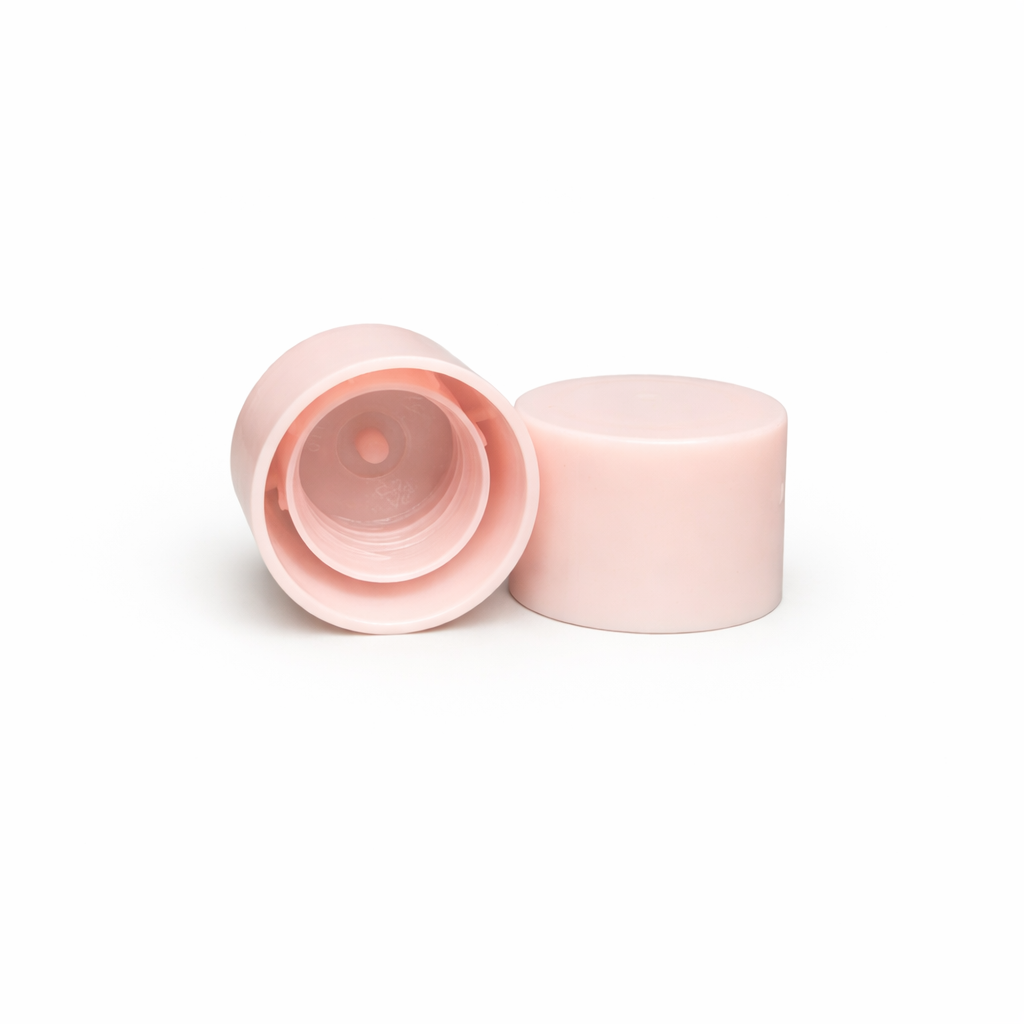
These double-layer plastic caps are perfect for toner and lotion bottles, safe, leakproof and durable.
See Details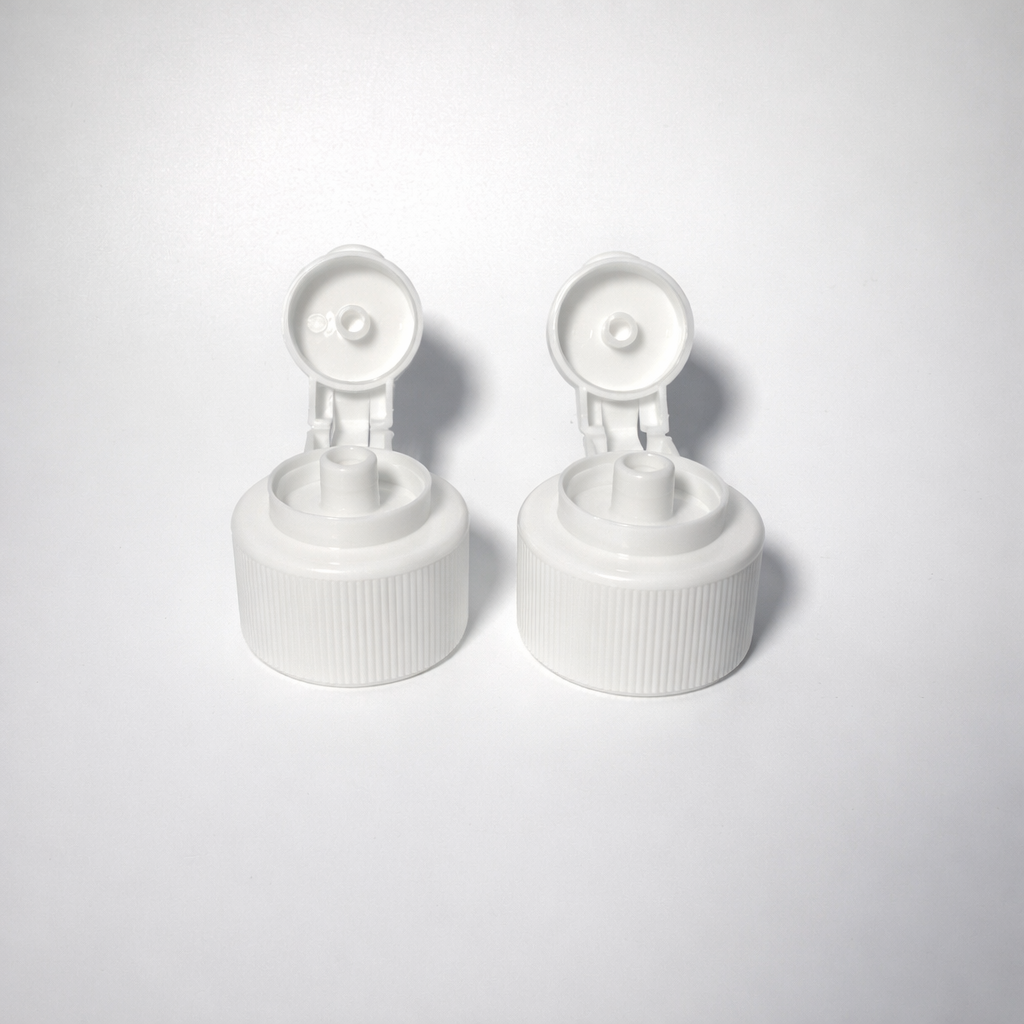
These plastic caps are available in flip and screw-on styles, with customizable colors, suitable for dish soap and shower gel.
See Details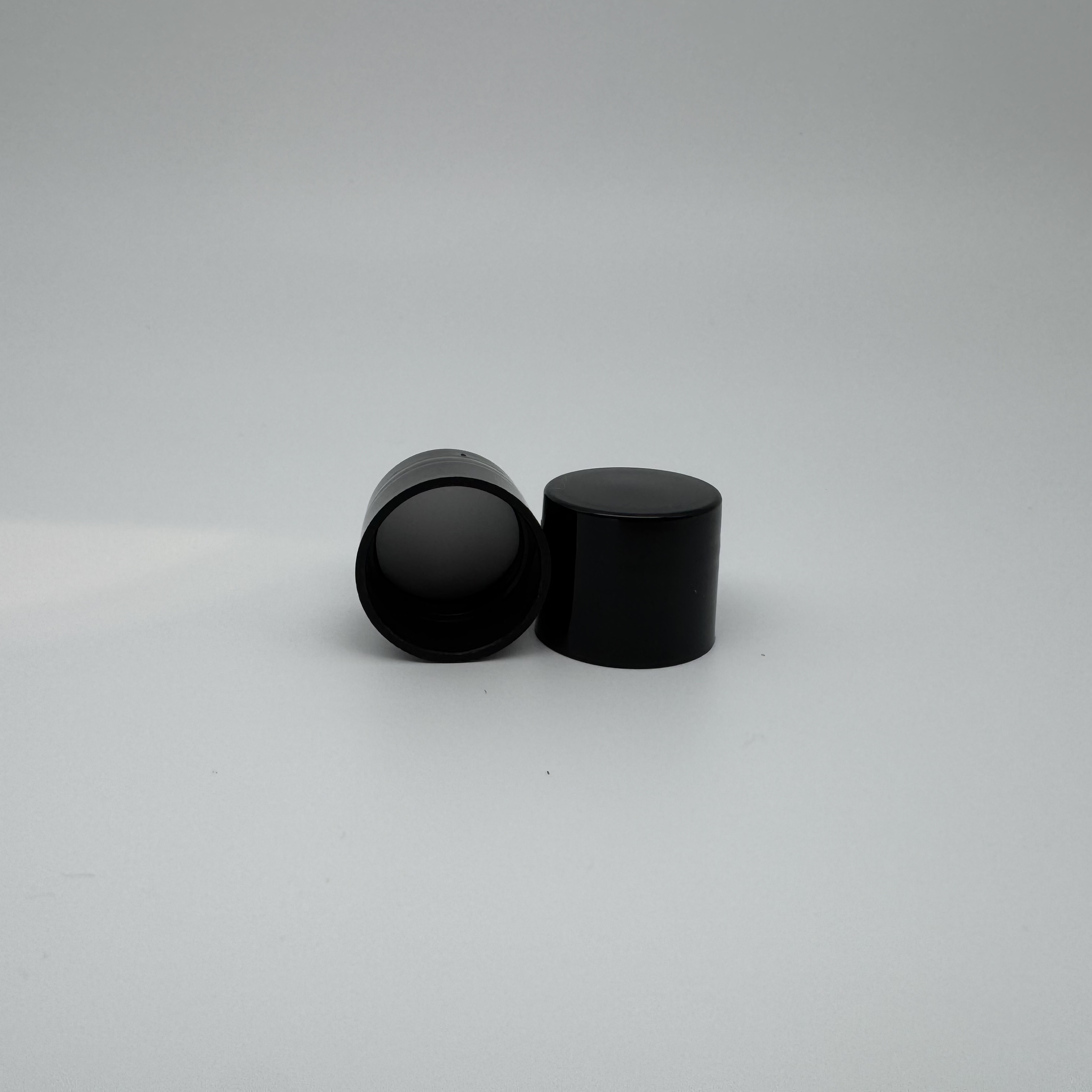
These PP screw caps come with a liner, glossy finish, ideal for lotion and cosmetics, leakproof and durable.
See Details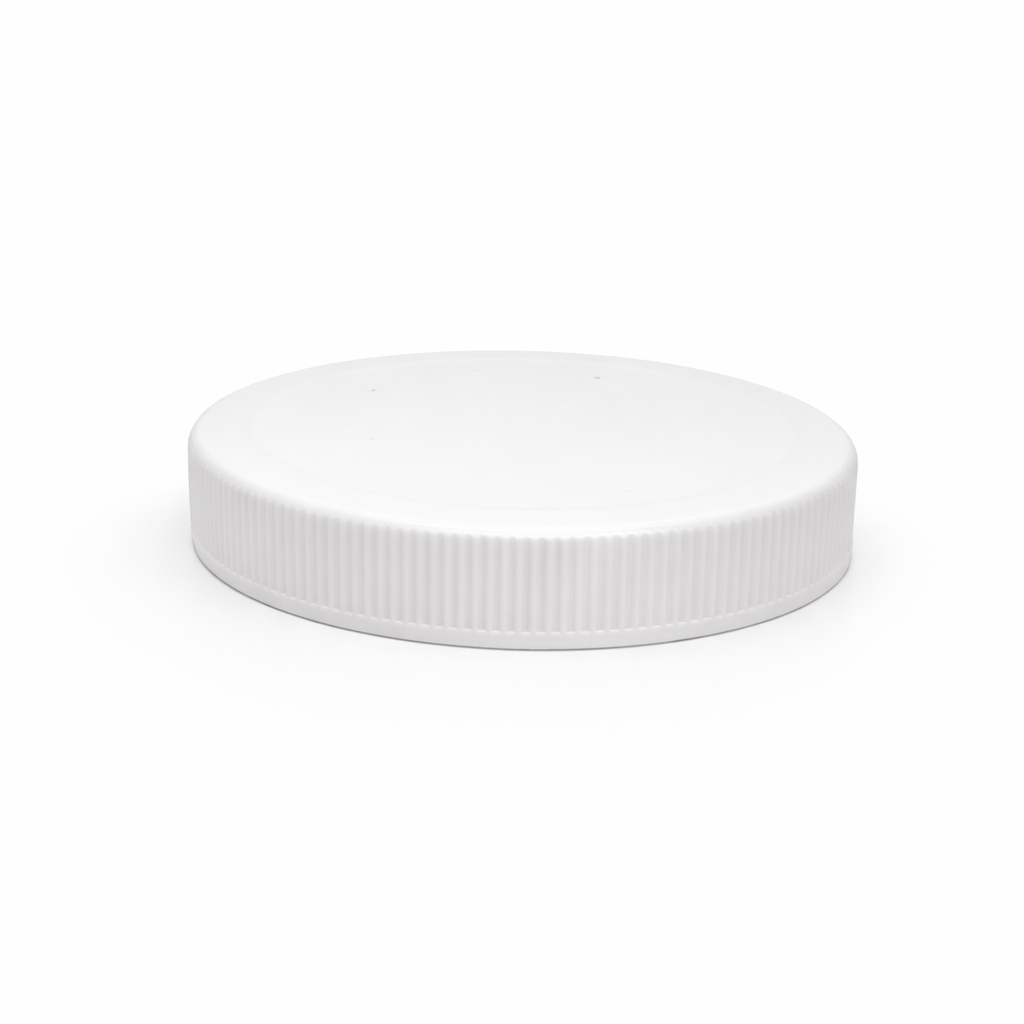
These plastic lids fit wide-mouth cream jars, with good sealing and stable screw design.
See Details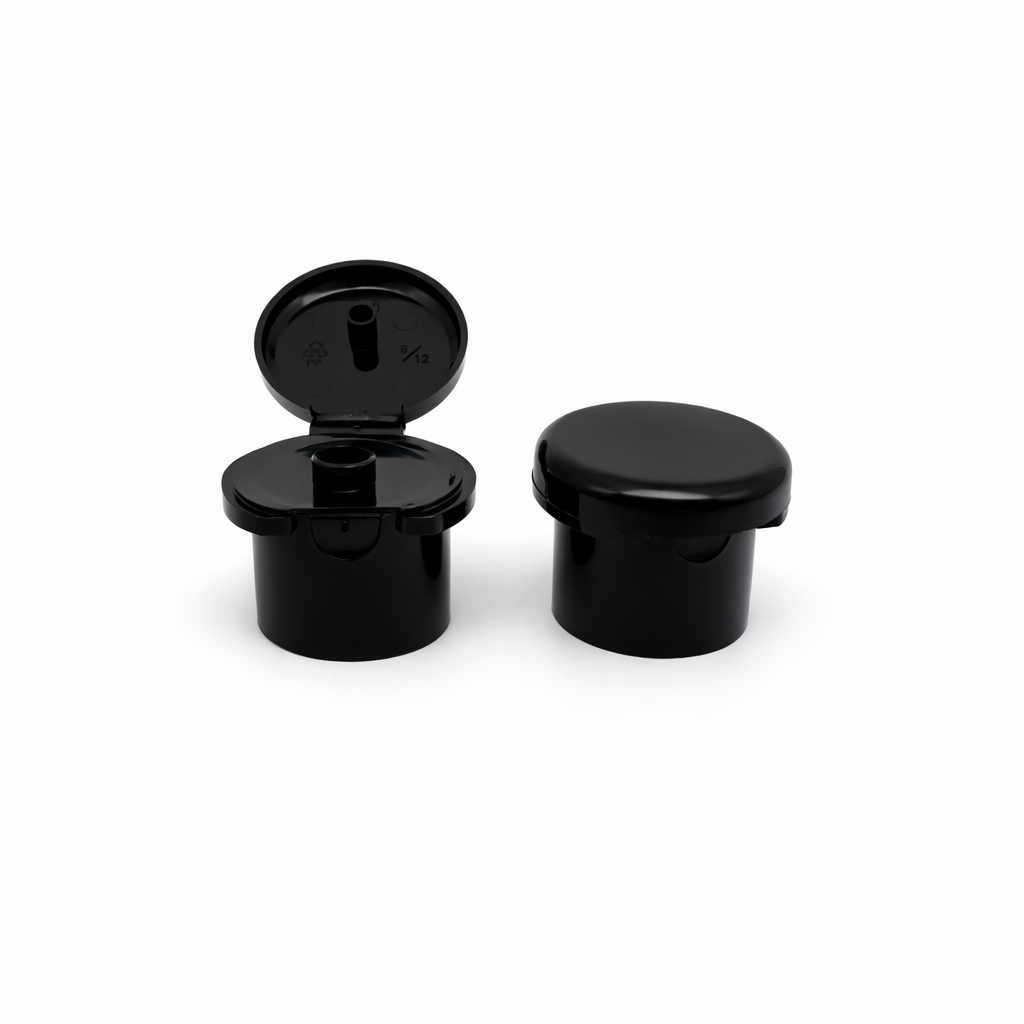
These flip-top screw caps are made of PP, ideal for shampoo and body wash, sturdy and leakproof.
See Details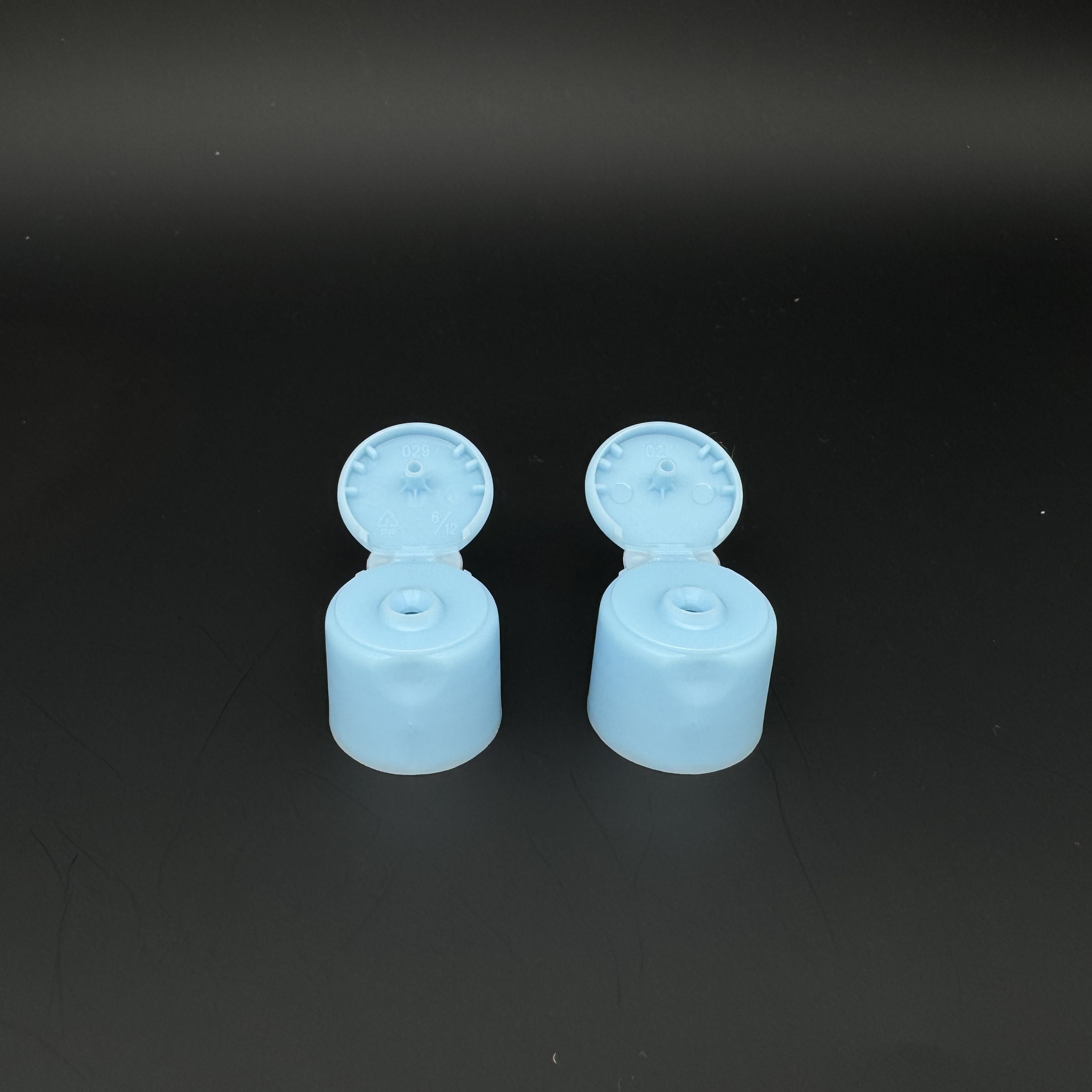
Made of durable PP, frosted flip-top screw cap for lotion, cream and sunscreen, leakproof and stylish.
See Details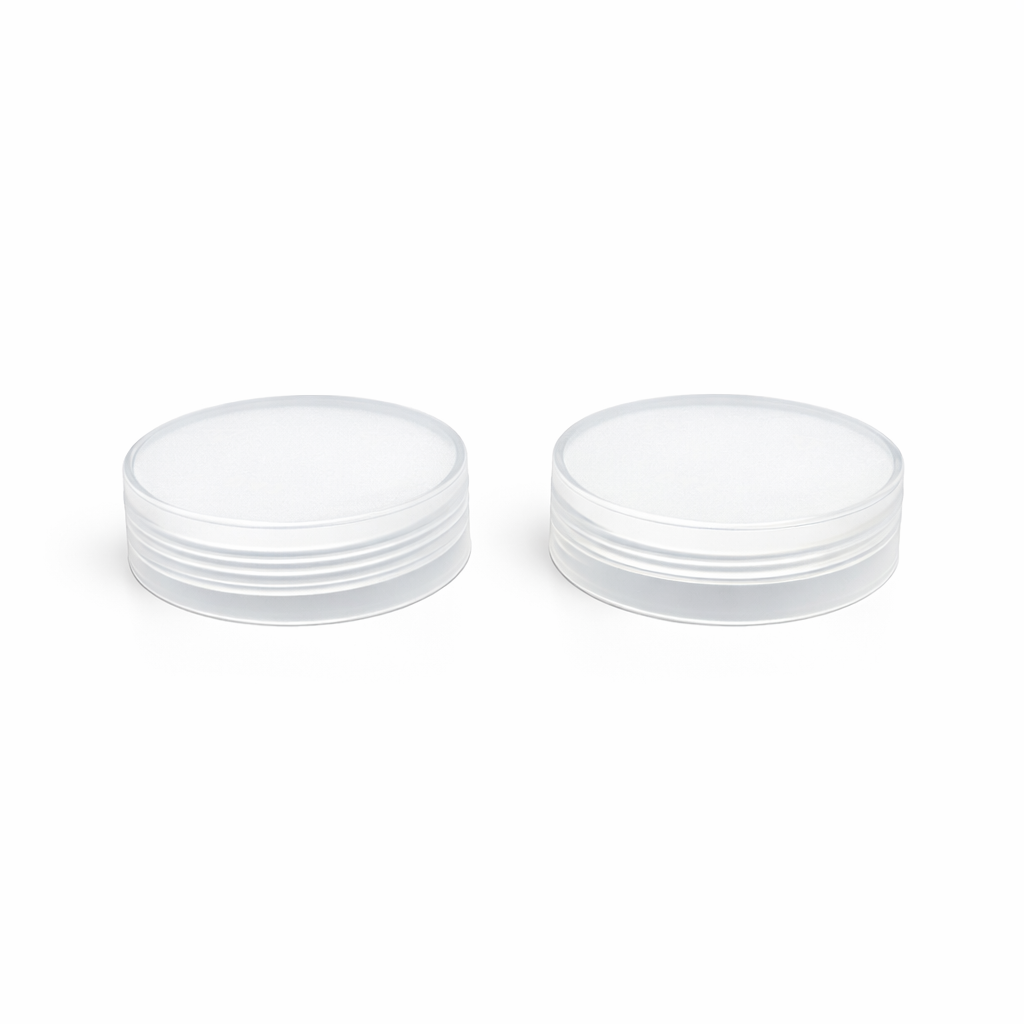
Glossy plastic screw caps with liner, perfect for face cream and hand cream, leakproof and durable.
See Details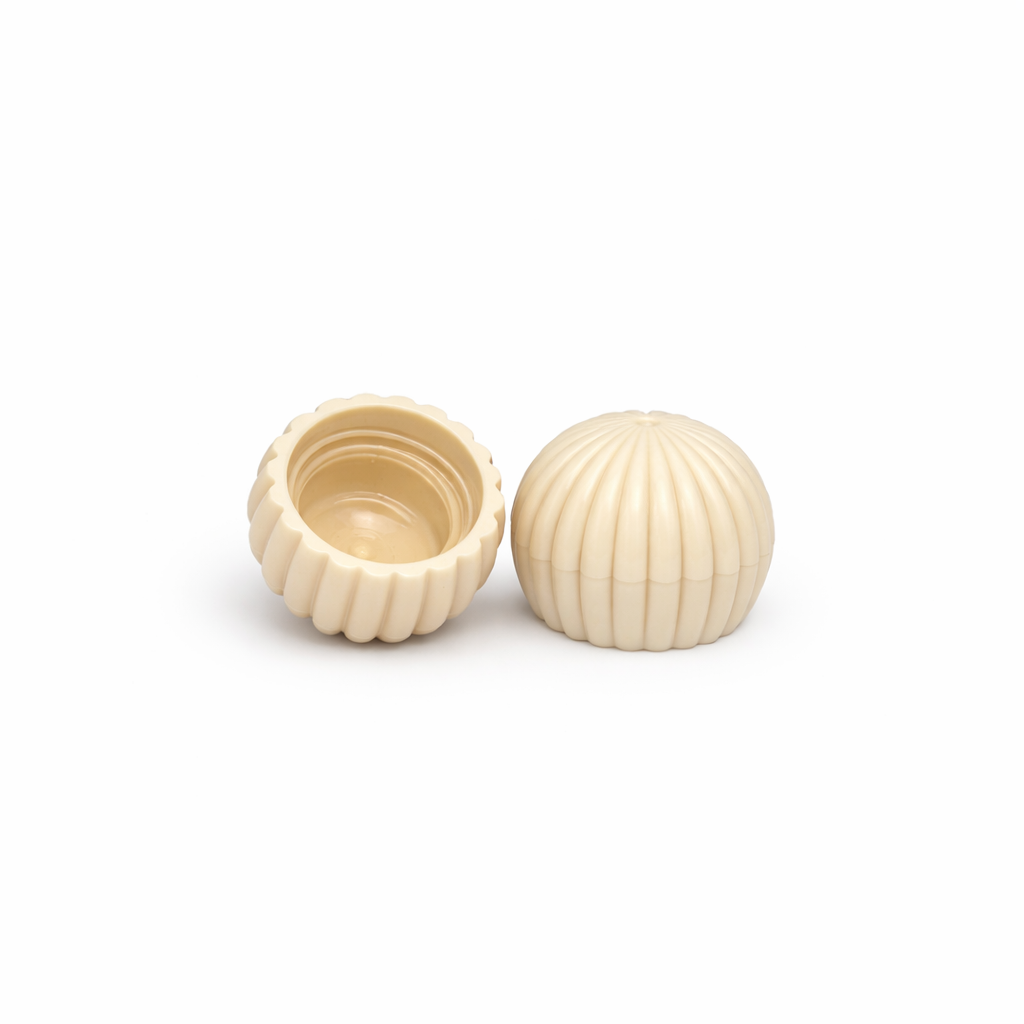
These PP spherical caps come in customizable colors, ideal for laundry liquid and cosmetic lotion, with great sealing.
See DetailsAddress: Building 36, Shanbai Villa, Qiandao Lake Town, Chun'an County, Hangzhou City, Zhejiang Province
TEL: +86 15988456592
Email:iris@happy-packaging.com


