20/410Plastic Double-layer Cap Makeup Water Bottle Cap Cosmetics Lotion Cap HPPC001
These double-layer plastic caps are perfect for toner and lotion bottles, safe, leakproof and durable.
See Details

 Web Menu
 Product Search
 Exit Menu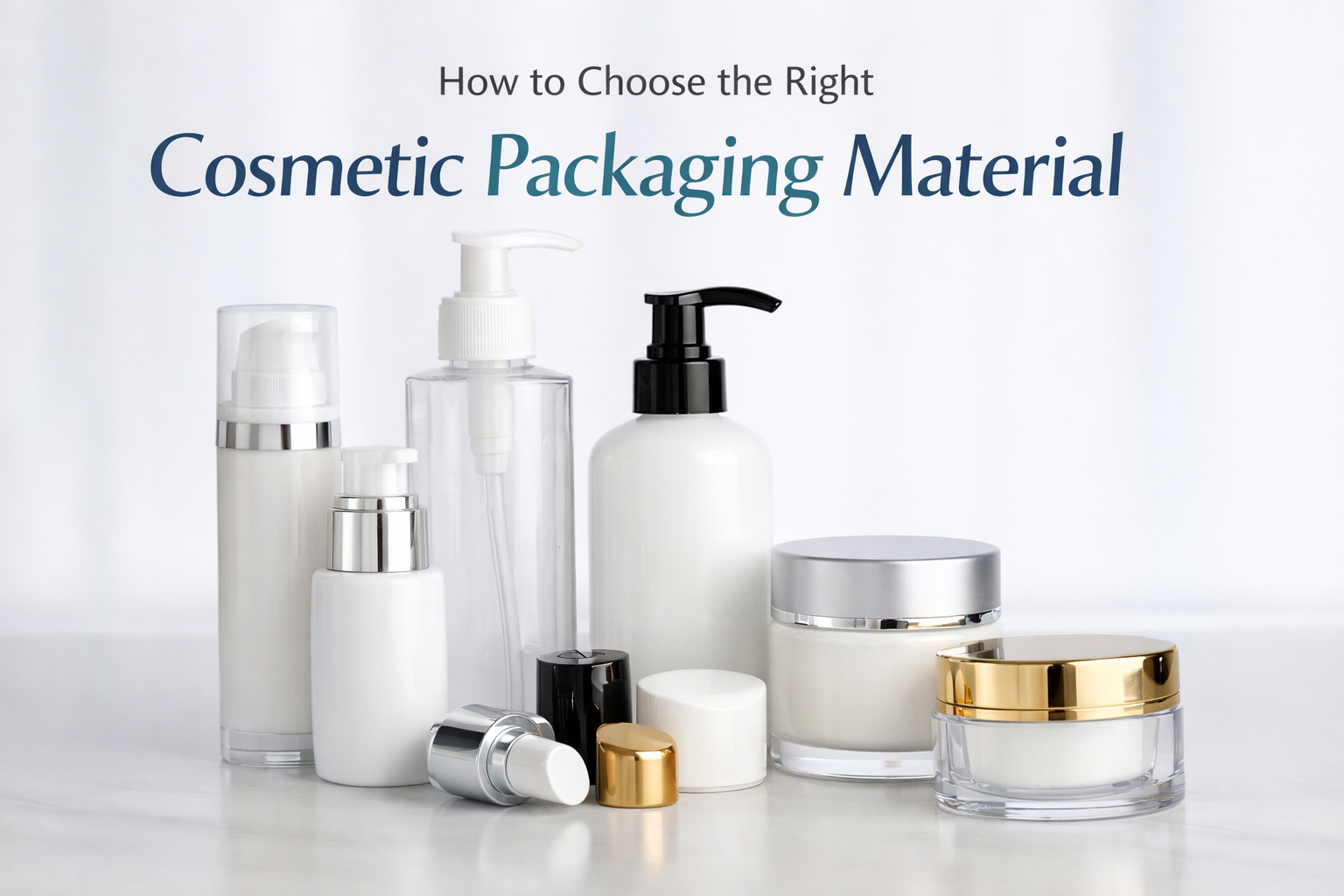
Choosing the right cosmetic packaging material is one of the most important decisions in skincare product development. For beauty brands, packaging is not only about shelf appearance. It also affects formula protection, product compatibility, filling performance, transportation safety, sustainability claims, and overall production cost.
A serum, lotion, toner, or cream may look similar in a product lineup, but each formula can require a very different packaging structure and material. For example, a lightweight toner may work well in a PET bottle, while an oxidation-sensitive serum may perform better in an airless bottle system. Likewise, a premium anti-aging cream may need a different packaging appearance and user experience than an entry-level daily moisturizer.
For growing skincare brands, especially those sourcing from a cosmetic packaging manufacturer for private label or custom development, understanding material selection early can reduce sampling delays, avoid compatibility issues, and improve sourcing efficiency.
In this guide, we will explain how to choose the right cosmetic packaging material based on different skincare formulas and practical sourcing considerations.
Many buyers focus first on bottle shape, color, or decoration, but material selection should come earlier in the decision process.
The right cosmetic packaging material can help with:
protecting formulas from air, light, and contamination
improving filling and dispensing performance
matching product viscosity and usage habits
supporting premium or mass-market brand positioning
balancing recyclability, cost, and lead time
reducing leakage and transportation risk during export
A packaging structure that looks attractive is not always the best choice for the formula inside. For example, a luxury-looking acrylic bottle may enhance shelf appeal, but it may not be the most practical option for every product category, especially when sustainability or mono-material recyclability is a priority.
That is why skincare packaging decisions should combine both technical compatibility and commercial practicality.
Serums are often formulated with active ingredients such as vitamin C, peptides, niacinamide, or botanical extracts. These formulas can be sensitive to oxidation, contamination, or repeated air exposure.
For many serum products, is one of the most suitable options.
airless bottles
treatment pumps
dropper bottles (for specific positioning)
opaque or semi-opaque containers for light-sensitive formulas
PP for airless bottle structures and pump systems
AS or acrylic outer shells for a more premium appearance
PET or PETG for some transparent serum packaging concepts
Airless bottle systems help reduce formula exposure to air and can improve dosage consistency. This is especially useful for skincare brands positioning their serum products as performance-driven or premium.
From a sourcing perspective, brands should also evaluate:
whether the formula works well with pump dispensing
whether the packaging needs metallization, frosting, or custom color
whether the selected structure is based on a stock mold or requires custom tooling
A stock airless bottle with custom decoration often offers a faster and more cost-efficient route than developing a fully custom mold.
Lotions and emulsions are among the most common skincare formats, and they are usually packaged in bottles with lotion pumps or treatment pumps.
pump bottles
airless bottles (for higher-end positioning)
soft-touch or matte-finish bottles for enhanced shelf feel
PET for lightweight, transparent, cost-effective bottles
PP for functional packaging systems and pump-compatible structures
HDPE in some practical or clinical-style product lines
Acrylic for premium skincare collections
PET bottles are widely used in skincare packaging because they are:
lightweight
visually clean
suitable for mass production
cost-efficient for larger quantities
practical for toner and lotion categories
PP is commonly used in pumps, closures, and airless systems because of its good chemical resistance and structural reliability.
For lotion packaging, buyers should pay attention to:
viscosity compatibility with the pump
neck finish and closure matching
decoration method and print durability
shipping performance for export markets
A lotion bottle may look simple, but if the pump output is not matched properly to the formula, the user experience can feel poor even if the product itself is high quality.
Creams and balms are often packaged in jars, especially when the formula is thicker or intended for a more tactile application experience.
single-wall jars
double-wall jars
cream jars with inner lids
airless jars for more specialized positioning
PP for functional and recyclable-friendly jar options
Acrylic for luxury appearance
AS for transparent or glossy premium packaging concepts
PETG in selected design applications
For creams, the material is only one part of the decision. Buyers should also consider:
sealing performance
product hygiene
visual thickness and luxury feel
refillability potential
compatibility with liners or inner caps
Acrylic jars are often selected for premium anti-aging or high-end skincare products because they create a heavier and more luxurious visual effect. However, they can increase unit cost and are not always the best choice if recyclability and simpler material separation are important.
For brands entering the US or EU market, balancing premium appearance with sustainability messaging is becoming increasingly important.
Toners and mists are usually low-viscosity products and often require bottle formats with spray pumps, treatment pumps, or disc-top caps.
toner bottles
spray bottles
mist bottles
cap-based dispensing bottles
PET for clarity and lightweight shipping
PETG for a more premium transparent look
PP for closures and spray components
HDPE for more functional or clinical product lines
spray compatibility and atomization performance
closure sealing
leakage risk during transportation
bottle wall strength for export shipping
whether transparency is required for product presentation
For export-oriented brands, leak prevention is especially important. A packaging structure that performs well in local transport may still fail in cross-border logistics if closure fit and carton protection are not properly tested.
That is why toner and mist packaging should always be reviewed from both consumer use and shipping durability perspectives.
Understanding the strengths and limitations of each material can make supplier communication much more efficient.
PET is one of the most widely used materials in cosmetic packaging, especially for bottles.
toners
lightweight lotions
transparent skincare packaging
cost-sensitive production
clear appearance
lightweight
cost-effective
suitable for large-volume production
widely accepted in export packaging
PET may not always be the best option for packaging concepts that require more complex structural components or highly premium visual effects.
PP is extremely common in cosmetic packaging because it is practical, versatile, and often used across pumps, caps, jars, and airless systems.
airless bottles
cream jars
closures
pump systems
mono-material oriented designs
good chemical resistance
durable for functional components
suitable for many skincare applications
often preferred in more recyclable-friendly structures
PP does not always offer the same high transparency or luxury look as acrylic or AS, so it may need design and decoration support to meet certain branding goals.
Acrylic is commonly used in higher-end skincare packaging where appearance and shelf impact are important.
anti-aging lines
premium creams
luxury skincare collections
display-focused packaging
high-end appearance
visual thickness
excellent premium positioning effect
Acrylic can increase packaging cost and is not always ideal for brands prioritizing recyclability, simplified material structures, or lower-MOQ efficiency.
AS and PETG are often used in packaging where transparency and design aesthetics are priorities.
clear serum packaging
premium bottle structures
selected jar or bottle concepts
attractive clarity
modern appearance
useful in customized cosmetic packaging designs
The right choice depends on the overall structure, component compatibility, and the brand’s positioning.
Sustainability is now an important factor for many beauty brands, especially those selling in North America and Europe. However, sustainable packaging decisions should be made realistically.
A packaging option may appear more eco-friendly in marketing, but buyers still need to evaluate actual production and supply chain implications.
Is the packaging recyclable in the target market?
Does the structure use too many mixed materials?
Can PCR material be used without affecting appearance too much?
Will refillable packaging increase assembly complexity or cost?
Does the packaging align with the brand’s sustainability message?
For example, PCR cosmetic packaging can support environmental positioning, but it may also create slight color or surface variations compared with virgin material. That trade-off should be discussed early in the sampling stage.
Likewise, refillable packaging can be attractive for brand storytelling and customer retention, but it may also affect MOQ, tooling options, and final packaging cost.
The most practical approach is to evaluate sustainability together with brand positioning, budget, and supply chain feasibility.
Before selecting a cosmetic packaging material, skincare brands should ask the following questions:
If yes, an airless or more protective structure may be a better option.
A lightweight toner and a dense cream require very different dispensing systems.
Is the product positioned as clinical, clean, luxury, natural, or mass-market?
Using a stock mold with custom decoration can often reduce development time.
Material and structure selection can affect whether a project is realistic at a lower starting volume.
If yes, leakage prevention, carton strength, and shipping stability should be reviewed carefully.
These questions help avoid one of the most common sourcing mistakes: selecting packaging based only on appearance, without fully considering formula compatibility and production practicality.
Many packaging delays happen because material selection is treated as a late-stage design choice instead of an early development decision.
Working with a cosmetic packaging manufacturer early can help brands evaluate:
stock mold availability
suitable bottle and jar structures
pump and cap matching
decoration feasibility
sample development options
MOQ planning
production lead time
export packaging support
This is especially useful for skincare startups, private label brands, and growing beauty businesses that need to balance speed, budget, and packaging quality.
The earlier these details are discussed, the easier it is to reduce unnecessary revisions and move more efficiently from concept to production.
Choosing the right cosmetic packaging material can improve not only product appearance, but also formula performance, sourcing efficiency, and customer experience.
If you are developing custom skincare packaging for serums, lotions, creams, or toners, it helps to review material options based on your product type, target market, decoration needs, and order plan.
At Happy Packaging, we support beauty and skincare brands with customized packaging solutions for bottles, jars, pumps, and caps, including stock and customized options for different product applications.
If you are looking for a reliable cosmetic packaging manufacturer, feel free to contact us to discuss your project, sample requirements, MOQ, and lead time.
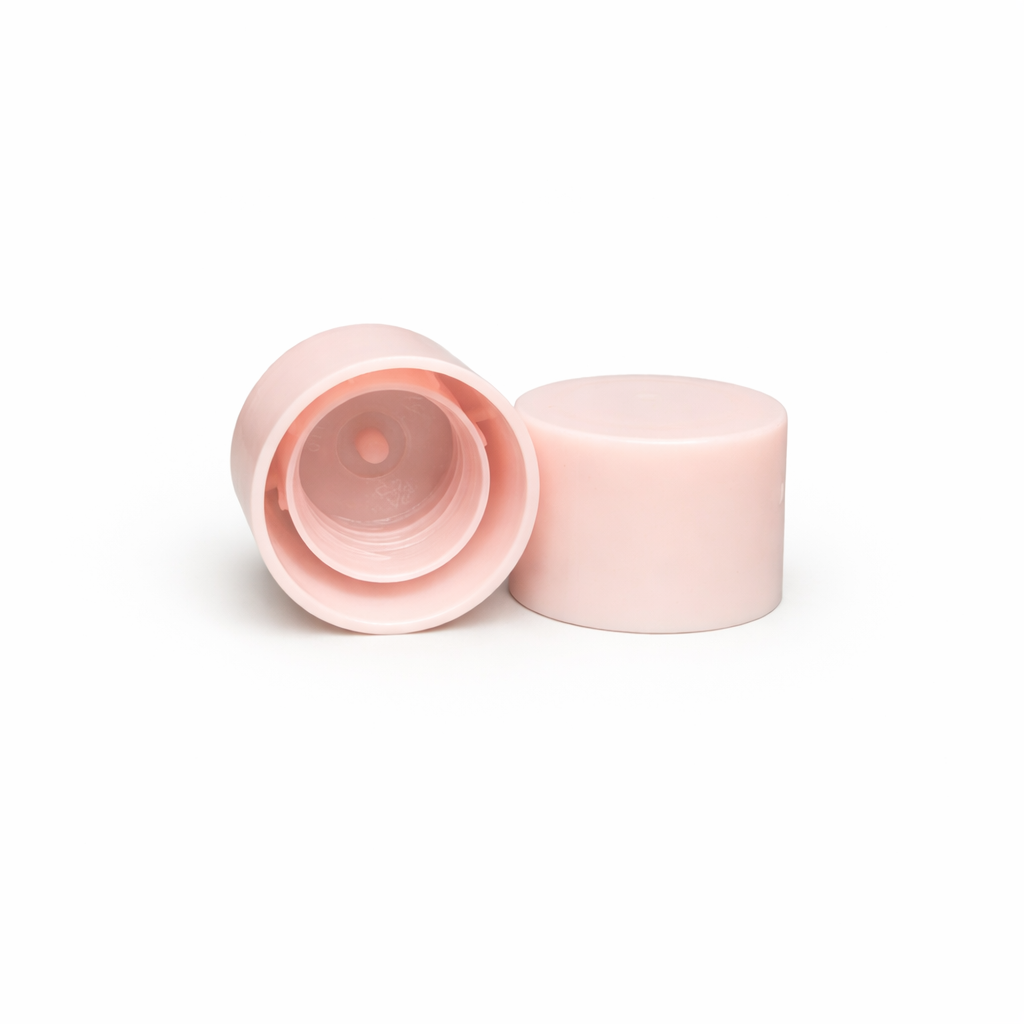
These double-layer plastic caps are perfect for toner and lotion bottles, safe, leakproof and durable.
See Details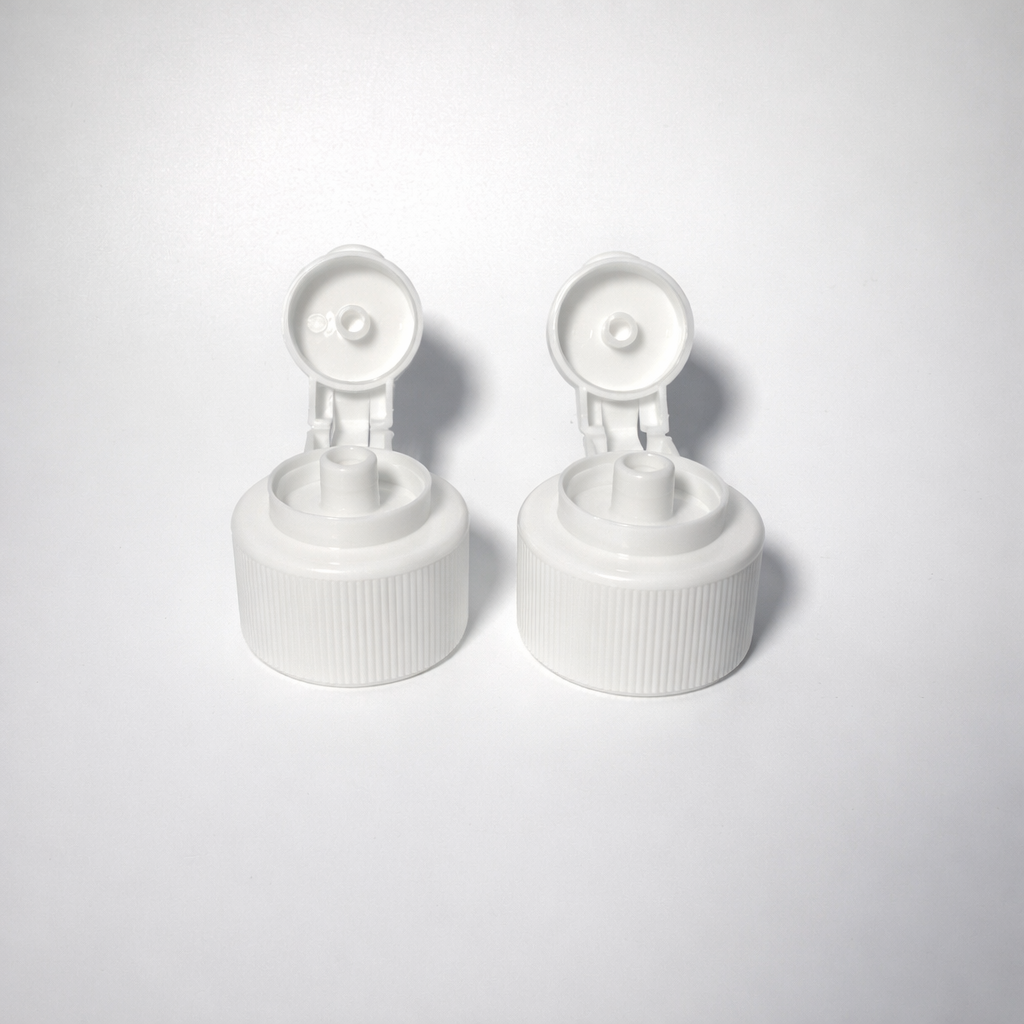
These plastic caps are available in flip and screw-on styles, with customizable colors, suitable for dish soap and shower gel.
See Details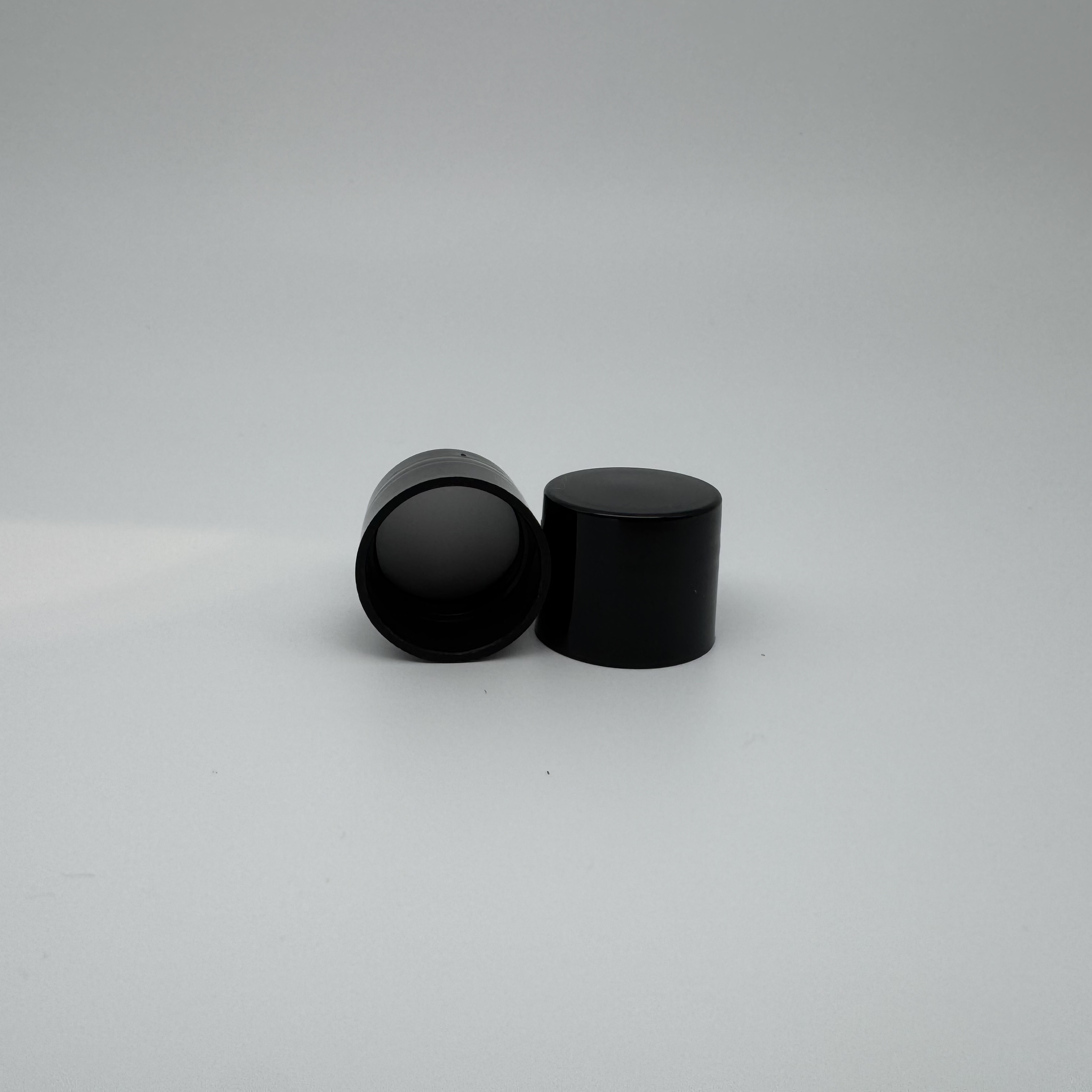
These PP screw caps come with a liner, glossy finish, ideal for lotion and cosmetics, leakproof and durable.
See Details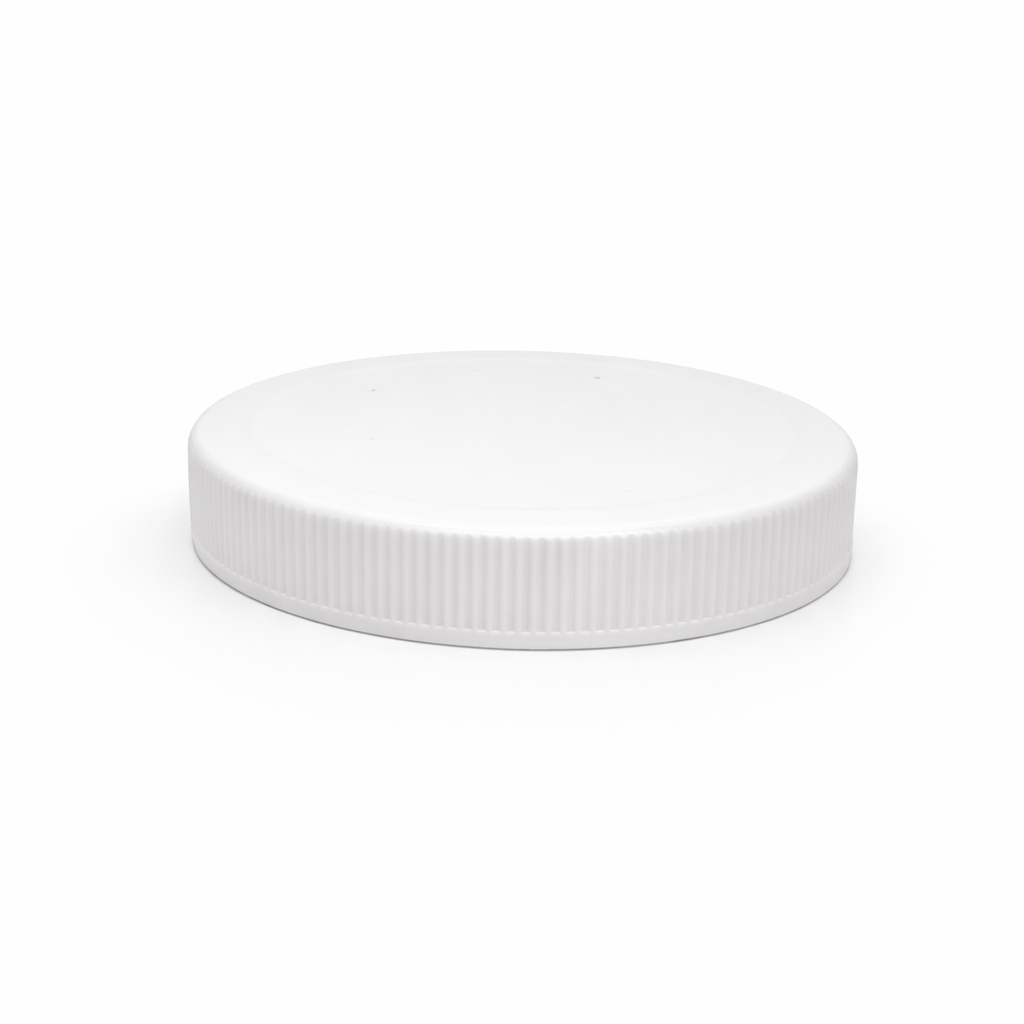
These plastic lids fit wide-mouth cream jars, with good sealing and stable screw design.
See Details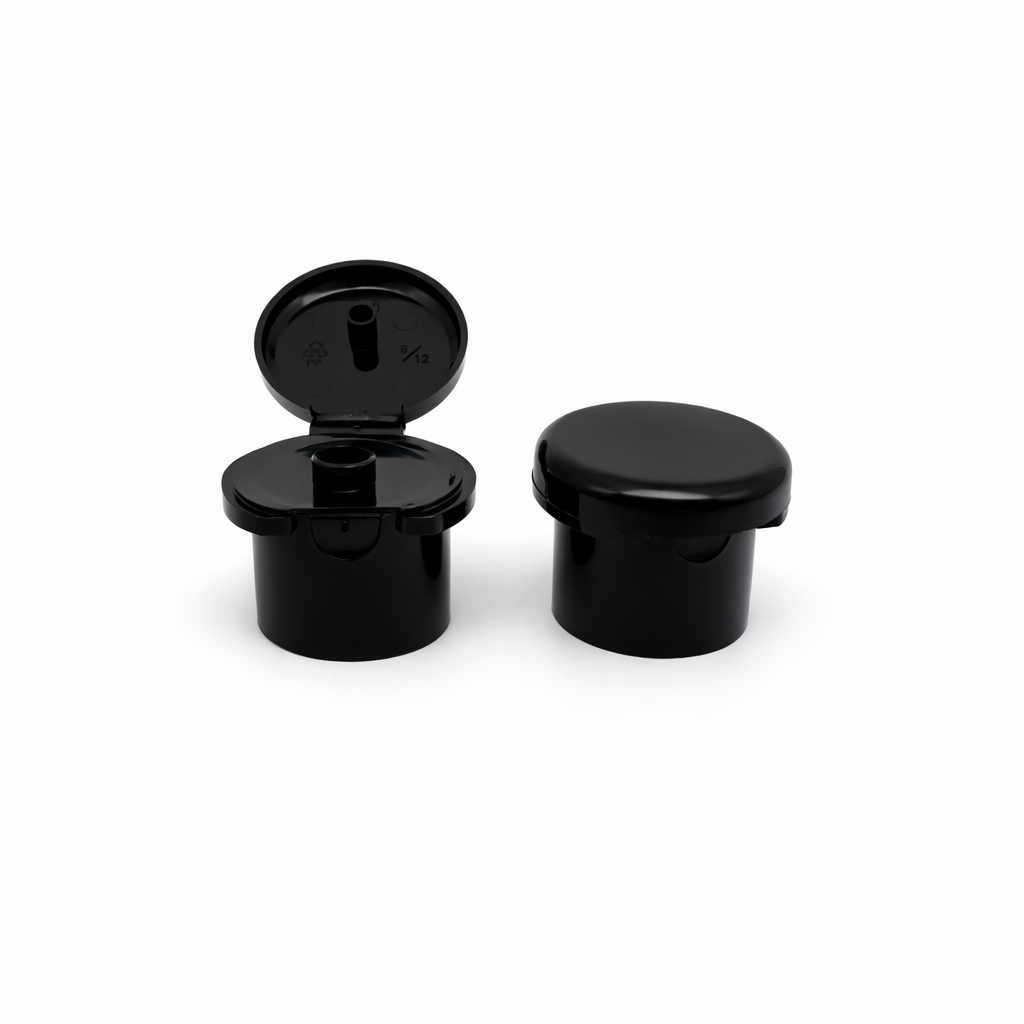
These flip-top screw caps are made of PP, ideal for shampoo and body wash, sturdy and leakproof.
See Details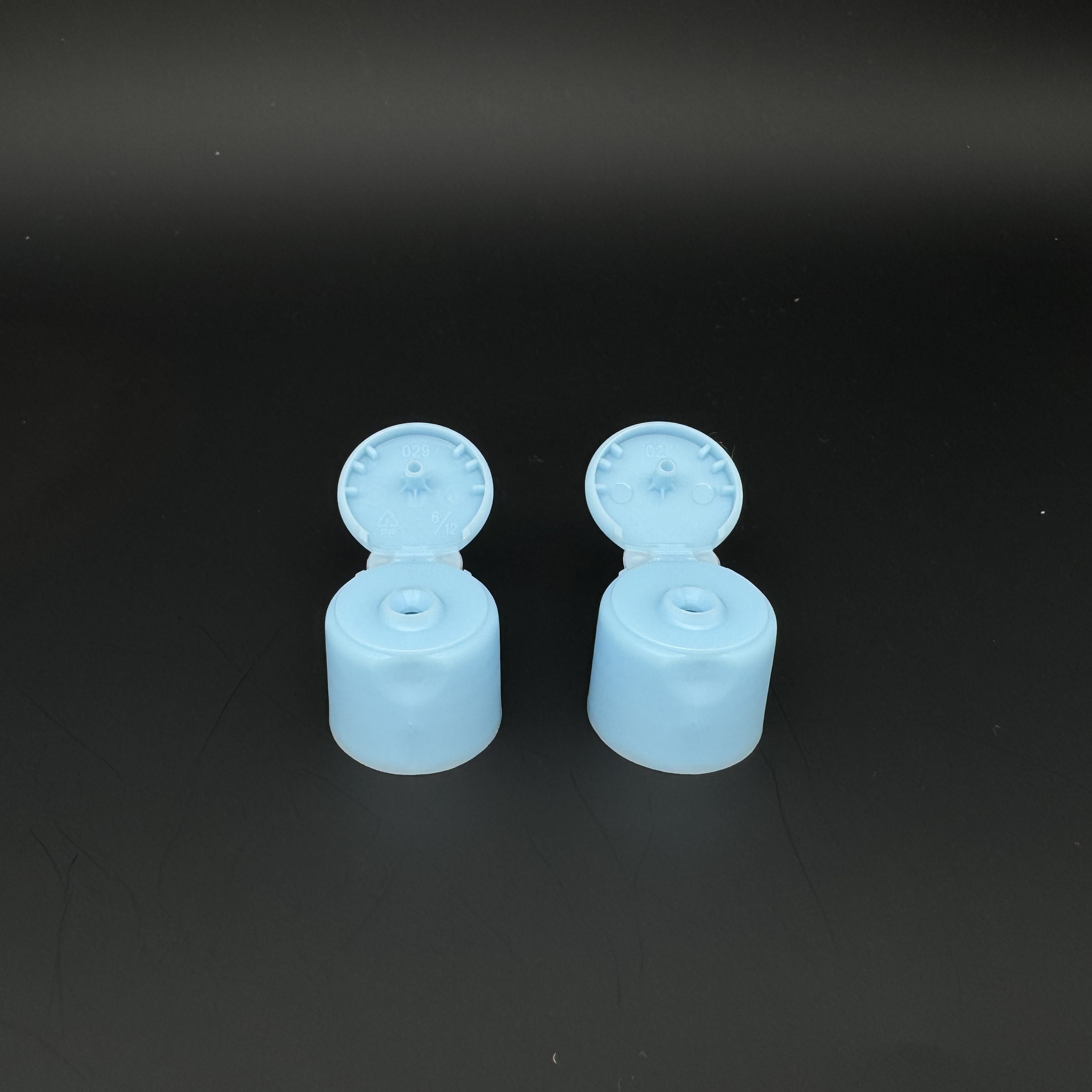
Made of durable PP, frosted flip-top screw cap for lotion, cream and sunscreen, leakproof and stylish.
See Details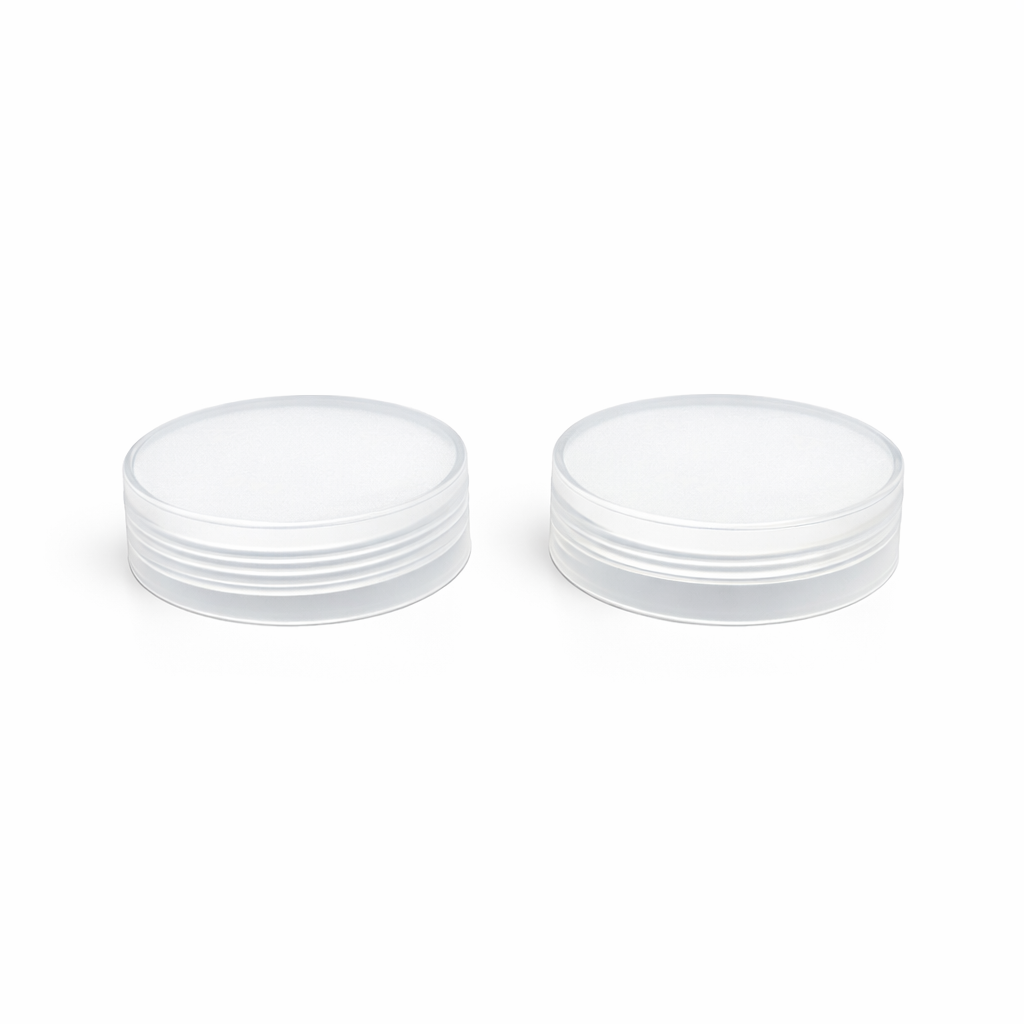
Glossy plastic screw caps with liner, perfect for face cream and hand cream, leakproof and durable.
See Details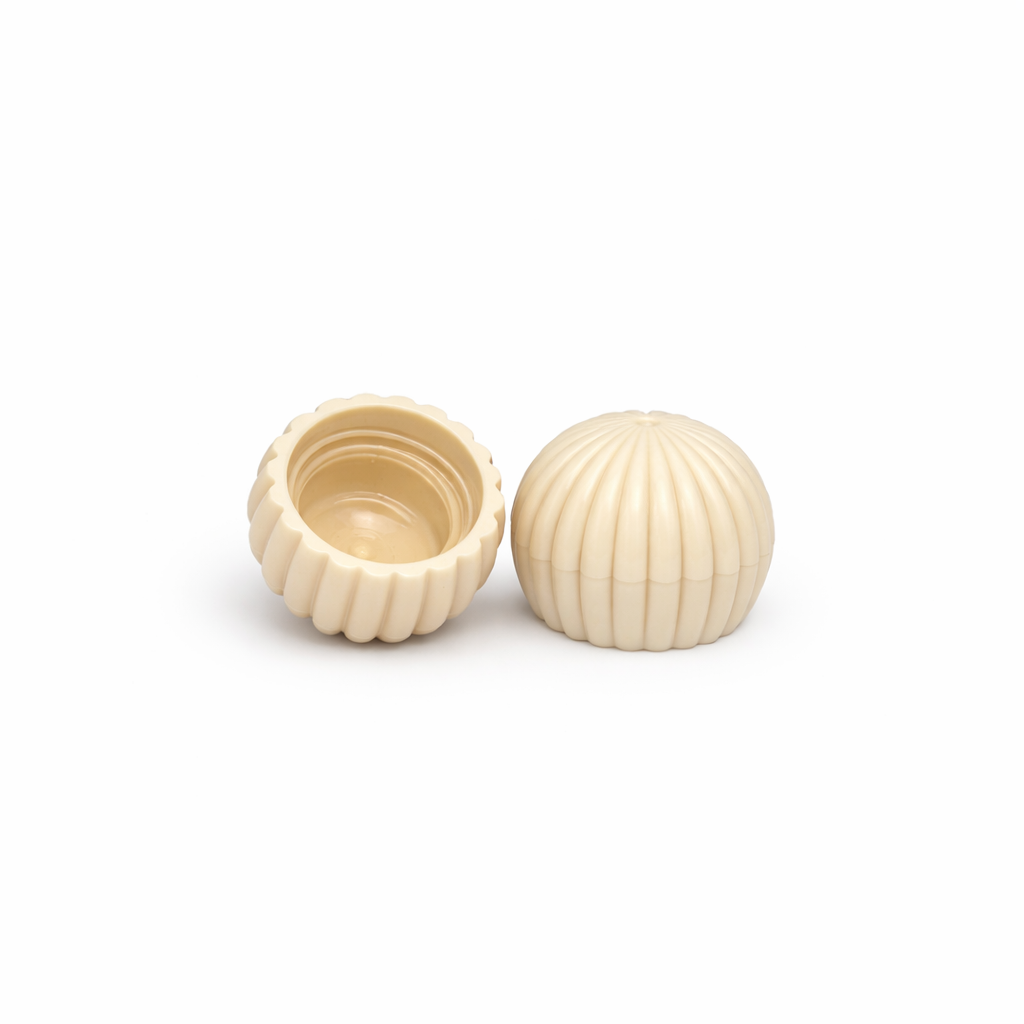
These PP spherical caps come in customizable colors, ideal for laundry liquid and cosmetic lotion, with great sealing.
See DetailsAddress: Building 36, Shanbai Villa, Qiandao Lake Town, Chun'an County, Hangzhou City, Zhejiang Province
TEL: +86 15988456592
Email:iris@happy-packaging.com


