20/410Plastic Double-layer Cap Makeup Water Bottle Cap Cosmetics Lotion Cap HPPC001
These double-layer plastic caps are perfect for toner and lotion bottles, safe, leakproof and durable.
See Details

 Web Menu
 Product Search
 Exit Menu
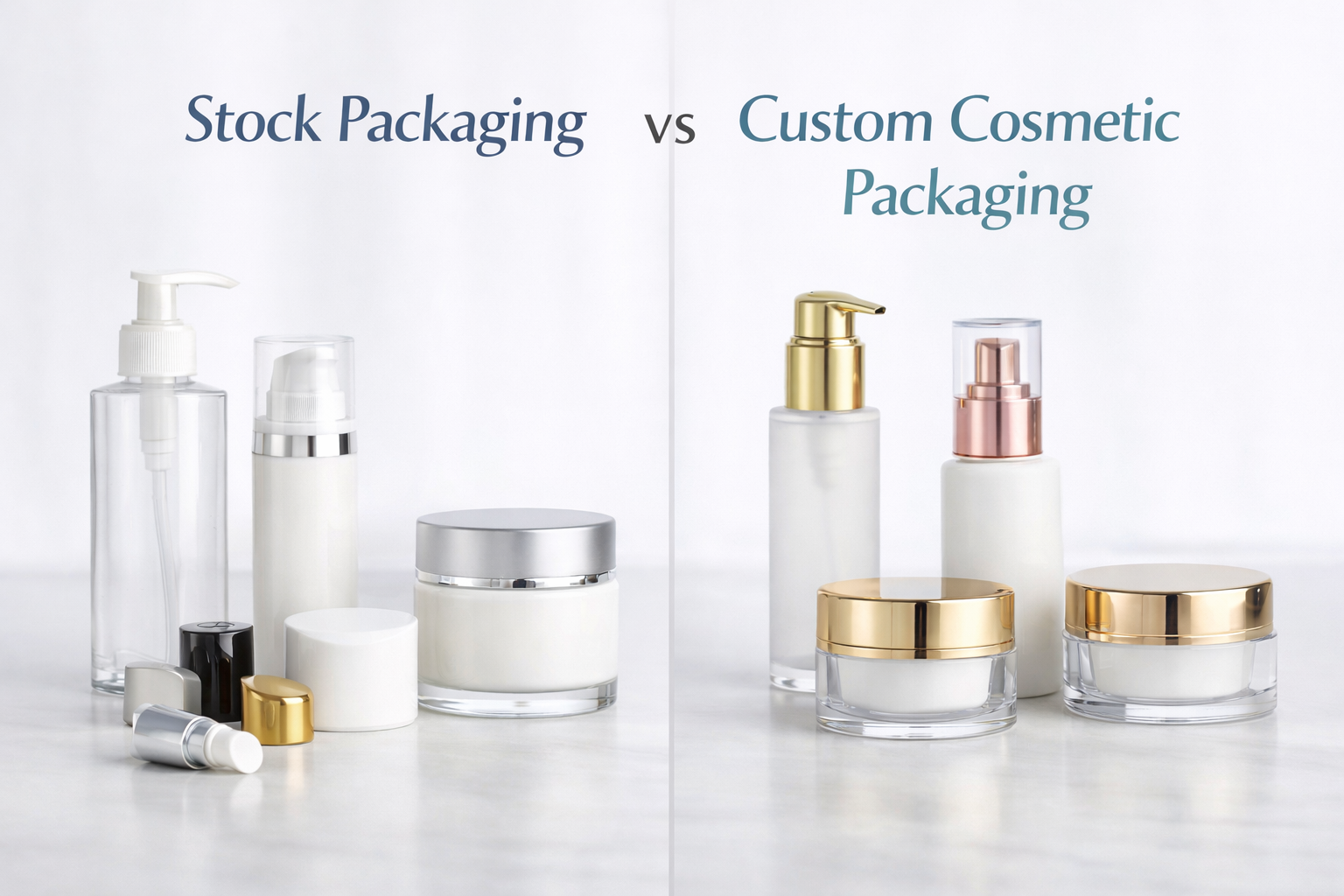 For many beauty brands, this is not only a design question. It directly affects MOQ, lead time, product launch speed, branding flexibility, and overall packaging cost. A packaging decision that works well for one brand may create unnecessary delays or costs for another.
For example, a startup skincare brand may prioritize lower MOQ and faster sample approval, while a more established beauty brand may care more about shelf differentiation, exclusive appearance, and long-term brand consistency.
In practice, both stock packaging and custom packaging can be effective solutions. The right choice depends on your product strategy, order plan, budget, and brand positioning.
In this article, we compare stock packaging and custom cosmetic packaging to help growing beauty brands choose the most practical path.
Stock packaging refers to existing bottle, jar, pump, cap, or airless packaging designs that are already available from a packaging manufacturer.
Instead of developing a completely new mold, brands select from ready-made packaging structures and customize only selected details such as:
bottle color
cap color
silk screen printing
hot stamping
labeling
matte or glossy finish
logo decoration
This approach is commonly used for:
skincare startups
private label product launches
fast market testing
lower-MOQ projects
brands that need faster lead time
faster development process
lower mold investment
more manageable MOQ
easier sampling
shorter production preparation time
less structural exclusivity
fewer unique shape options
possible overlap with packaging used by other brands
For many growing beauty brands, stock packaging is often the most efficient starting point, especially when speed and flexibility are more important than exclusivity.
Custom cosmetic packaging usually refers to packaging that is developed or modified specifically for a brand’s product line or visual identity.
This can include different levels of customization:
custom color
custom print
custom decoration
customized pump or cap matching
modified bottle proportions
special outer shells
unique combination of stock components
customized accessory parts
new mold development
exclusive bottle or jar shape
brand-specific structure
packaging system designed only for one product line
Custom packaging is often used by brands that want stronger market differentiation and more control over final presentation.
stronger brand identity
more unique shelf appearance
better alignment with premium positioning
more flexibility in long-term packaging system planning
higher MOQ in many cases
longer development cycle
more sample revisions
potentially higher tooling and unit costs
For beauty brands planning long-term product expansion, custom packaging can be a strong investment. However, it should be chosen at the right stage of business growth.
The difference is not simply “cheap vs expensive” or “basic vs premium.” In reality, the best choice depends on what your brand needs most at the current stage.
Below are the most important decision factors.
MOQ is one of the first concerns for skincare startups and growing beauty brands.
In most cases, stock cosmetic packaging is more MOQ-friendly because the mold and structural system already exist. Buyers can usually start with a lower volume compared with fully custom packaging projects.
Custom packaging often involves:
mold setup considerations
color matching requirements
customized decoration minimums
assembly planning
supplier production scheduling
That means MOQ can increase depending on how much customization is involved.
If your brand is still testing market response, stock packaging with customized decoration is often the most practical way to control risk while still achieving a branded appearance.
For many beauty brands, launch timing matters just as much as design.
Stock packaging generally offers a shorter path because:
the bottle or jar structure already exists
samples can be prepared faster
tooling is usually not required
fewer structural revisions are needed
Custom packaging usually takes longer because the process may include:
design review
engineering confirmation
mold discussion
multiple sample rounds
decoration testing
mass production validation
Stock packaging = faster launch
Custom packaging = longer preparation, more exclusivity
If your goal is to launch a new skincare product quickly, stock packaging can often reduce development pressure significantly.
Some brands assume stock packaging always looks generic, but that is not necessarily true.
A well-selected stock bottle or jar with:
custom color
high-quality silk screen printing
hot stamping
frosting
matched cap and pump design
can still create a polished and premium brand presentation.
That said, custom cosmetic packaging offers stronger control over:
silhouette
tactile experience
visual identity
packaging consistency across product lines
For many early-stage beauty brands, brand coherence matters more than packaging originality.
In other words, a clean and well-branded stock packaging solution can often perform better than an overcomplicated custom concept that delays launch or increases cost unnecessarily.
Cost should be evaluated in more than one way.
mold development cost
engineering cost
sampling complexity
production setup time
tooling cost
development cost
sampling rounds
material complexity
inventory planning pressure
However, cost should not only be measured by unit price.
For example, a custom bottle that improves shelf differentiation and brand recognition may still be commercially valuable if it supports stronger pricing and better market positioning.
The key is to evaluate total commercial efficiency, not only packaging unit cost.
Sampling is one of the most important stages in cosmetic packaging sourcing.
Stock packaging is usually easier to sample because:
base components already exist
structure is already tested
only decoration or color may need confirmation
Custom packaging often requires more rounds because brands may need to confirm:
structure details
dimensions
closure fit
pump compatibility
decoration placement
user handling experience
If your team needs to move quickly, choosing a stock packaging structure for the first launch can make the sample approval process much more manageable.
Yes, absolutely.
The packaging decision should not be made only from a branding perspective. It should also match the product formula and usage format.
serums may work better in airless bottles or treatment pumps
lotions may fit pump bottles or airless systems
creams may be better in jars or airless jars
toners often require lightweight bottles with secure closures
In many cases, the smartest solution is not “fully stock” or “fully custom,” but a hybrid approach:
use a proven stock packaging structure
customize color, decoration, and component combination
align the look with your brand identity
This often gives beauty brands the best balance between speed, cost, and market presentation.
For many startups and emerging skincare brands, stock packaging with customized branding is often the best first step.
Why?
Because it offers:
lower development risk
faster launch speed
better MOQ flexibility
easier sample management
less operational complexity
This allows brands to:
validate product-market fit
build early customer traction
test packaging aesthetics
prepare for future upgrades
Once the brand grows and the product line becomes more stable, custom packaging may become more worthwhile.
Stage 1: stock packaging + custom decoration
Stage 2: semi-custom packaging
Stage 3: fully custom packaging for hero products or premium lines
This phased approach is often more commercially efficient than forcing full customization too early.
A reliable cosmetic packaging manufacturer should not only offer products. They should also help you make practical sourcing decisions.
When comparing stock packaging and custom cosmetic packaging, it helps to discuss:
target MOQ
launch timeline
product type and formula
decoration requirements
sustainability goals
export logistics
long-term product line planning
These factors often determine whether a packaging project stays efficient or becomes unnecessarily complicated.
For example, a brand that wants a premium serum bottle may not need a fully custom mold if an existing airless bottle can already achieve the right performance and appearance with customized finishing.
This is why supplier communication early in the project can save both time and cost.
There is no single packaging solution that fits every skincare or beauty brand. The right choice depends on your product type, order plan, budget, launch schedule, and branding goals.
If you are evaluating stock cosmetic packaging or custom cosmetic packaging for your next project, it helps to review the options with a manufacturer who understands both packaging structure and commercial sourcing requirements.
At Happy Packaging, we support beauty and skincare brands with packaging solutions for bottles, jars, pumps, caps, and airless systems, including both stock and customized options.
If you are planning a new product launch, feel free to contact us to discuss your packaging requirements, sample needs, MOQ, and lead time.
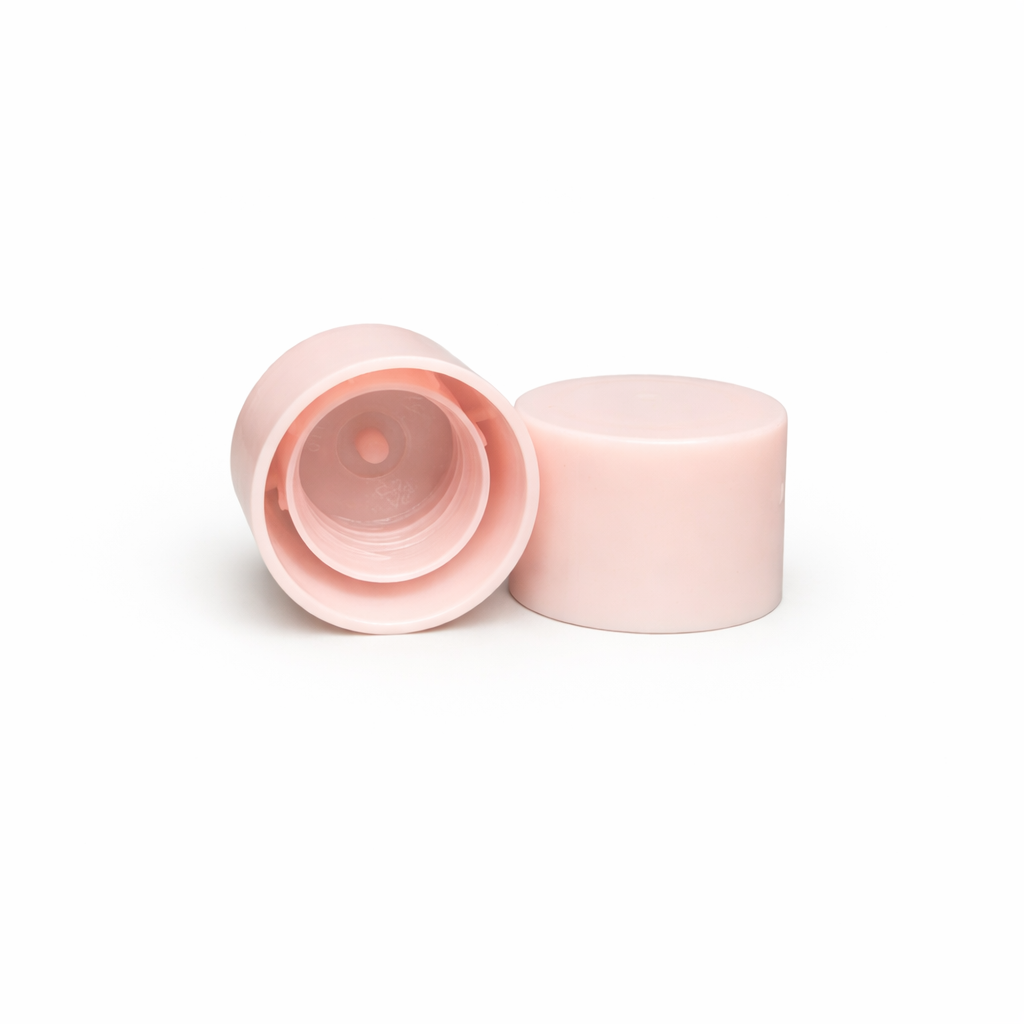
These double-layer plastic caps are perfect for toner and lotion bottles, safe, leakproof and durable.
See Details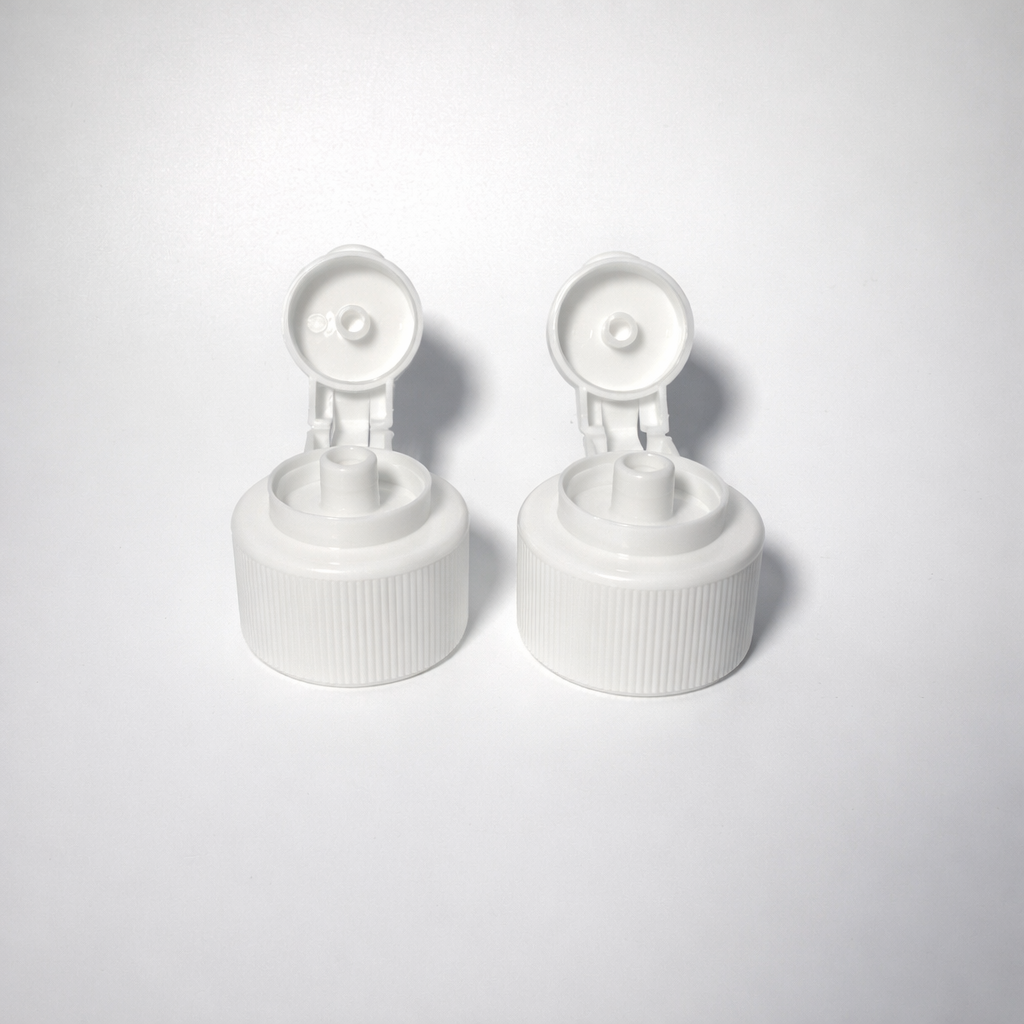
These plastic caps are available in flip and screw-on styles, with customizable colors, suitable for dish soap and shower gel.
See Details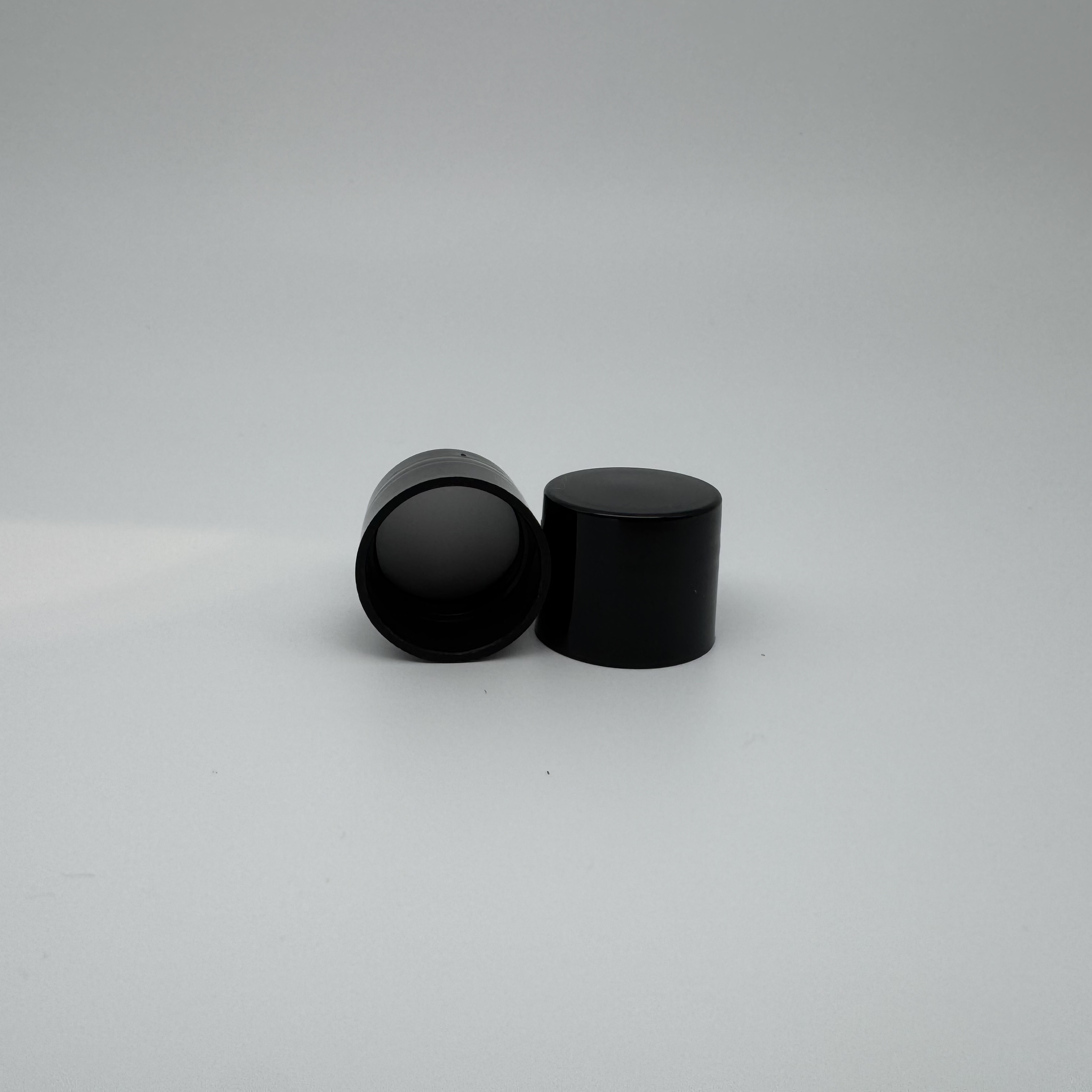
These PP screw caps come with a liner, glossy finish, ideal for lotion and cosmetics, leakproof and durable.
See Details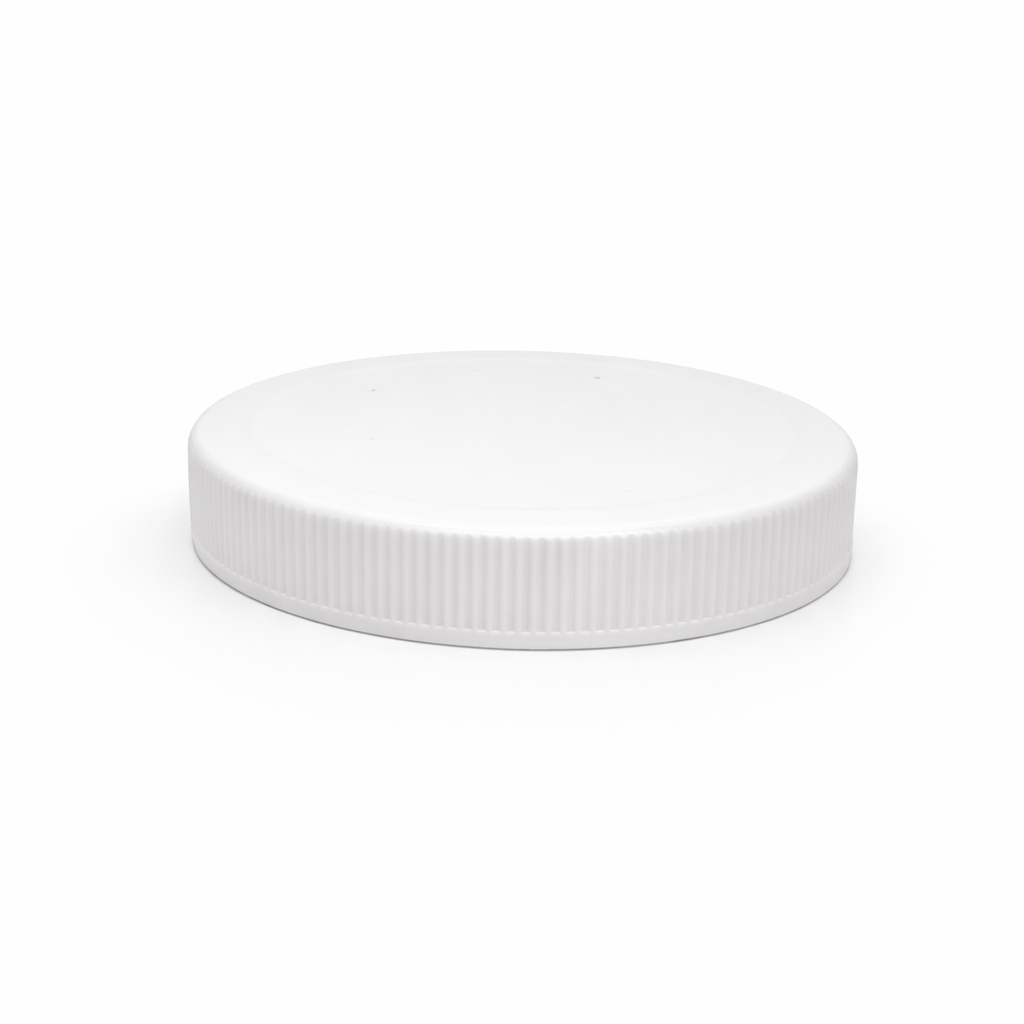
These plastic lids fit wide-mouth cream jars, with good sealing and stable screw design.
See Details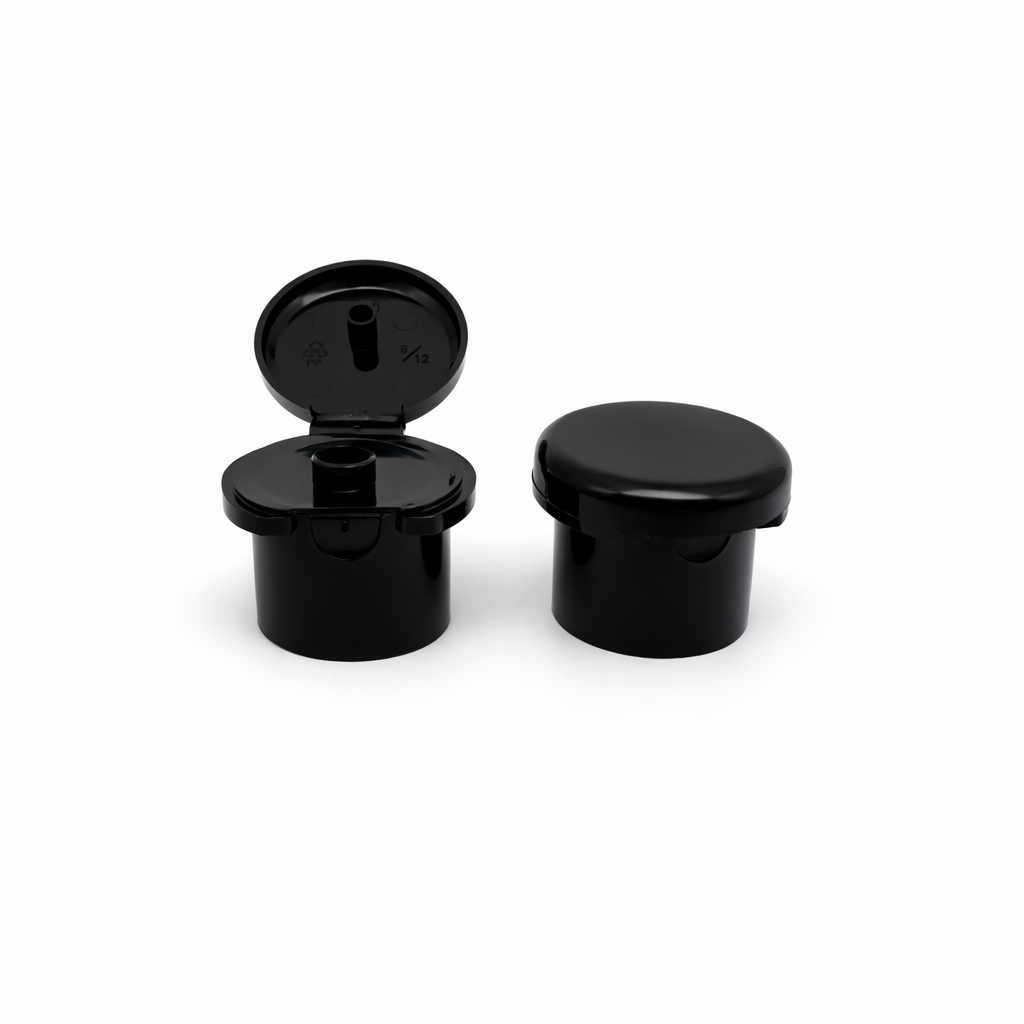
These flip-top screw caps are made of PP, ideal for shampoo and body wash, sturdy and leakproof.
See Details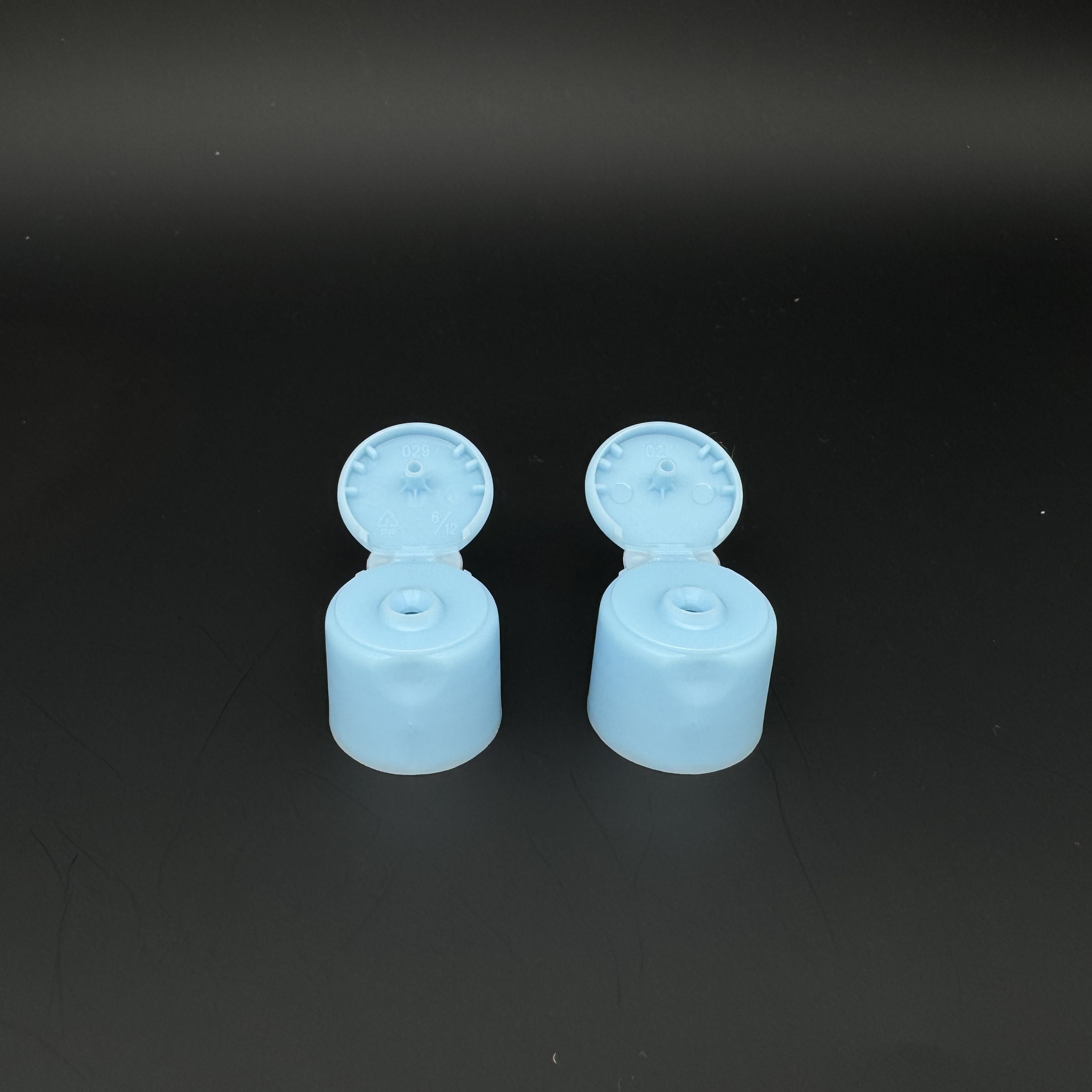
Made of durable PP, frosted flip-top screw cap for lotion, cream and sunscreen, leakproof and stylish.
See Details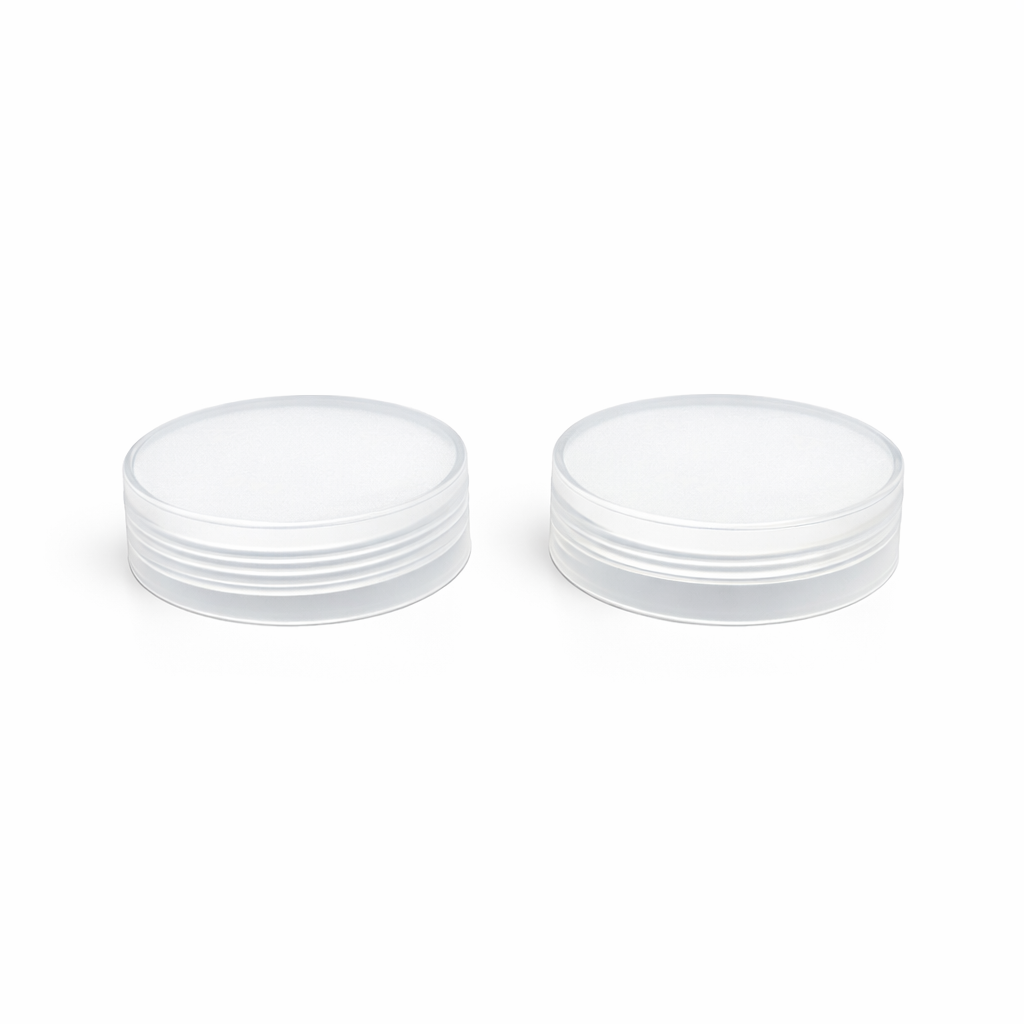
Glossy plastic screw caps with liner, perfect for face cream and hand cream, leakproof and durable.
See Details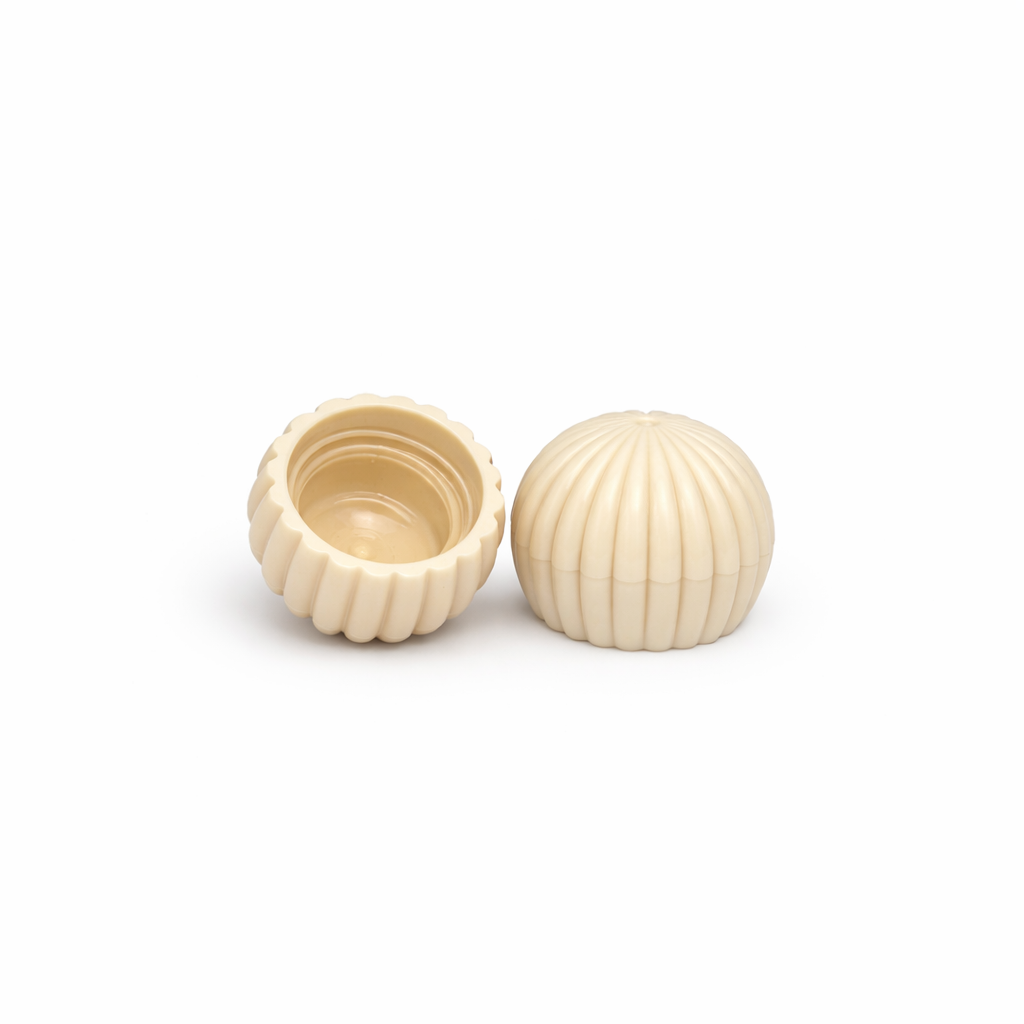
These PP spherical caps come in customizable colors, ideal for laundry liquid and cosmetic lotion, with great sealing.
See DetailsAddress: Building 36, Shanbai Villa, Qiandao Lake Town, Chun'an County, Hangzhou City, Zhejiang Province
TEL: +86 15988456592
Email:iris@happy-packaging.com


