20/410Plastic Double-layer Cap Makeup Water Bottle Cap Cosmetics Lotion Cap HPPC001
These double-layer plastic caps are perfect for toner and lotion bottles, safe, leakproof and durable.
See Details

 Web Menu
 Product Search
 Exit Menu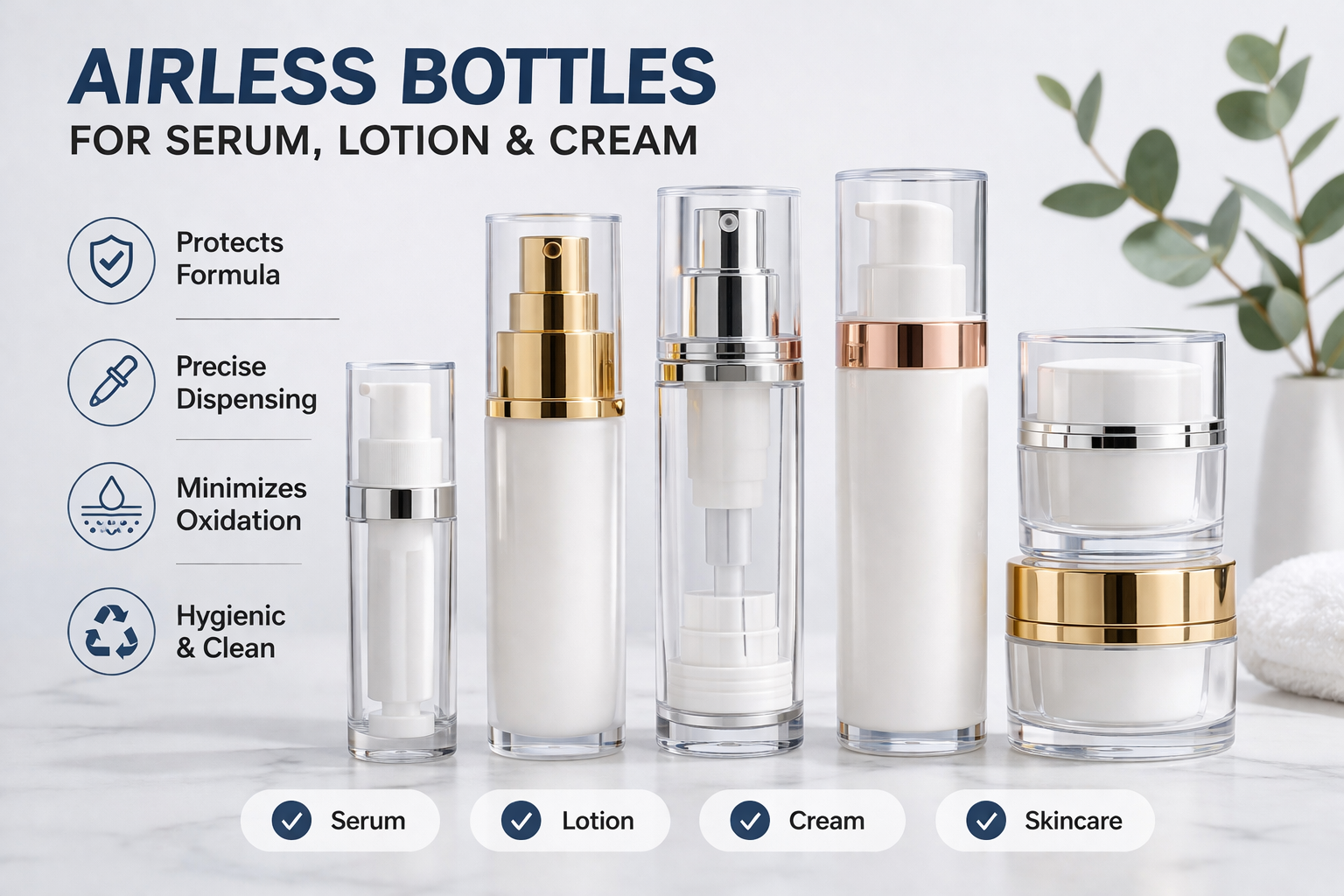
Airless bottles have become one of the most widely used packaging solutions in modern skincare, especially for products that require better protection, controlled dispensing, and a more premium user experience.
For skincare brands, choosing the right airless bottle is not only about appearance. It also affects formula stability, dosage control, compatibility with pumps, production feasibility, and overall packaging cost.
Different product types—such as serums, lotions, and creams—require different airless structures, materials, and pump systems. Selecting the wrong configuration may lead to poor dispensing performance, user dissatisfaction, or unnecessary sourcing complications.
In this guide, we explain how to choose the right airless bottle based on product type, material, and practical sourcing considerations.
An airless bottle is a packaging system designed to dispense product without allowing air to enter the container.
Unlike traditional pump bottles that use a dip tube, airless bottles typically use:
a piston system or
a vacuum-based mechanism
When the pump is pressed:
the internal platform moves upward
the product is pushed out without air backflow
reduces oxidation
protects sensitive formulas
improves product hygiene
ensures more consistent dosage
minimizes product waste
This makes airless packaging especially suitable for high-performance skincare products.
Many skincare formulations contain active ingredients that are sensitive to air, light, or contamination.
vitamin C serums
anti-aging treatments
peptide-based formulas
natural or preservative-light products
Using an airless bottle can help maintain formula stability throughout the product lifecycle.
Airless bottles also support:
premium brand positioning
controlled dispensing experience
cleaner product usage perception
This is why many skincare brands in the US and EU markets prefer airless packaging for mid-to-high-end product lines.
Serums are usually lightweight but contain highly active ingredients.
smaller volume (15ml–50ml typical)
precise pump output
good sealing performance
optional opaque or UV-protective outer layer
PP inner system for stability
AS or acrylic outer shell for premium look
Serum users often expect controlled dispensing and minimal waste. A well-designed airless pump helps deliver a consistent amount per press.
Lotions and emulsions require a balance between flowability and dispensing control.
medium capacity (30ml–120ml)
smooth pump action
compatibility with medium viscosity formulas
PP airless systems for durability
PET or acrylic outer bottles for design flexibility
Pump output must match the viscosity of the lotion. If the output is too low, users may feel inconvenience; if too high, product waste may increase.
Creams are thicker and require stronger dispensing systems.
higher pump force
stable piston movement
compatibility with high-viscosity formulas
PP structure for functional reliability
double-wall or acrylic design for premium positioning
Not all airless bottles are suitable for thick creams. It is important to test compatibility during the sampling stage.
PP is the most commonly used material in airless packaging systems.
good chemical resistance
stable structure
widely used in pump and piston systems
suitable for many skincare formulas
inner bottle structure
airless pump components
practical and scalable production
These materials are often used as outer shells.
clear or glossy finish
strong shelf appeal
suitable for luxury skincare positioning
higher cost compared to PP
not always ideal for simplified recycling structures
These materials are sometimes used for outer packaging or hybrid structures.
transparency
lightweight
design versatility
Not all airless bottles are the same. Choosing the right structure can significantly affect performance.
single-wall airless bottle
double-wall airless bottle
replaceable inner bottle (refillable design)
twist-lock or pump-lock airless bottles
Refillable airless packaging is becoming more popular, but it may increase:
component complexity
assembly requirements
MOQ
production cost
When selecting an airless bottle, technical fit is only one part of the decision. Commercial factors are equally important.
stock airless bottles → more flexible
custom color or decoration → higher MOQ
fully custom mold → highest MOQ
standard samples can be tested quickly
custom decoration samples take longer
formula compatibility testing is essential
stock options → faster production
customized finishes → additional time
complex structures → longer preparation
For new product launches, using a stock airless bottle with custom decoration is often the most efficient approach.
A premium look does not guarantee functional performance.
Different viscosities require different pump systems.
This can increase MOQ and delay product launch.
Airless performance must be validated with actual formula.
To reduce delays and improve sourcing efficiency, it helps to discuss key details early:
product type (serum, lotion, cream)
viscosity range
target volume
decoration requirements
MOQ expectations
launch timeline
A professional cosmetic packaging manufacturer can recommend suitable airless bottle structures based on both technical and commercial factors.
Choosing the right airless bottle requires balancing formula compatibility, user experience, packaging design, and sourcing efficiency.
At Happy Packaging, we support skincare and beauty brands with airless bottle solutions, including stock and customized options for serums, lotions, and creams.
If you are developing a new product line or optimizing your packaging strategy, feel free to contact us to discuss your requirements, sampling plan, MOQ, and lead time.
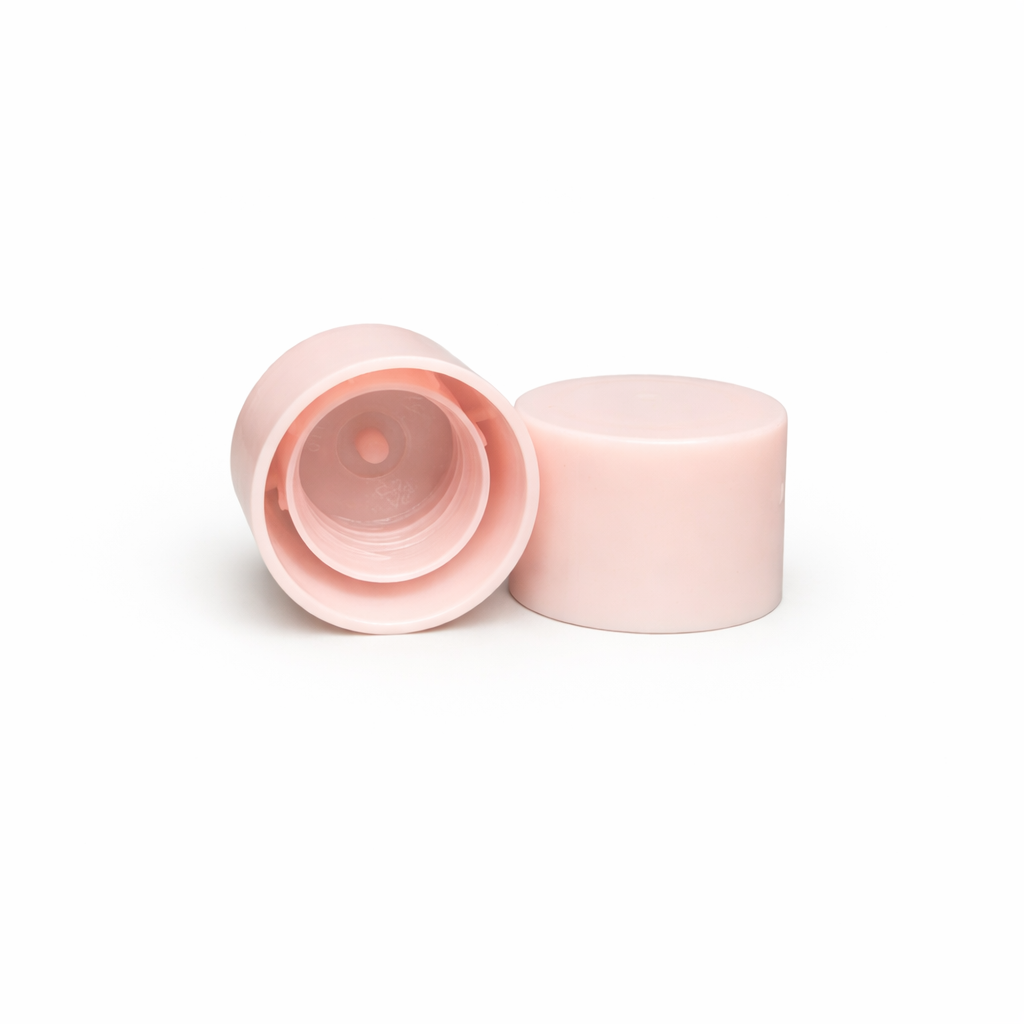
These double-layer plastic caps are perfect for toner and lotion bottles, safe, leakproof and durable.
See Details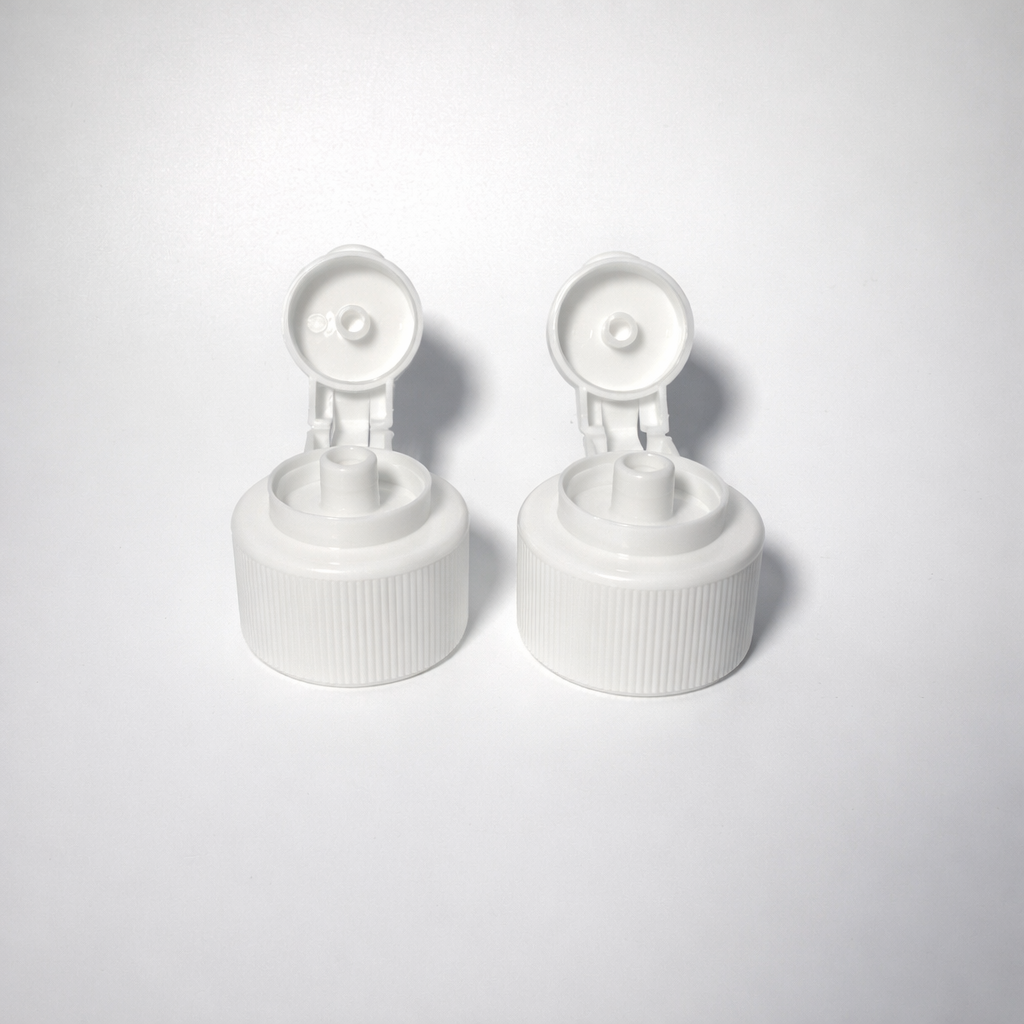
These plastic caps are available in flip and screw-on styles, with customizable colors, suitable for dish soap and shower gel.
See Details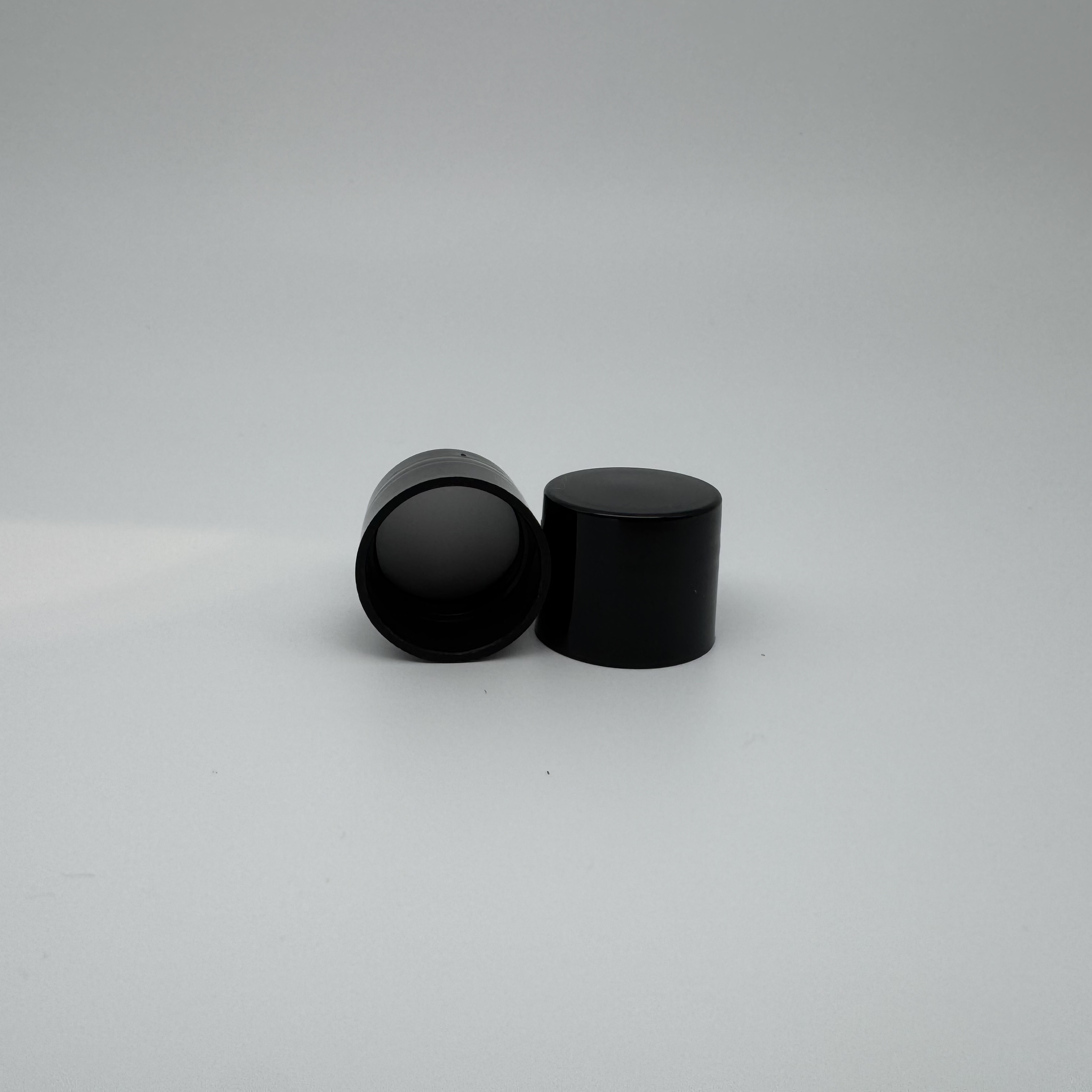
These PP screw caps come with a liner, glossy finish, ideal for lotion and cosmetics, leakproof and durable.
See Details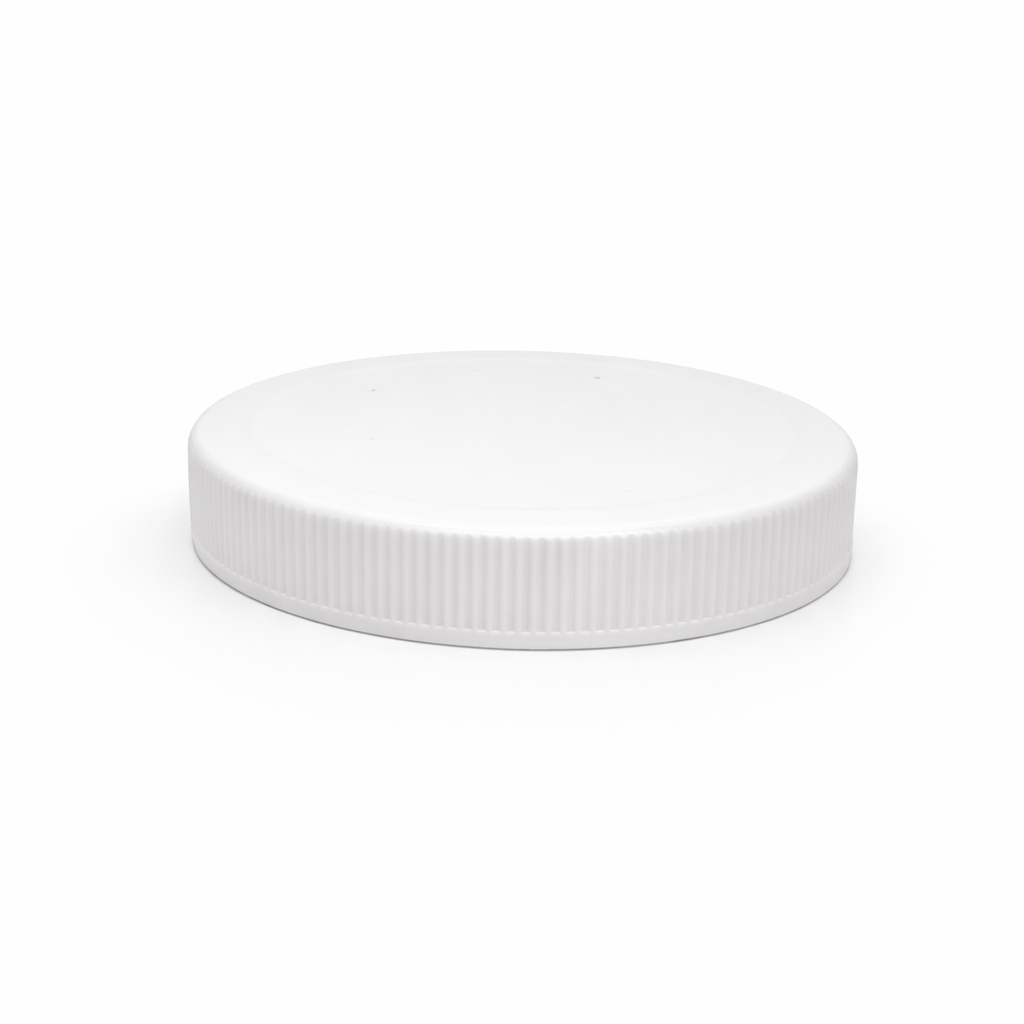
These plastic lids fit wide-mouth cream jars, with good sealing and stable screw design.
See Details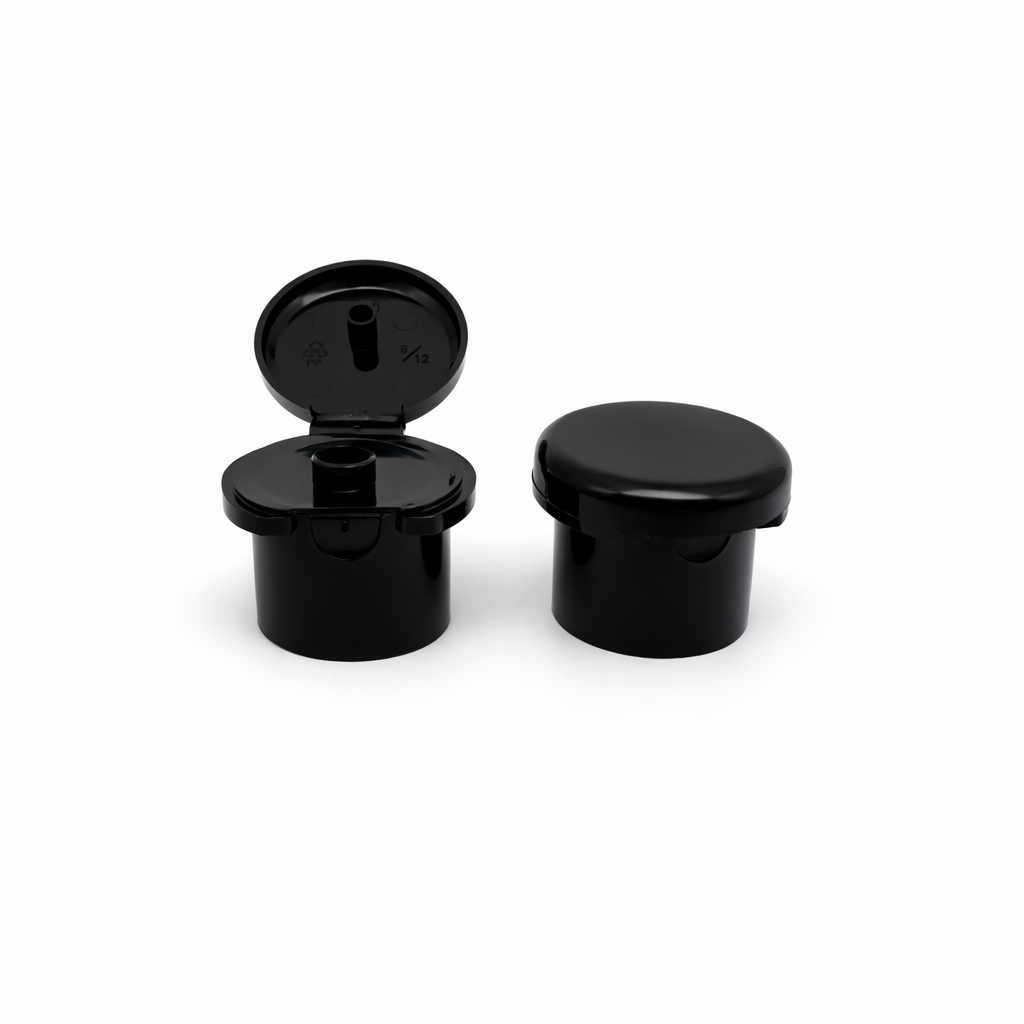
These flip-top screw caps are made of PP, ideal for shampoo and body wash, sturdy and leakproof.
See Details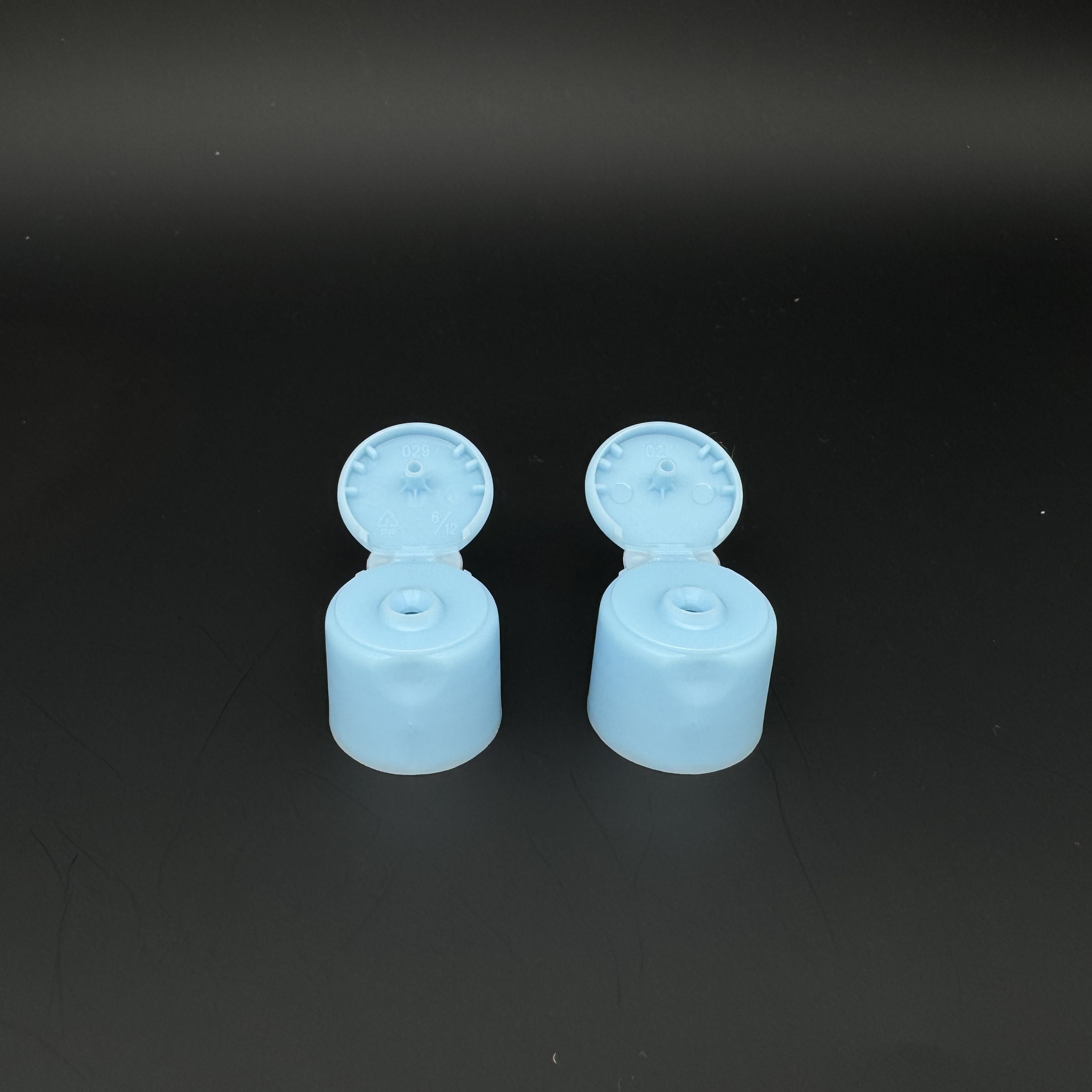
Made of durable PP, frosted flip-top screw cap for lotion, cream and sunscreen, leakproof and stylish.
See Details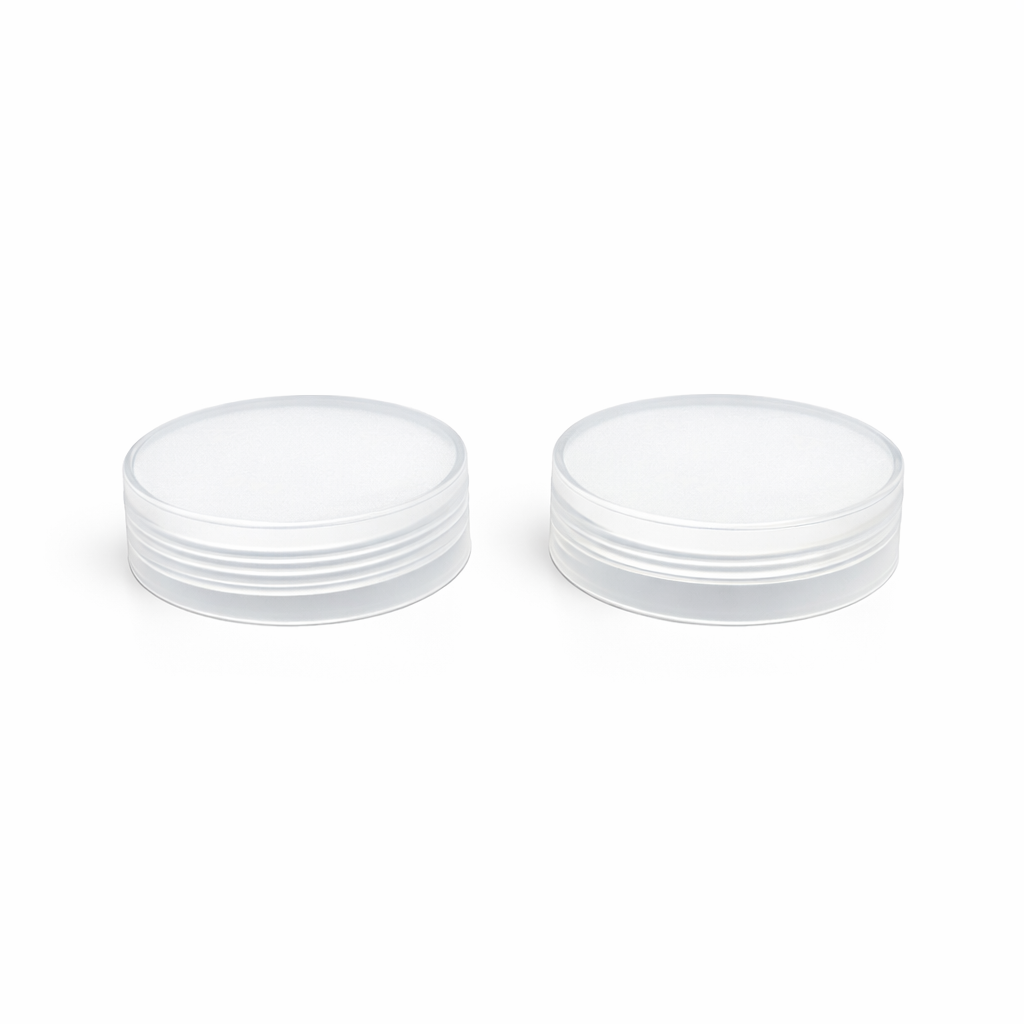
Glossy plastic screw caps with liner, perfect for face cream and hand cream, leakproof and durable.
See Details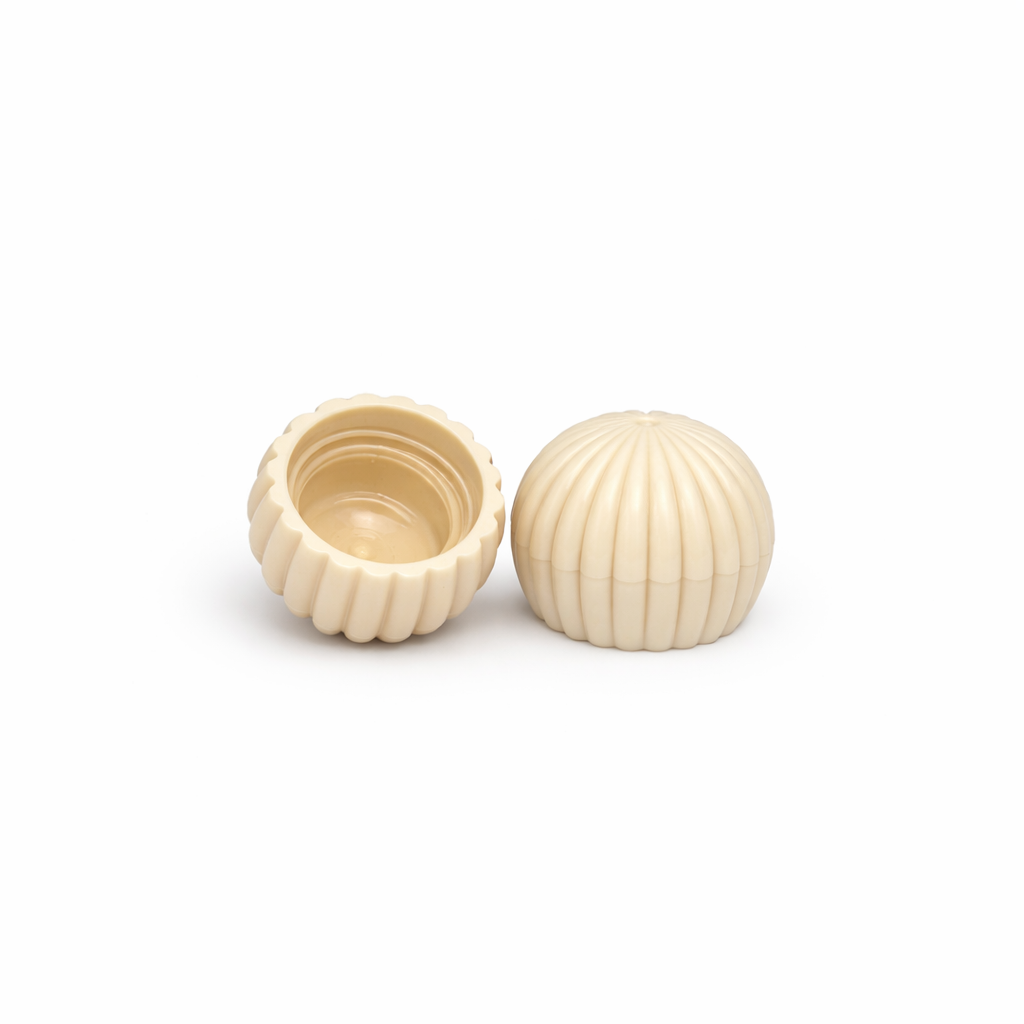
These PP spherical caps come in customizable colors, ideal for laundry liquid and cosmetic lotion, with great sealing.
See DetailsAddress: Building 36, Shanbai Villa, Qiandao Lake Town, Chun'an County, Hangzhou City, Zhejiang Province
TEL: +86 15988456592
Email:iris@happy-packaging.com


