20/410Plastic Double-layer Cap Makeup Water Bottle Cap Cosmetics Lotion Cap HPPC001
These double-layer plastic caps are perfect for toner and lotion bottles, safe, leakproof and durable.
See Details

 Web Menu
 Product Search
 Exit Menu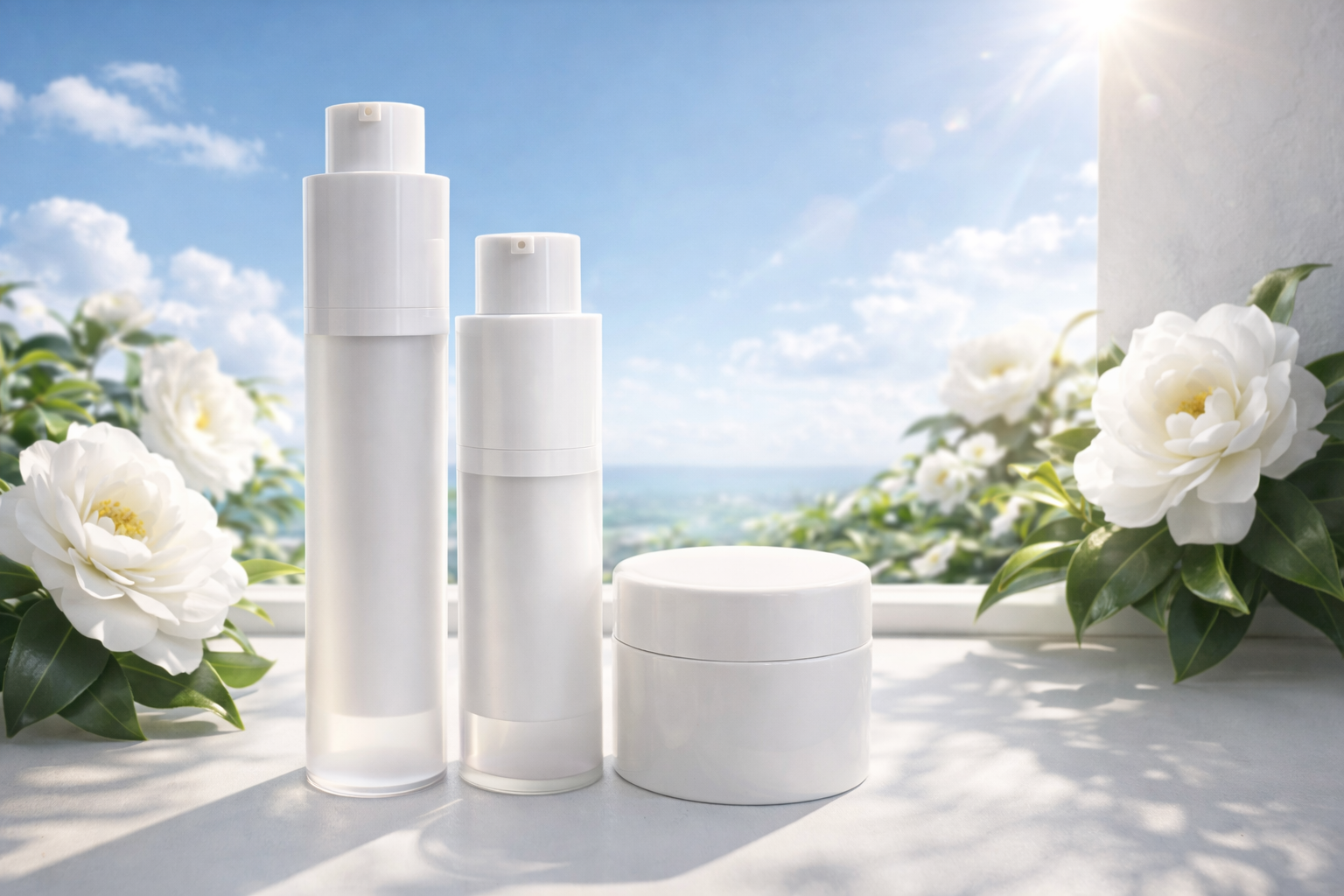
For skincare and beauty brands, packaging is more than just a container—it directly affects product protection, user experience, and brand positioning. Whether you are launching a new serum, lotion, or cream, understanding how custom cosmetic packaging works will help you make better sourcing decisions and avoid unnecessary delays or costs.
Custom packaging typically includes bottles, jars, pumps, and caps that are tailored to your product’s formula, branding, and market positioning. Choosing the right combination is essential not only for aesthetics but also for functionality, especially for sensitive formulations.
Airless bottles, for example, are widely used for serums and lotions because they prevent oxidation and contamination. This type of packaging is ideal for products with active ingredients, as it helps extend shelf life and ensures more precise dispensing. In contrast, standard PET or PP bottles are more cost-effective and suitable for general skincare products.
Material selection plays a key role in both performance and sustainability. PET (polyethylene terephthalate) is lightweight, transparent, and fully recyclable, making it a popular choice for bottles. PP (polypropylene) offers strong chemical resistance and is commonly used for pumps and caps. Acrylic provides a premium appearance and is often used in high-end cosmetic jars, while PCR (post-consumer recycled plastic) is increasingly used by brands looking to reduce environmental impact.
One of the most important considerations when sourcing packaging is MOQ, or minimum order quantity. For standard bottles and jars, MOQ typically ranges from 3,000 to 10,000 pieces. However, if you require custom colors, printing, or unique designs, the MOQ may increase. Custom mold development usually involves a higher upfront investment but can provide long-term cost advantages for large-volume orders.
Before moving into mass production, sampling is a critical step. Suppliers usually offer stock samples for basic evaluation, as well as customized samples with printing or specific finishes. Stock samples can often be delivered within a few days, while customized samples may take one to two weeks. This stage allows you to test product compatibility, check pump functionality, and confirm decoration quality.
Lead time for bulk production depends on several factors, including order quantity, material availability, and the complexity of customization. Standard production cycles typically range from 20 to 30 days, while more complex projects may require up to 45 days. Proper planning is essential, especially if you are preparing for a product launch or seasonal demand.
Packaging cost is influenced by multiple variables. Material choice is one of the main factors, with PET and PP being more cost-effective and acrylic being more expensive. Design complexity, such as thicker walls or unique shapes, can also increase costs. Decoration methods like silk printing, hot stamping, frosting, or metallization add both visual value and additional expense. In addition, order volume plays a major role, as higher quantities generally reduce the unit price.
Choosing the right packaging supplier is just as important as selecting the packaging itself. A reliable supplier should be able to support sampling, offer a wide range of materials and decoration options, and provide clear communication on MOQ and lead times. Experience in cosmetic packaging is particularly important, as different formulas require specific compatibility considerations.
When starting a custom packaging project, it is helpful to prepare key information in advance. This includes your product type, desired packaging style, capacity, decoration requirements, and estimated order quantity. Having these details ready will make communication with suppliers more efficient and help you receive accurate quotations.
Custom cosmetic packaging is a balance between design, functionality, and cost. By understanding the key factors involved—materials, MOQ, sampling, lead time, and pricing—you can make more informed decisions and build a more efficient supply chain for your brand.
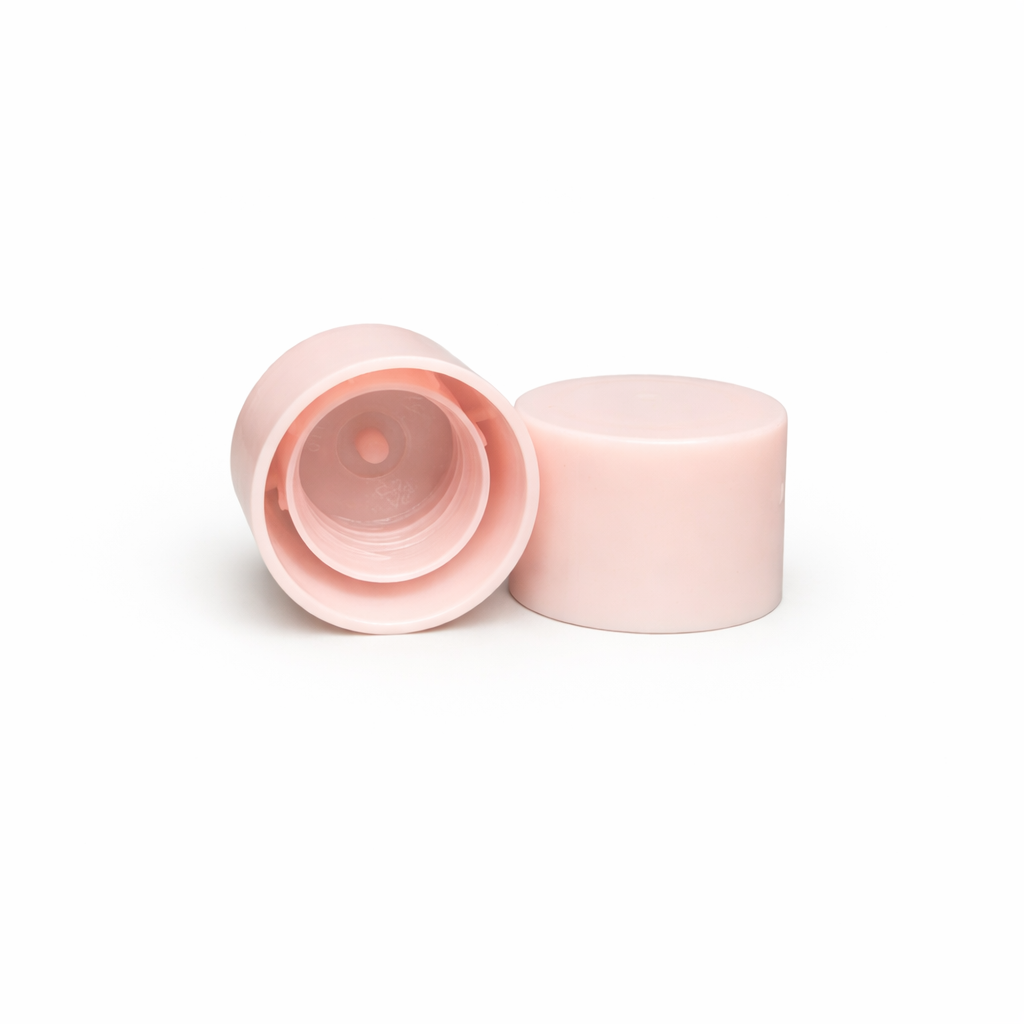
These double-layer plastic caps are perfect for toner and lotion bottles, safe, leakproof and durable.
See Details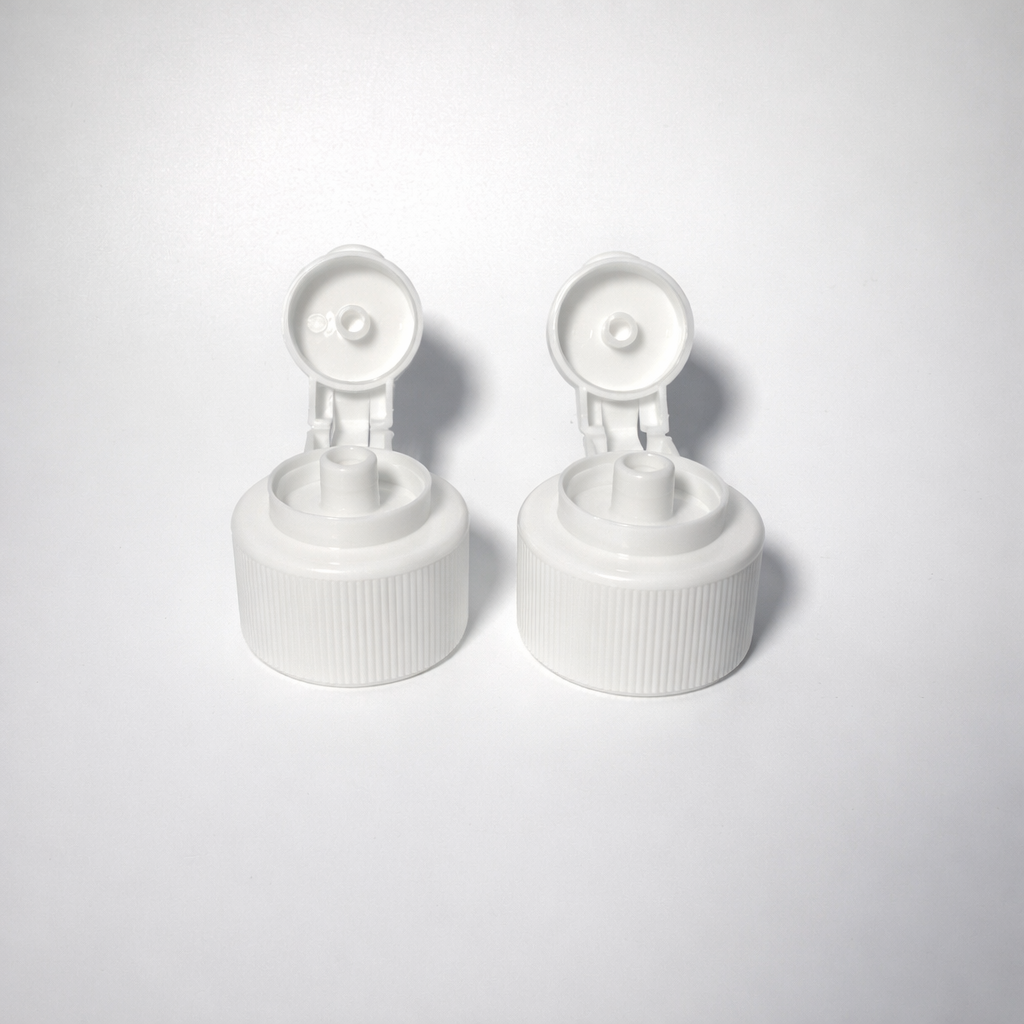
These plastic caps are available in flip and screw-on styles, with customizable colors, suitable for dish soap and shower gel.
See Details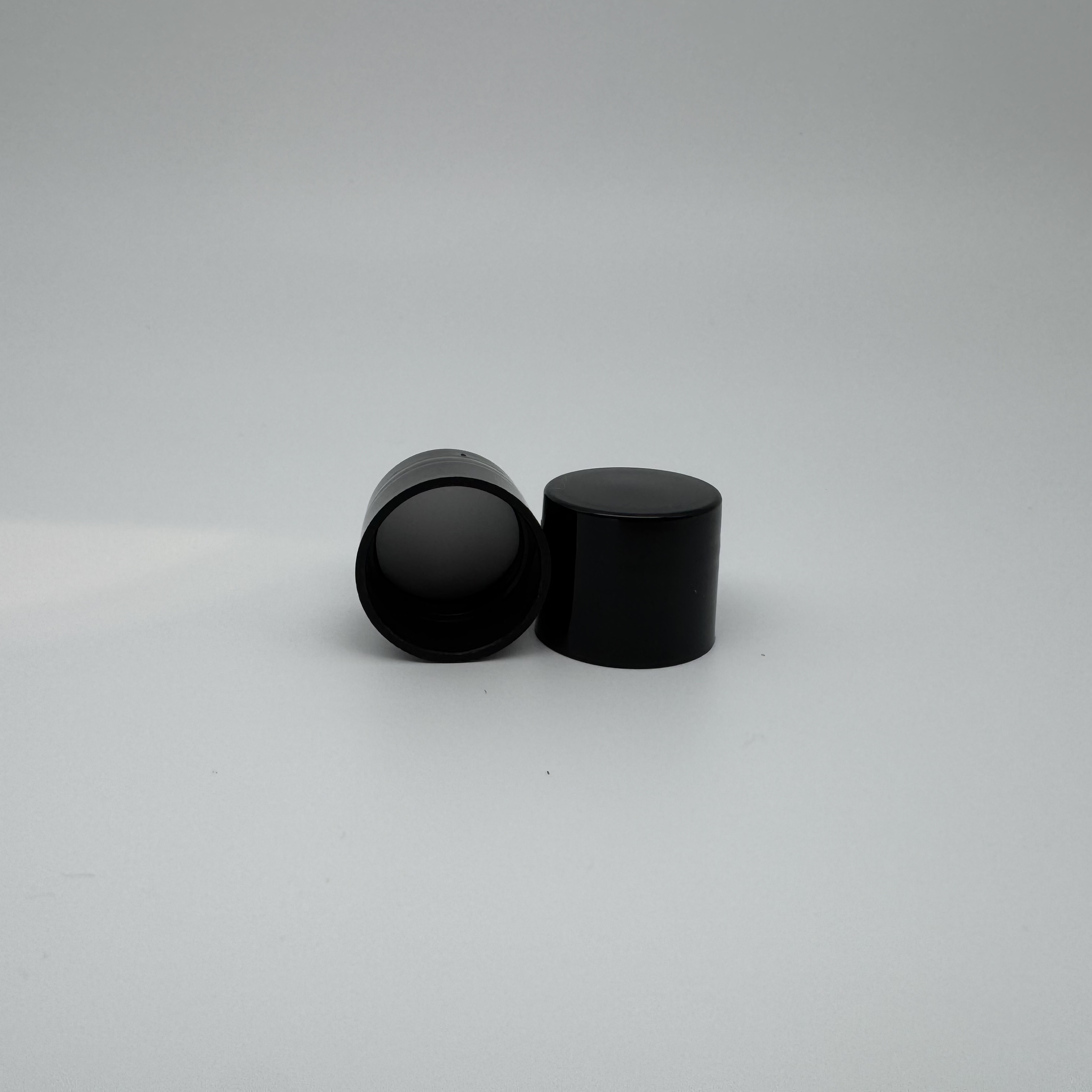
These PP screw caps come with a liner, glossy finish, ideal for lotion and cosmetics, leakproof and durable.
See Details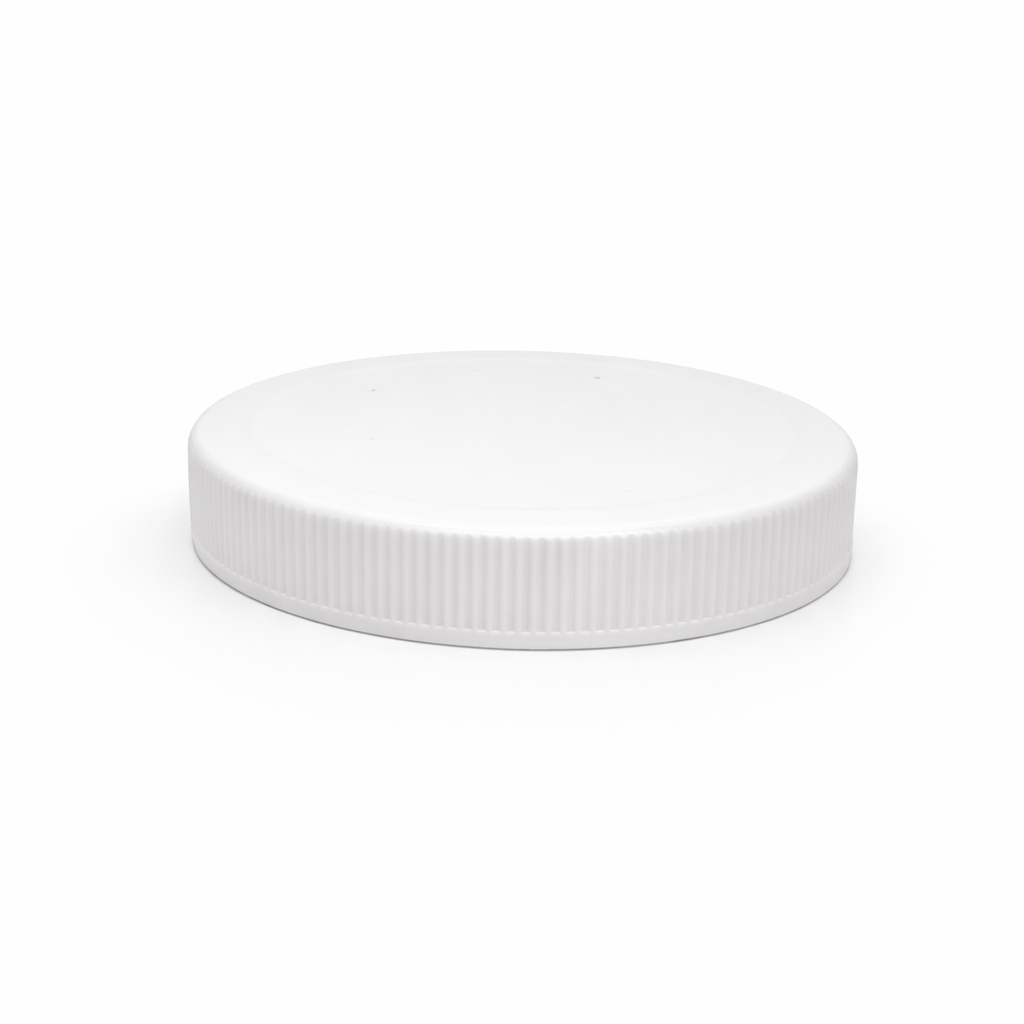
These plastic lids fit wide-mouth cream jars, with good sealing and stable screw design.
See Details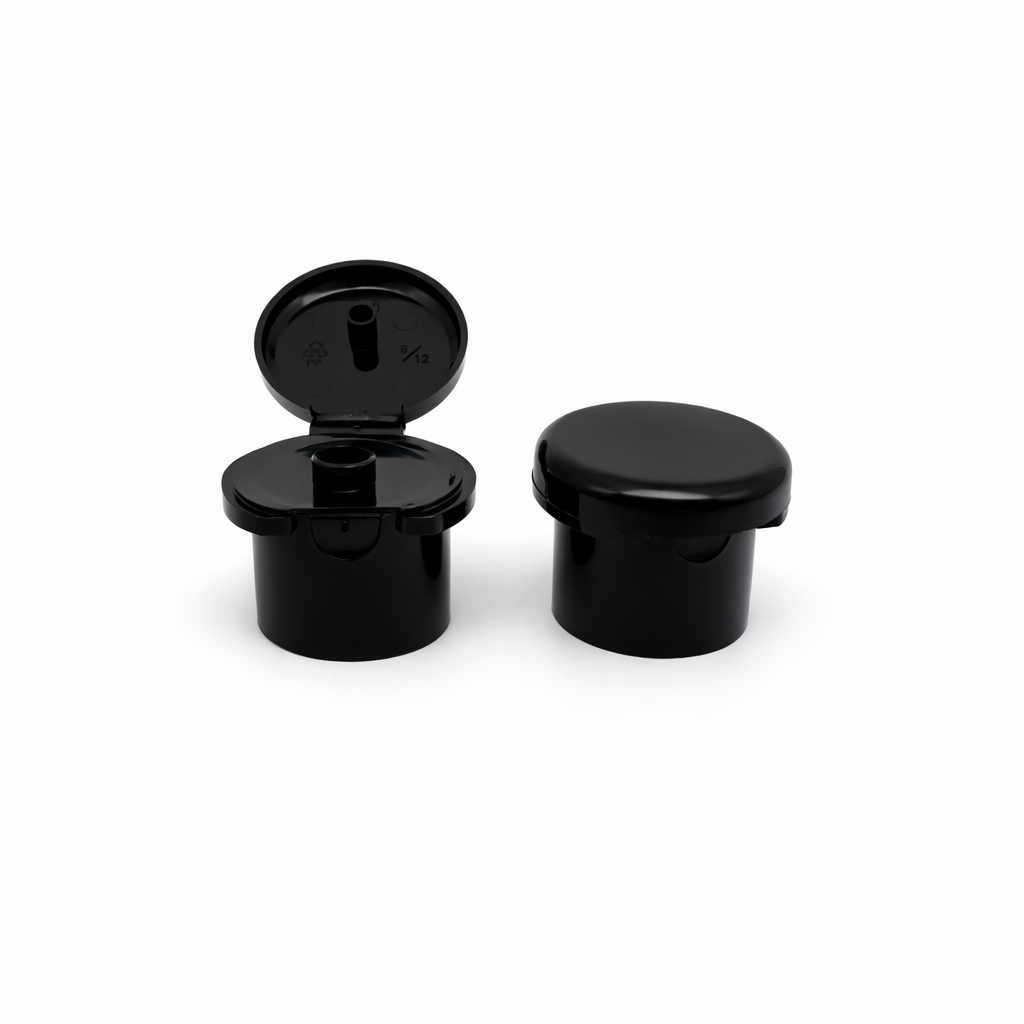
These flip-top screw caps are made of PP, ideal for shampoo and body wash, sturdy and leakproof.
See Details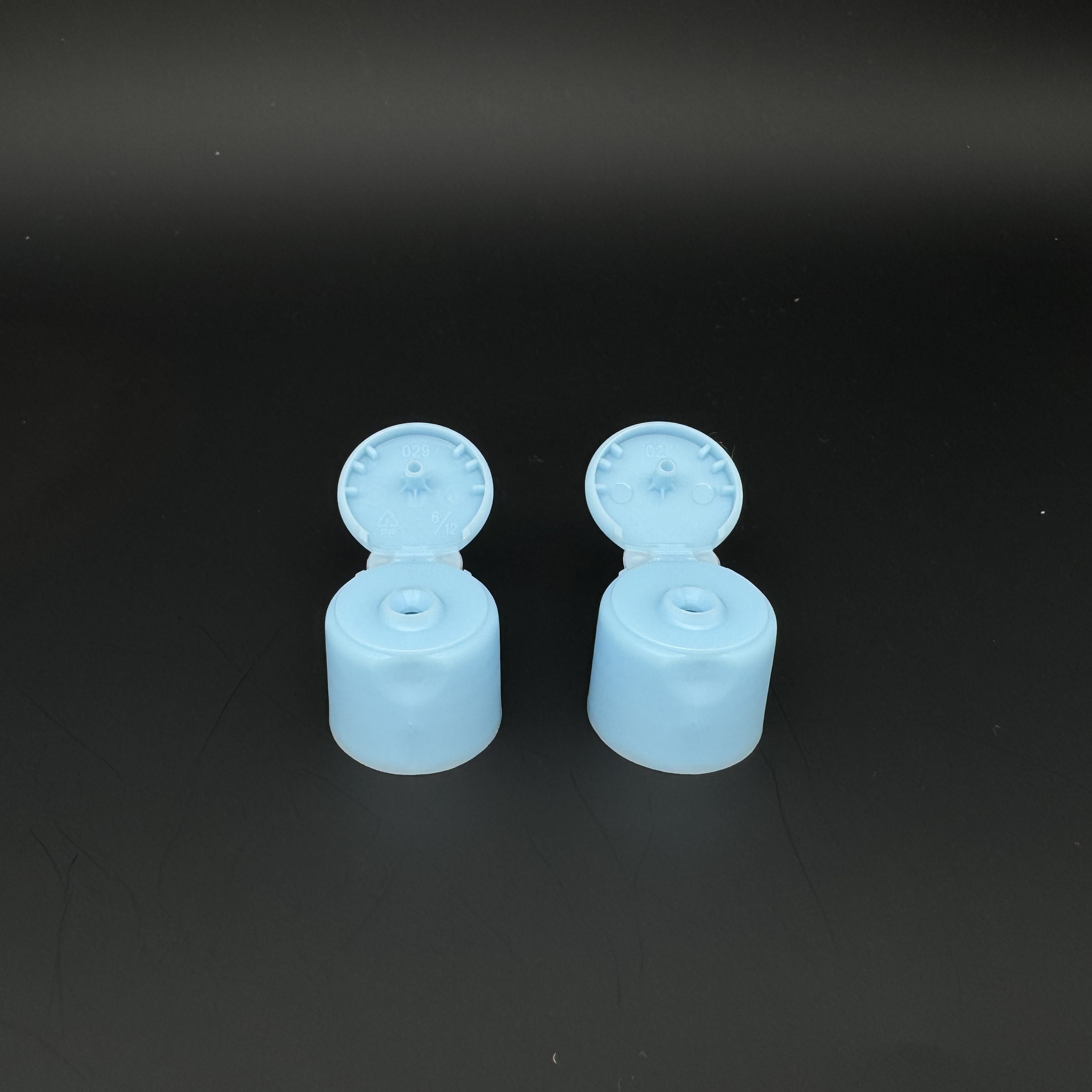
Made of durable PP, frosted flip-top screw cap for lotion, cream and sunscreen, leakproof and stylish.
See Details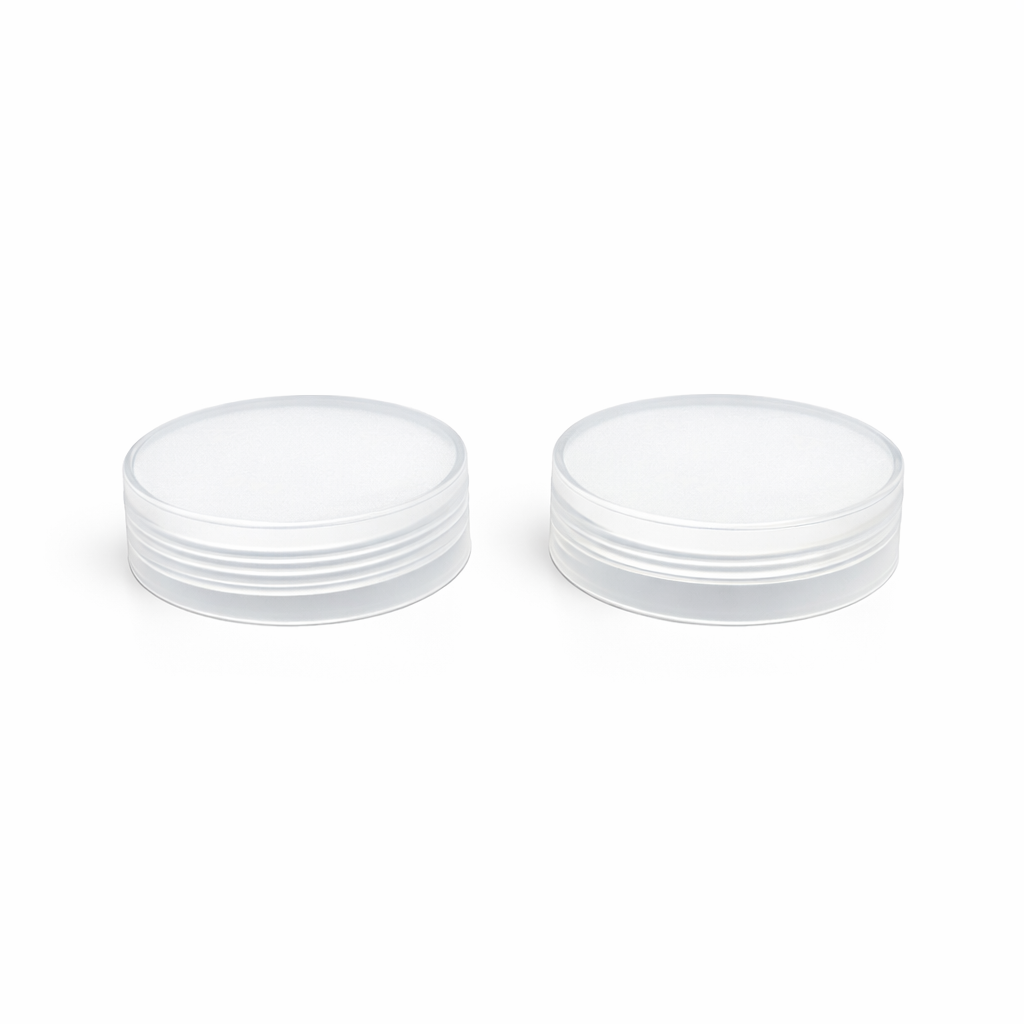
Glossy plastic screw caps with liner, perfect for face cream and hand cream, leakproof and durable.
See Details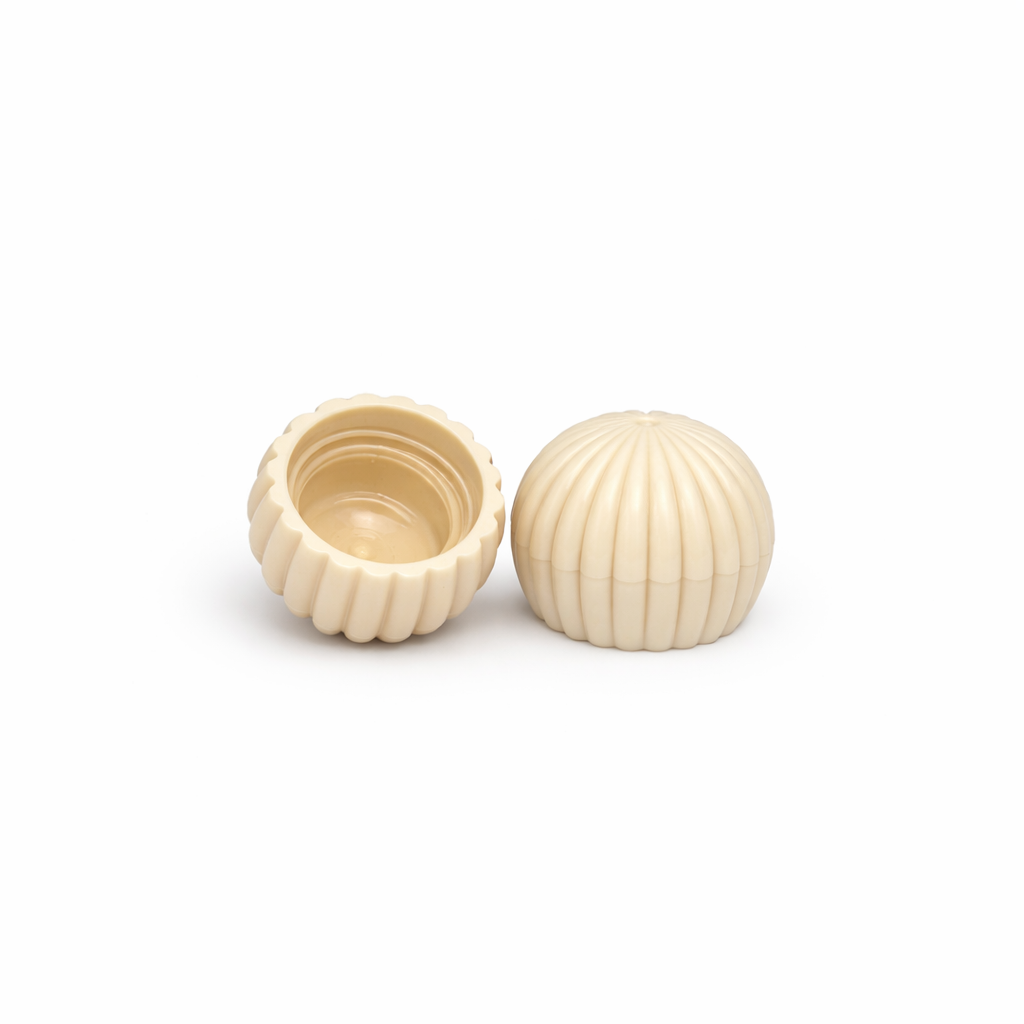
These PP spherical caps come in customizable colors, ideal for laundry liquid and cosmetic lotion, with great sealing.
See DetailsAddress: Building 36, Shanbai Villa, Qiandao Lake Town, Chun'an County, Hangzhou City, Zhejiang Province
TEL: +86 15988456592
Email:iris@happy-packaging.com


