20/410Plastic Double-layer Cap Makeup Water Bottle Cap Cosmetics Lotion Cap HPPC001
These double-layer plastic caps are perfect for toner and lotion bottles, safe, leakproof and durable.
See Details

 Web Menu
 Product Search
 Exit Menu
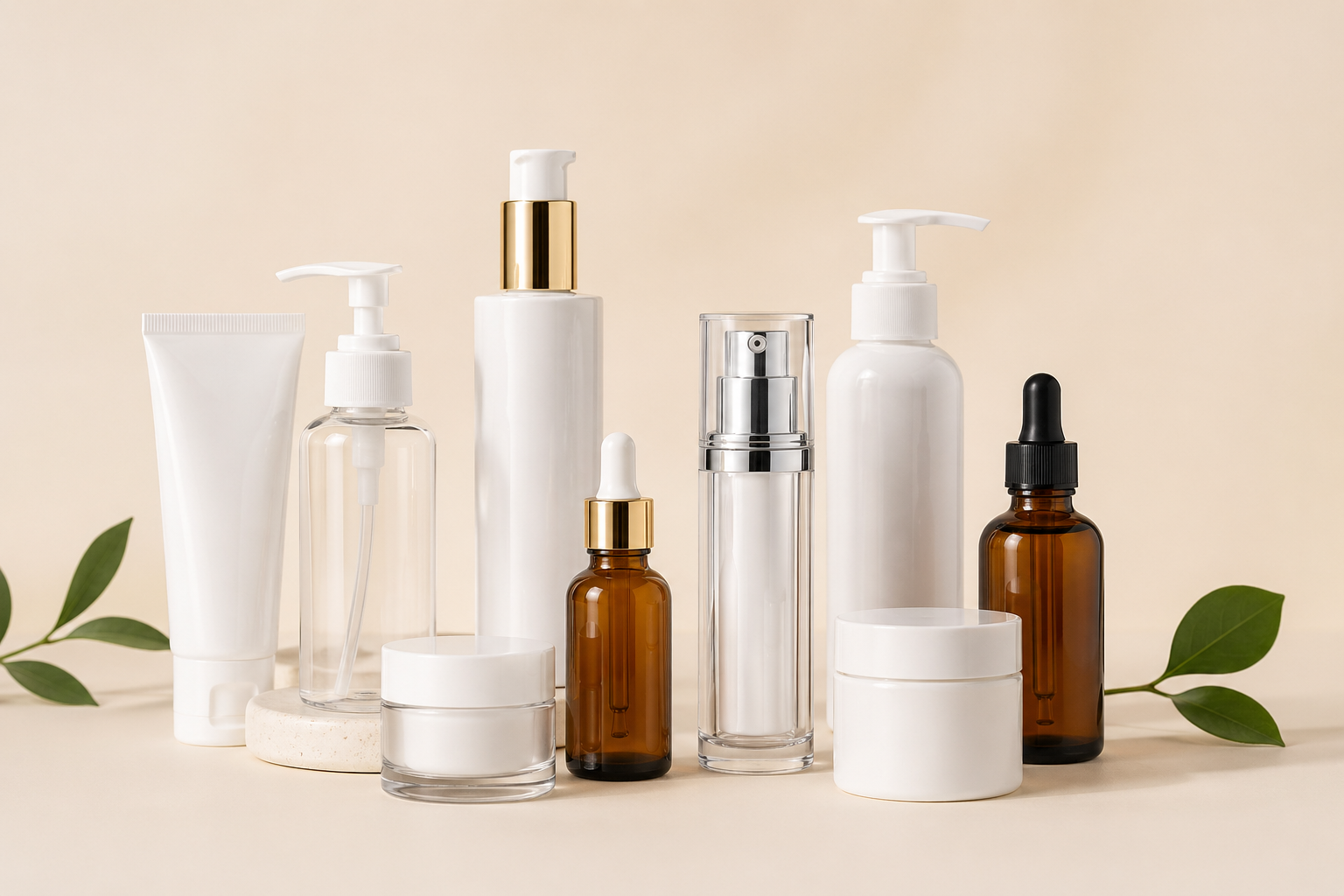 Choosing cosmetic packaging is not just a design choice — it directly impacts product performance, customer experience, brand positioning, and production cost.
Many skincare brands fail not because of the product, but because of the wrong packaging choice.
Step 1: Match Packaging Structure to Product Type
For serums and active skincare, the best options are airless bottles and dropper bottles. Airless packaging provides better protection, while dropper bottles allow precise dosage control.
For lotions and emulsions, pump bottles are the most suitable choice. They offer controlled dispensing and are cost-effective for large-scale production.
For creams and thick formulas, cosmetic jars are recommended. They provide easy access and strong visual appeal, especially for premium skincare products.
Step 2: Choose the Right Material
Material selection affects both product performance and brand positioning.
PET is cost-effective and transparent, making it suitable for mass-market products.
PP offers strong chemical resistance and durability, ideal for active skincare formulations.
Acrylic provides a premium appearance and is commonly used for high-end brands.
Glass delivers a luxury feel and is often used for serums and oils.
PCR materials support sustainable branding and are increasingly popular in global markets.
Choosing the wrong material can negatively impact product stability and brand perception.
Step 3: Consider MOQ and Production Strategy
Typical MOQ ranges are 1,000 to 5,000 pieces for stock packaging and 10,000 to 20,000 pieces or more for custom packaging.
A practical approach is to start with stock packaging to test the market, then move to custom packaging after product validation.
Step 4: Balance Cost and Brand Positioning
Packaging defines how your product is perceived.
Cost-efficient packaging is suitable for mass-market products, while premium packaging increases perceived value and supports higher pricing.
Customers often judge your product before they even use it.
Step 5: Evaluate Supplier Capability
When selecting a packaging supplier, consider their experience in cosmetic packaging, MOQ flexibility, lead time stability, customization capabilities, and quality control system.
A reliable supplier should be seen as a long-term partner rather than just a vendor.
Common Packaging Selection Mistakes
Choosing packaging before finalizing the formula can lead to compatibility issues.
Ignoring MOQ and lead time often causes delays and inventory problems.
Over-investing in custom packaging too early increases financial risk.
Focusing only on design while ignoring functionality can harm user experience.
Recommended Packaging Strategy
Startups should begin with stock packaging to reduce risk.
Growing brands can adopt a hybrid approach combining stock and custom solutions.
Established brands should invest in fully customized packaging to strengthen brand identity.
Looking for the Right Packaging Solution
At Happy Packaging, we help skincare and beauty brands select the most suitable packaging based on product type, budget, and market positioning.
We provide airless bottles, pump bottles, jars, and dropper bottles, along with material selection support, MOQ and cost optimization, and custom packaging development.
Tell us your product type, capacity, and target market, and we will recommend the most suitable packaging solution for your brand.
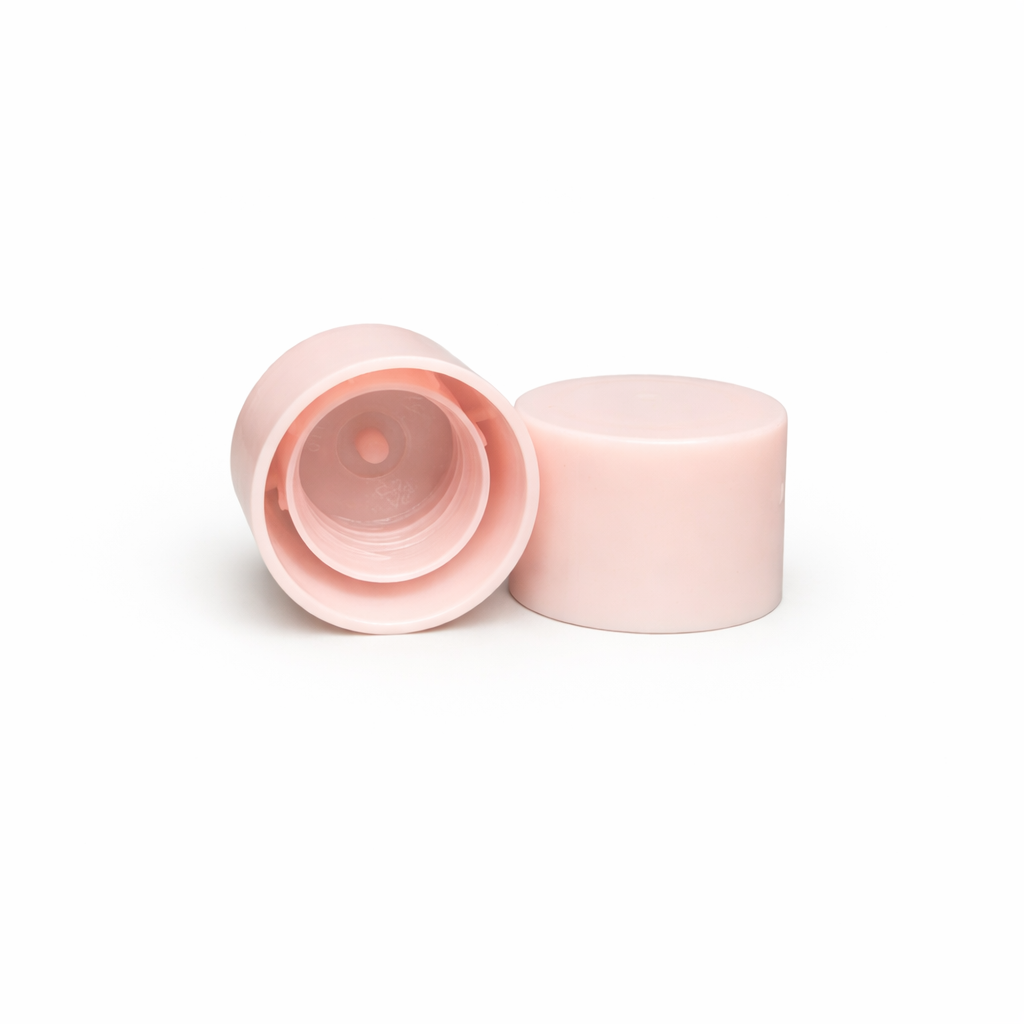
These double-layer plastic caps are perfect for toner and lotion bottles, safe, leakproof and durable.
See Details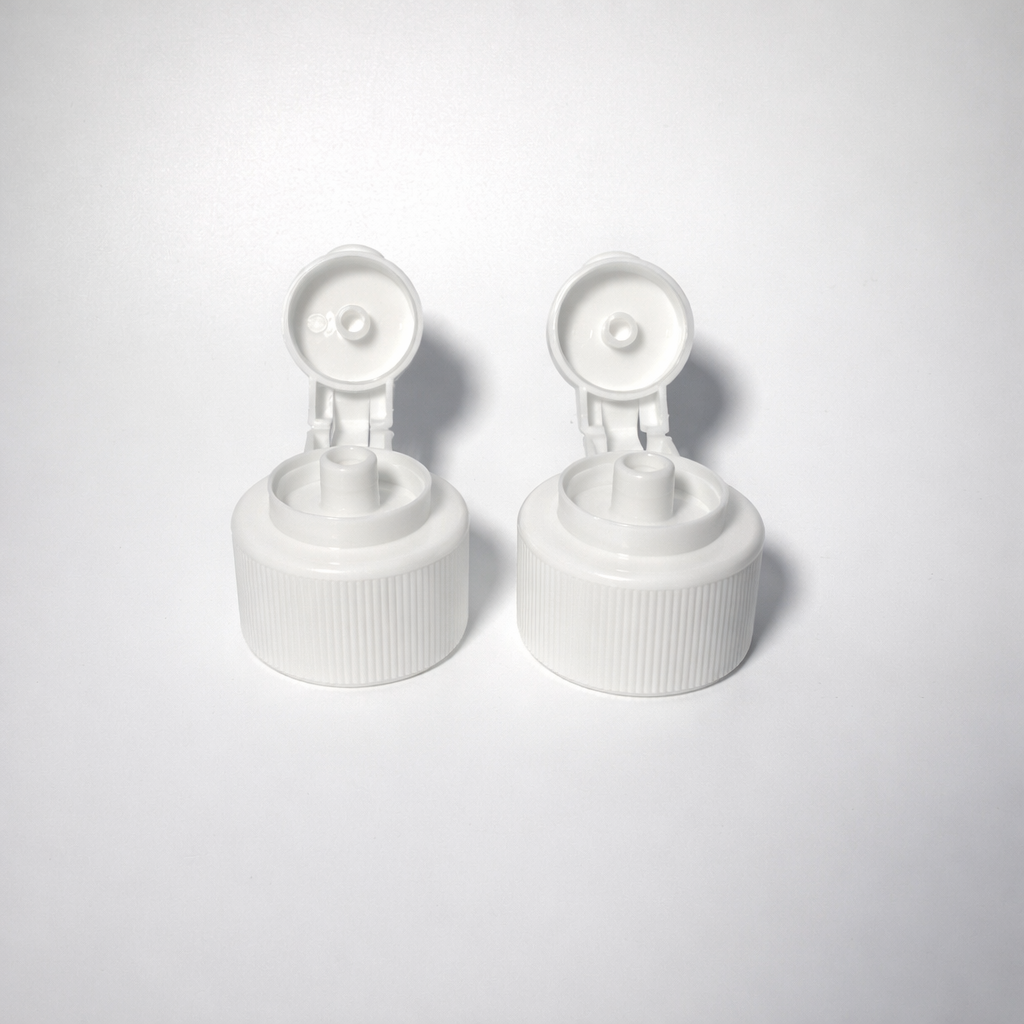
These plastic caps are available in flip and screw-on styles, with customizable colors, suitable for dish soap and shower gel.
See Details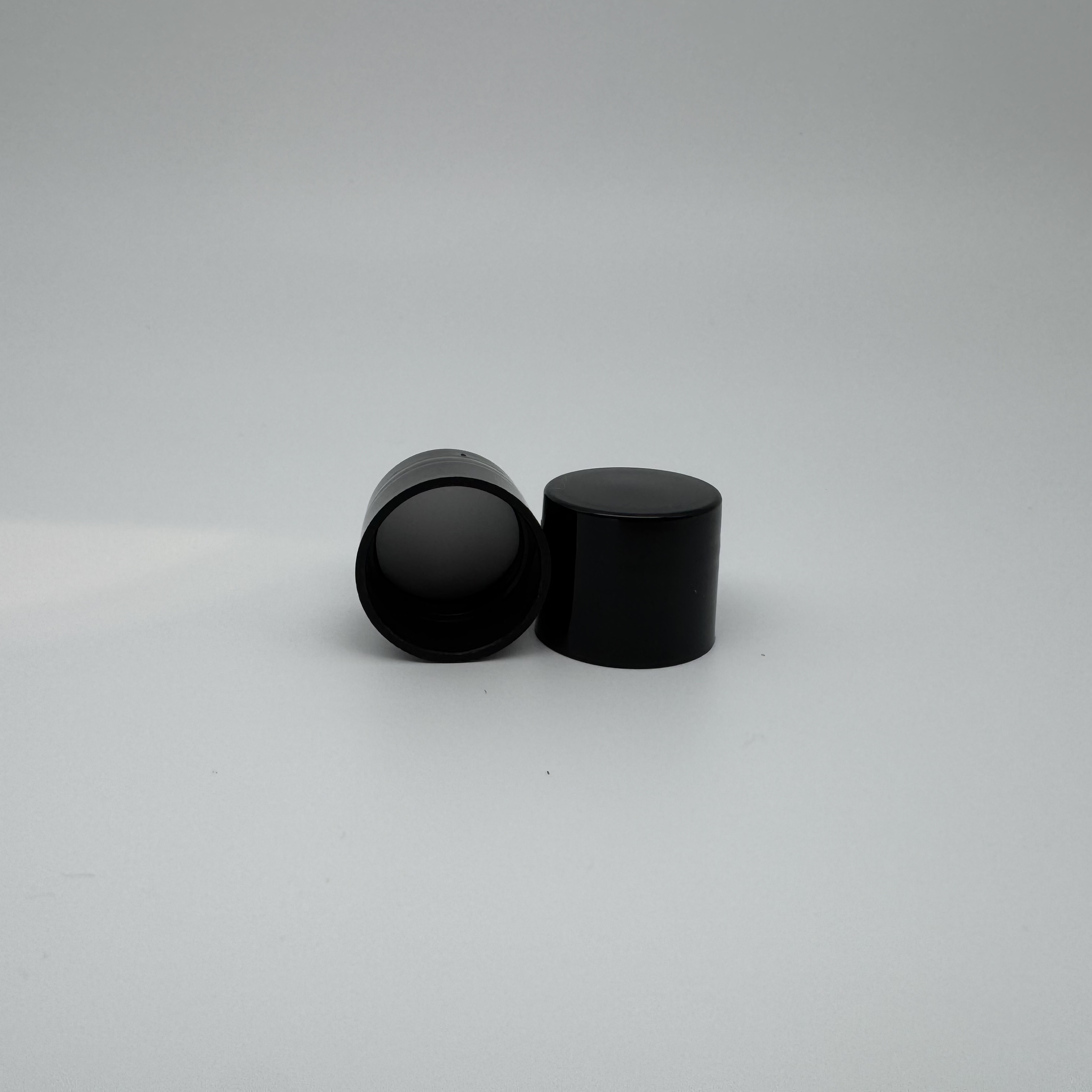
These PP screw caps come with a liner, glossy finish, ideal for lotion and cosmetics, leakproof and durable.
See Details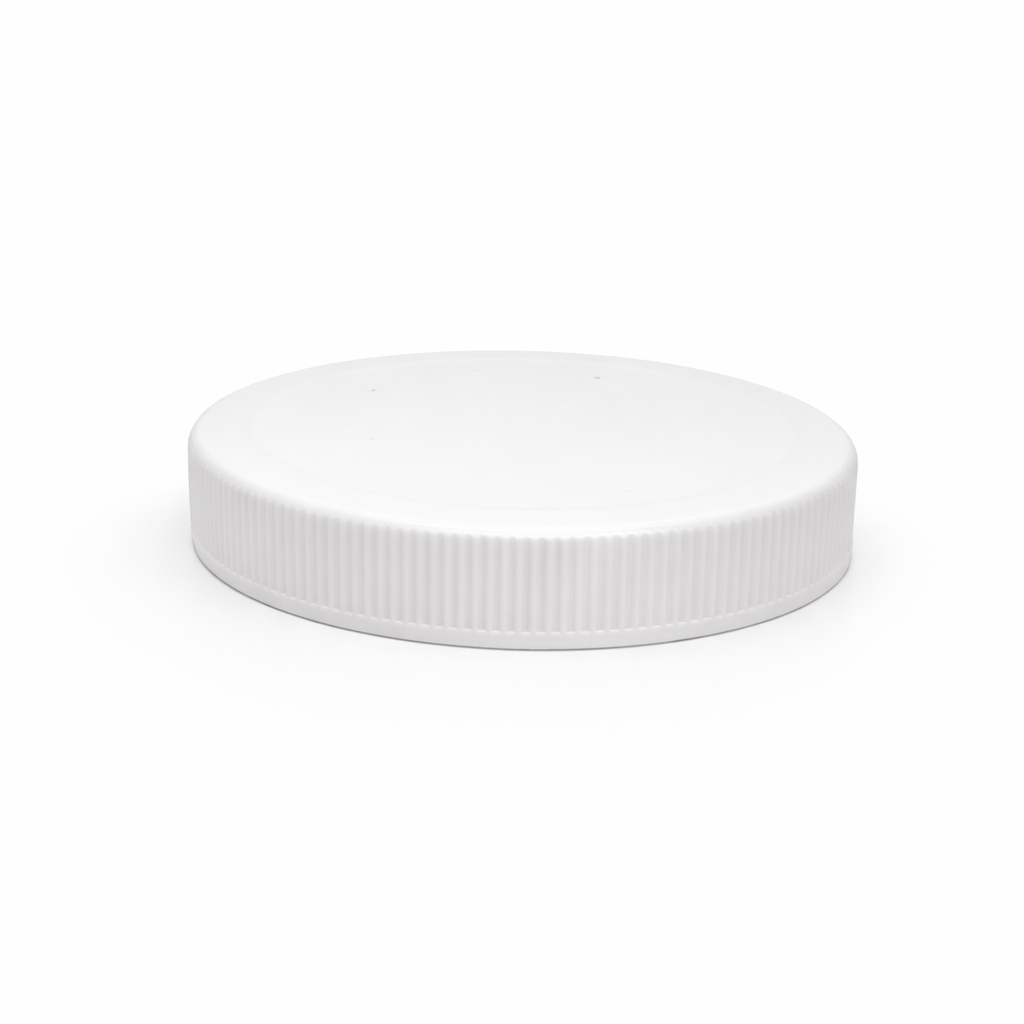
These plastic lids fit wide-mouth cream jars, with good sealing and stable screw design.
See Details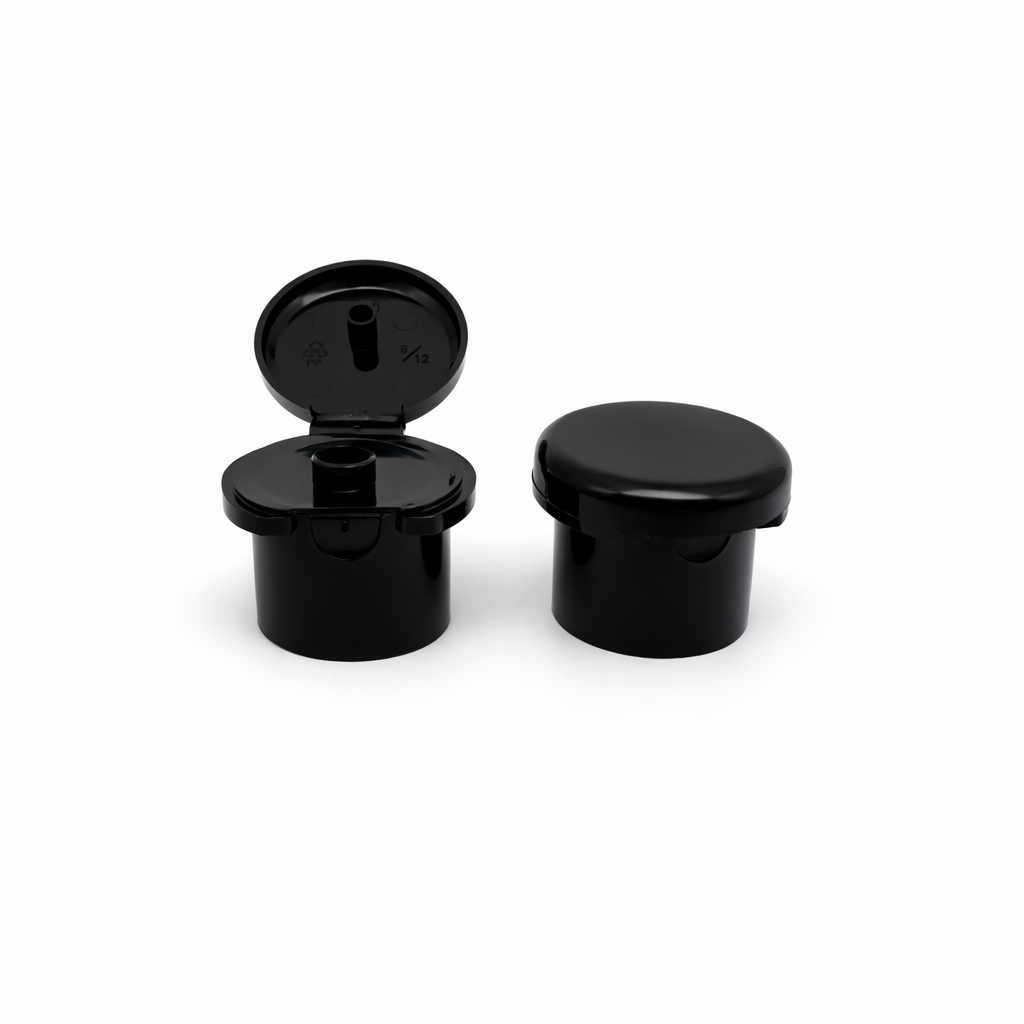
These flip-top screw caps are made of PP, ideal for shampoo and body wash, sturdy and leakproof.
See Details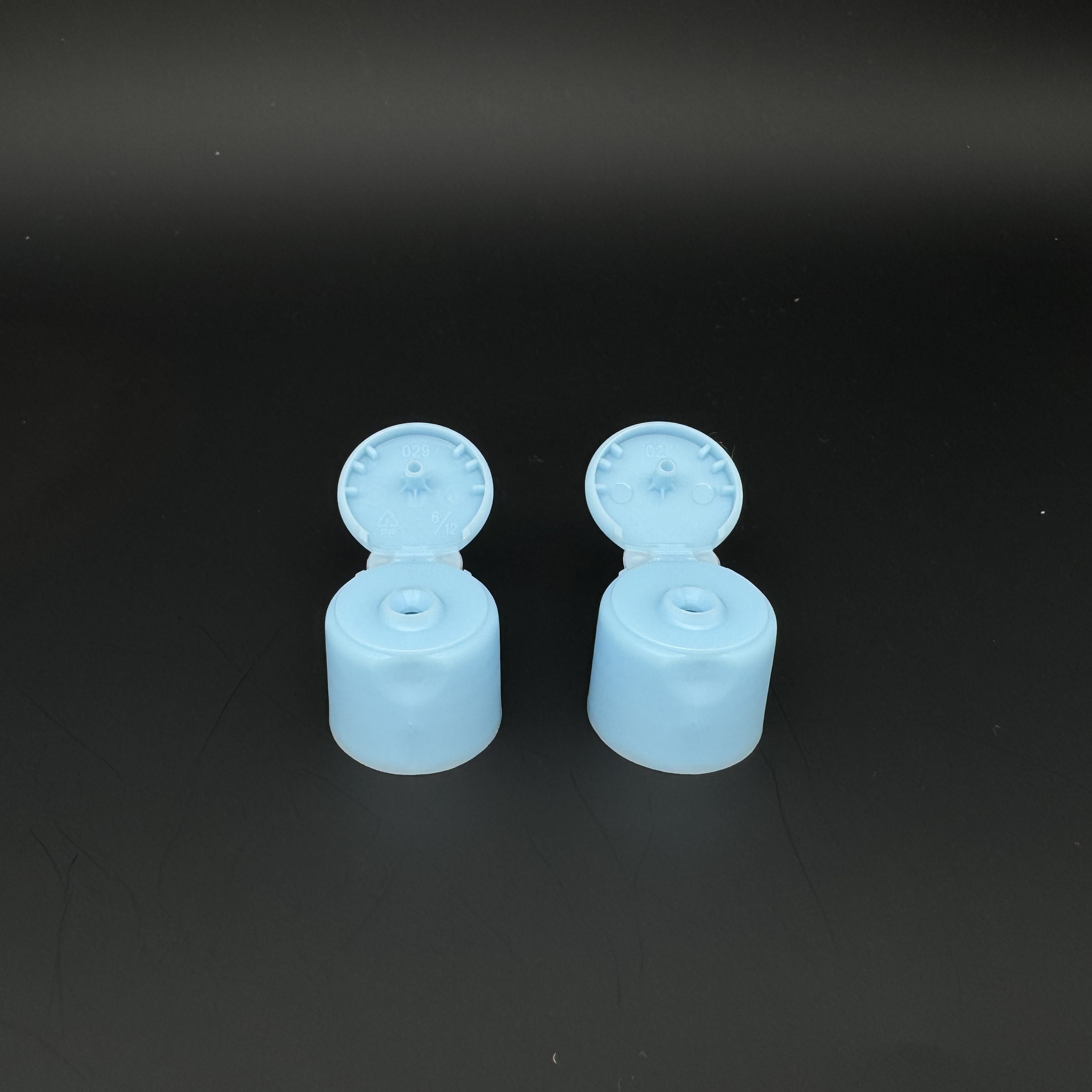
Made of durable PP, frosted flip-top screw cap for lotion, cream and sunscreen, leakproof and stylish.
See Details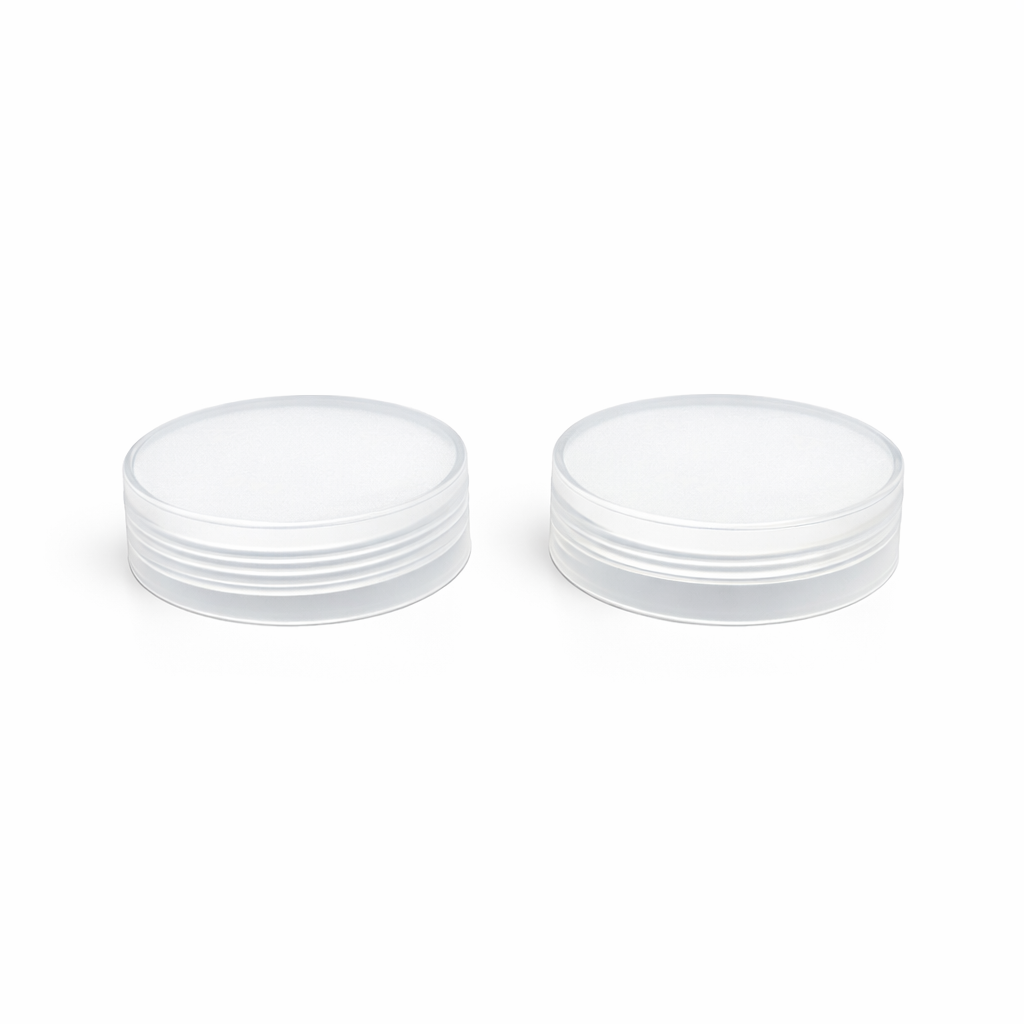
Glossy plastic screw caps with liner, perfect for face cream and hand cream, leakproof and durable.
See Details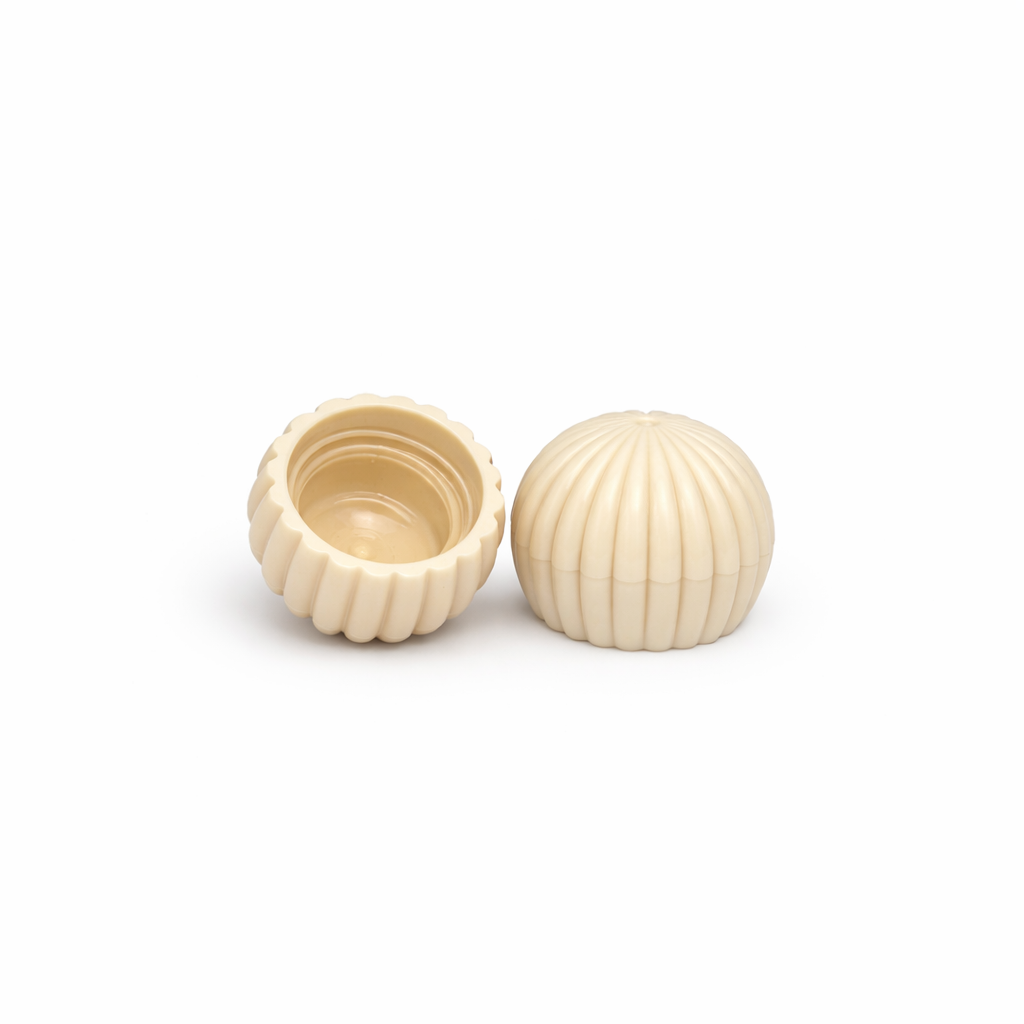
These PP spherical caps come in customizable colors, ideal for laundry liquid and cosmetic lotion, with great sealing.
See DetailsAddress: Building 36, Shanbai Villa, Qiandao Lake Town, Chun'an County, Hangzhou City, Zhejiang Province
TEL: +86 15988456592
Email:iris@happy-packaging.com


