20/410Plastic Double-layer Cap Makeup Water Bottle Cap Cosmetics Lotion Cap HPPC001
These double-layer plastic caps are perfect for toner and lotion bottles, safe, leakproof and durable.
See Details

 Web Menu
 Product Search
 Exit Menu
Sustainable packaging is now part of many skincare, haircare and personal care development briefs. However, choosing a PCR percentage is not simply a matter of selecting the highest number available.
A higher PCR content may support sustainability goals, but it can also affect the appearance, strength, flexibility and color consistency of the final packaging.
For beauty brands, the right question is not only:
“Can this packaging be made with 50% PCR?”
It should also be:
“Will 50% PCR work well for this packaging structure, formula and brand appearance?”
At Happy Pack, the brand of Hangzhou Happy Packaging Co., Ltd., we normally recommend evaluating PCR content together with the packaging material, product structure, decoration and filling requirements.
PCR stands for post-consumer recycled plastic. It is produced from plastic products that have already been used, collected, sorted and reprocessed.
Depending on the packaging design and material, PCR may be used in bottles, jars, tubes or selected packaging components.
Common PCR material options for cosmetic and personal care packaging include:
PCR PET for transparent or tinted bottles
PCR PE for flexible bottles and tubes
PCR PP for jars, caps and selected airless packaging
Mixed virgin and recycled resin structures
The available PCR percentage depends on the material, product design and production process. Not every component can automatically use the same PCR ratio.
Moving from 30% PCR to 50% PCR may appear to be a small change, but it can influence several parts of the final packaging.
PCR resin may have slight color variation, particles or haze compared with virgin plastic.
For a solid-colored bottle, this may be less visible. For transparent or lightly tinted packaging, however, the difference can be more noticeable.
This is especially important for beauty brands developing:
Clear skincare bottles
Lightly tinted laundry packaging
Transparent foamer bottles
Soft pastel packaging
Packaging that must closely match a Pantone color
If a brand requires a very clean, transparent or highly controlled appearance, 30% PCR may provide a better balance between recycled content and visual consistency.
Higher PCR content does not affect every packaging structure in the same way.
A thick-wall jar, a PET bottle and a small flexible PE tube have different performance requirements. For some small precision tubes, increasing the PCR ratio may make the surface rougher or the tube less flexible.
For this reason, we do not recommend choosing 50% PCR only because it sounds more sustainable. The packaging must still perform correctly during filling, transportation and consumer use.
PCR resin has its own base color and may vary slightly between production batches.
This can influence the final result when producing:
Light injection colors
Transparent tints
Soft neutral shades
White or pastel packaging
Multiple SKUs that must match closely
A color sample should therefore be approved under the actual PCR percentage planned for mass production.
A color approved in virgin material should not automatically be treated as the final reference for PCR material.
Silk-screen printing, hot stamping, spray coating and other surface decorations may look different depending on the PCR material and surface condition.
Before confirming mass production, brands should check:
Ink adhesion
Logo color
Hot-stamping position
Surface particles
Coating consistency
Resistance to rubbing or scratching
The decoration test should be completed on the final material structure whenever possible.
For many beauty and personal care projects, 30% PCR is a practical starting point.
It can offer a meaningful recycled-material content while keeping better control over appearance, processing stability and packaging performance.
This can be especially suitable for:
Foaming facial cleanser bottles
Airless skincare packaging
Tinted PET bottles
Personal care bottles
Small PE tubes
Packaging with strict color requirements
However, this does not mean that 50% PCR is unsuitable.
For certain products, structures and colors, 50% PCR can work well. It simply requires proper evaluation and testing before the brand confirms the final specification.
A 50% PCR option may be suitable when:
The packaging structure has sufficient strength
Slight color variation is acceptable
The brand accepts a more natural recycled-material appearance
The packaging uses darker or more opaque colors
The decoration has been tested on the actual material
Samples have passed compatibility and transport testing
The decision should be based on the complete packaging system rather than the PCR percentage alone.
A skincare brand recently asked us to recommend packaging for two new projects:
A foaming facial cleanser in a 100–150 ml bottle
A blemish spot treatment in an 8–10 ml precision package
Both products required sustainable packaging options, but they could not be treated in the same way.
For the foaming cleanser, the brand needed to consider the bottle material, PCR ratio, pump compatibility and formula performance.
For the spot treatment, precise application and tube flexibility were more important. A small PE tube with a precision nozzle was more practical than selecting packaging based only on appearance.
This is why we believe sustainable packaging development must start with the formula and application method—not only the material claim.
Before approving PCR cosmetic packaging, we recommend checking the following:
PCR percentage
Surface particles or haze
Transparency
Color consistency
Packaging strength and flexibility
Formula type
Viscosity
Water-based, oil-based or biphasic composition
Contact between the formula and packaging components
Leakage, deformation or discoloration
Pump output
Spray effect
Foaming performance
Sealing
Applicator precision
Filling-line compatibility
Printing adhesion
Hot-stamping quality
Coating consistency
Logo position
Color approval
Drop testing
Temperature testing when required
Carton protection
Leakage during transportation
PCR packaging should be evaluated through samples whenever appearance, color or formula compatibility is important.
For a custom project, brands should provide:
Product type
Formula type
Required capacity
Target PCR percentage
Preferred material
Packaging color
Decoration requirements
Estimated order quantity
Destination country
At Happy Pack, our typical MOQ for customized packaging is 10,000 pieces per color and model. Custom sampling normally takes around 10–15 days, while mass production usually takes approximately 30–35 days after final approval.
The exact schedule depends on the packaging structure and decoration process.
Choosing between 30% and 50% PCR should not be treated as a simple sustainability comparison.
The best PCR percentage is the one that supports the brand’s environmental goals while maintaining:
Reliable packaging performance
Formula compatibility
Acceptable appearance
Stable color
Suitable decoration
Efficient production
For many projects, 30% PCR is a sensible starting point. For brands considering 50% PCR, we recommend testing the actual packaging structure before confirming mass production.
Happy Pack supports skincare, beauty and personal care brands with PCR packaging selection, custom sampling, color development and mass-production evaluation.
To receive a suitable recommendation, send us your formula type, capacity, estimated quantity, target PCR percentage and destination country.
Email: luna@happy-packaging.com
Company: Hangzhou Happy Packaging Co., Ltd.
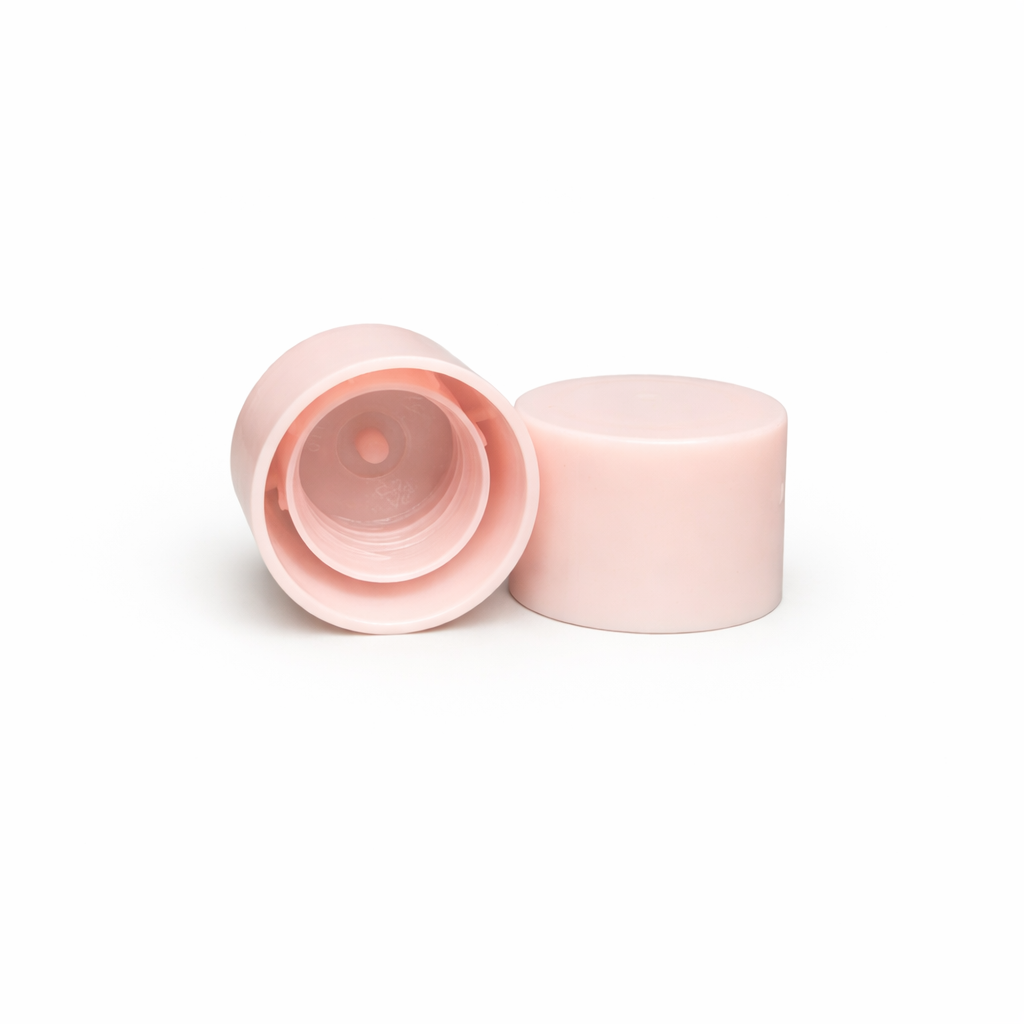
These double-layer plastic caps are perfect for toner and lotion bottles, safe, leakproof and durable.
See Details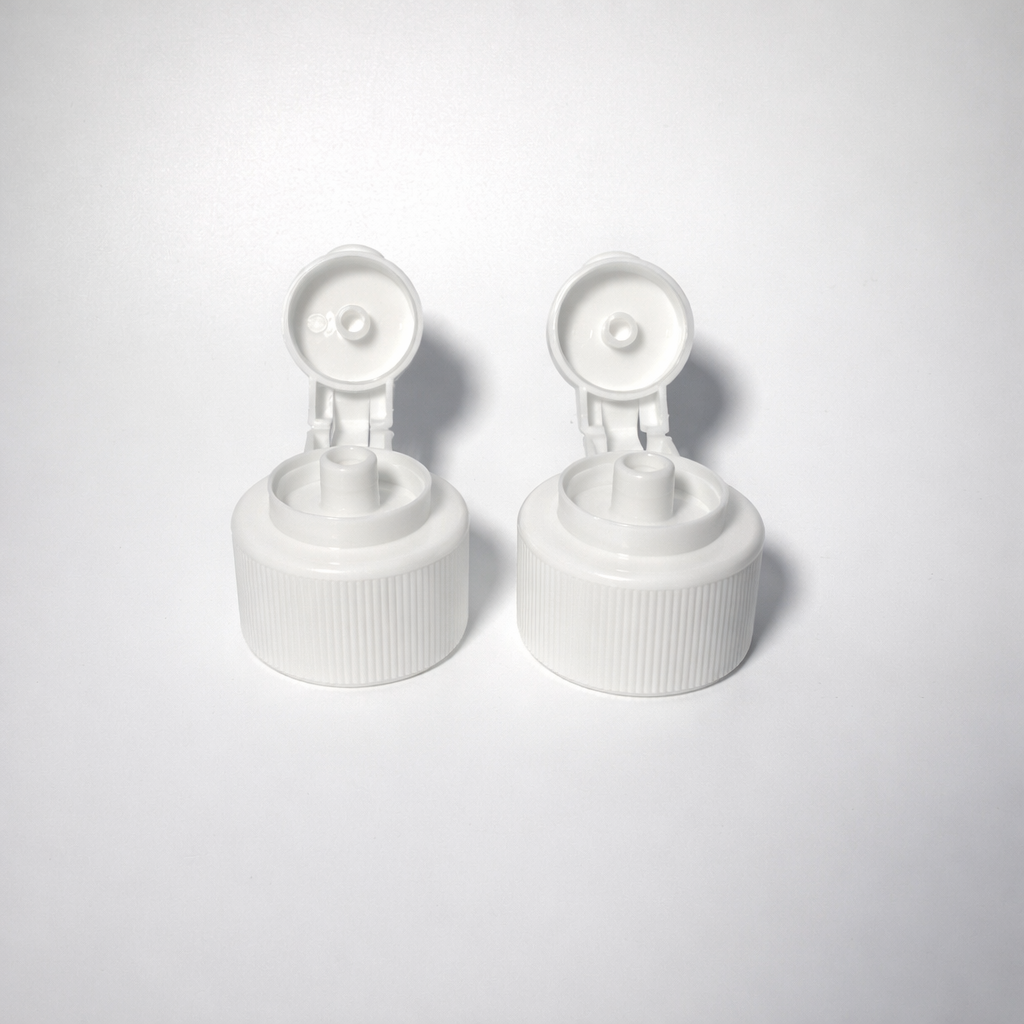
These plastic caps are available in flip and screw-on styles, with customizable colors, suitable for dish soap and shower gel.
See Details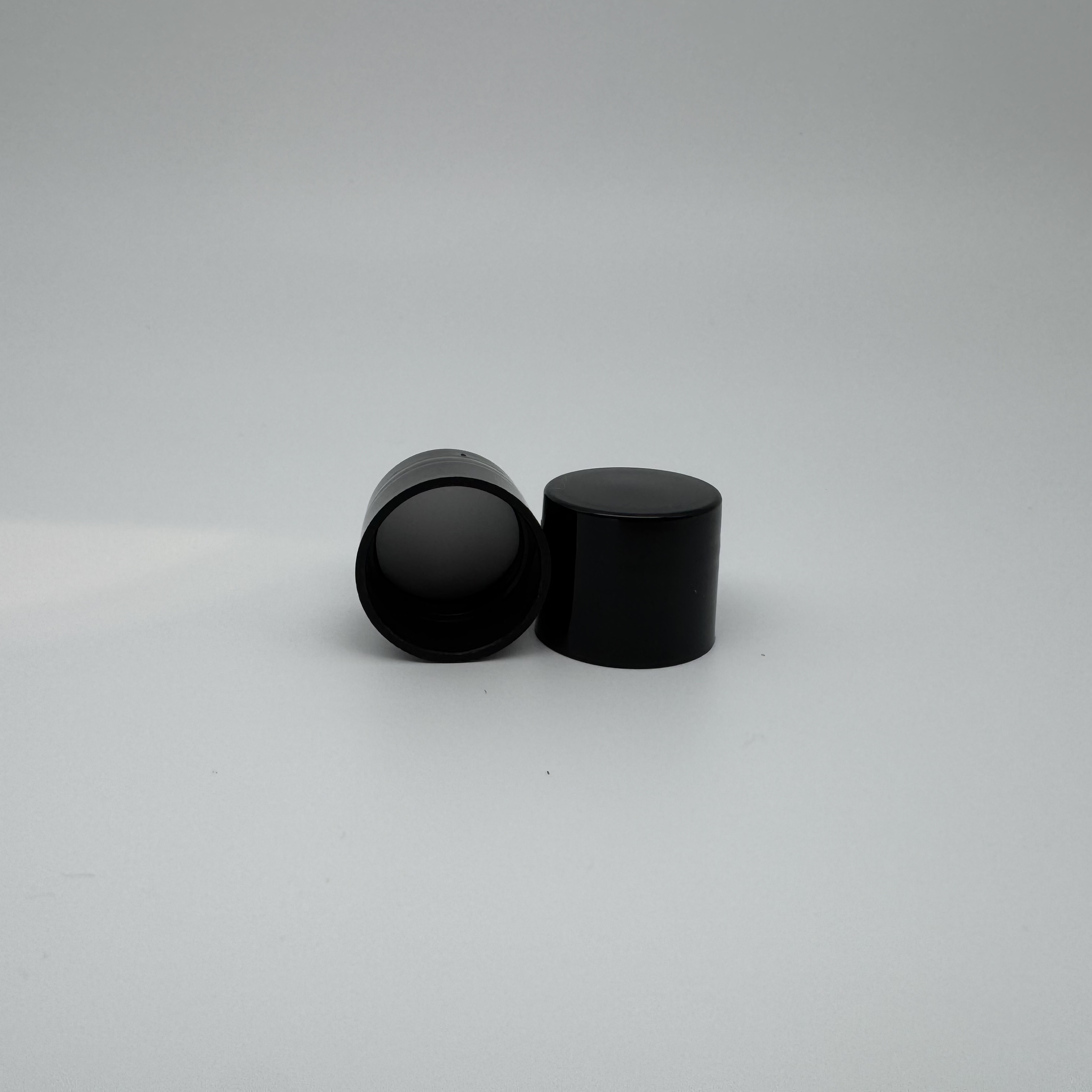
These PP screw caps come with a liner, glossy finish, ideal for lotion and cosmetics, leakproof and durable.
See Details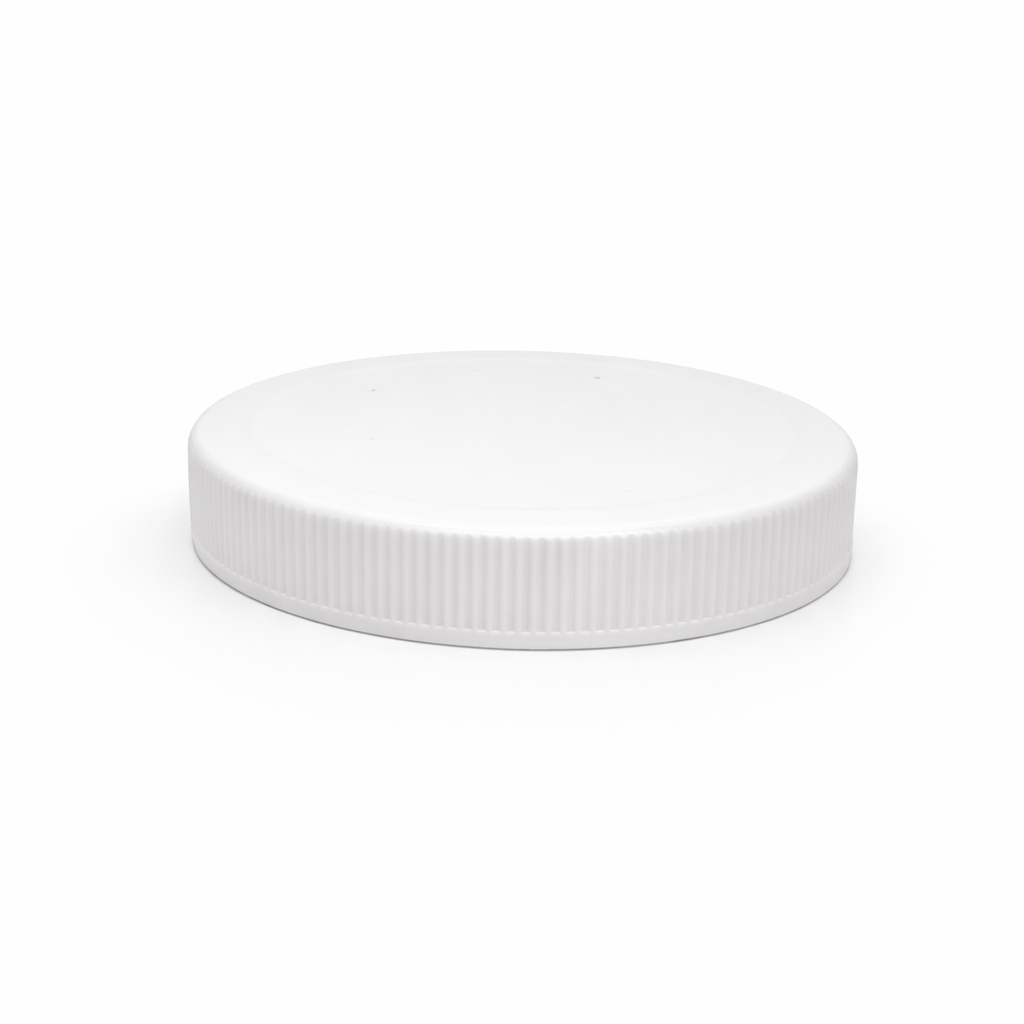
These plastic lids fit wide-mouth cream jars, with good sealing and stable screw design.
See Details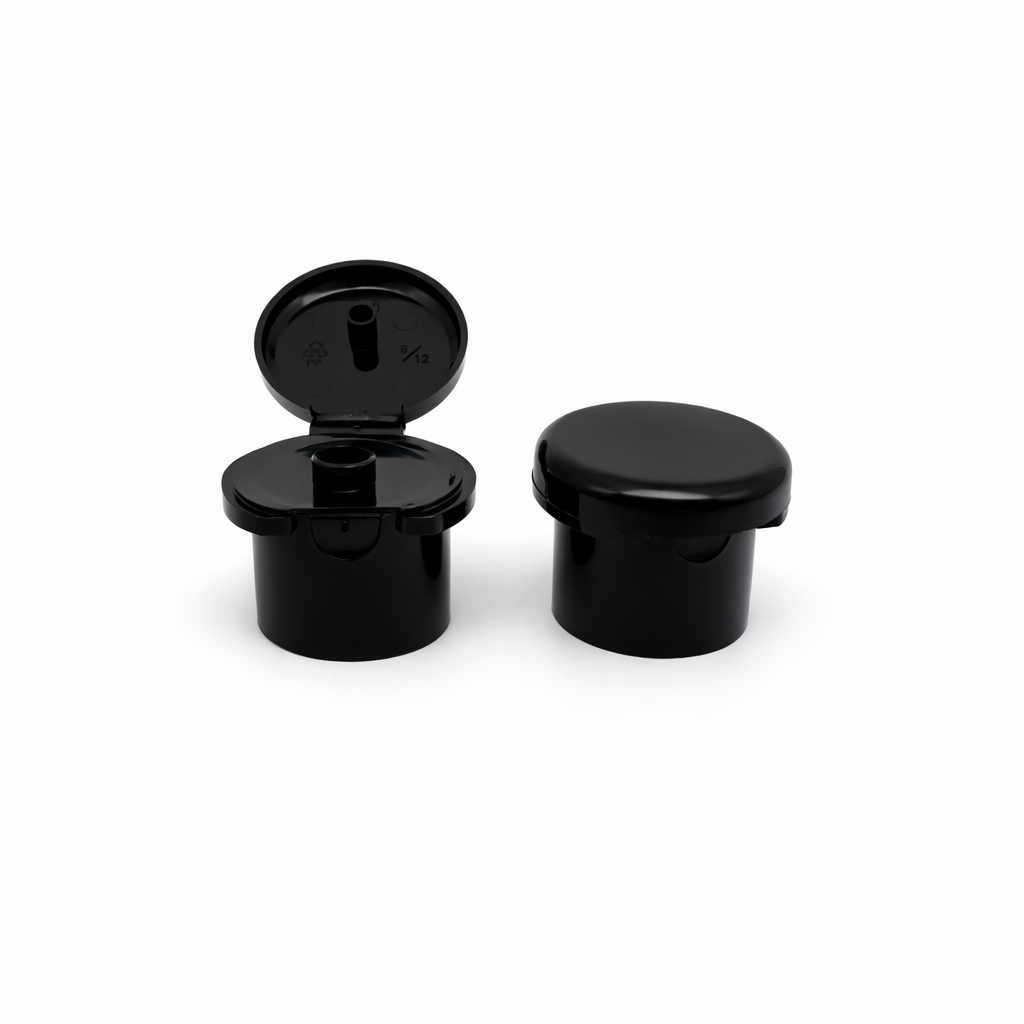
These flip-top screw caps are made of PP, ideal for shampoo and body wash, sturdy and leakproof.
See Details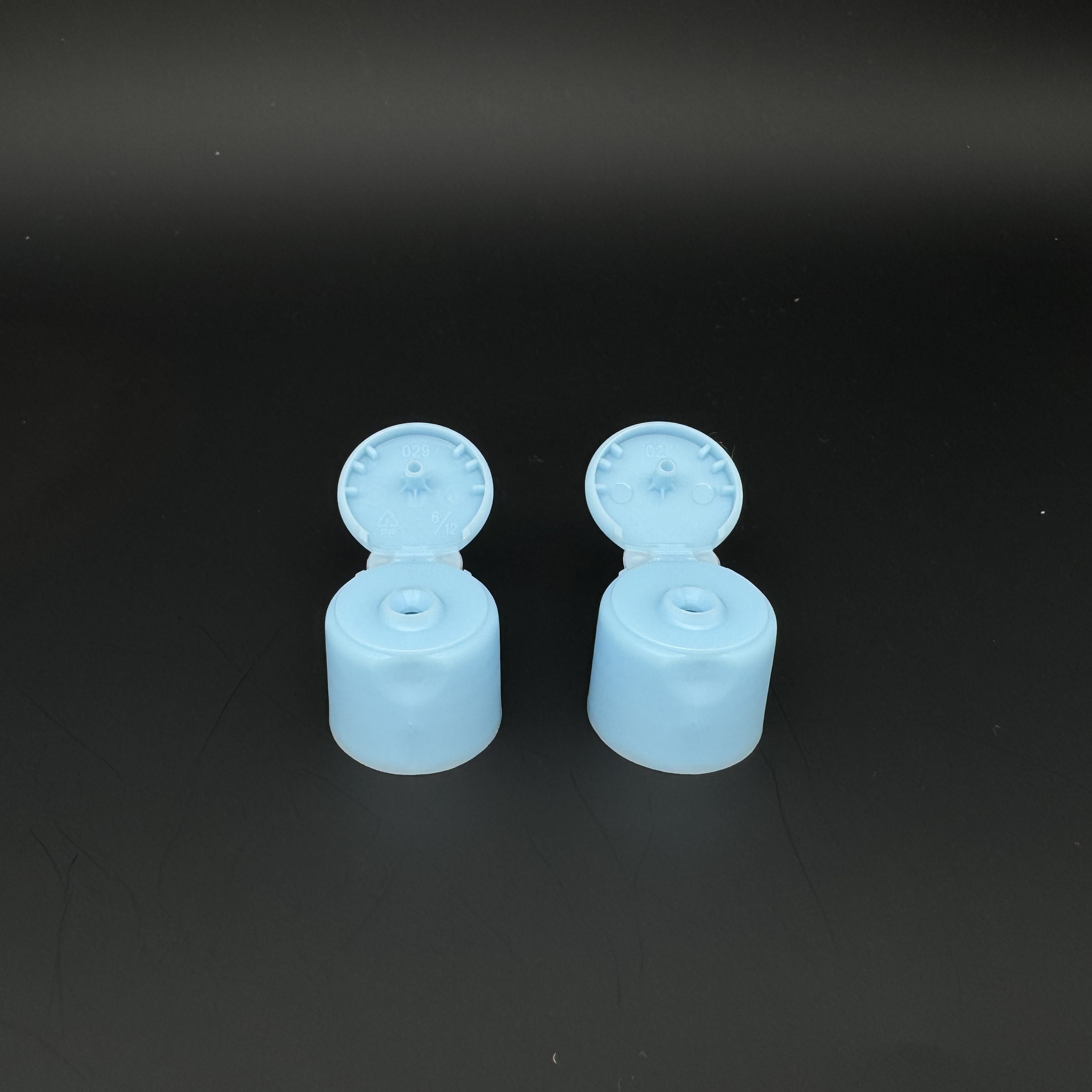
Made of durable PP, frosted flip-top screw cap for lotion, cream and sunscreen, leakproof and stylish.
See Details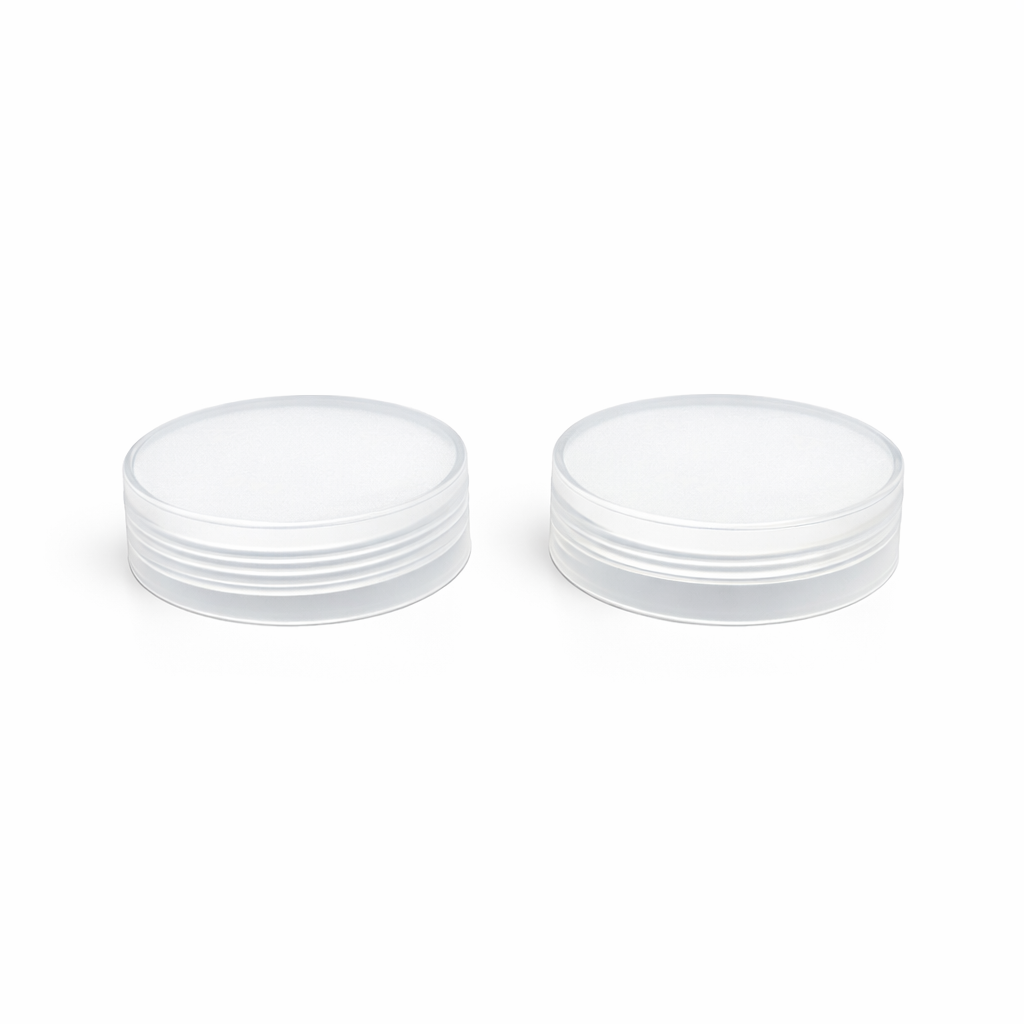
Glossy plastic screw caps with liner, perfect for face cream and hand cream, leakproof and durable.
See Details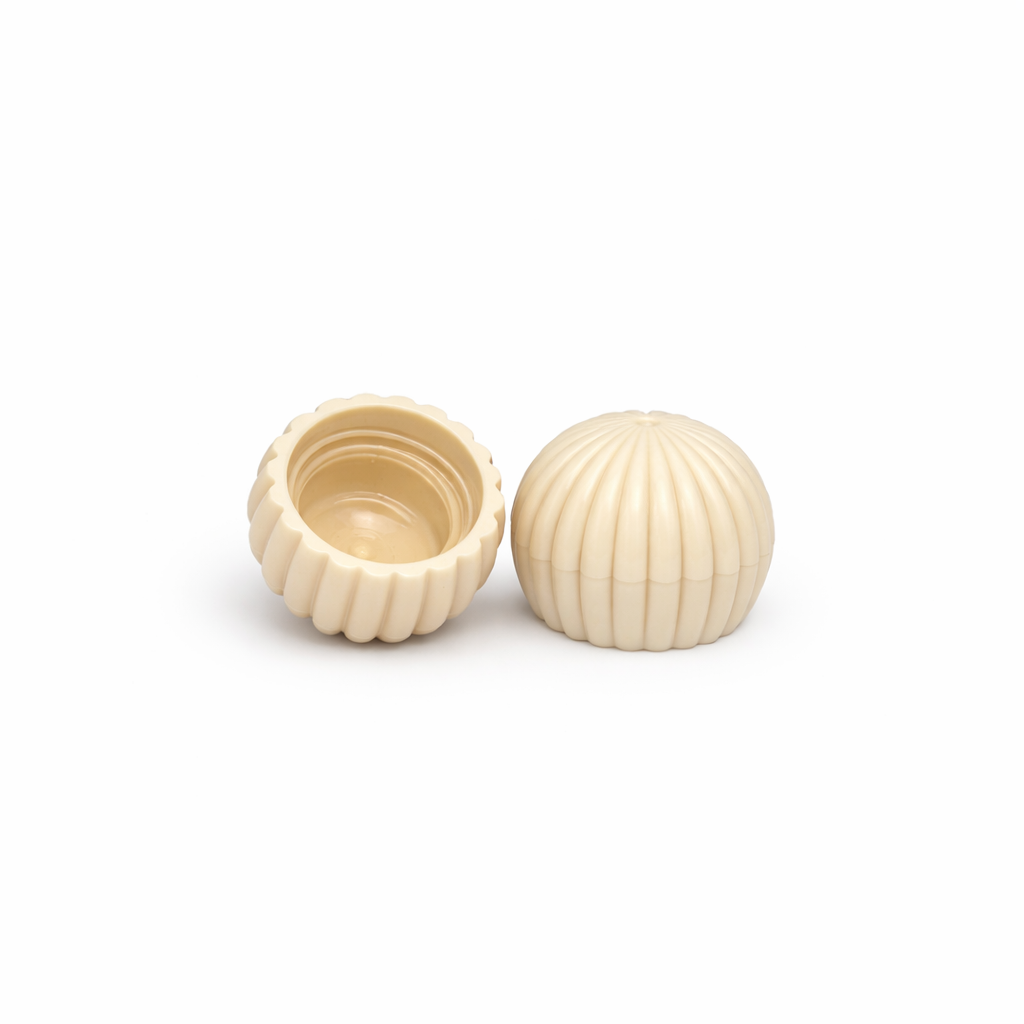
These PP spherical caps come in customizable colors, ideal for laundry liquid and cosmetic lotion, with great sealing.
See DetailsAddress: Building 36, Shanbai Villa, Qiandao Lake Town, Chun'an County, Hangzhou City, Zhejiang Province
TEL: +86 15988456592
Email:iris@happy-packaging.com


